Singapore
 Australia
 Indonesia
 Japan
Japan Malaysia
 New Zealand
 Philippines
 South Korea
 Taiwan
 Thailand
 VIETNAM
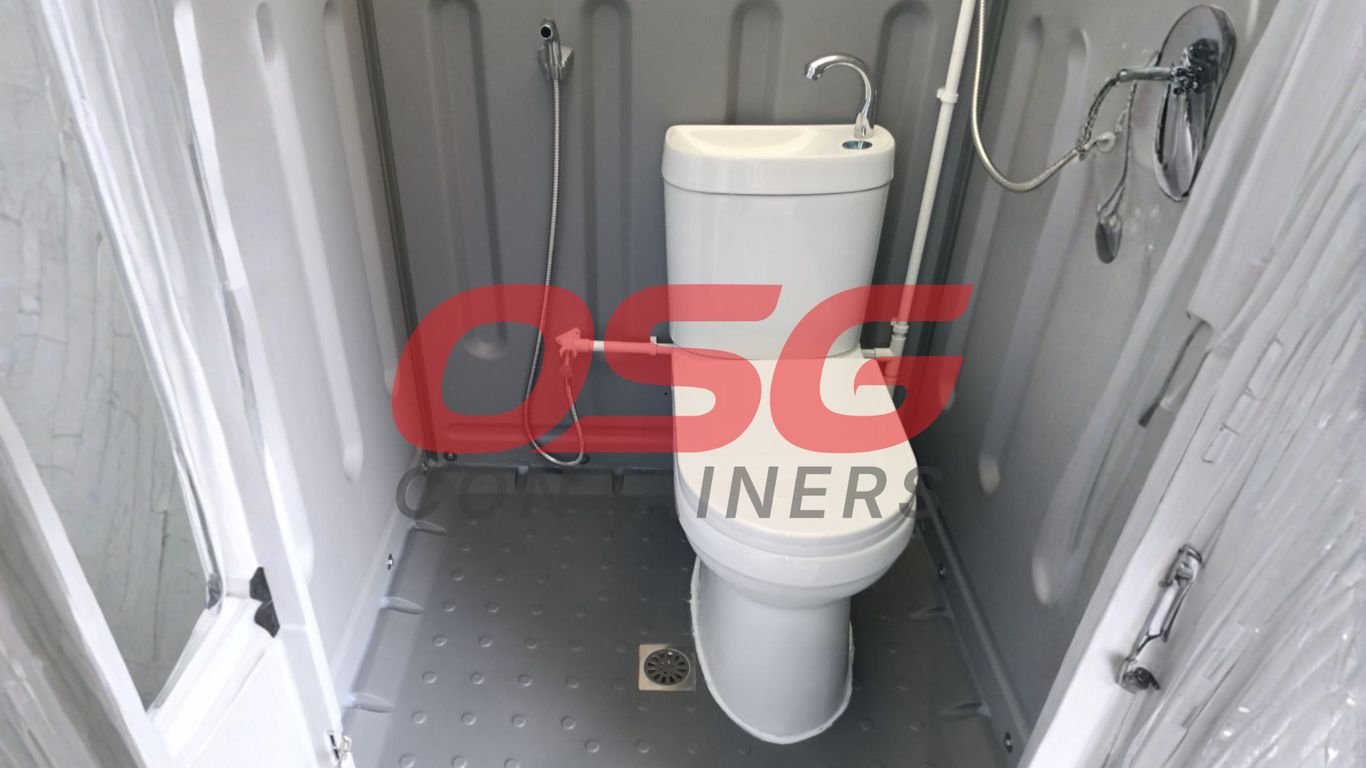
You know, sometimes you need a bathroom where there just isn’t one. Like on a big construction site way out in the sticks, or at a huge outdoor concert. Setting up regular plumbing is a pain, right? Well, that’s where these mobile toilet Singapore units come in handy. They’re basically self-contained bathrooms you can just drop off and use. They’re built tough, keep things clean, and have what you need, making them a pretty smart choice for sanitation pretty much anywhere.
Key Takeaways
- Mobile toilet Singapore units are portable, self-contained bathrooms for places without regular plumbing.
- They are built strong and easy to move, working well in different spots and conditions.
- Inside, they are kept clean and have things like toilets and sinks, making them user-friendly.
- Using these units is often cheaper in the long run than other options for temporary sanitation.
- They offer a practical way to keep people healthy and provide dignified facilities in temporary or remote areas.
Addressing Sanitation Challenges in Remote Locations
Setting up shop in a remote area, whether it’s a sprawling construction site or a temporary research outpost, often means you’re starting from scratch when it comes to basic facilities. And let’s be honest, sanitation is a pretty big one. It’s not just about convenience; it’s about health, dignity, and keeping things running smoothly. This is where mobile toilet solutions really shine, offering a practical way to tackle these issues head-on.
Understanding Toilet Container Solutions
When you’re miles from the nearest town or city infrastructure, the idea of providing proper sanitation can seem daunting. That’s where toilet containers step in. Think of them as self-contained bathroom units, often built within sturdy shipping containers. They’re a straightforward answer to sanitation problems in places that lack permanent facilities. These aren’t your flimsy, temporary porta-potties; they’re built to be tough and easy to move around. They come ready to go, equipped with what you need to make sure people have a clean and private place to take care of their needs.
A Practical Answer to Global Sanitation Challenges
Across the globe, many communities and work sites struggle with inadequate or non-existent sanitation. Traditional methods can be unreliable, unhygienic, or just not feasible in certain environments. Toilet containers offer a more robust and dependable option. They provide a clean, private space that can withstand various conditions. Whether it’s for a large-scale project, a public gathering, or even emergency situations, these units fill a critical gap. They represent a significant step up from basic chemical toilets, giving users a more comfortable and dignified experience. We’ve even seen them adapted for unique uses, like providing facilities at remote bus stops, showing just how flexible they can be.
Engineered for Portability and Durability
These units are designed with the realities of remote locations in mind. They need to be tough enough to handle being transported and set up in less-than-ideal conditions, and they need to last. The construction usually involves robust materials that can withstand weather and frequent use. This means they can be deployed to a site, used for the duration of a project, and then moved to the next location without much fuss. It’s this combination of being easy to transport and built to last that makes them such a smart choice for places where permanent infrastructure just isn’t an option.
- Built to withstand transport and rough terrain.
- Designed for quick setup and minimal site preparation.
- Offers a reliable sanitation solution in off-grid environments.
The lack of proper sanitation facilities in remote areas isn’t just an inconvenience; it poses significant health risks and can impact the morale and productivity of workers or residents. Mobile toilet solutions directly address this by providing accessible, hygienic, and dignified facilities where they are needed most.
Versatile Applications for Mobile Toilet Singapore
When you need sanitation solutions that can go anywhere, a mobile toilet, especially a container toilet, really steps up. These units aren’t just for one specific scenario; they’re incredibly adaptable. Think about it: anywhere you need a restroom but don’t have existing plumbing, these are a solid choice. A toilet container Singapore offers can be a game-changer for many different situations.
Ideal for Construction Sites and Remote Locations
Construction sites, particularly those far from city services, are a perfect fit. Workers need access to clean facilities, and setting up traditional plumbing can be a massive headache and expense. These container toilets are built tough, ready to handle the rough environment of a job site. Plus, they’re easy to move as the project progresses. They provide a reliable spot for workers to take care of personal needs without slowing things down. It’s a practical way to keep everyone comfortable and healthy when you’re out in the sticks.
- Durability: Built from strong materials, they withstand harsh conditions.
- Mobility: Easily transported to and from sites.
- Self-Sufficiency: Require no permanent plumbing connections.
These units offer a significant upgrade from basic portable toilets, providing a more private and hygienic experience for those working in challenging environments.
Essential for Events and Public Spaces
Planning a festival, a concert, or a large public gathering? Mobile toilet solutions are a lifesaver. They can be set up quickly to handle crowds, and you can arrange them in ways that fit your event’s layout. Need more facilities for a big concert? Just add more units. They offer a much cleaner and more private experience than standard porta-potties, which attendees really appreciate. You can even find units with better finishes if your event calls for it. They help maintain a good impression for your event.
Rapid Deployment for Emergency Response
In times of crisis, like natural disasters, quick access to sanitation is critical. Mobile toilets, especially container toilets, can be deployed rapidly to affected areas. They provide immediate relief and help maintain public health standards when infrastructure is damaged or overwhelmed. Their robust design means they can be transported and set up efficiently, offering a vital service when it’s needed most.
Ensuring Hygiene and Comfort in Portable Facilities
When you’re setting up facilities in places without permanent restrooms, like remote work sites or big outdoor events, making sure things are clean and comfortable for people is a big deal. It’s not just about having a place to go; it’s about making sure that place is decent and doesn’t make anyone feel worse.
Hygienic and Fully Equipped Interiors
These mobile toilet containers are designed to be more than just a basic box. They come with features that help keep things clean and usable. Think about built-in sinks with running water for hand washing, which is a step up from just hand sanitizer. The materials used inside are usually smooth and easy to wipe down, helping to stop germs from sticking around. Good ventilation is also key; it helps keep the air fresh and reduces any unpleasant smells. This means people can use the facilities without feeling grossed out.
- Integrated hand-washing stations
- Easy-to-clean interior surfaces
- Effective ventilation systems
- Proper lighting for safety and visibility
Upholding Hygiene Standards in Any Setting
Keeping things clean in a temporary setup can be tough, but these units are built with that in mind. They have sealed waste tanks, so nothing leaks out and causes problems. Regular servicing, which includes emptying the tanks and cleaning the unit, is part of the deal. This regular upkeep is what stops germs from building up and keeps the facilities usable for everyone, day after day. It shows a commitment to public health, which is more important than ever.
Maintaining a clean environment in portable facilities is not just about appearances; it directly impacts the well-being and health of users, especially in settings where traditional sanitation infrastructure is unavailable.
Providing Private and Dignified Facilities
One of the most important aspects is privacy. Unlike some older types of portable toilets, these containers offer a more enclosed space with a proper door that locks. This gives people the personal space they need to feel comfortable and respected. Having this private area is especially important in stressful situations, like during emergency relief efforts or at large public gatherings where personal space can be hard to find. It’s about treating everyone with dignity.
- Lockable doors for complete privacy
- Sufficient interior space for comfortable use
- Consideration for user comfort, such as non-slip flooring and adequate space
- Options for accessible units to cater to diverse needs
Innovations Driving the Mobile Toilet Market
It’s pretty wild how much the humble portable toilet is changing. We’re not just talking about basic plastic boxes anymore. The companies making these things are really thinking outside the box, pun intended. They’re looking at how to make them better for people and the planet.
Sustainable and Eco-Friendly Solutions
This is a big one. Everyone’s talking about being greener, and portable toilets are no exception. Manufacturers are starting to use materials that are better for the environment, like biodegradable plastics. They’re also working on ways to use less water, which is a huge deal, especially in places where water is scarce. Think about it: a toilet that doesn’t guzzle water and breaks down more easily when it’s time to get rid of it. That’s a win-win.
- Use of recycled and biodegradable materials in construction.
- Development of water-saving flush systems.
- Integration of solar power for lighting and ventilation.
The push for sustainability isn’t just a trend; it’s becoming a requirement. People want to know that the services they use aren’t harming the environment, and that includes temporary facilities.
Advancements in Waste Management Systems
Dealing with waste is, let’s be honest, the main point of a toilet. So, it makes sense that a lot of innovation is happening here. We’re seeing better ways to handle the waste inside the toilet container itself, making it less smelly and easier to manage. Some systems are even looking at treating the waste on-site, which could be a game-changer for remote locations where getting waste hauled away is a hassle.
| Feature | Traditional System | Advanced System | Benefit |
|---|---|---|---|
| Odor Control | Basic filters | Activated carbon | Significantly reduces unpleasant smells |
| Waste Treatment | Holding tank | Bio-digester | Reduces waste volume, potential for reuse |
| Maintenance Frequency | High | Moderate | Lower operational costs and effort |
The Role of IoT in Smart Sanitation
This might sound a bit high-tech for a toilet, but it’s happening. The Internet of Things (IoT) is starting to show up in portable toilets. Imagine a toilet that can tell you when it’s full and needs servicing, or even monitor its own internal conditions. This kind of smart technology can help optimize maintenance schedules, making sure units are cleaned and emptied before they become a problem. This proactive approach means fewer unpleasant surprises and a more reliable service for users. It’s all about making things more efficient and user-friendly, even for something as basic as a toilet container.
- Real-time monitoring of waste levels.
- Automated service alerts for maintenance crews.
- Data collection for usage patterns and efficiency analysis.
Cost-Effectiveness and Long-Term Value
When you’re looking at setting up sanitation in a remote spot, you really have to think about the long haul, right? Building permanent restrooms at a temporary site just doesn’t make financial sense. You’d be spending a lot on construction that you’ll just have to tear down later. Mobile toilet containers, though, they’re built tough. They’re made from sturdy stuff that can handle rough weather and constant use. Plus, their upkeep needs are pretty low. You’re not dealing with constant plumbing problems or repairs like you might with traditional setups. This means less downtime and fewer surprise costs down the road. It’s like buying a good quality tool instead of a cheap one that breaks after a few uses. You get more for your money over the years, and they can be moved to your next project when this one wraps up, making them a truly reusable asset.
A Long-Term Investment in Sanitation
These units aren’t just a quick fix; they’re a solid investment in keeping things clean and healthy. While there’s an upfront price for a toilet container, it often works out cheaper than other options when you look at the total picture. Renting standard portable toilets for a long-term project can add up quickly, and you’re constantly paying for servicing and emptying. Building permanent structures is even more expensive, especially if the site is temporary. Toilet containers avoid these recurring costs. They are designed for easy cleaning and have straightforward maintenance steps, like regular tank emptying and surface sanitizing. This keeps them running smoothly without a huge drain on your budget. It’s a practical approach that saves money and resources.
Calculating the Total Cost of Ownership
Thinking about the total cost of ownership means looking beyond just the initial purchase or rental fee. For mobile toilets, this includes:
- Initial Acquisition/Rental Cost: The upfront expense to buy or rent the unit.
- Maintenance and Servicing: Regular cleaning, waste removal, and any minor repairs needed.
- Transportation: Costs associated with moving the units between locations.
- Utilities (if applicable): For units with features like heating, cooling, or lighting.
- Depreciation/Resale Value: How much value the unit retains over time.
Compared to building permanent facilities, which involve significant construction, permits, and eventual demolition costs, mobile toilets often present a much lower overall financial burden, especially for projects with a defined timeline.
Adaptability Across Various Scenarios
The real advantage comes from their adaptability. You can use them for a construction site, then move them to an outdoor festival, and then redeploy them for emergency relief. This flexibility means you’re not stuck with a facility that only serves one purpose or one location. It’s a smart way to manage sanitation needs across various scenarios. This reusability is a big win for sustainability. Instead of building and demolishing, you’re just moving and redeploying.
Mobile toilet solutions offer economical and convenient options for temporary needs like work sites and outdoor events. They are ideal for short-term use and remote locations, avoiding the significant expenses associated with permanent structures that may only be needed for a limited time.
Navigating Challenges and Opportunities
So, while mobile toilets are a pretty neat solution for places that don’t have permanent facilities, it’s not always a walk in the park. There are definitely some hurdles to jump over, but also some pretty cool chances to grow.
Overcoming Limited Awareness and Adoption
One of the biggest things is that, in some areas, people just don’t really know about portable toilets or how they work. Especially in places that are still developing their infrastructure, the whole idea might be new. It’s not just about putting a toilet there; it’s about getting people to use it and understand why it’s better than what they might be used to. This can be a slow process, and sometimes cultural habits are hard to change.
- Education campaigns: Showing people the benefits of proper sanitation.
- Demonstration units: Letting people see and try out the facilities.
- Community involvement: Working with local leaders to promote adoption.
Sometimes, the simplest solutions require the most effort to introduce. It’s about building trust and showing real value, not just providing a product.
Addressing Waste Disposal and Maintenance Logistics
Then there’s the whole issue of what happens after the toilet is used. Keeping these units clean and making sure waste is disposed of properly is a big deal. In remote spots, this can be tricky. You need a plan for regular servicing, and sometimes that means dealing with difficult terrain or long distances. If waste isn’t handled right, it can actually create more problems, like pollution, which defeats the whole purpose. Finding efficient ways to manage waste in hard-to-reach places is key.
Here’s a quick look at what goes into it:
- Regular Servicing Schedule: How often do units need emptying and cleaning?
- Waste Transport: What’s the best way to move waste from remote sites?
- Disposal Sites: Where can the waste be taken and treated safely?
Capitalizing on Emerging Markets and Demand
Despite the challenges, there’s a lot of potential out there. As more countries develop and tourism grows, the need for temporary sanitation solutions goes up. Think about places that are just starting to host big events or build new construction projects. Companies that can offer toilets that are easy to ship and set up have a real advantage. Plus, people are starting to want nicer, more eco-friendly options. So, if you can offer units that are a bit more comfortable or use less water, you’re going to stand out. It’s about spotting where the growth is happening and being ready to meet the demand with the right kind of product.
Wrapping It Up
So, when you really think about it, these mobile toilet containers are more than just a place to go. They’re a practical answer for places that don’t have the usual hookups, whether that’s a busy construction site miles from anywhere or a big event drawing crowds. They’re built tough, easy to move, and designed to keep things clean and private. While there are definitely hurdles, like making sure everyone knows about them and figuring out the best way to service them in remote spots, the benefits are pretty clear. They help keep people healthy, offer a bit of dignity, and can actually save money in the long run compared to other options. It’s a smart solution for a common problem, and it’s pretty cool how they can pop up wherever they’re needed most.
Frequently Asked Questions
What exactly is a mobile toilet container?
A mobile toilet container is basically a self-contained bathroom built inside a strong shipping container. It’s designed to be moved easily, making it a great solution for places that don’t have regular bathrooms, like construction sites or remote areas. They are built to be tough and reliable.
Why are these mobile toilets useful in remote locations?
In remote spots, setting up permanent bathrooms is often too difficult or costly. Mobile toilet containers offer a quick and practical way to provide clean and private restrooms for workers or residents. They can be delivered and set up without needing complex plumbing, which is a huge advantage.
How do mobile toilets ensure hygiene and comfort?
These units are designed with cleanliness and comfort in mind. They usually include toilets, sinks, and good ventilation to keep the air fresh. The materials inside are easy to clean, and some models even come with showers. This ensures a decent and hygienic experience for users, even in basic settings.
Are mobile toilets good for events?
Absolutely! For festivals, concerts, or any large gathering, mobile toilets are essential. They can be set up quickly to handle crowds, and you can add as many as you need. They offer a much cleaner and more private option compared to traditional portable toilets, helping to make your event more pleasant for everyone.
What are some new ideas in the mobile toilet industry?
The industry is getting smarter! Some new ideas include eco-friendly options like toilets that use less water or biodegradable materials. Others use technology, like sensors that let you know when a toilet needs to be emptied or cleaned, making maintenance much more efficient. There’s also a focus on making them more durable and easier to transport.
Are mobile toilets a good investment?
Yes, they can be a very smart investment. While there’s an initial cost, they are reusable and can be moved to different locations or used for various projects. This flexibility means you save money compared to building permanent facilities or renting temporary ones for long periods. They offer a long-term, cost-effective sanitation solution.