Singapore
 Australia
 Indonesia
 Japan
Japan Malaysia
 New Zealand
 Philippines
 South Korea
 Taiwan
 Thailand
 VIETNAM
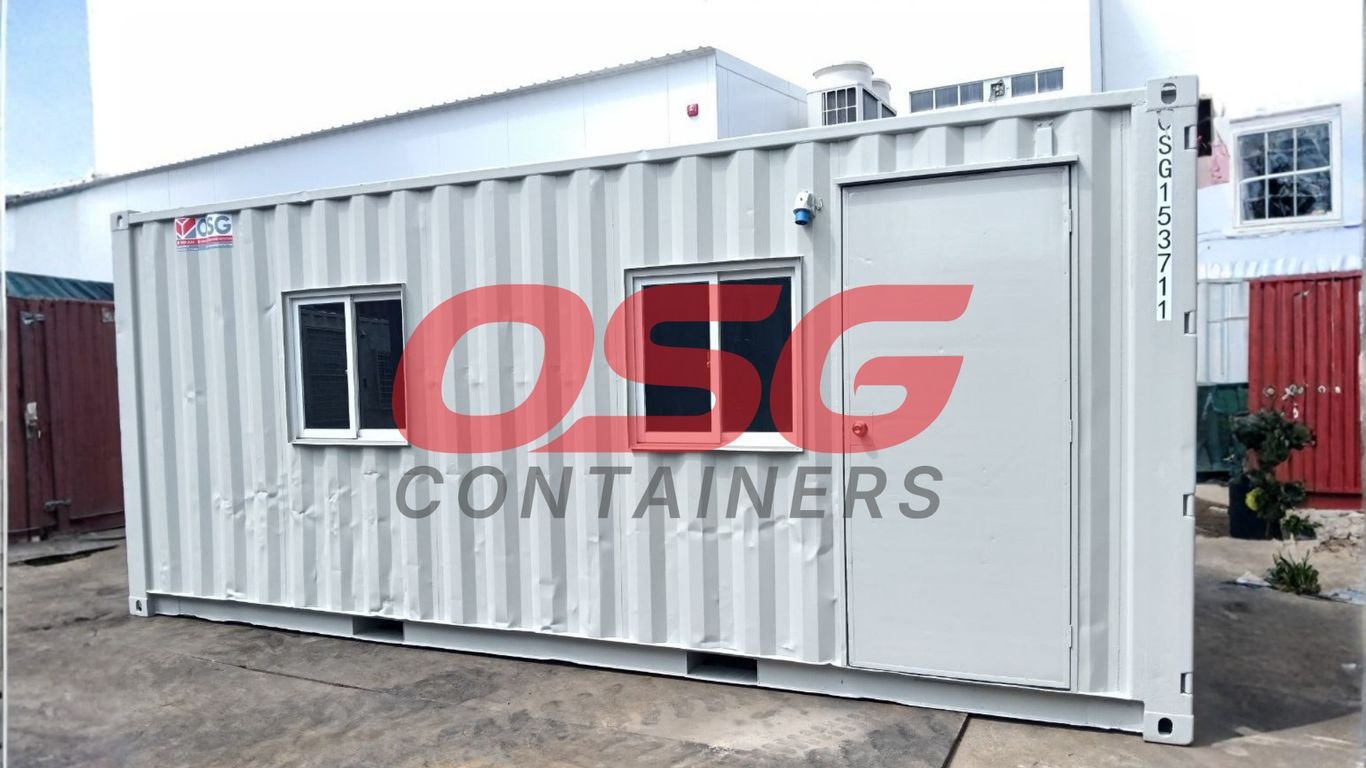
So, you’re curious about what exactly a 40ft container can do? It’s more than just a big metal box, that’s for sure. These things are seriously useful, whether you’re moving goods across the ocean, need some extra storage space, or even want to build something unique. We’re going to break down why the 40ft container is such a handy option for so many different jobs. Let’s get into it.
Key Takeaways
- A 40ft container offers a lot of space, usually around 2,350 cubic feet, making it great for moving or storing large amounts of stuff.
- These containers are tough. They’re built from steel to handle rough weather and tough handling during shipping.
- You can use a 40ft container for tons of things – shipping, storing items on-site, building temporary offices, or even making a home.
- Customizing your container is easy; you can add doors, windows, insulation, and even electrical hookups to make it fit your needs.
- Using an old shipping container is good for the environment because it means less new material needs to be made and less waste.
Unpacking the Capacity of a 40ft Container
So, you’re looking at a 40-foot container and wondering just how much stuff it can actually hold. It’s a pretty common question, and honestly, these things are way bigger than they might seem at first glance. They’re designed to be a global standard, which means their dimensions are pretty locked in to make sure they fit on ships, trains, and trucks all over the world. That standardization is a big deal for keeping shipping costs down and making things move smoothly.
Dimensions for Global Efficiency
When we talk about a 40-foot container, we’re usually talking about the outside measurements. The standard ones are about 40 feet long, 8 feet wide, and 8.5 feet tall. But here’s the thing: the actual space inside is a bit less because of the walls, floor, and ceiling. It’s still a massive amount of room, though.
| Dimension | Exterior Measurement | Interior Measurement |
|---|---|---|
| Length | 40 ft (12.19 m) | 39 ft 6 in (12.03 m) |
| Width | 8 ft (2.44 m) | 7 ft 9 in (2.35 m) |
| Height | 8 ft 6 in (2.59 m) | 7 ft 10 in (2.39 m) |
This standardized size is why they’re so easy to move around. Cranes, ships, and rail cars are all built to handle these exact dimensions, making international shipping way more straightforward.
Understanding Usable Interior Space
Okay, so the interior dimensions are what really matter when you’re trying to figure out how much you can fit. You’re looking at roughly 2,366 cubic feet of space. That’s a lot! It’s enough to hold a good chunk of a house’s contents or a significant amount of commercial goods. When you’re packing, think about how you arrange things. You can usually fit around 20-21 standard US pallets (40×48 inches) or maybe 24-25 Euro pallets (1.2×0.8 meters) if you pack them in tight.
Loading it efficiently is key. You want to put the heaviest stuff in first, distribute the weight evenly, and use straps or airbags to stop things from shifting around during transit. A little planning goes a long way to avoid wasted space and damaged goods.
High Cube Variations for Extra Volume
Now, if you need even more space, especially for taller items, there’s the High Cube version. These are the same length and width as the standard 40-footer, but they’re about a foot taller. That extra height adds up to about 76.4 cubic meters of volume, compared to the standard 67.7 cubic meters. This makes them perfect for bulky items that might not fit in a regular container, like machinery or large furniture.
- More Headroom: The extra height is noticeable, especially for tall items.
- Increased Volume: You gain significant cubic capacity without changing the footprint.
- Versatility: Great for goods that are awkward in standard containers.
So, whether you’re shipping goods overseas or using a container for storage on land, the 40-footer, especially the High Cube, offers a seriously impressive amount of space to work with.
The Versatile Applications of a 40ft Container
So, you’ve got this big metal box, right? A 40ft container. It’s not just for hauling stuff across the ocean, though that’s a big part of it. These things are surprisingly adaptable. Think of them as giant, super-tough Lego bricks for grown-ups. They can be used for all sorts of things, way beyond just shipping.
Revolutionizing Shipping and Logistics
This is what they were made for, obviously. Moving goods from point A to point B, whether that’s across town or across the globe. Their standardized size means they fit neatly onto ships, trains, and trucks, making the whole process pretty efficient. It’s the backbone of international trade, really.
Here’s a quick look at how they streamline things:
- Standardization: ISO dimensions mean they stack and fit everywhere.
- Durability: Built to survive rough seas and handling.
- Security: Lockable and weather-tight, keeping cargo safe.
- Portability: Easy to load, unload, and move between transport modes.
The sheer volume a 40ft container can hold means fewer trips are needed, saving time, fuel, and money. It’s a simple concept, but it makes a huge difference in the cost of getting products to market.
On-Site Storage Solutions
Forget renting expensive warehouse space or cramming everything into your already-full building. A 40ft container can be delivered right to your doorstep, offering instant, secure storage. Businesses use them for all sorts of things:
- Inventory Overflow: Got too much stock during a busy season?
- Equipment Storage: Tools, machinery, seasonal gear – keep it safe and out of the way.
- Document Archiving: Need a dry, secure place for old records?
- Event Supplies: Storing materials for festivals, markets, or trade shows.
They’re watertight and built tough, so your stuff stays protected from the weather and potential thieves. Plus, you can put them pretty much anywhere you have a bit of flat ground.
Construction and Industrial Uses
Construction sites are chaotic places, and they need reliable storage for tools, materials, and equipment. A 40ft container is perfect for this. It keeps everything secure overnight and protected from the elements. But it’s more than just storage. People turn them into:
- Mobile Offices: A secure, weather-proof space for project managers.
- Break Rooms: A place for workers to get out of the rain or sun.
- Workshops: For on-site repairs or fabrication.
- Tool Cribs: Centralized, secure storage for valuable equipment.
Industries also use them for storing raw materials, sensitive equipment, or even as temporary processing units. Their steel construction means they can handle pretty rough treatment.
Modular Housing and Creative Spaces
This is where things get really interesting. People are taking these containers and turning them into homes, studios, pop-up shops, and more. With some modifications – cutting out windows, adding insulation, putting in plumbing and electricity – they become surprisingly livable or functional spaces.
- Tiny Homes: A cost-effective way to build a small dwelling.
- Art Studios/Workshops: A dedicated space for creative pursuits.
- Pop-Up Retail: Unique shops for markets or events.
- Temporary Classrooms: Schools use them when space is tight.
It’s a way to create custom spaces relatively quickly and often more affordably than traditional building methods. Plus, it’s a great way to reuse a container that might otherwise be retired.
Key Advantages of Choosing a 40ft Container
So, why are these big metal boxes so popular? It really comes down to a few solid points that make them a smart choice for a lot of different situations.
Unmatched Security and Weather Resistance
First off, these things are built tough. They’re made from strong steel, designed to handle pretty rough conditions out on the ocean, so you know they can handle a bit of weather on land too. This means your stuff inside is pretty well protected from rain, wind, and even curious hands. They’re usually pretty watertight, which is a big deal if you’re storing anything that can’t get wet. Plus, they come with solid locking mechanisms, making them a secure spot for your belongings or inventory.
Cost-Effectiveness for Large Loads
When you’ve got a lot to move or store, using a bunch of smaller options can really add up. A 40ft container lets you pack a whole lot into one space. This often works out cheaper per item or per cubic foot than trying to manage multiple smaller storage units or making several smaller trips. It’s a straightforward way to move or store bulk.
Durability and Long-Term Reliability
These containers aren’t flimsy. They’re built to last for years, even decades, with minimal fuss. Think about it – they’re designed for constant use in tough environments. This means you’re not just getting a temporary fix; you’re investing in something that can serve your needs for a long time, whether that’s for storage, transport, or even as part of a building.
Here’s a quick look at what makes them so reliable:
- Steel Construction: Provides a strong, rigid structure.
- Weatherproof Seals: Keep moisture and pests out.
- ISO Standards: Built to consistent, high-quality specifications.
- Stackable Design: Allows for efficient use of space during transport and storage.
When you look at the upfront cost versus how long they last and how much they can protect, the value really starts to show. It’s not just about the space; it’s about the peace of mind that comes with knowing your goods are safe and sound.
Smart Customization for Your 40ft Container
So, you’ve got this big metal box, a 40ft container. It’s already pretty tough and holds a lot, but what if you need it to do more? That’s where customization comes in. It’s like giving your container a whole new job description. You can really make it work for whatever you need, whether that’s storing sensitive equipment, setting up a temporary office, or even building a unique living space.
Tailoring Doors and Windows
Think about how you’ll actually use the space. Do you need easy access for forklifts? Maybe a standard roll-up door is best. If it’s going to be an office or a workshop, you’ll probably want regular hinged doors and maybe some windows for light and ventilation. You can add them pretty much anywhere, but it’s smart to think about where they’ll be most useful and how they’ll affect the container’s structure. Getting the placement right from the start saves a lot of hassle later.
Adding Insulation for Climate Control
These steel boxes can get pretty hot in the summer and freezing in the winter. If you plan on spending time inside, storing temperature-sensitive items, or running electronics, insulation is a must. You can go with spray foam, rigid panels, or even fiberglass batts. The type you choose depends on your budget and how much climate control you need. Proper insulation doesn’t just make it comfortable; it also cuts down on energy costs if you’re running heaters or air conditioners.
Integrating Electrical and Plumbing Systems
Want lights? Outlets for tools? A place to wash your hands? You’ll need to add electrical and plumbing. This usually involves running wires and pipes through the container walls or ceiling. It’s often best to have a professional do this part, especially if you’re aiming for something like a functional kitchen or bathroom. They can install breaker boxes, outlets, lighting fixtures, and hook up water and drainage.
Exterior Finishes and Branding
Don’t forget the outside! You can paint your container any color you like, which is great for matching your business’s branding or just making it look less like a shipping box. Some people add custom siding, awnings, or even a deck. If it’s for business, adding your logo or signage is a straightforward way to make it stand out and advertise your presence.
Customizing a 40ft container is all about adapting a robust, standard structure to fit very specific needs. It transforms a simple storage unit into a functional, specialized space, whether that’s for commercial, industrial, or even residential purposes. The key is planning ahead to ensure the modifications meet your exact requirements and budget.
Sustainability Through Repurposed Containers
So, you’ve got this big metal box, right? A 40ft container. Instead of just thinking about what it can hold, let’s talk about what it saves. Using these containers again, instead of building something new, is a pretty smart move for the planet. It’s like giving a sturdy old building a new life, but on a much smaller, more manageable scale.
Reducing Construction Material Waste
Think about all the wood, concrete, and steel that goes into building a new shed or even a small office. When you use a shipping container, you’re skipping a lot of that. These containers have already been made, and they’re built tough. So, by repurposing them, we’re cutting down on the demand for new raw materials. It means less mining, less logging, and less energy used to create brand-new building stuff. Plus, it keeps perfectly good containers out of the scrap heap.
Energy Efficiency with Proper Insulation
Now, a plain steel box can get pretty hot in the summer and freezing in the winter. That’s where smart customization comes in. Adding insulation is a game-changer. It helps keep the inside temperature stable, meaning you don’t need to blast the AC or crank the heater as much. This saves a ton of energy over time. It’s like putting a good coat on the container – it keeps the good stuff in and the bad stuff out, temperature-wise.
The Benefits of Reusability
These containers are designed to travel the world, so they’re built to last. They’re strong, they resist the weather, and they’re pretty secure. When you reuse one, you’re getting all those benefits without the environmental cost of manufacturing something new. It’s a cycle of reuse that just makes sense. Plus, if you ever need to move it, you can just pick it up and go, which is way better than demolishing and rebuilding.
Repurposing a 40ft container isn’t just about saving money; it’s about making a conscious choice to reduce our impact. It’s a practical way to embrace a more circular economy, turning what might be considered waste into a functional asset.
Exploring Different 40ft Container Types
When you’re looking at a 40ft container, it’s not just one-size-fits-all. Think of them like different tools in a toolbox, each designed for a specific job. Understanding these variations helps you pick the right one for your needs, whether it’s for shipping goods across the ocean or setting up a unique space.
Standard Dry Containers for General Cargo
These are your workhorses. The standard 40ft container is built for moving all sorts of dry goods. It’s a fully enclosed, robust steel box that keeps your cargo safe from the weather and prying eyes. If you’re shipping electronics, furniture, or general merchandise, this is likely the type you’ll be using. They’re designed for efficiency and reliability in global trade.
High-Cube Containers for Bulky Items
Need a bit more headroom? That’s where the high cube container comes in. It’s essentially a standard 40 footer but with an extra foot of height. This extra space is a game-changer for bulky items that might just barely fit in a regular container, or for when you need to stack things higher. Think of things like machinery, large appliances, or even materials for construction projects. The added volume can make a big difference in how much you can transport.
Flat Rack Containers for Oversized Goods
Sometimes, cargo just doesn’t fit neatly into a box. For those really large or awkwardly shaped items, like heavy machinery, vehicles, or construction equipment, a flat rack container is the answer. These don’t have full sides or a roof. They have a base and reinforced end walls, making it easy to load items from the top or sides. This design is key for transporting things that exceed standard container dimensions.
Open-Top Containers for Difficult Loads
Similar to flat racks in their ability to handle awkward items, open-top containers are also designed for loads that are easier to access from above. Instead of a solid roof, they have a removable tarp. This is super handy for things like bulkier raw materials, logs, or equipment that needs to be loaded with a crane. It simplifies the loading process significantly when doors just won’t cut it.
While specialized containers like ISO tank containers exist for liquids and gases, the types mentioned above cover the vast majority of dry cargo and oversized goods needs for a 40 ft container. Choosing the correct type ensures your items are transported safely and efficiently, saving you time and money in the long run.
Wrapping It Up
So, there you have it. A 40ft shipping container is way more than just a big metal box for moving stuff. It’s a solid, dependable space that can be used for all sorts of things, from keeping your business inventory safe to becoming a whole new room for your home or even a workshop. They’re tough, they can handle rough weather, and honestly, they’re a pretty smart way to get a lot of space without breaking the bank. Whether you’re a business owner trying to sort out storage or someone looking for a unique building idea, these containers really do offer a lot of bang for your buck. They’re a practical choice that just makes sense for a lot of different needs.
Frequently Asked Questions
How much stuff can actually fit inside a 40ft container?
A standard 40ft container is pretty big! It’s about 40 feet long, 8 feet wide, and 8.5 feet tall. Think of it like having a large walk-in closet or a small studio apartment’s worth of space. If you get a ‘High Cube’ version, it’s even taller, giving you more room for bulky items.
Are these containers strong enough to keep my things safe?
Absolutely! They are built tough, usually from strong steel, to handle rough seas and bumpy roads. They’re designed to be watertight and weatherproof, so your belongings are protected from rain, wind, and sun.
Can I change a 40ft container to fit my needs?
Yes, you can! People turn them into all sorts of things. You can add windows, doors, insulation to keep it cool or warm, and even electricity and plumbing. It’s like a blank canvas for building anything from a small office to a unique home.
Are 40ft containers good for the environment?
Using them is actually a smart way to help the planet. Instead of building something new, you’re reusing a container that’s already been made. This cuts down on waste and the need for new building materials. Plus, when they’re insulated well, they can be energy-efficient.
What are the most common ways people use these containers?
They’re mostly used for shipping goods across the world, but that’s just the start! People use them for extra storage on their property, as temporary offices or workshops on job sites, and even to build cool, modern homes or studios.
Is it cheaper to use a 40ft container than other options?
Often, yes! For moving large amounts of stuff or for creating extra space, a 40ft container can be much more affordable than building a new structure. They offer a lot of space for the money and are built to last a long time.