Singapore
 Australia
 Indonesia
 Japan
Japan Malaysia
 New Zealand
 Philippines
 South Korea
 Taiwan
 Thailand
 VIETNAM
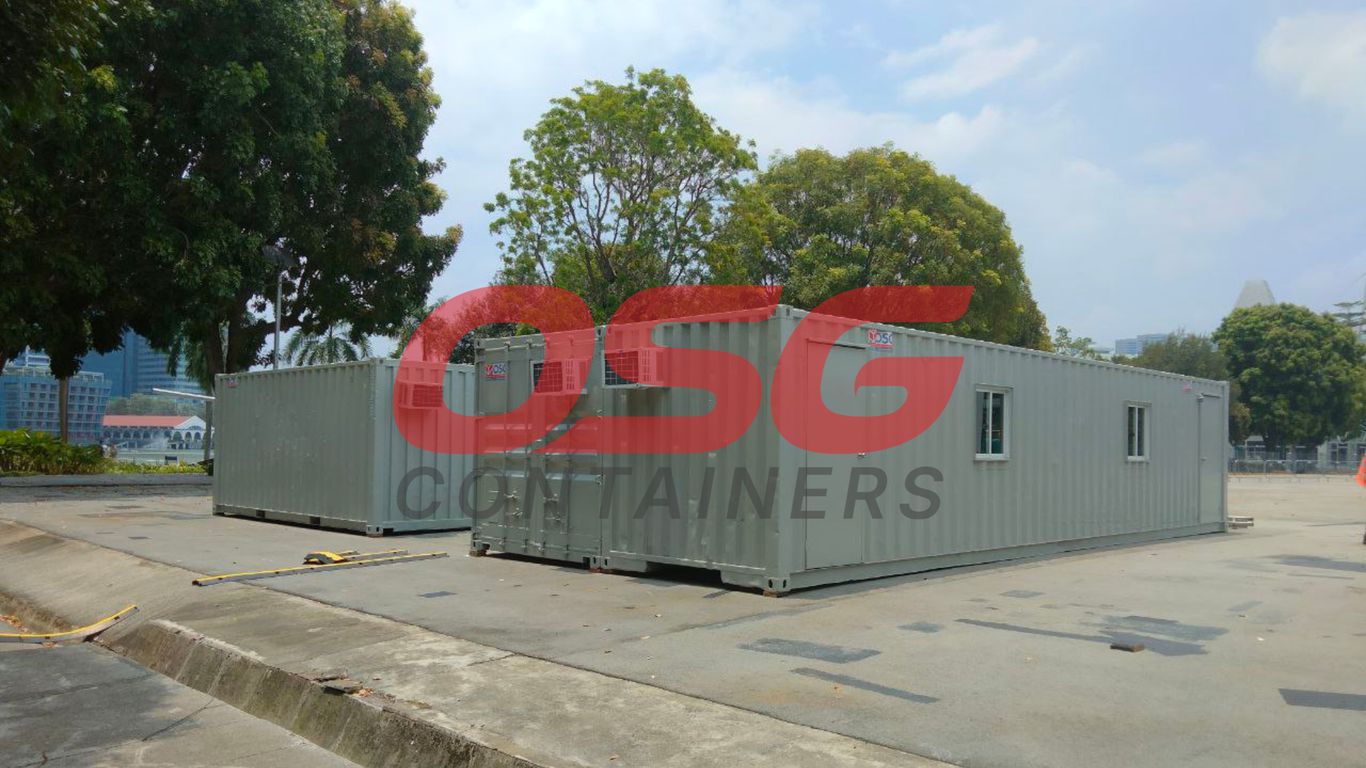
Thinking about building with shipping containers? It’s a pretty neat idea, especially if you’re looking at a 40 ft container. These big metal boxes can be transformed into some really cool living spaces. We’re going to break down what makes them work, how to make them feel like home, and some clever ways to arrange them so you don’t feel cramped. It’s all about making the most of the space you have, and a 40 ft container gives you a good starting point.
Key Takeaways
- A 40 ft container offers a strong, adaptable base for a home, balancing cost with usable space.
- Smart design is key to overcoming the narrowness of containers, using layouts that open up the feel of the home.
- Proper insulation and ventilation are non-negotiable for comfort and preventing moisture issues in container homes.
- Combining multiple containers or using creative layouts like L-shapes can significantly expand living areas and functionality.
- Customization allows a 40 ft container home to be tailored to individual needs, from minimalist studios to family dwellings.
Leveraging the 40 Footer Container for Expansion
When you’re thinking about adding more space to your home or starting a new project, a 40ft container really stands out. These aren’t just big metal boxes for shipping stuff; they’re a solid foundation for all sorts of expansions. They offer a good chunk of space without being overwhelmingly huge, making them a popular choice for everything from backyard offices to extra living areas. The sheer volume of these containers globally means they’re readily available and built tough.
Understanding the 40 Footer Container Advantage
The main draw of a 40 feet container is the amount of usable space it provides in a standardized, durable package. Unlike smaller options, a single 40-footer can often accommodate distinct functional areas, reducing the need for multiple units right from the start. This makes planning and construction simpler, especially if you’re looking at a project in places like shipping container singapore, where space can be at a premium.
Key Benefits of a 40 Footer Container
- Generous Footprint: Offers significantly more interior space than its 20-foot counterpart, allowing for more complex layouts.
- Structural Integrity: Built to withstand harsh conditions, providing a robust and secure shell.
- Cost-Effectiveness: Often more economical per square foot compared to traditional construction methods for extensions.
- Modularity: Easily integrated into existing structures or combined with other containers for larger designs.
The inherent strength of a container, designed for stacking and enduring sea voyages, translates directly into a secure and long-lasting building component. This robust nature means less worry about the core structure and more focus on design and finishing.
Comparing 40 Footer to 20 Foot Containers
When deciding between container sizes, the choice often comes down to your specific needs and budget. A 20-foot container is great for smaller needs like a garden shed or a compact home office. It’s about 20 feet long and provides a decent, albeit cozy, workspace.
| Feature | 20 Foot Container | 40 Foot Container |
|---|---|---|
| Length (approx) | 20 feet | 40 feet |
| Width (approx) | 8 feet | 8 feet |
| Height (approx) | 8.5 feet | 8.5 feet |
| Usable Space | Compact | Ample |
| Best For | Small offices, studios | Living spaces, multi-room extensions |
However, if you’re aiming for a more comfortable living area, a guest suite, or a workshop where you need room to move, the container 40 feet offers double the length. This extra length makes a huge difference in creating distinct zones for living, sleeping, or working without feeling too cramped. For most expansion projects that go beyond a simple utility space, the 40-foot option is usually the more practical and versatile choice.
Designing Your Expanded 40 Footer Container Space
So, you’ve got your 40-footer, and now it’s time to figure out how to actually live in it without feeling like you’re in a long, narrow box. This is where the fun part of design really kicks in. It’s not just about sticking furniture in; it’s about making the space work for you.
Maximizing Usable Space in a 40 Footer
When you’re dealing with a container, every inch is precious. Forget bulky, standalone furniture if you can. Think about built-in solutions. Custom cabinetry that hugs the walls can give you storage without eating up floor space. Multi-functional furniture is also a lifesaver. A sofa that turns into a bed, a dining table that folds down from the wall, or ottomans with hidden storage can make a huge difference. The goal is to make each piece of furniture work harder for you.
- Vertical Storage: Use wall space for shelving and cabinets. Go as high as you can reasonably reach.
- Folding Elements: Opt for tables, chairs, and even beds that can be stowed away when not in use.
- Mirrors: Strategically placed mirrors can create the illusion of more space and reflect light, making the area feel bigger and brighter.
Don’t underestimate the power of a well-organized closet or pantry. Clutter is the enemy of small spaces, so plan for ample, smart storage from the get-go.
Creating Functional Zones Within a 40 Footer
Even though it’s a single long space, you can break it up to feel like distinct rooms. This is often done with furniture placement or by using different flooring or paint colors in different areas. For example, you might use a rug to define the living area, while the kitchen space has tile flooring. You can also use partial walls or screens to create separation without completely closing off the space. Think about how you’ll use the area: where will you sleep, eat, relax, and work?
- Living Area: Often placed towards one end, perhaps near the main entrance.
- Kitchen/Dining: Can be a galley style along one wall, or a more central island setup if space allows.
- Bedroom/Private Space: Usually at the far end for more privacy.
- Bathroom: Typically a compact, self-contained unit.
Incorporating Natural Light and Airflow
This is super important for making a container feel less like a metal box and more like a home. Cutting in larger windows or even a skylight can totally change the feel of the place. It lets in sunlight, which makes the space feel bigger and more open. Good airflow is just as key. You don’t want it to feel stuffy. Cross-ventilation, meaning having windows or vents on opposite sides of the container, is ideal. This allows air to move freely through the space, keeping it fresh and comfortable.
- Window Placement: Consider where the sun hits throughout the day. Larger windows on the sunny side can help warm the space in cooler months.
- Ventilation: Install exhaust fans in the kitchen and bathroom to remove moisture and odors.
- Skylights: A great way to add light without sacrificing wall space, especially useful in the middle of the container.
Structural Considerations for 40 Footer Modifications
So, you’ve got your 40-footer and you’re ready to start cutting holes for windows and doors, maybe even thinking about adding some interior walls. Hold up a sec. These containers are built tough, but cutting into them changes things. The corrugated walls are what give them their strength, especially when they’re stacked. When you slice into them, you’re messing with that integrity.
Reinforcing Openings in a 40 Footer
Making an opening for a window or a door isn’t as simple as just cutting a hole. You’ve got to put something back to hold up the weight that was there before. Think of it like taking a brick out of a wall – you need a lintel to support the bricks above it. For containers, this usually means welding in a steel frame around the opening. This frame takes the load and distributes it to the container’s original structural points.
- Frame the opening: Weld a sturdy steel frame around every cut you make for doors and windows.
- Use appropriate materials: Steel is your best bet for reinforcement, matching the container’s strength.
- Consider load points: Think about where the weight of the roof or upper levels (if any) will press down and reinforce those areas.
Adding Interior Walls and Loft Spaces
Adding interior walls is generally less of a structural headache than cutting openings, but it still needs thought. You can often attach non-load-bearing walls directly to the container’s interior ribs. However, if you’re planning a loft or any kind of elevated platform, that’s a different story. Lofts add significant weight and require proper support beams that are securely attached to the container’s main structure. It’s not just about screwing some wood to the wall; you need to engineer this properly.
Ensuring Structural Integrity with Modifications
The biggest takeaway here is that you can’t just cut and hack away without a plan. Every modification affects the container’s ability to stand strong on its own and when combined with others. It’s really wise to consult with someone who knows structural engineering, especially for larger projects or if you’re stacking containers. They can look at your plans and tell you exactly where and how to reinforce things so your container home doesn’t end up looking like a crumpled soda can.
When you start cutting into a container, you’re essentially creating weak points. The original design relies on the continuous strength of the steel walls and the corner posts. Any modification needs to compensate for the material removed and redistribute any loads that were previously carried by that section of the wall. It’s about understanding how the forces move through the structure and making sure your additions help, not hinder, that process.
Expanding Beyond a Single 40 Footer Container
Combining Multiple 40 Footers Side-by-Side
So, you’ve got your 40-footer, and it’s great, but maybe you’re thinking, ‘What if I need more room?’ That’s where joining containers comes in. The most straightforward way to get a bigger footprint is by placing two 40-foot containers next to each other. This basically doubles your floor space and gives you a width that starts to feel a lot more like a traditional house, around 15 feet across. It makes it way easier to divide up into separate rooms, like bedrooms and bathrooms, or even create that open-plan kitchen and living area you might be dreaming of.
When you connect two containers, there’s usually a gap between them. Don’t just leave it empty! This space is prime real estate for creating a larger, more open living area or a functional hallway. You could even fit a bigger kitchen island or a cozy dining nook there. Planning how these connecting spaces work is super important to make the whole thing feel like one cohesive home, not just two boxes stuck together.
Here’s a quick rundown of what this setup offers:
- Increased Width: Feels more spacious, closer to a standard narrow home.
- Room Division: Easier to section off private areas like bedrooms and bathrooms.
- Open-Plan Potential: Great for combined kitchen, dining, and living spaces.
- Structural Simplicity: Generally easier to join than more complicated multi-container arrangements.
Hybrid Container Extensions with Other Materials
Taking the container idea a step further, you can mix and match. Hybrid extensions blend the tough, cost-effective nature of shipping containers with other building materials like wood or steel. This approach lets you get the best of both worlds: the solid foundation of a container combined with the look and flexibility of traditional construction. It’s a smart way to get a unique look and feel that might be harder to achieve with containers alone.
This method allows for a lot of creative freedom. You can use traditional framing for certain sections, add large windows that might be tricky in a pure container build, or even incorporate pitched roofs. It really opens up the design possibilities.
Planning Multi-Container Layouts
When you start thinking about using more than two containers, the layout planning gets more involved, but the possibilities really open up. For instance, using four containers can lead to a really spacious and comfortable living environment. You can design layouts with multiple bedrooms, bathrooms, and generous living areas, almost like building a custom home from scratch, but with the built-in structure of steel containers. It’s not just about lining them up; it’s about creating a flow and a functional living space that feels right for you. Consulting with a structural engineer is a good idea here, especially when cutting openings for doors and windows, to make sure everything stays safe and sound. Companies that specialize in container homes can also be a big help, offering pre-designed plans or custom solutions.
Here are some things to consider when planning multi-container layouts:
- Flow and Function: How will people move between spaces? Where will the main living areas be? Think about daily routines.
- Natural Light: Strategically place windows and openings to maximize daylight and reduce the need for artificial lighting.
- Structural Integrity: Always plan for reinforcement, especially around any cut-outs. An engineer’s input is highly recommended for larger projects.
- Aesthetics: How will the different container sections and added materials come together visually? Consider roofing, siding, and exterior finishes.
Customizing Your 40 Footer Container Home
So, you’ve got your 40-foot container, and now it’s time to make it feel like your home. This is where the real fun starts, adding all those personal touches that make a space truly yours. It’s not just about fitting your life into a metal box; it’s about making that box work perfectly for you. The flexibility here is pretty amazing.
Essential Amenities and Features
When you’re thinking about what to put in your container home, always consider what you actually need and want. Do you spend a lot of time in the kitchen? Then a really good setup for cooking is probably a priority. Maybe you’re all about unwinding, so a bathroom that feels like a mini-spa might be the way to go. Or perhaps you’re into the latest tech and want smart home features built right in.
It’s not just the big stuff, either. Little things can make a huge difference in how you feel in your space. Good lighting, for example, can totally change the mood of a room. Built-in storage is also a lifesaver when you’re working with a smaller footprint. You want everything to have its place, right?
Here are some popular things people often include:
- Kitchen Appliances: Full-size fridge, oven, dishwasher, or compact versions depending on space.
- Bathroom Fixtures: Shower, tub, modern toilet, vanity.
- Climate Control: Efficient heating, ventilation, and air conditioning (HVAC) systems.
- Lighting: Recessed lighting, pendant lights, task lighting, and dimmers.
- Storage Solutions: Built-in cabinets, shelving units, and clever closet designs.
- Smart Home Tech: Integrated lighting, thermostats, security systems.
Tailoring the Space to Your Lifestyle
Think about how you actually live. A 40-foot container is a long, narrow space, so how you arrange things matters a lot. You can slice and dice the space however you want. Need a big open living area for entertaining? Easy. Want a couple of cozy bedrooms tucked away? Totally doable. You can even add extra features like decks or different rooflines. It really depends on your budget and what you’re trying to achieve with your space.
Don’t forget about the exterior, too. Adding a deck or a small patio area can really extend your living space, especially during warmer months. It’s all about creating a comfortable and functional environment that suits your lifestyle.
Aesthetic Customization Options
While the basic structure is a steel box, the exterior and interior finishes are where you can really let your personality shine. You can clad the outside with wood, metal siding, or even stucco to give it a completely different look. Inside, you have a blank canvas for flooring, wall finishes, and paint colors. The real magic of using a 40-foot container for your home is how much you can actually change it.
Here’s a quick look at how you can customize:
- Exterior Finishes: Wood siding, metal panels, stucco, brick veneer.
- Roofing: Flat roof, pitched roof, green roof options.
- Window and Door Styles: Large sliding doors, picture windows, custom-shaped openings.
- Interior Walls: Drywall, wood paneling, exposed container walls (with proper treatment).
- Flooring: Hardwood, laminate, tile, polished concrete.
- Color Palettes: From minimalist neutrals to bold, vibrant hues.
The Financial Aspect of 40 Footer Container Projects
When you start thinking about using a 40-foot container for an expansion project, the money side of things is usually pretty high on the list. It’s a big reason why people even consider containers in the first place – they can be a really cost-effective way to get more space.
Affordability of 40 Footer Containers
Let’s talk numbers. A used 40-foot container, the kind you’d typically buy for a build, can range anywhere from $3,500 to $6,500. Now, that’s just for the box itself. You’ll also want to factor in delivery, which can add a surprising chunk, sometimes a few thousand dollars depending on how far it needs to travel from the port or depot. A brand new, one-trip container will cost more, maybe $4,000 to $7,000, but it’s usually in better shape and might save you on some initial repairs.
Compared to traditional construction, the upfront cost of the container itself is significantly lower. This makes it an attractive option for adding square footage without taking out a massive loan. The real savings come when you compare the cost per square foot of a finished container home or addition to that of a stick-built structure.
Cost-Saving Strategies in Container Builds
There are a bunch of ways to keep the costs down when you’re building with containers. Doing some of the work yourself, if you have the skills and the time, can save a ton on labor. Think about painting, installing flooring, or even basic framing. Another strategy is to be smart about your material choices. You don’t always need the most expensive finishes; there are plenty of durable and attractive options that won’t break the bank.
Here are a few ideas to consider:
- Phased Development: Start with the basics and add features later as your budget allows. Maybe get the structure sound and livable, then tackle the fancy kitchen or bathroom down the line.
- Salvaged Materials: Look for good quality used doors, windows, or fixtures from architectural salvage yards or online marketplaces.
- DIY Insulation: While professional insulation is great, some methods, like spray foam, can be done with rented equipment or by hiring specialized contractors for just the application, saving on the material markup.
- Smart Layouts: Designing your space efficiently from the start means you won’t waste materials on unnecessary walls or complex framing.
Remember that transportation costs can really add up. If your build site is far from where you source your containers, factor in a significant amount for delivery. It’s worth getting quotes from a few different transport companies to find the best rate.
Return on Investment for Container Expansions
Adding a 40-foot container space to your property can be a smart financial move, not just for the immediate cost savings but also for the long-term value. A well-designed and finished container addition can increase your property’s market value. It provides extra living space, which is always a desirable feature for potential buyers. If you’re looking at it as an investment, consider the potential rental income if you decide to lease out the space, or the increased comfort and functionality it brings to your own life, which is a return in itself.
Here’s a rough idea of what different project scales might cost:
| Project Scope | Estimated Cost Range |
|---|---|
| Single 40-Footer | $40,000 – $80,000 |
| Two to Three Containers | $70,000 – $150,000 |
| Larger/Luxury Builds | $150,000 – $250,000+ |
These figures are general estimates, of course. Your actual costs will depend heavily on your location, the complexity of the design, the quality of finishes you choose, and whether you’re doing a lot of the labor yourself. But generally, a container expansion offers a competitive price point for adding significant living or working space.
Wrapping It Up
So, there you have it. Using a 40-foot shipping container for your next expansion project isn’t just a quirky idea; it’s a practical and often budget-friendly way to add space. We’ve seen how these big metal boxes can be transformed into functional living areas, whether you’re going for a simple studio or something more complex. Remember, good planning, especially with layouts and insulation, makes all the difference. It’s a solid option for anyone looking to build smart and maybe a little differently.
Frequently Asked Questions
Why is a 40-foot container a good choice for adding space to a home?
A 40-foot container is like a big, strong metal box that’s great for building extra rooms. It gives you a lot more space than a smaller 20-foot one, making it easier to create a comfortable living area, a kitchen, and even a bedroom. Plus, they are pretty tough and can last a long time.
How can I make a long, narrow 40-foot container feel like a real home?
Since containers are long and skinny, you need to plan your space carefully. You can create different ‘zones’ for living, sleeping, or cooking. Using furniture and clever layouts can help make the space feel open and useful, rather than just a long hallway.
What should I think about when cutting holes for windows or doors in a container?
Containers are strong because of their metal walls. When you cut holes for windows or doors, you weaken the structure. It’s super important to add extra support around these openings to keep the container strong and safe. It’s a good idea to get advice from someone who knows about building with containers.
Can I connect more than one 40-foot container to make an even bigger space?
Absolutely! You can put two or more 40-foot containers next to each other to create a much wider and larger living area. This makes it feel more like a regular house and gives you more room to design different areas, like separate bedrooms and a living room.
What kinds of things can I add to make my 40-foot container home feel personal?
You can add all sorts of things to make it your own! Think about a nice kitchen with good appliances, a comfy bathroom, maybe even a special spot for a hobby. Little details like good lighting and smart storage solutions can make a big difference in how cozy and functional your space feels.
Is building with a 40-foot container cheaper than building a regular room?
Often, yes! Buying a used 40-foot container is usually less expensive than buying traditional building materials for the same amount of space. If you do some of the work yourself, you can save even more money. It’s a cost-effective way to get extra living space.