Singapore
 Australia
 Indonesia
 Japan
Japan Malaysia
 New Zealand
 Philippines
 South Korea
 Taiwan
 Thailand
 VIETNAM
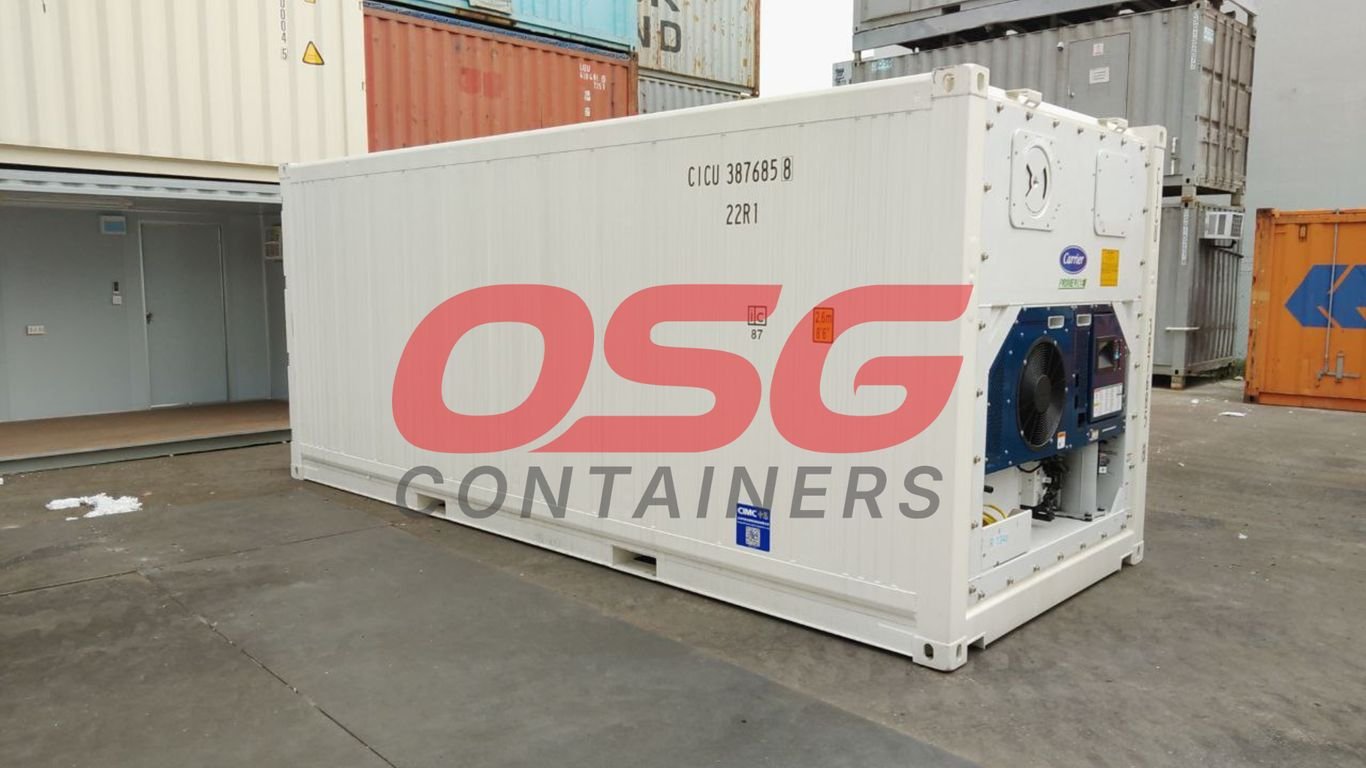
Ever wondered how your fresh produce or medicines stay just right during long trips? It’s all thanks to reefer container technology. These aren’t just metal boxes; they’re like portable refrigerators for big stuff. They use some pretty clever systems to keep things cool, or even warm, no matter what’s happening outside. Let’s break down what makes a reefer container tick.
Key Takeaways
- A reefer container is essentially a shipping container with a built-in refrigeration unit, designed to keep cargo at a specific temperature.
- The core technology involves a compressor, refrigerant, evaporator, and condenser working together to cool the interior space.
- Advanced insulation is key to maintaining the set temperature and reducing the energy needed by the cooling system.
- Modern reefer containers often include sensors and telematics for real-time monitoring and remote control of temperature and humidity.
- Beyond shipping, reefer containers are also used for stationary, climate-controlled storage solutions.
Understanding Reefer Container Technology
Reefer containers, or refrigerated containers, are pretty amazing pieces of engineering. They’re not just metal boxes; they’re basically mobile refrigerators designed to keep things at just the right temperature, whether that’s super cold or just cool. Think about all the fresh fruit, frozen foods, or even medicines that travel across the globe – without these specialized containers, a lot of that wouldn’t be possible.
The Core Refrigeration System
At the heart of every reefer container is its refrigeration unit. This isn’t some simple ice pack situation. It’s a complex system that uses a refrigerant cycle, much like your home fridge but on a much larger and more robust scale. The main parts include a compressor, condenser, and evaporator. The compressor is like the engine, pumping the refrigerant. The condenser releases heat from the refrigerant to the outside air, and the evaporator absorbs heat from inside the container, making it cold. This whole process is what allows reefer containers to maintain precise temperatures, often within a very narrow range, which is critical for preserving the cargo.
Advanced Insulation for Temperature Control
Keeping that temperature stable inside the container is a big job, especially when the outside world is doing its best to mess things up. That’s where advanced insulation comes in. The walls, ceiling, and floor of reefer containers are built with thick, high-quality insulation materials. This acts like a super-thermos, minimizing heat transfer between the inside and the outside. It means the refrigeration unit doesn’t have to work as hard, saving energy and making sure the temperature stays consistent even on long journeys through varying climates. It’s a key part of why these containers are so effective.
Ventilation and Airflow Management
It’s not just about keeping things cold; it’s also about keeping the air moving correctly. Proper ventilation is super important for a few reasons. First, it helps to distribute the cold air evenly throughout the container, so you don’t get hot spots. Second, many types of cargo, especially fresh produce, release gases like ethylene as they ripen. Ventilation systems help to remove these gases, preventing spoilage and extending the shelf life of the goods. Some container reefer units have adjustable ventilation settings to manage this airflow based on the specific needs of the cargo being transported.
How Reefer Containers Maintain Cargo Integrity
Reefer containers are basically giant, mobile refrigerators, and they’re pretty good at their job. They’re designed to keep things like fruits, veggies, medicines, and other temperature-sensitive stuff in tip-top shape, no matter how far they have to travel. It’s all about controlling the environment inside.
Precise Temperature and Humidity Regulation
This is the main event, right? Keeping the temperature exactly where it needs to be is key. Reefers have these fancy refrigeration units that can cool things down or even warm them up, depending on what the cargo needs. We’re talking about keeping things from freezing when they shouldn’t, or staying cold enough to prevent spoilage. Humidity control is also a big deal. Too much moisture can ruin certain products, like electronics or some medicines, while too little can dry out others, like certain baked goods. The systems in these containers work to keep that moisture level just right.
Here’s a quick look at some typical temperature ranges:
| Cargo Type | Temperature Range (°C) | Notes |
|---|---|---|
| Fresh Produce | 0°C to 13°C | Varies by specific fruit or vegetable |
| Frozen Goods | Below -18°C | Seafood and meat often need this |
| Pharmaceuticals | 2°C to 8°C | Critical for many medications and vaccines |
| Ice Cream | Around -25°C | Needs to stay very solid |
Controlled Atmosphere for Extended Shelf Life
Sometimes, just controlling the temperature isn’t enough. For things like fresh fruits and vegetables, the air inside the container can actually affect how quickly they ripen or spoil. Reefers can adjust the mix of gases inside, like reducing oxygen and increasing carbon dioxide. This slows down the natural processes, kind of like putting the produce in slow motion. It means that strawberries can travel from one side of the world to the other and still be pretty fresh when they arrive.
The ability to fine-tune the internal atmosphere, beyond just temperature, is what really sets reefers apart for preserving delicate goods. It’s a more advanced way to keep things fresh for longer periods.
The Role of Air Circulation
Even with the best temperature control, if the cold air isn’t moving around properly, you’ll end up with hot spots and cold spots inside the container. That’s where air circulation comes in. Most reefers have systems that push cold air in from the bottom, letting it flow up and around the cargo. This helps to keep the temperature consistent throughout the entire container. Good airflow also helps manage humidity and prevents stale air from building up, which is important for both the quality of the goods and preventing mold or other issues.
Powering the Reefer Container
Reliable External Power Sources
Reefer containers are pretty power-hungry, and keeping that cooling unit running 24/7 is no small feat. For much of their journey, especially when docked at ports or on specialized ships, they rely on external power. Think of it like plugging in your fridge at home, but on a much larger scale. These containers typically need a robust three-phase power supply, often around 440 volts. Ports and vessels are equipped with the necessary hookups to provide this consistent energy. This direct connection is usually the most energy-efficient way to keep the cargo at its precise temperature, minimizing the need for onboard power generation.
Onboard Generators and Backup Systems
But what happens when a reefer is on the move, like on a truck, or if the external power source hiccups? That’s where onboard generators and backup systems come into play. Many reefers, especially those used for long-haul trucking or in locations without readily available grid power, are fitted with diesel-powered generator sets (often called ‘gen-sets’). These are usually mounted to the container’s frame. They kick in automatically if the external power is lost, acting as a lifeline to maintain the cold chain. Beyond gen-sets, some advanced systems might include battery backups for very short-term power interruptions, giving the system just enough time to switch to another source or for the gen-set to start up. These backup measures are absolutely critical for preventing costly spoilage.
Energy Efficiency Considerations
Keeping things cold all the time uses a lot of energy, so efficiency is a big deal. Manufacturers are always looking for ways to make reefer units use less power. This includes better insulation (which we’ll talk about more later) to keep the cold in and the heat out, and more efficient refrigeration components. Smart power management systems also play a role, optimizing how the unit runs based on the actual cooling needs rather than just running at full blast all the time. When choosing a reefer, looking at its energy consumption ratings can make a significant difference over the container’s lifespan, especially for businesses that use them frequently or for stationary storage.
Smart Technologies in Modern Reefers
Modern reefer containers are way more than just insulated boxes with a cooling unit. They’ve become sophisticated pieces of equipment, packed with tech that keeps a close eye on your cargo. Think of them as smart devices for your goods, constantly communicating and adjusting to keep things just right. This isn’t just about keeping things cold; it’s about providing a whole new level of control and insight into the supply chain.
Real-Time Monitoring and Telematics
This is where things get really interesting. Most new reefers come equipped with telematics systems. These systems use GPS and cellular or satellite connections to send data about the container’s status directly to you, wherever you are. You can track location, sure, but more importantly, you get live updates on:
- Internal Temperature: The most critical piece of data, showing if it’s within the set range.
- Humidity Levels: Important for certain goods like produce or pharmaceuticals.
- Door Open/Close Status: Helps identify potential breaches in the cold chain.
- Reefer Unit Performance: Details on the cooling system’s operation.
This constant stream of information means you’re never in the dark about your shipment’s condition. It’s a huge step up from the old days of just hoping for the best.
Data for Enhanced Supply Chain Visibility
All that data collected by the telematics isn’t just for show. It paints a detailed picture of the entire journey. Logistics managers can see exactly when and where temperature deviations occurred, how long doors were open, and how the reefer unit performed under different conditions. This historical data is gold for improving future operations. For instance, if a particular route consistently shows minor temperature fluctuations, you can investigate why and adjust. This level of detail also helps in managing other types of temperature-sensitive cargo, like those transported in iso tanks, by providing a benchmark for performance.
Alerts for Deviations and Corrective Actions
What good is all this data if you don’t know what to do with it? That’s where the alert systems come in. You can set specific thresholds for temperature, humidity, or other parameters. If the container goes outside these limits, an alert is automatically sent to designated personnel via email or text. This allows for quick intervention. Maybe a technician needs to check the unit, or perhaps the cargo needs to be moved to a different container. Being able to react fast can save a shipment from being ruined. It transforms the reefer from a passive container into an active participant in maintaining cargo integrity.
The integration of smart technology transforms reefer containers into intelligent assets. They provide not just transport, but also a continuous, verifiable record of environmental conditions, which is vital for compliance and quality assurance. This proactive approach minimizes risks associated with perishable goods and complex logistics.
Applications and Versatility of Reefer Containers
Reefer containers are way more than just boxes for shipping frozen fish, you know. They’ve become super handy for all sorts of jobs, way beyond just the usual cold chain stuff. Think of them as portable, climate-controlled rooms that can go pretty much anywhere.
Beyond Traditional Cold Chain Logistics
Sure, keeping food fresh on its way to the grocery store is a big deal for reefers. But their ability to hold a steady temperature, whether it’s cold or even a bit warmer, opens up a lot of other possibilities. We’re talking about things like:
- Pharmaceuticals: Many medicines and vaccines need to stay within a very specific temperature range to remain effective. Reefers provide that reliable environment.
- Chemicals: Certain industrial chemicals can degrade or become unstable if exposed to extreme temperatures during transport or storage.
- Art and Antiques: Delicate items might need protection from humidity and temperature fluctuations that could cause damage over time.
- Specialty Foods: Beyond everyday groceries, think about high-end chocolates, specific types of wine, or even flowers that need precise conditions.
These containers are incredibly adaptable, making them a go-to for businesses needing controlled environments without building permanent structures.
Stationary Climate-Controlled Storage
Sometimes, you just need extra space to keep things cool (or warm) for a while, and building a whole new warehouse isn’t practical. That’s where reefers shine as temporary or even semi-permanent storage solutions. They’re perfect for:
- Seasonal Peaks: Retailers might need extra cold storage during holidays or busy seasons.
- Event Catering: Large events often require temporary refrigeration for food and beverages.
- Disaster Relief: Providing emergency cold storage for food and medical supplies after a natural disaster.
- Research Projects: Labs might need to store samples at specific temperatures for extended periods.
The beauty of using a reefer for stationary storage is its plug-and-play nature. You don’t need complex installation; just find a suitable spot, connect it to a power source, and it’s ready to go. This makes them a really flexible option for businesses of all sizes.
Adaptability for Diverse Cargo Needs
Reefers come in different sizes, most commonly 20-foot and 40-foot high cube models. This variety means you can pick the right size for your load, whether it’s a small batch of specialty items or a massive shipment of produce. They can be set to a wide range of temperatures, from well below freezing to just above room temperature, and some can even maintain specific humidity levels. This flexibility means that whatever your temperature-sensitive cargo, there’s likely a reefer setup that can handle it.
Key Components of a Reefer Unit
The Compressor and Refrigerant Cycle
The heart of any reefer unit is its refrigeration system, and at the center of that is the compressor. Think of it as the engine that drives the whole cooling process. It takes a low-pressure refrigerant gas and squeezes it, turning it into a high-pressure, hot gas. This high-pressure gas then moves on to the next stage.
This refrigerant is a special fluid that easily changes between liquid and gas states. It’s this change of state that allows it to absorb and release heat. The whole cycle is a continuous loop: compress, condense, expand, and evaporate. It’s a pretty neat bit of engineering that keeps things cold, or even warm, depending on what the cargo needs.
Evaporator and Condenser Functions
After the compressor does its work, the hot, high-pressure refrigerant gas heads to the condenser. This is where the magic of heat exchange really happens. The condenser’s job is to release the heat from the refrigerant into the outside air. As it cools down, the refrigerant changes from a gas back into a high-pressure liquid. You can often feel the warm air being blown off from the outside unit – that’s the condenser at work.
Next, this high-pressure liquid refrigerant travels to the evaporator, which is located inside the container. Here, it passes through an expansion valve, causing a sudden drop in pressure. This pressure drop makes the refrigerant boil and evaporate at a much lower temperature, absorbing heat from the air inside the container. This is what cools the cargo. The now low-pressure, cool gas then cycles back to the compressor to start the process all over again. This constant circulation is what maintains the precise temperature required for the cargo.
Sensors and Control Systems
Modern reefer units aren’t just mechanical marvels; they’ve got brains too, thanks to sophisticated sensors and control systems. These aren’t just simple thermostats like you might have at home. We’re talking about sensors that constantly measure temperature, humidity, and sometimes even the levels of gases like oxygen and carbon dioxide inside the container.
These sensors feed data back to a control unit, which is essentially the reefer’s computer. Based on the readings and the pre-set temperature and atmosphere requirements for the cargo, the control system makes tiny adjustments to the refrigeration unit. It might ramp up the cooling, adjust airflow, or even signal for ventilation if needed. This automated management is key to keeping sensitive goods in perfect condition.
- Temperature Sensors: Accurately gauge the internal air temperature.
- Humidity Sensors: Monitor the moisture content in the air.
- CO2/O2 Sensors: Used in controlled atmosphere (CA) units to manage gas levels.
- Control Panel: Allows operators to set parameters and view system status.
The interplay between the mechanical cooling components and the electronic control systems is what allows reefer containers to achieve such tight temperature and atmospheric control. It’s a delicate balance that ensures everything from fresh fruit to vital medicines stays in optimal condition during its journey.
Operational Considerations for Reefer Containers
Using reefer containers isn’t just about plugging them in and forgetting about them. There’s a bit more to it if you want your cargo to arrive in the best possible shape. It really comes down to managing the temperature, how you load and unload, and just generally keeping an eye on things.
Managing Temperature Ranges for Different Goods
Different products need different temperatures. You wouldn’t store ice cream the same way you’d store fresh produce, right? Reefers can handle a wide range, but you’ve got to set it correctly. For example, frozen goods might need to be kept at -18°C (0°F), while some fresh fruits might do best around 2°C (36°F). Getting this wrong can ruin a whole shipment. It’s not just about setting a number; it’s about understanding what your specific cargo needs to stay fresh or frozen.
Here’s a quick look at some common temperature ranges:
- Frozen Foods: Typically -18°C to -25°C (0°F to -13°F)
- Dairy & Meats: Usually 0°C to 4°C (32°F to 39°F)
- Fresh Produce: Varies widely, often 1°C to 10°C (34°F to 50°F)
- Pharmaceuticals: Can range from 2°C to 8°C (36°F to 46°F), or even colder for specific items.
Best Practices for Loading and Unloading
This is where things can get tricky. Every time you open the door, you let the outside air in, and that messes with the temperature inside. Minimizing door opening time is key. When loading, try to do it quickly and efficiently. If possible, pre-cool the container before you start loading. For unloading, the same applies – get the cargo out fast. It’s also a good idea to make sure the cargo is properly stacked and secured so air can circulate around it, and nothing gets damaged.
Addressing Common Operational Challenges
Stuff happens, and with reefers, it often involves the cooling unit. Equipment malfunctions are a big worry. A compressor failure or a power issue mid-transit can be a disaster. That’s why regular maintenance and inspections before a trip are so important. You also have to think about the logistics – making sure there’s power available at different points if the container needs to be plugged in, especially for long journeys or storage. It’s a complex dance to keep everything running smoothly.
The technology inside a reefer is designed to maintain a set temperature, not necessarily to change a drastically different temperature quickly. This means starting with cargo that’s already at the correct temperature is a big part of the process. Trying to cool down warm goods inside the container can take a very long time and put a lot of strain on the unit.
Wrapping It Up
So, there you have it. Reefer containers are pretty neat pieces of tech, aren’t they? They’re basically giant, mobile refrigerators that keep all sorts of stuff, from your morning fruit to important medicines, from going bad while they travel the globe. It’s not just about keeping things cold, though; it’s a whole system of insulation, airflow, and power working together. Plus, with all the smart tech these days, we can keep a close eye on everything. It’s kind of amazing how these containers help make sure we get fresh food and other temperature-sensitive items reliably. They really are a big deal for how we get things today.
Frequently Asked Questions
What exactly is a reefer container?
A reefer container, which stands for refrigerated container, is like a giant, portable refrigerator. It’s a special kind of shipping box designed to keep things cold (or sometimes warm!) inside, no matter what the weather is like outside. This is super important for shipping foods, medicines, and other items that can spoil if the temperature changes.
How does a reefer container keep things cold?
Inside a reefer container, there’s a cooling system, kind of like the one in your fridge but much bigger and stronger. It uses a special liquid called refrigerant that moves around in a cycle. This cycle pulls the heat out of the container and releases it outside, making the inside nice and cold. It also has thick, insulated walls to keep the cold air in and the warm air out.
Can reefer containers also keep things warm?
Yes, they can! While we usually think of them for keeping things cold, reefer containers can actually be set to maintain a wide range of temperatures. This means they can be used to keep sensitive items from freezing, or even to transport things that need to be kept at a specific warmer temperature.
What kind of things are shipped in reefer containers?
Lots of things that need to stay at a steady temperature! This includes fresh fruits and vegetables, frozen foods like ice cream and meat, dairy products, and even important medicines and vaccines that can lose their effectiveness if they get too warm or too cold.
How do reefer containers get power?
Reefer containers need electricity to run their cooling systems. They usually get this power from a connection to a ship, a truck, or a building’s power supply. Sometimes, especially when they’re on the move or in places without easy access to power, they use a special generator that runs on fuel to keep the power going.
Are reefer containers smart?
Many modern reefer containers are very smart! They have sensors that constantly check the temperature and humidity inside. This information can be sent wirelessly to people who are watching the shipment, so they know right away if something is going wrong and can fix it before the cargo is damaged. It’s like having a remote control for your cold cargo!