Singapore
 Australia
 Indonesia
 Japan
Japan Malaysia
 New Zealand
 Philippines
 South Korea
 Taiwan
 Thailand
 VIETNAM
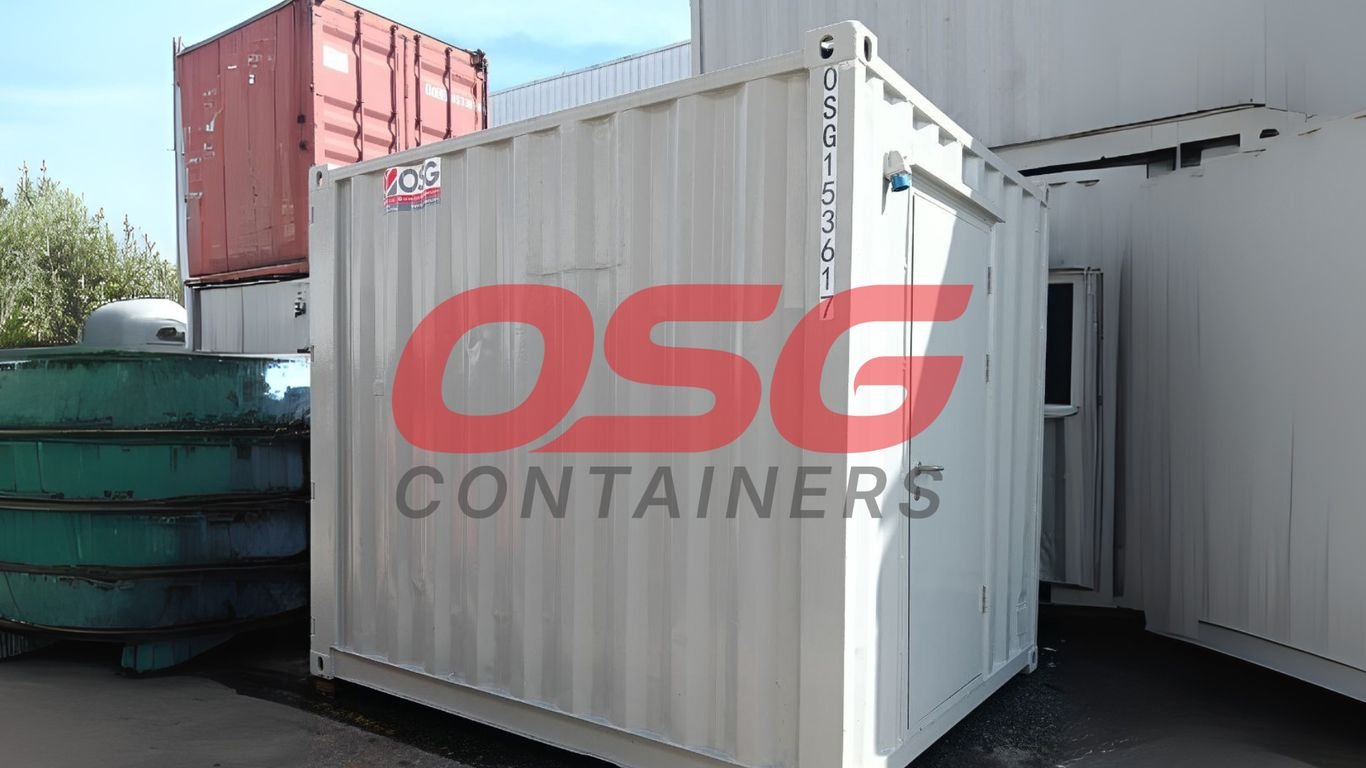
You’ve probably seen those big metal boxes moving around on ships, trains, and trucks. Those are likely ISO tanks, and they’re pretty important for moving liquids and gases all over the place. They aren’t just random containers; they’re built to some pretty specific rules, which is what the “ISO” part means – they follow guidelines from the International Organization for Standardization. This standardization is a big deal because it means they can be handled by almost any standard shipping equipment, making global transport way simpler. But when you’re moving stuff, especially potentially risky materials, safety is always the main thing to think about. Let’s get into what makes these iso tank containers safe and how we keep them that way.
Key Takeaways
- ISO tank containers are built to strict international standards, making them strong, reliable, and easily handled by standard equipment worldwide.
- Built-in safety features, like pressure relief valves, are there to stop dangerous pressure build-ups or prevent the tank from collapsing.
- Regular checks, proper loading and unloading, and keeping an eye on pressure and temperature are vital for safe operation.
- Following all the rules, labeling things correctly, and making sure cargo won’t react badly with the tank or previous loads is super important.
- Well-trained staff, having a plan for emergencies, regular maintenance, and secure storage all contribute to keeping iso tank containers safe.
Understanding ISO Tank Design And Construction
So, you’ve seen these big metal boxes zipping around on ships, trains, and trucks, right? Those are likely ISO tank containers, and they’re pretty neat pieces of engineering for moving liquids and gases around the globe. They aren’t just random containers; they’re built to very specific standards, which is what the "ISO" part means – they follow rules set by the International Organization for Standardization. This standardization is a big deal because it means they can be handled by pretty much any standard shipping equipment, making global transport a lot simpler. While many are built to the standard 20-foot dimensions, you’ll also find larger options, including those that can be equivalent to a 40 ft container in volume, sometimes referred to as a 40footer container or even a 40ft high cube container if they have extra height.
The Role Of The International Organization For Standardization
The International Organization for Standardization, or ISO, is the outfit that sets the rules for these tanks. Think of them as the global rulebook writers. They create standards that make sure these tanks are built the same way, no matter where they’re made. This means a tank built in Germany can be handled just like one built in Japan, using the same cranes and securing gear. It’s all about making things predictable and safe for moving stuff all over the world.
Key Components Of ISO Tank Standards Compliance
Meeting ISO standards isn’t just about the tank itself; it’s a whole package. You’ve got to have the right paperwork, like certificates showing it was built correctly and has passed all its checks. Then there are the physical bits, like making sure the tank can handle the pressure it’s supposed to and that all the valves and seals are top-notch. It’s a system designed to keep things from going wrong.
- Documentation: This includes manufacturer certificates, inspection reports, and safety data sheets for the product being carried.
- Structural Integrity: The tank must meet specific strength and pressure ratings.
- Component Quality: All valves, seals, and fittings must be approved and in good working order.
- Markings: Proper labels and stamps indicating compliance are required.
Materials Used In ISO Tank Construction
What goes into making an ISO tank is pretty important. The inside part, the actual tank that holds your product, is usually made from stainless steel. This stuff is strong and doesn’t easily rust or react with chemicals, which is good for keeping things pure, especially if you’re moving food or medicine. Around that, you’ll often find insulation to keep the temperature steady, and then an outer shell, maybe aluminum, to protect everything. Finally, it all sits in a sturdy steel frame that looks like a regular shipping container, so it can be handled by standard equipment.
| Component | Typical Material | Purpose |
|---|---|---|
| Inner Vessel | Stainless Steel | Holds product, resists corrosion |
| Insulation | Polyurethane Foam | Temperature control |
| Outer Shell | Aluminum or Steel | Protection from external damage |
| Frame | Carbon Steel | Structural support, handling compatibility |
Design Specifications: What ISO Requires
ISO standards lay out the nitty-gritty details for how these tanks should be built. They specify things like the maximum pressure the tank can handle, how strong the frame needs to be, and the types of valves and safety devices that must be included. For example, there are rules about the size and type of manholes and how the valves should be designed to prevent leaks. These specifications are all about making sure the tank can do its job safely, even when it’s being moved around the world. They also cover things like the tank’s capacity and dimensions to ensure it fits with global transport systems.
The design of an ISO tank is a careful balance between holding capacity, temperature control, and the ability to withstand the rigors of global transportation. Every material choice and structural element is considered to ensure the safe and efficient movement of bulk liquids and gases. These tanks are built tough. They have to be able to handle being stacked high on a ship, jostled on a train, and moved around by forklifts. The materials used are selected not just for strength but also for their ability to resist corrosion from whatever they’re carrying, and to keep the contents pure, especially for food or pharmaceutical products. It’s a whole system designed for reliability.
Essential Safety Features Of ISO Tanks
ISO tanks are built with a bunch of safety stuff to make sure they don’t cause problems. It’s not just about holding liquids or gases; it’s about doing it safely, no matter where they go.
Critical Safety Devices For Pressure Management
These tanks have smart gadgets to handle pressure changes. The main one is the Pressure/Vacuum Relief Valve, or P/V valve. This thing is pretty neat – it pops open on its own if the pressure inside gets too high, maybe from the sun heating it up, or if it drops too low, which could make the tank get squished. It’s a really big deal for stopping accidents.
Then there’s the airline valve. This isn’t for you to breathe! It’s used to add air or another gas into the tank. Sometimes, you need a little push to get the product out when you’re unloading. It helps with controlled discharge.
These devices are often grouped together, sometimes in a protective box, making them easier to check. They are absolutely vital for safe operation.
Valve and Seal Integrity
Valves and seals are super important for keeping ISO tank containers safe. If a valve is bad or a seal is broken, it can lead to leaks. Leaks are bad news for both the environment and people.
- Regular Checks: Make sure to check all valves and seals often. It should be part of your normal routine.
- Fix Issues Fast: If you see any wear or damage, fix it right away. Don’t wait.
- Use Good Parts: When you need to replace something, only use high-quality parts. Cheap parts can cause more problems later.
Structural Integrity and Pressure Ratings
ISO tanks are tested for pressure when they’re made and then again later on. They have to meet specific limits for both inside and outside pressure, with safety margins built in. This means they’re built to handle a lot more than they’ll likely ever experience.
The design of an ISO tank is a careful balance between holding capacity, temperature control, and the ability to withstand the rigors of global transportation. Every material choice and structural element is considered to ensure the safe and efficient movement of bulk liquids and gases. These tanks are built tough. They have to be able to handle being stacked high on a ship, jostled on a train, and moved around by forklifts.
Think about it: a tank might be carrying something that could react if the pressure is off, or it might be traveling through extreme heat. The structural design and the pressure ratings are there to prevent any dangerous situations from developing, keeping the contents stable and secure. Even the way they are loaded and unloaded, often near a guard house for oversight, is part of this safety chain.
ISO Tank Testing And Inspection Protocols
So, you’ve got an ISO tank, maybe even a specialized reefer refrigerated container for keeping things frosty. But just having one isn’t enough, right? You’ve got to make sure it’s actually safe and sound to use. That’s where testing and inspections come in. Think of it like getting your car’s annual inspection – it’s not fun, but it’s necessary to avoid bigger headaches down the road.
Hydrostatic Testing
This is a big one. Basically, they fill the tank with water (or another liquid) and then pump it up to a pressure that’s higher than what it’s normally supposed to handle. This checks if the tank’s shell and seams can take the strain without leaking or, you know, bursting. It’s a pretty standard procedure for making sure the tank’s structure is solid.
Leak Testing
After the hydrostatic test, or sometimes as a separate step, they’ll check for any leaks. This can involve using air pressure and a soapy water solution to spot even tiny bubbles, or sometimes they use special gases. The goal here is simple: no leaks allowed, especially if you’re carrying anything hazardous. Even a small drip can turn into a major problem.
Periodic Inspection Intervals
ISO tanks aren’t a ‘set it and forget it’ kind of deal. They need regular check-ups. Generally, you’re looking at an intermediate inspection every 2.5 years and a more thorough periodic inspection every 5 years. The exact timing can depend on what you’re hauling and where you’re shipping it, but sticking to these schedules is key for compliance and safety. Missing an inspection can lead to all sorts of trouble.
Vacuum Testing
This test is more about checking the tank’s ability to hold a vacuum, which is important for certain types of cargo or for ensuring the integrity of the tank’s structure under different pressure conditions. It’s another way to confirm that the tank is sealed up tight and can handle various operational stresses.
Keeping up with these tests and inspections isn’t just about ticking boxes. It’s about preventing spills, protecting the environment, and making sure that everyone involved in the transport chain stays safe. Plus, it keeps you on the right side of the law, which is always a good thing.
Here’s a quick rundown of what’s typically checked:
- External Visual Inspection: Looking for dents, rust, damage to the frame, and the condition of any coatings.
- Internal Visual Inspection: Checking for corrosion, residue, or damage inside the tank.
- Valve and Fitting Check: Making sure all valves, seals, and connections are in good working order and not worn out.
- Safety Device Functionality: Testing pressure relief valves and other safety gadgets to confirm they operate correctly.
- Documentation Review: Verifying that all inspection certificates and maintenance records are up-to-date.
Ensuring ISO Tank Standards Compliance
So, you’ve got your ISO tank, and it looks pretty solid. But just looking good isn’t enough, right? Making sure it actually meets all those ISO standards is a whole other ballgame. It’s not just about ticking boxes; it’s about keeping things safe and making sure your cargo gets where it needs to go without any nasty surprises. Think of it as the ultimate quality check for your shipping container.
Documentation for ISO Tank Compliance
This is where you prove your tank is up to snuff. You’ll need a few key papers. First off, the Manufacturer’s Certificate is like the tank’s birth certificate, showing it was built to spec. Then there are the Safety Data Sheets (SDS) for whatever you’re hauling – super important for knowing what you’re dealing with. And don’t forget the Inspection Certificates; these show the tank has passed its regular check-ups. Without the right paperwork, your tank might as well be a fancy paperweight.
Compliance Labels and Stamps
These are the badges of honor your tank wears. You’ll see specific labels and stamps on the tank itself. These aren’t just for show; they tell everyone – from inspectors to port workers – that the tank meets certain standards. It’s like a quick ID card for the container. If these are missing, faded, or look tampered with, that’s a red flag.
Common Non-Compliance Issues
What goes wrong? Well, sometimes inspection certificates are just plain missing or they’ve expired. Other times, the tank might have some damage, like rust, or someone’s gone and made unauthorized changes to it, which is a big no-no. Improper labeling is another common headache. Basically, anything that deviates from the original design or the required checks can land you in trouble.
How to Maintain ISO Tank Standards Compliance
Keeping your tank compliant isn’t a one-time thing. It’s an ongoing effort. Regular inspections are a must – think of them like your car’s MOT. You also need to make sure the folks handling the tanks are properly trained. Keeping all your documentation up-to-date is key, and always use approved parts and repair methods if anything needs fixing. It’s a system, and you have to keep the system running smoothly.
Regulatory Frameworks Governing ISO Tanks
So, you’ve got your ISO tank all set up, designed and built to spec. But that’s only part of the story. Getting your tank from point A to point B, especially across borders, means you’ve got to play by a whole bunch of rules. It’s not just about the ISO standards themselves; there are other layers of regulations you need to be aware of.
ISO Tank Standards Compliance in the US and EU
When your ISO tank is crossing the pond or just moving around within these major economic zones, you’re looking at specific sets of rules. In the United States, the Department of Transportation (DOT) has its own set of requirements for transporting hazardous materials, which includes tanks. Over in the European Union, things are a bit more spread out, but the ADR (European Agreement concerning the International Carriage of Dangerous Goods by Road) is the big one for road transport. These aren’t just suggestions; they’re legally binding and cover everything from how the tank is built to how it’s labeled and handled.
Understanding IMDG, ADR, and DOT Standards
These acronyms are pretty important if you’re moving stuff around internationally. The IMDG Code (International Maritime Dangerous Goods) is your go-to for anything going by sea. It’s designed to prevent pollution of the marine environment. Then you’ve got the ADR for road transport in Europe, which is pretty detailed about vehicle requirements, driver training, and what you can carry. And as mentioned, the DOT regulations in the US are what you need to follow for any transport within the States, especially for hazardous goods. Each of these frameworks often builds upon or complements the basic ISO tank standards, adding specific requirements for safety, documentation, and emergency response.
Third-Party Inspection Bodies and Certification
Because all these rules can get complicated, and because safety is such a big deal, independent groups often step in. You’ll find organizations like Bureau Veritas, DNV, or Lloyd’s Register. These aren’t part of the government or the tank manufacturer; they’re third-party inspectors. Their job is to check your tank, make sure it meets all the relevant ISO and regulatory standards, and then issue a certificate. Having this certification is usually a requirement for shipping, especially internationally. It’s like a stamp of approval that says, ‘Yep, this tank is good to go.’
Navigating the various regulatory landscapes can feel like a maze. It’s vital to understand that compliance isn’t a one-size-fits-all situation. What’s acceptable in one region or for one mode of transport might not be for another. Staying on top of these specific rules is key to avoiding delays, fines, and, most importantly, accidents.
Operational Best Practices For ISO Tanks
The Importance Of ISO Tank Storage
When these big metal tanks, often seen as just another type of shipping container, aren’t actively moving goods, how and where they’re stored is a really big deal. It’s not just about finding an empty spot; it’s about keeping the tank, its contents, and the area around it safe. Think of it like parking your car – you wouldn’t just leave it anywhere, right? ISO tanks need a proper home too.
- Secure Locations: Tanks should be kept in areas that are locked down and well-ventilated. This helps stop damage and keeps things from getting mixed up with other stuff. If you’re dealing with tricky chemicals, places with barriers and temperature control are even better.
- Regular Check-ups: Just like a car needs oil changes, these tanks need regular looks. This means checking for rust, dents, or any damage to the frame. You also want to make sure all the valves and seals are in good shape. It’s all about catching small problems before they blow up.
- Record Keeping: Keeping track of what’s been done to the tank – inspections, repairs, what it carried – is super important. This history helps plan future work and shows you’re following the rules.
How To Transport ISO Tanks
Moving these tanks from one place to another, whether by ship, train, or truck, needs careful planning. It’s more than just loading them onto a flatbed. These aren’t your average ship containers; they’re specialized for bulk liquids and gases, and that means extra steps.
- Pre-Trip Check: Before it even moves, the tank needs a good inspection. This confirms it’s ready for the journey and meets all the safety rules for what it’s carrying.
- Careful Loading: Getting the tank onto the transport vehicle requires the right gear and know-how. The goal is to load it securely without any leaks or spills. This often involves using pumps and hoses to get the product in or out safely.
- Secure During Transit: Once loaded, the tank needs to be tied down properly. This stops it from shifting around, which could cause damage or accidents.
Safety first is the name of the game when moving ISO tanks. Every step, from the initial check to the final tie-down, is designed to prevent leaks, protect the cargo, and keep everyone involved safe. It’s a system built for reliability and peace of mind.
Training Requirements For ISO Tank Operators
Anyone who works with ISO tanks, from loading them to driving them, needs to know their stuff. It’s not a job for someone just winging it. Proper training means they understand the risks and how to handle them.
- Product Knowledge: Operators need to know what they’re carrying. Different liquids and gases have different properties and require different handling procedures. Knowing the Safety Data Sheet (SDS) for the product is key.
- Equipment Familiarity: They must be comfortable with the tank’s features, like the valves, pressure gauges, and emergency release systems. Knowing how to use them correctly, and when, is vital.
- Emergency Response: What happens if something goes wrong? Training should cover what to do in case of a leak, spill, or other emergency. This includes knowing who to call and how to use safety gear.
- Regulatory Awareness: Understanding the rules – like IMDG for sea transport, ADR for road in Europe, or DOT in the US – is also part of the job. These rules dictate how tanks are handled and transported.
The Broader Impact Of ISO Tank Compliance
Environmental Impact of ISO Tank Standards Compliance
When we talk about ISO tank standards, it’s easy to get caught up in the technical details of pressure ratings and valve types. But there’s a bigger picture here, and it’s pretty important for the planet. These tanks are designed to be tough and leak-proof, which means fewer nasty spills and emissions getting out into the environment. Think about it: less hazardous material seeping into the ground or water. Plus, ISO tanks are built for the long haul and can be used over and over. This cuts down on the need for single-use containers, which is a win for reducing waste and the overall carbon footprint of shipping.
How ISO Tank Standards Compliance Supports Global Trade
In today’s world, moving goods across borders is how business gets done. ISO tank compliance is like a universal passport for these containers. When a tank meets these international standards, it’s recognized and accepted pretty much everywhere. This makes things move a lot faster at ports and customs. No one wants delays, especially when you’re trying to get products to customers on time. Having compliant tanks means smoother customs checks, easier international deals, and generally more trust between trading partners. It’s a key piece of the puzzle for keeping global supply chains running.
Safety Hazards of Non-Compliant ISO Tanks
Ignoring ISO tank standards isn’t just a paperwork problem; it’s a serious safety risk. A tank that doesn’t meet the requirements could fail under pressure, leading to leaks or even explosions. This can cause:
- Major environmental damage from spills.
- Dangerous chemical reactions.
- Fires or explosions, putting lives at risk.
- Significant legal trouble, including fines and being banned from transport.
The consequences of a non-compliant tank can ripple outwards, affecting not just the immediate parties involved but also the wider community and environment. It’s a chain reaction of potential problems that starts with cutting corners on safety standards.
It’s not worth the risk, plain and simple. Sticking to the standards is the only sensible way to operate.
Wrapping It All Up
So, keeping these ISO tanks safe isn’t just a one-time thing; it’s an ongoing effort. It really boils down to following the rules, doing those pre-trip checks diligently, and making sure everything is loaded and unloaded right. Paying attention to pressure and temperature, keeping valves and seals in good shape, and just generally staying on top of maintenance are all big parts of the puzzle. Plus, knowing what the regulations say and making sure everyone handling these tanks knows their stuff is super important. When we all do our part, we can move all sorts of materials, hazardous or not, without unnecessary risks to people or the planet. It’s not just about meeting today’s rules, but about making sure we’re ready for whatever comes next in safe transport.
Frequently Asked Questions
What exactly is an ISO tank container?
An ISO tank container is like a big, strong metal box on the outside, but inside it’s a special tank built to safely carry liquids, gases, or powders. The ‘ISO’ part means it’s made according to international rules, so it can be easily moved around the world on ships, trains, and trucks using regular equipment.
Why are ISO tanks built so strong?
These tanks need to be super tough because they travel long distances and go through a lot of handling. They’re made from sturdy materials like stainless steel to resist damage, prevent leaks, and keep the stuff inside pure, especially if it’s food or medicine. They also have to handle being stacked high and moved by heavy machinery.
What safety gadgets do ISO tanks have?
ISO tanks have built-in safety devices like pressure relief valves. These automatically open if the pressure inside gets too high or too low, which helps prevent dangerous situations like the tank bursting or collapsing.
How often do ISO tanks need to be checked?
ISO tanks need to be inspected regularly. Typically, they have an intermediate check every 2.5 years and a more thorough check every 5 years. The exact timing can depend on what they carry and where they travel.
What happens if an ISO tank isn’t compliant with the rules?
If a tank doesn’t meet the standards, it might not be allowed to travel. It could also lead to fines, and more importantly, it could be unsafe, risking spills, accidents, or even fires and explosions.
Who is responsible for making sure an ISO tank follows the rules?
Both the owner of the tank and the people who use it share the responsibility. This means regular checks, keeping good records, and making sure everyone handling the tank knows what they’re doing are all really important.