Singapore
 Australia
 Indonesia
 Japan
Japan Malaysia
 New Zealand
 Philippines
 South Korea
 Taiwan
 Thailand
 VIETNAM
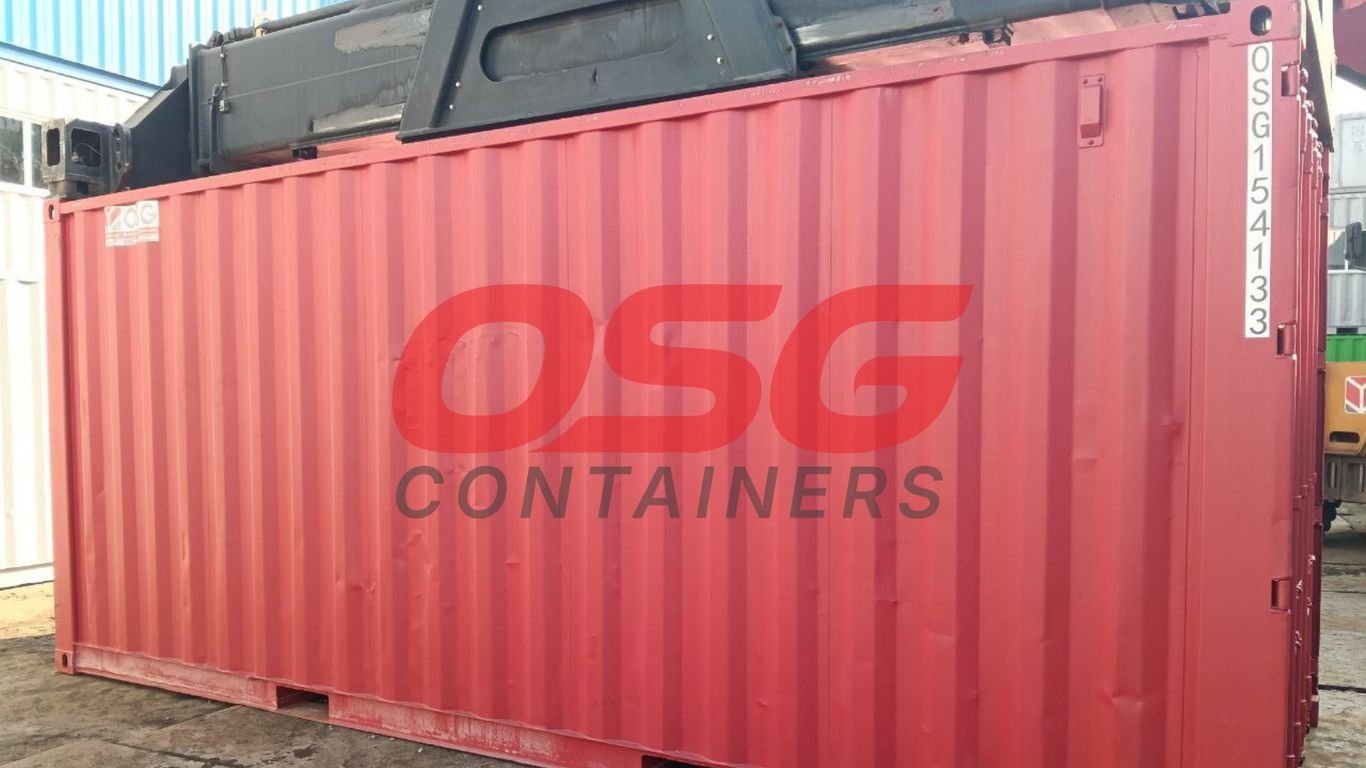
Thinking about moving liquids or bulk materials around? You might have heard about ISO tanks, and for good reason. These big metal containers are everywhere in shipping, but what exactly makes them tick? They’re not just giant barrels on frames; there’s a lot more to them. This guide will break down what an iso tank is, why they’re so useful, and how they get from point A to point B safely. We’ll cover their parts, how to store them, and what happens to them over time. Get ready to learn all about these workhorses of the transport world.
Key Takeaways
- ISO tanks are standardized, reusable containers for bulk liquid transport via ship, train, or truck.
- Their design, often based on 20-foot shipping container dimensions, allows for easy handling with standard equipment.
- Key external parts like loading and discharge valves are vital for safe and efficient operation.
- Proper storage and regular maintenance are critical for the integrity and safety of the iso tank and its contents.
- Transporting an iso tank requires strict adherence to inspection, certification, and documentation procedures.
Understanding ISO Tank Design And Construction
So, you’ve seen these big metal boxes on ships, trains, and trucks, right? Those are likely ISO tanks, and they’re pretty neat pieces of engineering for moving liquids and gases around the world. They aren’t just random containers; they’re built to very specific standards, which is what the "ISO" part means – they follow rules set by the International Organization for Standardization. This standardization is a big deal because it means they can be handled by pretty much any standard shipping equipment, making global transport a lot simpler.
The Manufacturing Process Of ISO Tanks
Making an ISO tank is a bit more involved than just welding some metal together. It all starts with the inner vessel, the part that actually holds your product. This is usually made from stainless steel because it’s strong and doesn’t tend to react with a lot of different chemicals or food products, which is a plus for keeping things pure. After the inner tank is formed, it gets wrapped in insulation. This layer is important for keeping the contents at a steady temperature, whether that means keeping something cool or warm. On the outside of the insulation, there’s a protective shell, often made from aluminum, to shield the whole thing from bumps and scrapes. Finally, this whole tank assembly is fitted into a strong frame, usually a 20-foot long steel structure, that looks like a standard shipping container. This frame is what allows it to be lifted by cranes and secured onto ships or trains.
Essential External Components Of ISO Tanks
While the inner tank is where the goods go, the outside has some really important bits that make it all work. You’ve got your top loading valve, which is pretty much the entry point for filling the tank. Then, at the very bottom, there’s the discharge valve – the exit for your cargo. These valves need to be super reliable and seal up tight to prevent any leaks during transit. There are also various connections and fittings for safety devices and for connecting hoses during loading and unloading. The frame itself is also a key external component, providing the structure for handling and transport.
Key Features And Materials Used
Most ISO tanks are built to fit the standard dimensions of a 20-foot shipping container, meaning they’re about 20 feet long, 8 feet wide, and 8.5 feet tall. This makes them easy to stack and move with existing port and transport infrastructure. The primary material for the inner tank is typically food-grade stainless steel (like 316L), chosen for its resistance to corrosion and its inert nature. For the outer shell, aluminum is common because it’s lighter than steel and also resists corrosion. Insulation materials vary, but polyurethane foam is frequently used. Some specialized tanks might use different materials depending on the specific cargo they’re designed to carry, like carbon steel for certain chemicals or tanks with special linings.
| Component | Material (Common) | Function |
|---|---|---|
| Inner Vessel | Stainless Steel | Holds the liquid or gas |
| Insulation | Polyurethane Foam | Maintains temperature |
| Outer Shell | Aluminum | Protects the inner vessel and insulation |
| Frame | Steel | Provides structural integrity for handling |
| Valves & Fittings | Stainless Steel | Control flow, safety, and connections |
The design of an ISO tank is a careful balance between holding capacity, temperature control, and the ability to withstand the rigors of global transportation. Every material choice and structural element is considered to ensure the safe and efficient movement of bulk liquids and gases.
These tanks are built tough. They have to be able to handle being stacked high on a ship, jostled on a train, and moved around by forklifts. The materials used are selected not just for strength but also for their ability to resist corrosion from whatever they’re carrying, and to keep the contents pure, especially for food or pharmaceutical products. It’s a whole system designed for reliability.
Safety Features And Regulatory Compliance
Critical Safety Devices For Pressure Management
ISO tanks are built with several safety gadgets to keep things from getting out of hand, especially when dealing with liquids or gases that can build up pressure. The most important one is the Pressure/Vacuum Relief Valve, often called a P/V valve. This thing is pretty smart; it automatically opens up if the pressure inside the tank gets too high, like if the contents expand due to heat, or if the pressure drops too low, which could cause the tank to collapse. It’s a real lifesaver, preventing potential explosions or implosions.
Another component you’ll often find is the airline valve. This isn’t for breathing, but it’s used to introduce air or another gas into the tank. Why? Well, sometimes you need a bit of pressure to help push the product out when you’re unloading. It’s all about controlled discharge.
These devices are usually grouped together, sometimes in a little protective housing, making them easy to check and maintain. They are absolutely vital for safe operation.
Documentation And Regulatory Adherence
Moving ISO tanks isn’t just about having the right truck or ship; it’s also about having the right paperwork. Think of it like getting ready for an international trip – you need your passport, visas, and all that. For ISO tanks, this means a whole stack of documents.
- Inspection Certificates: Every tank needs proof it’s been checked and is safe to use. This includes details about its last inspection and when the next one is due.
- Cargo Declarations: If you’re carrying anything hazardous, you need to declare it clearly. This tells everyone involved exactly what’s inside and what precautions to take.
- Shipping Papers: These are the basic documents that track the cargo from start to finish, including who sent it, who it’s going to, and its route.
- Regulatory Approvals: Depending on where the tank is going and what it’s carrying, there might be specific international or national rules it needs to meet. This could be anything from UN certifications for dangerous goods to specific food-grade approvals.
Keeping all this documentation in order is non-negotiable. It’s what regulators look for, and it proves you’re serious about safety and following the rules. Missing even one piece of paper can lead to big delays, fines, or even the rejection of your shipment. It’s a lot of detail work, but it’s what keeps everything moving smoothly and legally.
Operational Safety And Maintenance Protocols
Once an ISO tank is in use, keeping it safe is an ongoing job. It’s not a ‘set it and forget it’ kind of deal. Regular checks and proper handling are key to making sure it stays in good condition and doesn’t become a hazard.
- Loading and Unloading: These steps need trained personnel and the right equipment. Overfilling or improper connections can cause spills or damage. Always follow the specific procedures for the product being handled.
- Securing for Transport: When the tank is on a truck, train, or ship, it has to be locked down tight. Twist locks and other restraints are used to stop it from shifting during transit, which could be disastrous.
- Routine Inspections: Before and after each trip, a visual check is a must. Look for any dents, leaks, corrosion, or damage to valves and fittings. This helps catch small problems before they become big ones.
- Scheduled Maintenance: Beyond daily checks, tanks need more in-depth inspections and maintenance at set intervals, usually dictated by regulations. This might involve pressure testing, checking seals, and servicing safety devices. It’s like getting your car’s oil changed – you do it to prevent breakdowns.
Adhering to these protocols is what ensures the tank remains a reliable and safe way to transport goods, protecting both the cargo and the people involved.
Applications And Versatility Of ISO Tanks
ISO tanks are pretty amazing when you think about how many different things they can haul. They aren’t just for one type of product; their design makes them suitable for a huge range of liquids and even some gases. This flexibility is a big reason why they’re used all over the place.
Chemical Transport Solutions
When it comes to moving chemicals, especially the hazardous kind, ISO tanks are the go-to. They’re usually made from stainless steel, which is great because it doesn’t mess with the chemicals inside. This means you don’t have to worry about the cargo getting contaminated or the tank itself getting damaged by what it’s carrying. Plus, since they’re built to standard sizes, you can easily switch them between ships, trains, and trucks without having to transfer the chemicals from one container to another. That saves a ton of time and makes the whole process much safer than dealing with lots of smaller drums.
- Hazardous Materials: Safely transport acids, solvents, and other dangerous chemicals.
- Non-Hazardous Chemicals: Ideal for bulk transport of less sensitive industrial chemicals.
- Specialty Chemicals: Suitable for high-purity or reactive chemicals requiring specific containment.
The robust construction and material choices for ISO tanks are specifically designed to maintain cargo integrity and prevent environmental contamination, which is non-negotiable when dealing with chemical products.
Food And Beverage Logistics
For the food and drink industry, keeping things fresh and clean is the name of the game. ISO tanks, especially the ones with temperature control (reefer tanks), are perfect for this. Think about moving milk, edible oils, or even wine and spirits in bulk. These tanks can keep the temperature just right, so your product arrives in the same condition it left. They’re also super easy to clean, which is a must for anything going into our food and drinks. It’s way more efficient than shipping lots of smaller containers.
| Product Type | Typical ISO Tank Use |
|---|---|
| Dairy Products | Bulk milk, cream, whey |
| Edible Oils | Vegetable oils, olive oil, animal fats |
| Beverages | Wine, beer, spirits, juices, water |
| Ingredients | Syrups, sweeteners, liquid food additives |
Pharmaceutical Cargo Integrity
Transporting medicines and other pharmaceutical products is a really sensitive job. These items often need very specific conditions, like a controlled temperature, to stay effective. ISO tanks are fantastic for this because they can be equipped with precise temperature monitoring and control systems. They also offer a high level of security and cleanliness, which is vital for products that go into people’s bodies. The ability to maintain a consistent, controlled environment throughout the journey is paramount for pharmaceutical cargo. This prevents spoilage and ensures the medicine is safe and effective when it reaches its destination.
- Temperature Control: Maintaining specific temperature ranges for sensitive drugs.
- Hygiene and Cleanliness: Ensuring a sterile environment to prevent contamination.
- Security: Protecting valuable and sensitive pharmaceutical products during transit.
Logistics And Handling Of ISO Tanks
Moving these big tanks around isn’t quite like shifting a regular shipping container. It takes specific gear and folks who know their stuff. The whole point is to get the tank from point A to point B without any drama, spills, or damage.
Loading And Securing Procedures
Before a tank can even think about hitting the road, rail, or sea, it needs to be loaded and locked down. This isn’t a DIY job; it requires specialized equipment like heavy-duty forklifts or cranes, and personnel trained in handling these massive containers. Tanks are typically placed onto special truck chassis, flatbed rail cars, or directly onto the decks of ships. The securing process is super important. Think of it like strapping down a load of lumber – but way more intense. They use twist locks, heavy-duty chains, and other fastening systems to make sure the tank doesn’t budge, no matter how rough the journey gets. A shifting tank is a recipe for disaster, so they’re secured tight.
The Importance Of ISO Tank Storage
Where you park an ISO tank when it’s not moving matters. These tanks need to be stored in designated areas that are well-maintained and properly ventilated. It’s not just about finding an empty spot; it’s about safety and compliance. You need to keep good records of what’s stored in each tank, when it was last checked, and any maintenance performed. This helps with tracking inventory and also makes sure you’re following all the rules. Think of it like a tidy garage versus a cluttered mess – one is much safer and easier to manage.
Transportation Across Different Modes
One of the biggest wins with ISO tanks is their ability to hop between different types of transport. You can load a tank onto a ship, then have it transferred to a train, and finally onto a truck, all without having to move the product itself. This intermodal capability is a huge time and cost saver. However, each mode has its own set of rules and equipment needs. For instance, transporting temperature-sensitive goods might require specialized reefer container chassis or specific handling protocols for container reefer units to maintain the cold chain. Whether it’s a standard tank or a specialized unit like reefer containers, the goal is always a smooth transition and safe onward journey.
Keeping all the paperwork in order is a big part of the handling process. Every tank needs its inspection certificates, shipping manifests, and, if carrying hazardous materials, specific declarations. Missing even one document can cause major delays or hefty fines. It’s a bit like making sure you have all your travel documents before an international flight, but for cargo.
The Lifecycle Of An ISO Tank
So, you’ve got these big metal boxes, ISO tanks, moving all sorts of liquids and gases around the globe. But what happens to them from the moment they’re built until they’re no longer in service? It’s a whole journey, really, kind of like a car, but for bulk cargo. They don’t just appear out of nowhere, and they certainly don’t last forever without some attention.
From Manufacturing To Operational Use
Making an ISO tank is a pretty involved process. It starts with the inner vessel, usually made from stainless steel, which is the part that actually holds your chemicals or food products. Then comes the insulation, often a thick layer of foam, to keep things at the right temperature. Over that, you’ve got the protective outer shell, typically made of metal like aluminum. This whole assembly is then fitted into a sturdy frame, which is what makes it look like a standard shipping container and allows it to be handled by cranes and loaded onto ships or trucks. Every step needs to be precise to make sure it’s safe and can handle the pressure.
Once a tank is built and certified, it starts its working life. This involves being filled, transported, emptied, and then often cleaned and refilled for another trip. During this time, regular checks are super important. This isn’t just about giving it a quick wash; it includes things like pressure testing, checking for any leaks, and making sure the valves and safety equipment are in good working order. The frequency of these checks depends on what’s being carried and the regulations in place. It’s all about preventing problems before they happen.
Regular Inspections And Maintenance
Handling these tanks isn’t like moving a pallet. You need the right equipment, like a forklift or a crane that’s up to the job, and people who know what they’re doing. Regular checks are also important. You’ve got to look for any signs of wear and tear, leaks, or damage to the frame or the tank itself. Keeping up with maintenance means the tank lasts longer and stays safe to use. It’s a bit like taking your car for oil changes; you do it to prevent bigger problems down the road.
Before any ISO tank hits the road, rail, or sea, it needs a thorough check-up. Think of it like a car needing an inspection before you can legally drive it. This isn’t just a quick look-over; it’s a detailed examination to make sure the tank is in good shape and suitable for the specific product it’s going to carry. This includes checking the tank’s shell, valves, seals, and any safety equipment. It also needs to be certified, meaning it meets all the international standards for that type of transport and cargo. Without the right paperwork and a clean bill of health, the tank simply can’t move.
Here’s a look at typical inspection intervals:
- Initial Inspection: Performed after manufacturing, before first use.
- Periodic Inspection (e.g., 2.5 years): A visual check and functional test of safety devices.
- Intermediate Inspection (e.g., 5 years): Includes a more thorough internal and external examination.
- Principal Periodic Inspection (e.g., 10 years): A comprehensive test, often including a hydrostatic pressure test.
End-Of-Life Considerations And Recycling
Like anything, ISO tanks eventually reach the end of their useful life. This usually happens after a certain number of years or when they fail a critical inspection. When that time comes, they aren’t just thrown away. Often, the valuable stainless steel and other materials can be recycled. Sometimes, older tanks might be repurposed for less demanding uses, but for transporting hazardous materials, they have to meet strict safety standards. So, when a tank is retired, it’s usually a planned process to make sure everything is handled responsibly.
The retirement of an ISO tank is a carefully managed process. It involves ensuring that any residual product is safely removed and that the tank is properly decommissioned. Recycling is a common outcome, with valuable materials like stainless steel being recovered and reused, contributing to a more sustainable supply chain. Tanks that are no longer suitable for their original purpose might find new life in less critical applications, but safety always remains the top priority.
Wrapping It Up
So, we’ve covered the basics of ISO tanks, from how they’re put together to why they’re so important for moving liquids around. They’re built tough, designed for safety, and honestly, they just make a lot of sense for a whole bunch of jobs, whether you’re hauling chemicals or food products. When you compare them to other options like drums or flexible bags, it’s pretty clear why these metal boxes are the go-to for so many companies. They really are a smart way to get your liquids from point A to point B, especially if you’re dealing with international shipping or even just long hauls across the country. They might look like just another big container, but there’s a whole lot of engineering and thought that goes into making them work so well.
Frequently Asked Questions
What exactly is an ISO tank?
An ISO tank is a big, strong metal container designed to safely move liquids and some powders, like chemicals or food items, using trucks, trains, or ships. The ‘ISO’ part means it follows international standards, so it fits with standard shipping equipment all over the world.
Why are ISO tanks better than other ways to ship liquids?
ISO tanks are fantastic because they can carry a lot of liquid at once, are really strong and can be used many times, which helps cut down on waste compared to using smaller containers like drums. They also keep the stuff inside safe and sometimes even at the right temperature.
What are the important outside parts of an ISO tank?
The main outside parts include a valve on top for filling the tank and another valve at the bottom for emptying it. There are also important safety gadgets, like valves that release extra pressure, to stop any problems. These parts make sure the liquid goes in and out safely.
What’s important about storing ISO tanks properly?
Storing ISO tanks the right way is crucial. They need to be kept in safe, well-organized places that are also well-ventilated. It’s also important to keep records of what’s inside, when it was last checked, and any repairs that were done, all to follow the rules and stay safe.
How do you safely transport an ISO tank?
Before an ISO tank can be moved, it must be checked and approved to make sure it’s safe for the trip. Loading it correctly and making sure it’s secured tightly onto a truck, train, or ship is very important. Plus, all the necessary paperwork needs to be in order.
What kinds of things can be shipped in ISO tanks?
ISO tanks are used for lots of different things! They can carry chemicals (both safe and dangerous ones), food products like drinks and oils, and even fuels. Their special design helps keep sensitive items pure and protected while they travel.