Singapore
 Australia
 Indonesia
 Japan
Japan Malaysia
 New Zealand
 Philippines
 South Korea
 Taiwan
 Thailand
 VIETNAM
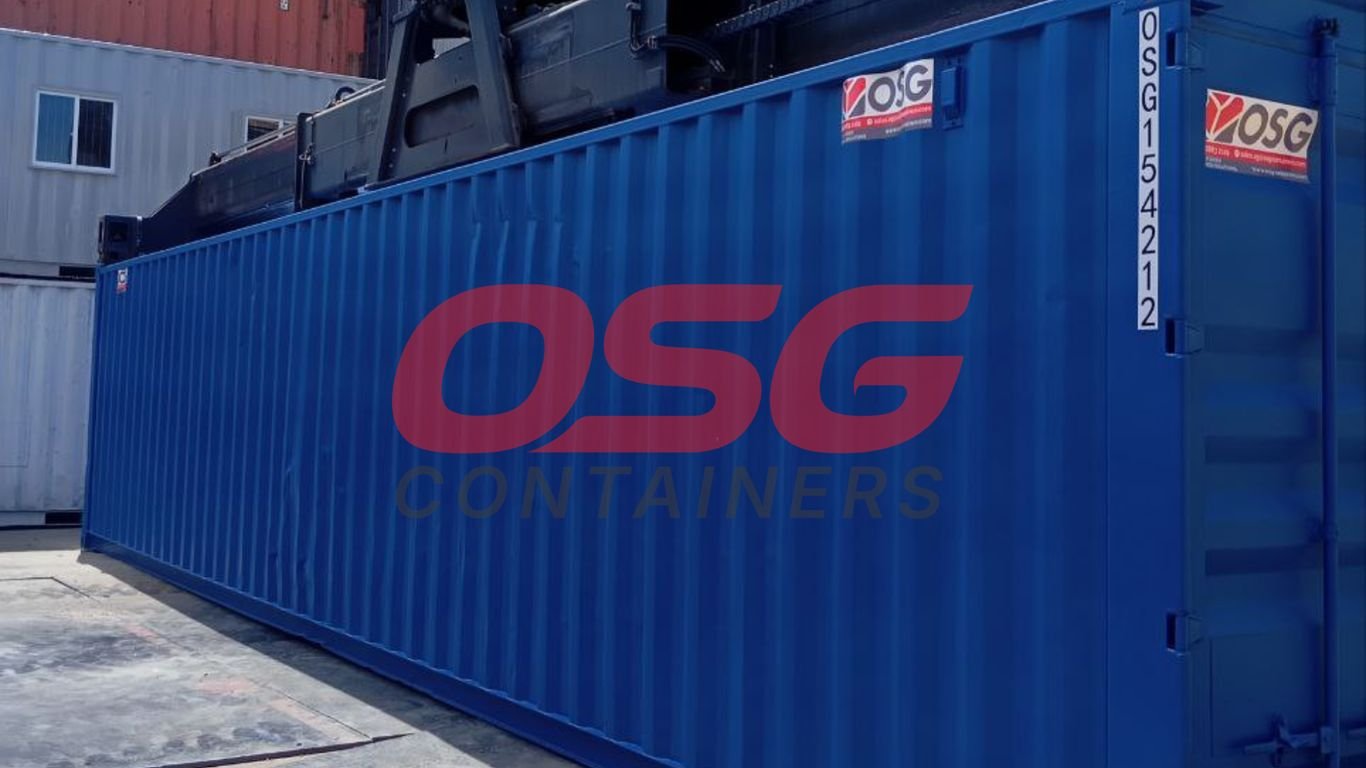
So, you’ve seen these big metal boxes on ships, trains, and trucks, right? Those are likely ISO tanks, and they’re pretty neat pieces of engineering for moving liquids and gases around the world. They aren’t just random containers; they’re built to very specific standards, which is what the “ISO” part means – they follow rules set by the International Organization for Standardization. This standardization is a big deal because it means they can be handled by pretty much any standard shipping equipment, making global transport a lot simpler. But with any heavy-duty equipment, especially when you’re moving potentially hazardous stuff, safety is the name of the game. Let’s break down what makes these iso tank containers safe and how we keep them that way.
Key Takeaways
- ISO tank containers are built to strict international standards, meaning they’re strong, reliable, and can be handled by standard equipment worldwide.
- Safety features like pressure relief valves are built-in to prevent dangerous pressure build-ups or collapses.
- Regular checks, proper loading/unloading, and keeping an eye on pressure and temperature are vital for safe operation.
- Following all the rules, labeling things correctly, and making sure cargo won’t react badly with the tank or previous loads is super important.
- Well-trained staff and having a plan for emergencies, plus regular maintenance and secure storage, all add up to keeping iso tank containers safe.
Understanding ISO Tank Container Design And Construction
So, you’ve seen these big metal boxes zipping around on ships, trains, and trucks, right? Those are likely ISO tank containers, and they’re pretty neat pieces of engineering for moving liquids and gases around the globe. They aren’t just random containers; they’re built to very specific standards, which is what the "ISO" part means – they follow rules set by the International Organization for Standardization. This standardization is a big deal because it means they can be handled by pretty much any standard shipping equipment, making global transport a lot simpler. While many are built to the standard 20-foot dimensions, you’ll also find larger options, including those that can be equivalent to a 40 ft container in volume, sometimes referred to as a 40footer container or even a 40ft high cube container if they have extra height.
The Manufacturing Process Of ISO Tanks
Making an ISO tank is a bit more involved than just welding some metal together. It all starts with the inner vessel, the part that actually holds your product. This is usually made from high-grade stainless steel because it’s strong and doesn’t tend to react with a lot of different chemicals or food products, which is a plus for keeping things pure. After the inner tank is formed, it gets wrapped in insulation. This layer is important for keeping the contents at a steady temperature, whether that means keeping something cool or warm. On the outside of the insulation, there’s a protective shell, often made from aluminum, to shield the whole thing from bumps and scrapes. Finally, this whole tank assembly is fitted into a strong frame, usually a steel structure that looks like a standard shipping container. This frame is what allows it to be lifted by cranes and secured onto ships or trains.
Essential External Components Of ISO Tanks
While the inner tank is where the goods go, the outside has some really important bits that make it all work. You’ve got your top loading valve, which is pretty much the entry point for filling the tank. Then, at the very bottom, there’s the discharge valve – the exit for your cargo. These valves need to be super reliable and seal up tight to prevent any leaks during transit. There are also various connections and fittings for safety devices and for connecting hoses during loading and unloading. The frame itself is also a key external component, providing the structure for handling and transport.
Here are some of the typical external components:
- Frame: The robust outer structure that provides lifting points and secures the tank for transport.
- Manhole Cover: A sealed opening on the top of the tank for inspection and access.
- Loading/Discharge Valves: Located at the bottom, these control the flow of product in and out.
- Safety Devices: Pressure relief valves and rupture discs are usually housed together.
- Footings/Legs: Supports that allow the tank to stand upright when not on transport.
The design of an ISO tank is a careful balance between holding capacity, temperature control, and the ability to withstand the rigors of global transportation. Every material choice and structural element is considered to ensure the safe and efficient movement of bulk liquids and gases. These tanks are built tough. They have to be able to handle being stacked high on a ship, jostled on a train, and moved around by forklifts. The materials used are selected not just for strength but also for their ability to resist corrosion from whatever they’re carrying, and to keep the contents pure, especially for food or pharmaceutical products. It’s a whole system designed for reliability.
Key Safety Features Of ISO Tank Containers
Critical Safety Devices For Pressure Management
ISO tanks have built-in gadgets to keep pressure in check. The main one is the Pressure/Vacuum Relief Valve, or P/V valve. This valve is pretty smart; it opens automatically if the pressure inside the tank gets too high, maybe from heat, or if it drops too low, which could make the tank collapse. It’s a really important part of stopping accidents.
Another valve you’ll see is the airline valve. This isn’t for breathing air, but it’s used to add air or another gas to the tank. Sometimes, you need a little push to get the product out when you’re unloading. It helps with controlled discharge.
These devices are often grouped together, sometimes in a protective box, making them easier to check. They are absolutely vital for safe operation.
Valve and Seal Integrity
Valves and seals are super important for keeping ISO tank containers safe. If a valve is bad or a seal is broken, it can lead to leaks. Leaks are bad news for both the environment and people.
- Regular Checks: Make sure to check all valves and seals often. It should be part of your normal routine.
- Fix Issues Fast: If you see any wear or damage, fix it right away. Don’t wait.
- Use Good Parts: When you need to replace something, only use high-quality parts. Cheap parts can cause more problems later.
Keeping valves and seals in good shape is a big part of preventing leaks and spills. It’s not just about following rules; it’s about being responsible for what you’re carrying and making sure it doesn’t get out when it shouldn’t.
Ensuring Safe Operation Of ISO Tank Containers
Operating ISO tank containers safely is a big deal, and it really comes down to a few key areas. It’s not just about having a sturdy tank; it’s about what you do before, during, and after it moves.
Pre-Trip Inspections And Checks
Before any tank container hits the road, rail, or sea, it needs a good once-over. Think of it like checking your car before a long road trip. You want to catch any little problems before they turn into something serious.
- Visual Inspection: Look over the whole tank, inside and out. Check the frame for any dents or rust. Pay close attention to the valves and seals – these are super important for stopping leaks.
- Cleanliness Check: Make sure the inside is clean, especially if you’re hauling something different than the last load. You don’t want old residue messing with your new cargo.
- Documentation Review: Confirm all the paperwork is in order and matches the tank and its contents.
A thorough pre-trip inspection isn’t just a good idea; it’s a non-negotiable step that can prevent a lot of headaches and potential dangers down the line. It’s about being proactive.
Proper Loading and Unloading Procedures
This is where things can get dicey if not done right. Loading and unloading require careful attention to detail to avoid spills or accidents.
- Cargo Compatibility: Always double-check that the cargo you’re putting in is okay with the tank material and any leftover traces from previous loads. Some things just don’t mix well.
- Fill Levels: Don’t overfill or underfill the tank. There are specific limits for a reason, usually related to expansion or pressure.
- Static Electricity: When dealing with flammable stuff, using grounding cables is a must. Static sparks can be a real danger.
Pressure and Temperature Control
Keeping an eye on pressure and temperature is vital, especially for certain types of cargo. Some materials can get pretty unhappy if they get too hot or too cold, or if the pressure builds up too much.
- Pressure Relief Valves: These are built-in safety devices, but they need to be checked regularly to make sure they’ll work when needed.
- Temperature Monitoring: Depending on the cargo, you might need to actively monitor and control the temperature throughout the journey. This can involve special insulation or even active cooling systems.
| Parameter | Typical Range (Example) | Notes |
|---|---|---|
| Max Operating Pressure | 3-5 bar | Varies by tank design and cargo |
| Max Test Pressure | 4.5-7.5 bar | Higher than operating pressure |
| Temperature Range | -20°C to +50°C | Cargo dependent, may require insulation |
It’s all about respecting the materials you’re moving and the equipment you’re using. Following these steps helps keep everyone and everything safe.
Regulatory Compliance And Documentation
Keeping your ISO tank containers in line with all the rules and having the right paperwork is super important. It’s not just about avoiding trouble; it’s a big part of making sure everyone stays safe and that your cargo gets where it needs to go without a hitch.
Ensuring Compliance With Regulatory Standards
Different countries and international bodies have rules about how these tanks are made, used, and what they can carry. You’ve got organizations like the IMO (International Maritime Organization) and national bodies like the DOT (Department of Transportation) setting the standards. Staying on top of these regulations is non-negotiable. It means making sure your tank meets all the design and testing requirements for the specific goods you’re hauling and the routes you’re taking. Missing a beat here can lead to some serious headaches, like fines or your shipment being held up.
Proper Labeling and Documentation
Think of labels and documents as the ID card for your tank. They tell everyone what’s inside, what dangers might be involved, and what to do if something goes wrong. This includes:
- Cargo Declarations: Clearly stating what you’re transporting, especially if it’s hazardous.
- Shipping Papers: The basic trail of who sent it, who it’s going to, and its journey.
- Inspection Certificates: Proof that the tank has been checked and is safe, showing when it was last inspected and when the next check is due.
- Regulatory Approvals: Any specific permits or certifications needed for the cargo or destination.
Having all your paperwork in order isn’t just busywork; it’s a fundamental part of safe and legal transport. It shows you’re responsible and have done your homework.
Cargo Compatibility and Cross-Contamination Prevention
Before you even load anything, you need to be sure it’s compatible with the tank itself and that the tank is clean enough. If you’re carrying food-grade products, you absolutely don’t want any residue from chemicals left over from a previous trip. That’s where cross-contamination prevention comes in. This usually means thorough cleaning between loads, sometimes using steam or special chemicals, depending on what was in there before and what’s going in next. It’s all about making sure the product stays pure and that you don’t accidentally create a dangerous chemical reaction.
Personnel Training And Emergency Preparedness
Training And Certification For Personnel
Look, nobody wants to be the person who messes up and causes a big problem, right? That’s why making sure everyone who touches an ISO tank container knows their stuff is super important. It’s not just about knowing how to hook things up; it’s about understanding the risks and how to handle them. We’re talking about people who load, unload, inspect, and move these tanks. They need to be properly trained and, ideally, certified. This training covers the basics like checking the tank before it goes anywhere, how to load and unload without causing a spill, and what to do if something goes wrong. A well-trained crew is the first line of defense against accidents.
Here’s a quick rundown of what training should cover:
- Container Basics: Understanding the different parts of the tank, what they do, and how they work.
- Cargo Specifics: Knowing the properties of the material being transported – is it flammable? Corrosive? What are the risks?
- Handling Procedures: Step-by-step guides for safe loading, unloading, and securing the tank.
- Inspection Protocols: How to spot potential issues during pre-trip and routine checks.
- Emergency Actions: What to do in case of a leak, spill, or other incident.
Emergency Response Preparedness
Even with the best training and the most solid equipment, things can still go sideways. That’s where having a solid plan for emergencies comes in. It’s like having a fire extinguisher in your kitchen – you hope you never need it, but you’re really glad it’s there if you do. This plan needs to be clear and easy to follow when things get chaotic.
When an incident occurs, like a leak or a spill, the immediate actions taken can make a huge difference. The plan should outline how to contain the problem, how to get people to safety, and who to call. It’s not just about cleaning up; it’s about preventing further harm to people and the environment.
What should be in this emergency plan?
- Spill Containment: Steps to stop or slow down a leak, like using absorbent materials or closing valves.
- Evacuation Routes: Clear paths for people to get away from the danger zone.
- Communication: Who to contact – emergency services, company supervisors, regulatory bodies.
- First Aid: Basic medical response for anyone injured.
- Reporting: How to document the incident for future review and prevention.
Maintenance And Storage Of ISO Tank Containers
Routine Maintenance and Inspections
Keeping ISO tank containers in good shape isn’t just about making them look good; it’s a big part of making sure they work safely and reliably. Think of it like regular check-ups for your car. You wouldn’t want to drive a car with worn-out brakes, right? It’s the same idea with these tanks. They need regular attention to catch any small issues before they turn into major problems.
What does this look like in practice? Well, it involves a few key things:
- Visual Checks: A good old-fashioned look-over. This means checking the outside for any dents, rust spots, or damage to the frame. You also want to peek inside, if possible, to see if there’s any corrosion or buildup.
- Component Testing: All the bits and pieces need to work. This includes making sure the pressure relief valves are functioning correctly, that the seals on the hatches and valves are still pliable and not cracked, and that any heating or cooling systems are operational.
- Pressure Testing: Periodically, the tank needs to be pressure tested to confirm its structural integrity. This is usually done according to specific schedules based on the tank’s age and the type of product it usually carries.
- Documentation Review: Keeping track of when the last inspection was, what maintenance was done, and any repairs made is super important. This history helps in planning future maintenance and shows compliance with regulations.
Regular, thorough inspections are the backbone of safe ISO tank operation. They help prevent leaks, structural failures, and other accidents that could be costly and dangerous.
Secure Storage Facilities
When an ISO tank isn’t on the move, where it sits matters a lot. You can’t just leave them anywhere. Proper storage is about protecting the tank itself, the product inside, and the surrounding environment. It’s not just about finding an empty patch of ground; it’s about having a designated, safe spot.
Here’s what makes a storage area good:
- Ventilation: Tanks, especially those carrying volatile substances, need good airflow. This helps prevent the buildup of fumes and keeps temperatures more stable.
- Protection: Ideally, storage areas should offer some protection from the elements. This could mean a covered area or at least a location that isn’t prone to flooding or extreme temperature swings. Some facilities might have bunding or containment systems in case of a leak.
- Security: The storage area needs to be secure. This means preventing unauthorized access to the tanks, which could lead to tampering or accidents. Fencing and controlled entry points are common.
- Accessibility: While secure, the area also needs to be accessible for maintenance crews, loading/unloading operations, and emergency responders if needed. Clear pathways are a must.
Storing ISO tanks requires more than just finding space. It involves creating an environment that actively contributes to the safety and longevity of the container and its contents, while also considering the needs of operations and potential emergencies. It’s a proactive measure, not an afterthought.
Think of it this way: a well-maintained tank in a secure, appropriate storage location is far less likely to cause trouble. It’s a simple but really effective way to keep things running smoothly and safely in the world of bulk liquid and gas transport.
Wrapping It Up
So, keeping ISO tank containers safe isn’t just a one-time thing; it’s an ongoing effort. It really boils down to following the rules, doing those pre-trip checks diligently, and making sure everything is loaded and unloaded right. Paying attention to pressure and temperature, keeping valves and seals in good shape, and just generally staying on top of maintenance are all big parts of the puzzle. Plus, knowing what the regulations say and making sure everyone handling these tanks knows their stuff is super important. When we all do our part, we can move all sorts of materials, hazardous or not, without unnecessary risks to people or the planet.
Frequently Asked Questions
What exactly is an ISO tank container?
An ISO tank container is like a big, strong metal box on the outside, but inside it’s a special tank designed to safely carry liquids, gases, or powders. The ‘ISO’ part means it’s built to international standards, so it can be easily moved around the world on ships, trains, and trucks using regular equipment.
Why are ISO tanks built so strong?
These tanks need to be super tough because they travel long distances and go through a lot of handling. They’re made from sturdy materials like stainless steel to resist damage, prevent leaks, and keep the stuff inside pure, especially if it’s food or medicine. They also have to handle being stacked high and moved by heavy machinery.
What safety gadgets do ISO tanks have?
ISO tanks have important safety features to prevent problems. The main one is a pressure relief valve, which automatically opens if the pressure inside gets too high or too low, stopping the tank from exploding or collapsing. They also have other valves for controlling how things go in and out safely.
Why is checking the tank before a trip so important?
Before an ISO tank goes anywhere, it needs a thorough check-up, kind of like a car getting an oil change and inspection. This ‘pre-trip inspection’ helps find any small problems, like cracks or worn-out seals, before they can cause a big spill or accident during the journey.
What happens if something goes wrong, like a leak?
Even with all the safety measures, accidents can still happen. That’s why it’s super important for everyone who handles these tanks to be well-trained and have a plan for emergencies. This plan tells them exactly what to do if there’s a spill or leak, like how to clean it up safely and who to call for help.
Does the type of stuff inside matter for safety?
Absolutely! It’s really important to make sure the tank is clean and that the stuff you’re putting inside is okay to be carried in that specific tank. Some chemicals can react badly with each other or with leftover stuff from a previous load. Proper cleaning and checking compatibility prevent dangerous reactions and keep the cargo from getting ruined.