Singapore
 Australia
 Indonesia
 Japan
Japan Malaysia
 New Zealand
 Philippines
 South Korea
 Taiwan
 Thailand
 VIETNAM
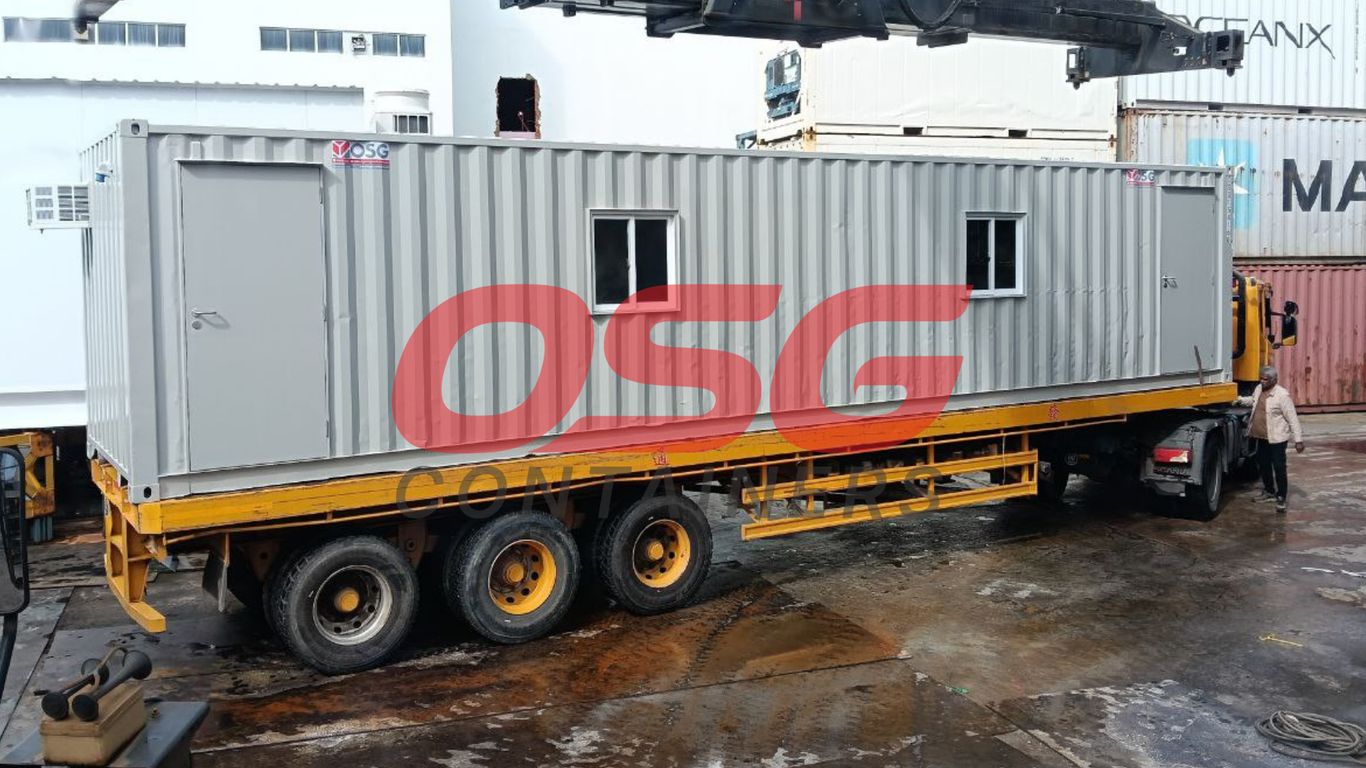
So, we’re talking about the 20-foot container today. You see them everywhere, right? They’re like the workhorses of shipping. While the bigger 40-footers get a lot of the spotlight these days, especially for moving tons of stuff, the 20-footers are still super important. They have their own special jobs where they just make more sense. It’s all about picking the right tool for the job, and this little guy is definitely still in the game for a lot of different reasons.
Key Takeaways
- The 20 foot container, despite the rise of larger options, remains vital for handling heavy and dense cargo that reaches weight limits before space limits.
- Its smaller size makes the 20 foot container ideal for navigating weight-restricted roads and areas with limited infrastructure or tight urban access.
- For specific cargo types like ISO tank containers, the 20 foot container is the established standard, showcasing its specialized role.
- When planning logistics, understanding the pallet capacity and cost-effectiveness of a 20 foot container for ‘weigh-out’ scenarios is key.
- The 20 foot container offers ease of handling and is readily available globally, making it a reliable choice for many shipping needs.
The Enduring Significance of the 20 Foot Container
Understanding the 20 Foot Container’s Dimensions and Capacity
When we talk about shipping containers, the 20-foot model is often the first one that comes to mind. It’s a standard size, and that’s a big part of why it’s so useful. These containers measure 20 feet long, 8 feet wide, and typically 8.5 feet tall. Inside, you’re looking at about 1,170 cubic feet of space. That might not sound like a ton, but it’s a really practical amount for a lot of different kinds of goods.
Here’s a quick breakdown of the typical external and internal measurements:
| Measurement | Imperial (Feet) | Metric (Meters) |
|---|---|---|
| External Length | 20 | 6.10 |
| External Width | 8 | 2.44 |
| External Height | 8.5 | 2.59 |
| Internal Length | 19.3 | 5.89 |
| Internal Width | 7.7 | 2.35 |
| Internal Height | 7.9 | 2.39 |
They can hold a good amount of weight too, usually around 28,000 kg (or about 60,000 lbs) when fully loaded, though the actual payload depends on the container’s specific build and the transport method. This capacity makes them suitable for a wide range of cargo, especially when you don’t need the massive volume of a 40-foot container.
Core Advantages of 20 Foot Shipping Containers
So, why stick with the 20-footer when there are bigger options out there? Well, it’s got a few tricks up its sleeve. For many types of cargo, especially heavy or dense items, the 20-foot container is actually the better choice. It’s easier to handle, fits better in certain transport situations, and can be more cost-effective when you’re not trying to fill every last inch of space.
Think about it this way:
- Weight Management: They’re perfect for loads that are heavy but don’t take up a lot of room. You can fill them up to their weight limit without worrying about wasted space.
- Maneuverability: Smaller means easier to move. They’re simpler to load and unload, and they can get into tighter spots, which is a big plus in busy areas or on construction sites.
- Cost Efficiency: For certain shipping needs, using a 20-foot container can be cheaper than paying for the extra space in a 40-footer that you don’t end up using.
- Durability: Built from strong steel, these containers are made to withstand tough conditions, protecting whatever is inside from weather and other damage.
These containers are more than just metal boxes; they are standardized, robust units that offer a reliable way to move and store goods. Their consistent dimensions and strength make them predictable assets in complex logistical chains.
When the 20 Foot Container Outperforms Larger Options
It’s easy to assume bigger is always better, but that’s not always the case in logistics. The 20-foot container really shines when you’re dealing with specific types of cargo or transport challenges. For instance, if you’re shipping heavy machinery, steel products, or construction materials, a 20-footer is often ideal. You can load it up to its maximum weight capacity, getting the most value out of each shipment without paying for unused volume.
Another situation where the 20-footer wins is when you’re moving goods through areas with weight restrictions on roads or bridges. A fully loaded 20-foot container is generally easier to manage within these limits compared to a larger container. This makes them a go-to for certain inland transport legs or deliveries to remote locations where infrastructure might be less developed. They offer a practical balance of capacity and manageability that larger containers just can’t match in these scenarios.
Strategic Applications for the 20 Foot Container
When you think about active sites – think construction zones, event venues, or even temporary industrial operations – you might not immediately picture a shipping container. But these sturdy metal boxes are way more than just boxes for moving stuff overseas. The 20-foot container, in particular, has become a real workhorse. It’s not just about hauling goods anymore; it’s about providing flexible, on-site solutions that keep projects moving. These containers are essentially modular units that can be adapted for a surprising number of tasks right where the action is. They offer a practical way to manage space, store equipment, and even create temporary workspaces, all without the hassle of building permanent structures.
Handling Heavy and Dense Cargo Loads
The 20 ft container is often the go-to choice when dealing with cargo that’s heavy and dense. Its smaller size compared to larger containers means it can often be filled closer to its weight limit without exceeding road or rail weight restrictions, which is a big plus for certain types of goods. Think about machinery parts, metal ingots, or even bulk raw materials. These items pack a lot of weight into a small volume, and the 20-footer is perfectly suited for them.
Navigating Weight-Restricted Inland Transport
This is where the 20 ft container really shines. Many inland transport routes, especially in older cities or areas with less robust infrastructure, have strict weight limits for trucks and trains. A fully loaded 20-foot container can often stay within these limits, whereas a larger 40-foot container might push it over. This means you can move your goods inland without needing special permits or facing costly delays. It’s about making sure your cargo can actually reach its final destination.
Serving Remote and Infrastructure-Limited Locations
Getting supplies to remote areas or places with limited infrastructure can be a challenge. The 20 ft container is easier to transport and maneuver in these environments. Whether it’s being moved by smaller trucks, barges, or even helicopters in extreme cases, its manageable size makes it more practical. It can be set up quickly, providing much-needed storage or workspace without requiring extensive site preparation.
Urban Delivery and Tight Access Environments
City logistics are a whole different ballgame. Streets can be narrow, loading docks are often cramped, and traffic is a constant headache. The 20 ft container’s compact footprint makes it ideal for deliveries in these tight urban spaces. It’s easier to position, takes up less room while being loaded or unloaded, and generally causes less disruption to city traffic. This makes it a smart choice for businesses operating in dense urban centers.
The 20 ft container is more than just a shipping box; it’s a versatile tool for on-site needs. It can be transformed into offices, storage units, or workshops, offering rapid deployment and flexibility that traditional construction can’t match. This adaptability is key for projects with changing requirements or tight schedules.
Here’s a quick look at why the 20 ft container is so useful in these scenarios:
- Portability: Easy to move with standard equipment, even in challenging terrain.
- Security: Provides a robust, lockable space for valuable equipment and materials.
- Rapid Setup: Can be deployed as functional space in days, not weeks or months.
- Cost-Effectiveness: Often cheaper to transport and handle than larger units, especially when cargo doesn’t fill a bigger container.
Optimizing Logistics with the 20 Foot Container
Maximizing Pallet Capacity and Load Planning
When you’re trying to fit as much as possible into a 20-foot container, smart planning is key. It’s not just about stuffing things in; it’s about making sure every inch counts. The standard 20-foot container can typically hold about 11 Euro pallets if you stack them right. But you’ve got to think about the weight, too. Some goods are light but take up a lot of space, while others are super heavy and dense. Getting this balance right means you’re not paying for empty air or exceeding weight limits.
Here’s a quick rundown of what to consider:
- Pallet Arrangement: How you place the pallets matters. Single-tier loading is common, but sometimes you can double-stack if the cargo is sturdy enough and the container height allows.
- Weight Distribution: Spread the weight evenly. A container that’s too heavy on one side can be unstable and cause problems during transit.
- Cargo Securing: Make sure everything is tied down properly. Loose items can shift, leading to damage or making the container unsafe to handle.
Thinking about how your cargo fits is more than just a packing job; it’s a strategic move that directly impacts your bottom line. A well-planned load means fewer shipments, less handling, and a smoother journey from start to finish.
Cost-Effectiveness for Weigh-Out Scenarios
Sometimes, the best way to save money isn’t about filling every cubic foot, but about hitting the right weight. This is where the 20-foot container really shines, especially when you’re dealing with heavy goods. A 40-foot container might seem like it holds more, but if your cargo is dense, you might hit the weight limit on the larger box before you even fill it up. In these cases, using a 20-foot container allows you to get closer to its maximum payload capacity, meaning you’re paying for actual cargo weight, not just space.
This is particularly true for industries like:
- Minerals and ores
- Machinery and heavy equipment parts
- Certain types of construction materials
- Scrap metal
Using multiple 20-foot containers for heavy loads can often be more economical than trying to cram everything into fewer, larger containers that you can’t fully utilize by weight.
Ensuring Operational Efficiency Through Cargo Rotation
Keeping things moving smoothly in logistics often comes down to how well you manage your containers, especially when they’re empty. After a container is unloaded, it needs to be repositioned for its next job. If you don’t have a solid plan for this ‘cargo rotation,’ empty containers can pile up, taking up valuable space and costing you money in storage fees or extra transport. A 20-foot container, being smaller and more manageable, can often be moved and repositioned more quickly and with less hassle than its larger counterparts. This quick turnaround is vital for keeping your supply chain flowing without delays and avoiding those pesky demurrage charges that can add up fast.
The 20 Foot Container in Specialized Roles
Essential for Project-Based and Infrastructure Shipments
When you’ve got a big project, like building a new bridge or setting up a temporary industrial site, the 20-foot container really shines. It’s not just for moving everyday goods. Think about it: you need to get heavy machinery, steel beams, or specialized equipment to a location. A 20-footer is often the perfect size for these kinds of loads. They’re robust and can handle the weight, making them ideal for getting critical components to where they need to be, especially when the project is complex and requires specific parts.
- Heavy Machinery Transport: Ideal for single, heavy pieces of equipment that fill up a 20-footer but wouldn’t justify a larger container.
- Construction Materials: Perfect for transporting steel, concrete components, or large pipes.
- Remote Site Supplies: Getting generators, pumps, or other essential infrastructure to areas with limited access.
These containers act as secure, transportable modules for project-specific needs, cutting down on the complexity of moving large, singular items.
The Standard for ISO Tank Containers
Did you know that many liquid and gas shipments use a specialized type of container? We’re talking about ISO tank containers. These are essentially a tank built within a 20-foot frame. This frame makes them handle just like a regular shipping container, meaning they can be easily loaded onto ships, trains, and trucks using the same equipment. It’s a smart design that simplifies the transport of bulk liquids, chemicals, and gases across the globe.
| Type of Cargo | Common Examples |
|---|---|
| Food Grade Liquids | Edible oils, juices, dairy products |
| Industrial Chemicals | Acids, solvents, non-hazardous chemicals |
| Gases | Refrigerants, industrial gases (liquefied) |
Versatility in Flat Rack and Open Top Applications
Sometimes, cargo just doesn’t fit neatly into a standard box. That’s where the 20-foot container’s adaptability comes in handy. Flat rack containers, for example, have no roof or sides, just a base and end walls. This is great for oversized items like boats, large machinery, or construction equipment that needs to be loaded from the top or sides. Similarly, open-top containers, which have a removable roof, are useful for cargo that needs to be loaded with a crane and might stick up a bit. The 20-foot frame provides a standardized way to handle these awkward loads.
- Flat Rack: Best for items wider or taller than a standard container, like vehicles or large industrial parts.
- Open Top: Useful for bulkier goods or items that need overhead loading, such as scrap metal or large machinery components.
- Ease of Handling: Despite their specialized nature, they still fit into standard container handling systems, making intermodal transfers straightforward.
Intermodal Transport and the 20 Foot Container
Suitability for Short-Haul and Regional Delivery
The 20 ft container really shines when it comes to moving goods over shorter distances. Think about regional deliveries or getting products from a port to a local distribution center. Because they’re smaller and lighter, they’re often easier to handle and maneuver in areas where space is tight. This makes the 20ft container a go-to for many businesses focused on local or regional supply chains. They just fit better in many situations compared to their bigger 40-foot cousins.
Facilitating Multimodal Transport Solutions
Intermodal transport is all about using different types of transport – like ships, trains, and trucks – to get cargo from A to B. The 20 foot container is a workhorse here. It can be easily transferred between these modes. This flexibility is key for complex supply chains. For instance, a shipment might arrive by sea, get loaded onto a train, and then finish its journey by truck, all without the cargo being touched. The container 20 ft is built for this kind of back-and-forth.
- Ease of Transfer: Quickly moved between ships, trains, and trucks.
- Reduced Handling: Cargo stays sealed, minimizing damage and theft.
- Flexibility: Adapts well to different transport legs in a journey.
- Cost Savings: Less manual labor needed for transfers.
When planning intermodal routes, the physical dimensions and weight limits of the 20 foot container become very important. These factors influence which routes are feasible and how much cargo can be moved efficiently. Planning needs to account for these specifics to avoid delays or extra costs.
Ease of Handling in Congested Ports
Ports can get incredibly busy, with lots of ships and trucks moving around. In these crowded environments, the 20 foot shipping container offers a distinct advantage. Their smaller size means they take up less space and are generally quicker to load and unload. This can speed up turnaround times for vessels and trucks, helping to keep things moving smoothly even during peak times. It’s a practical benefit that adds up when you’re dealing with high volumes.
Compliance and Cost Savings with 20 Foot Containers
SOLAS VGM Compliance for Safe Handling
Making sure your cargo is weighed correctly before it ships is a big deal, especially with international moves. The SOLAS (Safety of Life at Sea) convention requires that every container has a verified gross mass (VGM) before it can be loaded onto a ship. This isn’t just some bureaucratic hoop to jump through; it’s about safety. Knowing the exact weight helps prevent accidents at sea and during loading and unloading. For 20-foot containers, this means having a reliable system in place to get that weight verified, whether it’s by weighing the container after packing or weighing all the individual items that go inside. Getting this wrong can lead to delays, fines, and a whole lot of headaches.
- Weighing Method 1: Weigh the packed container using calibrated equipment.
- Weighing Method 2: Weigh all the individual cargo items and add them to the tare weight of the container.
- Documentation: Keep clear records of the VGM for at least three months.
Navigating HS Code Updates for Tariff Accuracy
When you’re shipping goods internationally, understanding the Harmonized System (HS) codes is pretty important. These codes are used to classify products for customs purposes, and they directly affect the duties and taxes you’ll pay. HS codes get updated periodically, usually every few years, to keep up with new products and trade changes. For 20-foot containers, this means staying on top of these updates. If you use an outdated HS code, you could end up paying the wrong amount of duty, which might be too much or too little. Paying too much is obviously bad for your bottom line, but paying too little can lead to penalties and delays when your shipment is inspected by customs. It’s worth checking with your customs broker or looking at official government resources to make sure you’re using the current codes for whatever you’re shipping.
Smart Practices for International Shipping Cost Reduction
Saving money on international shipping with 20-foot containers comes down to being smart about how you pack and plan. It’s not just about picking the cheapest rate; it’s about making sure you’re not wasting space or paying for things you don’t need. Maximizing the payload of each 20-foot container is key to reducing per-unit shipping costs.
Here are a few ways to cut down on expenses:
- Consolidate Shipments: If you have smaller amounts of goods going to the same destination, try to combine them into one 20-foot container instead of sending multiple smaller shipments. This often brings down the per-item cost.
- Optimize Load Planning: Pack your container efficiently. Use load planning software or work with experienced packers to make sure you’re using every bit of space without exceeding weight limits. Avoid leaving large empty gaps.
- Understand All Fees: Look beyond the base shipping rate. Ask about terminal handling charges, documentation fees, customs clearance costs, and any other potential charges. Sometimes a slightly higher base rate from one carrier might be cheaper overall if they have lower ancillary fees.
Choosing the right container size and packing it efficiently can make a significant difference in your overall shipping expenses. It’s about being strategic with your cargo and understanding all the costs involved, not just the sticker price of the container move itself. Small details can add up to big savings over time.
Wrapping It Up
So, looking back at how we use shipping containers, it’s clear things have changed. The big 40-footers are definitely the workhorses for most of the stuff moving around the world these days, thanks to automation and just wanting to move more goods at once. But don’t count out the 20-footers just yet. They’re still super important for those heavy, awkward loads, or when you’re dealing with tight spaces or places with less developed roads. It’s not really about picking one size over the other; it’s about being smart and picking the right box for the job, considering what you’re shipping and where it’s going. Getting that balance right is what keeps the whole logistics puzzle working smoothly.
Frequently Asked Questions
What are the main reasons 20-foot containers are still used a lot?
Even though bigger containers are popular, 20-foot ones are great for heavy stuff that weighs a lot. They’re also easier to use when roads have weight limits or in busy cities with tight spaces. Think of them as the perfect tool for specific jobs where size isn’t the main issue, but weight and access are.
Why are 20-foot containers good for heavy items?
Some items, like metal or big machines, are super heavy. You can fill up a 20-foot container with them and reach the maximum weight limit before it’s even full. This saves money because you’re not paying for a bigger container that’s mostly empty space but still costs the same.
Are 20-foot containers easy to move around?
Yes, they are! Because they’re smaller and lighter, they’re simpler to handle at busy ports and easier to drive on roads, especially in places where trucks can’t carry super heavy loads. This makes them a good choice for getting goods to places that are a bit harder to reach.
Can I use a 20-foot container for shipping anywhere in the world?
Pretty much! These containers are like the standard size everywhere. You can find them in almost every port, making them a reliable choice for shipping all sorts of things, from farm products to items you buy in stores.
How many pallets can fit inside a 20-foot container?
It depends on the size of the pallets, but usually, you can fit about 9 to 11 standard pallets. It’s important to plan how you load them to make sure they fit well and don’t make the container too heavy or unstable.
Are 20-foot containers used for anything besides shipping goods?
Absolutely! People use them for all sorts of things. They can be turned into extra storage spaces, temporary offices, or even workshops on construction sites. They’re really handy for quick, on-site needs because they can be set up fast.