Singapore
 Australia
 Indonesia
 Japan
Japan Malaysia
 New Zealand
 Philippines
 South Korea
 Taiwan
 Thailand
 VIETNAM
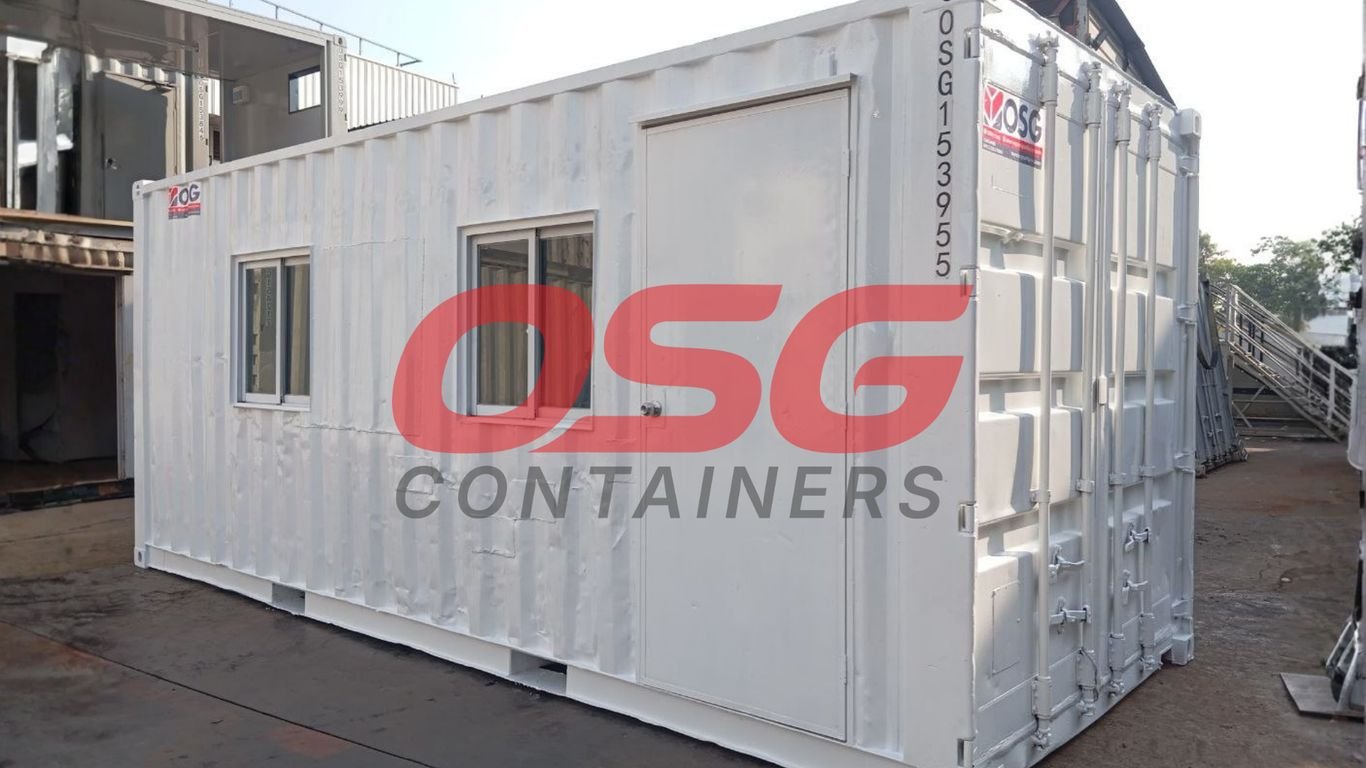
Thinking about renting a container for some extra space? It’s a pretty common solution these days, whether you’re moving, renovating, or just need to clear out some clutter. Renting a container can be a straightforward way to get that temporary storage you need without a huge commitment. We’ll break down what you need to know to make renting containers a smooth process.
Key Takeaways
- Figure out how much space you actually need and what kind of stuff you’ll be storing before you start looking.
- Container sizes vary, so pick one that fits your items without being too big or too small.
- Always read the rental agreement carefully, especially the part about fees and what happens if something gets damaged.
- Think about where the container will go and if you can easily get to it when you need to.
- Packing smart and securing your container properly will keep your items safe and make the most of the space.
Understanding Your Container Rental Needs
Before you even think about calling up rental companies, the first thing you gotta do is figure out what you actually need. Skipping this step is like going grocery shopping without a list – you’ll probably end up with stuff you don’t need and forget the important things. It sounds simple, but getting this part right saves you a ton of hassle and cash later on.
Determining The Right Rental Duration
So, how long are you going to need this container? This is a big one for your budget. Is it just for a few weeks while you’re gutting the kitchen and need a place for all the old cabinets and drywall? Or is this more of a long-term thing, like needing extra space for your business inventory for the next year? Rental places usually have different prices depending on how long you keep the container. Renting for just a month is almost always more expensive per day than signing up for six months or even a year. So, try your best to nail down a realistic timeframe. It’s usually better to guess a little bit longer than you think you’ll need it, rather than having to extend at the last minute, which can sometimes mean extra fees or just a headache.
Selecting The Ideal Container Size
Okay, you’ve got a rough idea of how long you’ll need it. Now, what size container makes sense? This is probably the most important choice you’ll make. Get it wrong, and you’re either paying for a bunch of empty space you don’t need, or you’re going to be playing a really frustrating game of Tetris, trying to cram your stuff into a space that’s just too small. Most rental companies offer a few standard sizes, and they’re usually pretty straightforward. Here’s a general idea of what you might expect for monthly rental costs, but remember, these are just estimates and can change:
| Container Size | Approximate Monthly Cost |
|---|---|
| 10-foot | $130 – $200 |
| 20-foot | $150 – $230 |
| 40-foot | $120 – $250 |
Think about everything you plan to put inside. Don’t just guess. Make a list. Are we talking about a few boxes of old photos and winter clothes, or are you packing up an entire garage full of tools and equipment? The more detailed your inventory, the better you can estimate the space you’ll actually need. It’s easy to underestimate, especially with bulky items. Try to visualize where each item will go. If you’re storing furniture, think about how much space a couch takes up, then add in the chairs, tables, and all the smaller stuff. It adds up fast.
Assessing Site Suitability For Placement
Where is this container actually going to live? This isn’t just about having a spot; it’s about having the right spot. You need to think about a few things to make sure it works out smoothly.
- Access: Can the delivery truck actually get to where you want the container placed? Think about narrow driveways, overhead branches, or tight corners. If the truck can’t get there, they can’t drop it off.
- Ground Stability: The ground needs to be relatively level and firm. You don’t want the container sinking into soft dirt or tipping over. Gravel or a paved surface is usually best.
- Space for Use: Even after it’s placed, you’ll need space around it to open the doors fully and move things in and out. Don’t cram it into a spot where you can barely squeeze by.
- Local Regulations: Check if your town or homeowner’s association has any rules about where you can park a storage container. You don’t want to get a ticket or have to move it unexpectedly.
Sometimes, you might think you have plenty of space, but then the delivery truck shows up and it’s a whole different story. It’s always better to measure twice and have the rental company confirm the space requirements beforehand. They deal with this every day and can often spot potential problems you might miss.
Choosing The Best Container Rental Provider
Alright, so you’ve got a handle on what size container you need and for how long. Now comes the part where you actually pick who you’re going to rent from. This isn’t just about finding the cheapest option, though that’s definitely a part of it. You want a company that’s reliable and makes the whole container rental process pretty straightforward.
Comparing Rental Company Offerings
When you start looking around, you’ll see that not all container rental companies are the same. Some might focus on brand new containers, while others have a good stock of used ones that are perfectly fine for most projects and usually cost less. Think about what condition you really need. Do you need a pristine, never-used container, or will a solid, weather-tight used one do the trick? Also, check what sizes they typically have available. If you’ve settled on a specific size, make sure the companies you’re considering actually have it in stock.
Here’s a quick rundown of things to compare:
- Container Condition: New vs. Used. Are there dents, rust, or leaks?
- Size Availability: Do they have the 20ft or 40ft you need?
- Delivery Speed: How quickly can they get it to you?
- Customer Service: What are their reviews like? Do they seem helpful?
Understanding Rental Agreement Terms
This is where you really need to pay attention. The rental agreement is the contract that lays out all the rules. Don’t just skim it; read it carefully. You need to know exactly what you’re agreeing to.
- Rental Duration: How is it billed? Month-to-month? Fixed term? What happens if you need to extend? Are there penalties for early returns?
- Fees: Beyond the monthly rental, what else are you paying for? Delivery, pickup, taxes, any administrative fees?
- Responsibilities: What are you responsible for while the container is on your property? What is the rental company responsible for?
It’s easy to get caught up in the excitement of starting your project and just sign on the dotted line. But taking a few extra minutes to understand the rental agreement can save you a lot of headaches and unexpected costs down the road. If anything is unclear, ask the rental company to explain it. They should be able to break it down for you.
Clarifying Damage and Insurance Policies
So, what happens if something goes wrong? This is a big one for peace of mind. You need to know who’s on the hook if the container gets damaged. Is it from a storm, an accident, or even theft? The rental agreement should spell this out.
- Your Liability: Understand what you’re responsible for. This could include damage from weather, vandalism, or accidents.
- Company Insurance: Does the rental company offer any basic insurance coverage? What does it cover, and what are the deductibles?
- Your Insurance: Check if your homeowner’s or business insurance policy might cover the container while it’s in your possession. You’ll need to confirm the specifics with your insurance provider.
Knowing these details upfront means you won’t be blindsided if something unfortunate happens. It’s all part of making a smart container rental choice.
Logistics Of Renting Containers
So, you’ve picked out the perfect container and rental company. Now, let’s talk about how it actually gets to your site and what happens next. This part is all about the nitty-gritty details that make renting a container smooth sailing.
Delivery and Placement Considerations
Getting your rented container to your location is a big step. Most rental companies handle this, but it’s good to know what’s involved. First, make sure the spot where you want the container is clear and accessible for a large truck. Think about overhead obstructions like tree branches or power lines, and also the ground underneath – it needs to be firm enough to support the weight of the container, especially when it’s full. Some companies might charge extra if the site is difficult to access.
- Confirm the delivery window: Work with the rental company to set a specific date and time.
- Prepare the site: Clear the area and make sure the ground is level and solid.
- Be present for delivery: It’s a good idea to be there when the container arrives to confirm placement.
The actual placement of the container is important. You don’t want it blocking essential pathways or being difficult to access later on. Discuss the exact spot with the delivery driver; they often have experience with the best positioning.
Options For Container Transportation
When you’re renting a container, the transportation is usually part of the service. The rental company will use specialized trucks to bring the cargo containers to you and pick them up when you’re done. If you need to move the container to a different location during your rental period, you’ll likely need to arrange this with the rental company. They might offer this as an additional service, or they might require you to coordinate with a third-party mover. It’s usually not something you can do yourself with a standard vehicle.
Accessing Your Container At A Facility
Sometimes, you might rent a container that isn’t placed directly on your property. Many companies offer storage facilities where you can keep your rented container. In this case, you’ll need to know how to access it. This usually involves:
- Scheduling a visit: Contact the storage facility to arrange a time to access your container.
- Identification: You might need to show ID to prove you’re the one renting the container.
- Location details: The facility staff will guide you to the exact location of your container.
It’s always best to check with your specific rental provider about their procedures for accessing containers stored at their facilities. This ensures you know what to expect before you head over.
Maximizing Your Container Rental Experience
So, you’ve got your container booked and it’s on its way. Now what? Making the most of your rental isn’t just about having the space; it’s about using that space smartly and keeping your stuff safe. A little bit of planning here can save you a lot of hassle later on.
Packing Smart For Efficient Storage
This is where you can really make a difference. How you load your container can affect how much you fit and how easy it is to find things later. Think of it like packing for a move, but with a bit more time and less stress.
- Use uniform boxes: Square or rectangular boxes stack way better than odd shapes. This means fewer wasted gaps and more stuff fitting inside.
- Disassemble furniture: If you can, take apart beds, tables, and chairs. Laying them flat takes up less room than having them in their assembled state.
- Label everything clearly: Seriously, don’t skip this. You’ll thank yourself later when you can actually find that one specific item without emptying half the container.
- Fill smaller items into larger ones: Empty drawers can be filled with smaller items before being placed back into furniture, or smaller boxes can go inside larger ones.
The goal is to create a dense, stable load. Avoid leaving large empty spaces, as these can shift during transport or if the container is moved. Think about weight distribution too – heavier items should generally go on the bottom and towards the back.
Ensuring Container Security
Keeping your belongings safe is a top priority. Most rental containers are pretty sturdy, but a few extra steps can add peace of mind.
- Use a good quality lock: Invest in a heavy-duty padlock. The rental company might offer one, but sometimes bringing your own is better.
- Consider a lock box: For extra security, especially if you’re storing valuable items, a lock box that covers the container’s locking mechanism can deter tampering.
- Keep it in a visible, secure location: If the container is on your property, try to place it where it’s visible from your house. If it’s at a facility, ask about their security measures.
Understanding What Not To Store
This is super important and often overlooked. Not everything is suitable for container storage, and some things can be downright dangerous or will ruin your stuff.
- Flammable or hazardous materials: This includes things like gasoline, propane tanks, paint thinner, and cleaning supplies. They’re a fire risk and usually prohibited by rental agreements.
- Perishable food or organic matter: Anything that can rot, attract pests, or create odors is a bad idea. Think old food, pet food, or even damp items that could mold.
- Living things: Obviously, no pets or plants. They won’t survive.
- Valuable documents or irreplaceable items: While you can take steps to secure the container, it’s generally best to keep extremely valuable or sentimental items with you or in a more secure, climate-controlled environment if possible.
Saving Money On Container Rentals
Renting a container for a short-term project doesn’t have to break the bank. A little planning and knowing where to look can make a big difference in your final bill. It’s all about being smart with your choices from the start.
Comparing Total Rental Costs
Before you even pick up the phone, get a clear picture of what each company is charging. Don’t just look at the monthly rate for the container itself. You’ve got to factor in all the extras. Delivery fees can really add up, especially if you’re far from the rental yard. Pickup fees are usually there too. Some places might also charge for things like cleaning or even just having the container on your property for a certain amount of time. Always ask for a full quote that includes everything. It’s better to know the total cost upfront than to be surprised later.
Here’s a general idea of what different container sizes might cost per month, but remember, these are just estimates and can change:
| Container Size | Approximate Monthly Cost |
|---|---|
| 10-foot | $130 – $200 |
| 20-foot | $150 – $230 |
| 40-foot | $120 – $250 |
Remember to add delivery, pickup, and any other potential fees to these base rates.
Negotiating Rental Rates
Don’t be afraid to haggle a little. Rental companies often have some wiggle room, especially if you’re a new customer or if you’re renting during a slower time of year. It never hurts to ask if they have any special promotions or discounts available. Sometimes, just mentioning a competitor’s price can get you a better deal. You might also find that booking online or signing up for their newsletter unlocks a discount code. It’s worth the few minutes it takes to check.
- Ask about first-time customer discounts.
- Inquire about off-peak season rates.
- See if there are any bundled deals for longer rental periods.
- Mention competitor pricing if you have it.
Sometimes, the cheapest option isn’t the best value. Consider the total cost, including delivery and any potential hidden fees, when comparing prices. A slightly higher monthly rate with lower delivery fees might end up saving you money overall.
Leveraging Off-Peak Season Discounts
Just like hotels and airlines, container rental companies can have busy and slow periods. Demand is usually highest during the summer months and around the end of the month when people are typically moving. If your project schedule allows, try to rent your container during the fall or winter, or in the middle of the month. You’ll likely find that prices are more flexible during these less busy times. Planning ahead and avoiding peak demand can lead to noticeable savings on your rental costs.
Wrapping Things Up
So, renting a container for your project or move really can be a simple solution. It gives you that extra space you need without a lot of fuss. We’ve talked about figuring out the right size, what to look for in a rental company, and even how to pack things in smart. It’s all about finding what works for your situation, checking out your choices, and making sure your stuff is kept safe. Hopefully, this guide made the whole process feel a lot less confusing and more manageable. Now go get that space!
Frequently Asked Questions
How do I know what size container I really need?
To figure out the right size, think about everything you need to store. Making a list and measuring your biggest items, like furniture, is a smart first step. Many websites have helpful tools that can give you a good guess of how much space you’ll need. It’s usually better to grab a container that’s a little bigger than one that might be too small.
Will the containers keep my stuff safe from bad weather and people trying to steal things?
Most containers are built tough with strong steel, so they can handle rain, wind, and sun pretty well. They also come with locks to keep your belongings secure. For extra peace of mind, choose a container with a solid lock and think carefully about where you’ll place it.
What’s the usual rental time for these containers?
You can typically rent a container for just about as long as you need it. Rental companies often rent them out on a month-to-month basis. This means you can keep it for a few weeks or many months, depending on what your project or situation calls for.
Are there certain items I absolutely cannot put inside a rental container?
Generally, you can’t store things like hazardous materials, food that spoils quickly, or anything that’s against the law. It’s always a good idea to check directly with the rental company to understand their specific rules about what’s allowed and what’s not.
Can I move the container myself if I need to change its location?
While some companies might allow you to move the container, most of them have their own special trucks to do the moving for you. If you need to shift it to a different spot, it’s best to talk to the rental company about their moving services and any extra costs involved.
What’s the main difference between renting and buying a container?
Renting is great if you only need the container for a short time and want lower upfront costs, plus the rental company usually handles maintenance. Buying makes more sense if you plan to use the container for a very long time, as it can be more cost-effective over many years, but you’ll be responsible for all upkeep and moving it yourself.