Singapore
 Australia
 Indonesia
 Japan
Japan Malaysia
 New Zealand
 Philippines
 South Korea
 Taiwan
 Thailand
 VIETNAM
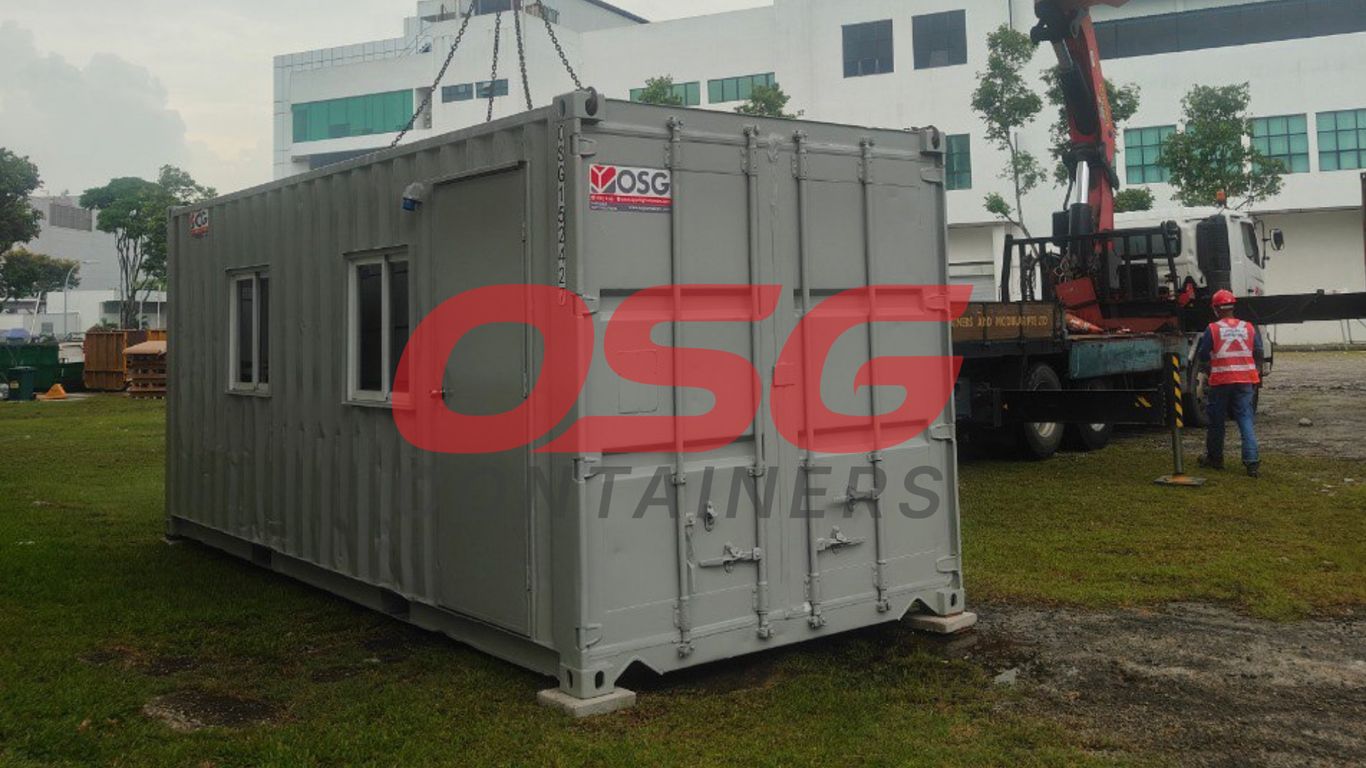
Running a construction project these days is a complicated dance. You’ve got crews on the ground, paperwork piling up, and clients wanting updates. Trying to manage all that from a makeshift desk or a dusty corner just doesn’t cut it anymore. That’s where the humble site office steps in. Think of it as the project’s home base, a dedicated spot that keeps everything organized and everyone on the same page. These aren’t just temporary sheds; modern site offices are smart, functional spaces that make a big difference in how smoothly a job gets done.
Key Takeaways
- A site office acts as the main hub for managing projects, keeping documents secure, and handling daily administration right where the work is happening.
- These offices improve teamwork and communication by providing a central place for meetings and real-time updates, connecting field teams with management.
- Setting up a site office is important for safety, allowing for dedicated areas for safety briefings, first aid, and meeting regulatory standards.
- Portable site offices are a cost-effective and quick solution compared to building permanent structures, and they can be moved to new jobsites.
- Modern site offices offer comfort and necessary features like climate control and internet, making them versatile spaces for breaks, meetings, and storage.
The Central Command of Construction Sites
The Command Hub of the Jobsite
Think of the site office as the brain of any construction project. It’s where the day-to-day operations are managed, plans are reviewed, and decisions are made. This isn’t just a place to sit; it’s the nerve center. Morning briefings, safety talks, and coordination meetings all happen here. Having a dedicated, comfortable space, often a modified 20 foot container or a purpose-built unit, means these important discussions can happen without the distractions of the active work zone. These units can be outfitted with everything needed, from desks and filing cabinets to communication equipment, making them fully functional workspaces.
Secure Document Handling and Record-Keeping
Construction projects churn out a mountain of paperwork. Permits, blueprints, daily logs, safety reports, client communications – it all needs to be managed. A site office provides a secure, dry, and organized environment for all these critical documents. This prevents them from getting lost, damaged by weather, or accessed by unauthorized individuals. Keeping records in one central, protected location is key to avoiding delays caused by missing paperwork or approvals.
Streamlined Project Management and Administration
Effective project management relies on clear communication and efficient administration. The site office facilitates this by bringing key personnel together. Project managers, site supervisors, and administrative staff can work from a central point, coordinating tasks, tracking progress, and handling the inevitable administrative duties. This proximity helps in making quick, informed decisions and keeps the project moving forward smoothly. Many site offices, including those based on a 20ft container design, can be configured with separate areas for different functions, such as a main office, a small meeting space, and a secure storage area.
The site office acts as the primary point of contact for all project-related activities, bridging the gap between the planning stages and the actual execution on the ground. Its presence simplifies logistics and ensures that everyone involved is working from the same information.
Here’s what you typically find in a well-equipped site office:
- Desks and chairs for project managers and supervisors
- Secure filing cabinets for important documents
- Communication tools like phones and internet access
- Whiteboards or digital displays for planning and updates
- Basic amenities like heating and lighting
Enhancing Communication and Collaboration
Having a dedicated space right on the jobsite makes a huge difference in how everyone talks and works together. It’s not just about having a place to sit; it’s about creating a central point where information flows freely and teams can connect.
Real-Time Collaboration and Updates
Modern construction projects are complex, with many different teams and tasks happening all at once. A site office equipped with good internet access becomes the hub for this. Project managers can use software to share updates, drawings, and progress reports instantly. This means everyone is looking at the same information, reducing mistakes and keeping things moving.
- Instantaneous Information Sharing: Field teams can upload photos and notes directly from the site, which are immediately visible to the project managers.
- Video Conferencing Capabilities: Hold quick meetings with remote specialists or clients without anyone needing to leave the jobsite.
- Digital Document Access: Access the latest blueprints and specifications on-site, eliminating the need for outdated paper copies.
Professional Client and Stakeholder Meetings
When clients or important stakeholders visit the site, you want to make a good impression. Instead of trying to find a quiet spot or gathering around a truck, a site office provides a professional setting. It shows you’re organized and take the project seriously.
Offering a clean, climate-controlled environment for meetings demonstrates a commitment to professionalism and can significantly influence client confidence.
Bridging Field and Corporate Communication
There’s often a gap between what’s happening on the ground and what the main office knows. A site office acts as the bridge. It’s the place where field supervisors can report directly to corporate teams, discuss challenges, and get quick decisions. This connection helps align everyone’s efforts and makes sure the project stays on track with the company’s overall goals.
Prioritizing Safety and Compliance
Construction sites are inherently risky places, and keeping everyone safe while following all the rules is a big deal. Site offices play a surprisingly large role in making sure this happens smoothly. They aren’t just places to get out of the rain; they’re active hubs for safety management and regulatory adherence.
Dedicated Safety Command Centers
Think of a safety command center within a site office as the nerve center for all things safety. This dedicated space is where safety officers can keep all their gear, like hard hats, vests, and first-aid kits, organized and accessible. It’s also the go-to spot for reviewing any incidents that might have happened, conducting training sessions, and keeping all the necessary paperwork up-to-date. Having a proper indoor location means safety briefings can happen no matter the weather, keeping workers informed and reducing the chances of accidents. This organized approach to safety information and training is key to preventing injuries.
Emergency Response and First Aid Stations
When accidents happen, quick and effective response is critical. Site offices can be quickly outfitted to serve as immediate first aid stations. Stocked with essential medical supplies, eye-wash stations, and even cooling equipment for heat-related issues, these units provide a vital point of care before professional medical help can arrive. For projects in remote areas, far from hospitals, a well-equipped site office can literally be a lifesaver, offering immediate assistance when every second counts.
Meeting Regulatory and Welfare Standards
Construction projects have a lot of rules to follow, and site offices help meet them. They provide a clean, secure place for workers to take breaks, eat lunch, and change clothes, which is often a requirement. These spaces can be set up with lockers, seating, and even basic kitchen facilities. This not only keeps workers comfortable and morale up but also helps companies meet legal obligations for worker welfare. Having these facilities on-site means workers don’t have to deal with uncomfortable or unsanitary conditions, which can lead to fatigue and mistakes.
Site offices are more than just temporary buildings; they are functional extensions of a company’s commitment to its workforce and its adherence to industry standards. They provide the necessary infrastructure to manage safety protocols and worker well-being effectively, directly impacting project success and reputation.
Cost-Effectiveness and Time Efficiency
Lower Capital Investment Compared to Permanent Structures
Building permanent structures for temporary construction projects just doesn’t make much sense financially. You’re looking at huge upfront costs for something that might only be needed for a few months or a year. Portable site offices, on the other hand, offer a much more sensible approach. You can lease them or buy them, and the price tag is way lower than putting up a brick-and-mortar building. This means less of the project’s budget gets tied up in infrastructure that won’t be around long-term. It frees up cash for the actual construction work, which is what really matters.
Rapid Deployment and Immediate Usability
One of the biggest wins with these site offices is how fast you can get them up and running. They’re not built on-site piece by piece. Instead, they’re often delivered ready to go, or with minimal assembly. This means your team can move in and start working almost immediately after delivery. Think about it: no waiting weeks for contractors to finish a building. This speed is a huge advantage, especially when you’re trying to get a project off the ground quickly. It keeps everything on schedule and avoids those nasty delays that can really eat into profits.
Maximizing Return on Investment Through Mobility
These offices aren’t stuck in one place. Once a project is done, you can pack them up and move them to the next job. This reusability is a big deal for your bottom line. Instead of buying a new office for every single project, you’re investing in a piece of equipment that can serve you for years across multiple sites. This mobility means you’re always getting value out of your investment, no matter where your next project takes you. It’s a smart way to manage resources and keep costs down over the long haul.
The ability to quickly set up a functional workspace on-site, without the long-term commitment and high costs of permanent construction, is a game-changer for project timelines and budgets. This flexibility allows resources to be allocated more effectively, directly impacting a project’s overall financial success.
Versatile Applications Beyond Administration
You know, it’s easy to think of site offices as just places for paperwork and meetings. But these portable units are way more than just administrative hubs. They actually become pretty useful for a bunch of other things on the job site, making life easier for everyone.
Crew Lunchrooms and Break Areas
Let’s face it, construction sites can be rough. Whether it’s scorching sun, freezing wind, or pouring rain, having a decent spot to take a break is a big deal. These offices can be set up as comfortable break rooms. Think about it: a place with actual seating, maybe a microwave, and definitely protection from the elements. It’s a small thing, but it really helps keep morale up and makes sure folks aren’t eating their sandwiches while standing in a downpour. Happy workers are usually safer and more productive workers, right?
Changing Rooms and Welfare Facilities
On many projects, especially those with specific safety gear or uniforms, having a proper place to change is important. Portable offices can be outfitted with lockers and benches, giving crews a secure and clean spot to swap out their work clothes. This is way better than trying to change in a porta-potty or the back of a truck. It keeps personal items safe and helps maintain a bit of dignity, which is always a good thing.
Document and Equipment Storage Solutions
Beyond just storing important papers, these units can also be used for keeping tools and smaller equipment secure. Imagine having a dedicated, lockable space right near where the work is happening. This means less time spent walking back and forth to a main storage area. Some setups even include shelving or small workbenches for minor repairs or checks on battery-powered tools. It keeps things organized and readily accessible, which can really speed things up.
Having these flexible spaces on-site means you’re not just managing the project; you’re also taking care of the people doing the work and the gear they need. It’s about making the whole operation run smoother.
Here’s a quick look at how these spaces can be used:
- Break Room: Climate-controlled area for rest and meals.
- Changing Area: Secure space with lockers for personal belongings and work gear.
- Tool Storage: Lockable area for keeping smaller tools and equipment safe and accessible.
- Minor Repair Station: A small workbench area for quick tool maintenance.
Adaptability for Evolving Project Needs
Construction projects are rarely static. They shift, grow, and change direction as they progress. That’s where the adaptability of site offices really shines. They aren’t just set-it-and-forget-it structures; they’re designed to move and change with your project.
Flexibility and Mobility for Shifting Site Layouts
Think about it: a project might start with a focus on one area, then pivot to another. Your site layout needs to follow suit. A standard 20 foot site office, for example, can be easily relocated using a crane or forklift as your work zones change. This means your project management team always has a central point of operations, no matter where the action is happening on site. It avoids the hassle and cost of building new temporary structures every time the site plan gets an update.
Relocatable and Reconfigurable for Multiple Phases
Many large projects have distinct phases. You might need a main office during the initial groundwork, then a smaller, more specialized space for the finishing stages. Portable offices can be easily moved between different areas of a large site or even transported to a completely new project once the current one wraps up. Some units are even designed to be reconfigured, allowing you to add or remove sections as your needs change. This makes them a smart investment that keeps giving back.
Temporary Executive and Client Workspaces
Sometimes, you need a more polished space for important visitors or executive meetings, especially during critical project milestones. A portable office can be quickly outfitted to serve as a temporary executive suite or a professional client meeting room. This provides a comfortable, private environment away from the dust and noise of the active construction zone. It shows professionalism and preparedness, which can be a big deal when you’re trying to impress stakeholders or close a deal.
The ability to move and adapt these structures means less wasted time and money on temporary setups that become obsolete. They are built to be part of the project’s lifecycle, not just a temporary fixture.
Here’s a quick look at how they adapt:
- Relocation: Easily moved to new zones on the same site.
- Reconfiguration: Can be expanded or reduced in size.
- Repurposing: Used for different functions across project phases.
- Reuse: Transported to entirely new projects.
Key Features for Optimal Site Office Functionality
When you’re looking at site offices, especially those sturdy container offices, a few things really make a difference in how well they work day-to-day. It’s not just about having a roof over your head; it’s about creating a space that actually helps the project move along smoothly.
Flexibility in Size, Layout, and Expansion Options
One of the biggest draws of these portable units is how adaptable they are. You can find them in all sorts of sizes, from a compact single room to larger setups with multiple sections. The layout can often be tweaked too, so you can arrange it to fit your specific needs – maybe you need a bigger area for meetings or more desk space for the admin team. Plus, if the project grows or your needs change, many of these offices can be expanded by adding more modules or connecting existing ones. This means you’re not stuck with something that’s too small or awkwardly arranged.
Comfort Through Insulation and Climate Control
Nobody works well when they’re freezing or sweating buckets. Good insulation is a must. It keeps the heat out in the summer and the cold out in the winter, making the inside a lot more pleasant. Paired with a reliable heating and cooling system (HVAC), you get a comfortable environment year-round. This isn’t just about comfort, though; it directly impacts productivity. Workers can focus on their tasks instead of being distracted by the weather outside.
Security Measures for Assets and Information
Construction sites can be busy places, and you’ve got valuable equipment, important documents, and sensitive project data to protect. A solid site office needs good security. This usually means strong, lockable doors and windows. Many units are also set up to easily add security cameras or alarm systems. Keeping everything safe and sound inside the office reduces worry and prevents costly losses.
Modern Connectivity for Seamless Operations
Just because it’s a temporary structure on a construction site doesn’t mean it should be cut off from the digital world. Modern site offices come equipped with the necessary hookups for electricity, internet, and phone lines. This allows for things like:
- Running computers and printers
- Making and receiving important calls
- Accessing cloud-based project management software
- Holding video conferences with remote teams or clients
Having reliable connectivity means the site office can function just like a permanent office, keeping everyone informed and connected.
The right site office isn’t just a box; it’s a functional workspace designed to support the complex demands of a construction project. Features like adaptable layouts, climate control, robust security, and dependable internet access are what turn a basic unit into an effective project hub.
Wrapping It Up
So, when you look at it all, these site offices are way more than just temporary sheds. They’re like the central hub for pretty much everything happening on a construction site. From keeping everyone talking to each other and making sure paperwork doesn’t get lost, to providing a decent spot for breaks and even handling safety stuff, they really do it all. Plus, they save a ton of money and time compared to building something permanent. It’s pretty clear that for any big project these days, having a good site office isn’t just a nice-to-have, it’s a must-have for getting the job done right.
Frequently Asked Questions
What exactly is a site office in construction?
Think of a site office as a portable headquarters right on the construction job. It’s like a temporary office building that contractors use to manage projects, keep important papers safe, and have a place for meetings. It helps keep everything organized and running smoothly on the busy worksite.
Why are these portable offices so important for big projects?
These offices are super helpful because they act as the main control center. Project managers can plan, talk with their teams, and handle all the paperwork in one secure spot. It makes communication much easier, especially when lots of different workers and companies are involved.
Do site offices help with safety on the job?
Absolutely! Site offices often have a special area for safety matters. Safety officers can store gear, talk about safety rules, and keep records there. It’s a safe, dry place to have important safety talks, no matter the weather, which helps keep everyone protected.
Are portable offices expensive to use?
Not really! They are usually cheaper than building a permanent office. You can rent them or buy them, and they can be moved to new jobs, so you get your money’s worth. Plus, they can be set up really quickly, which saves time and money on the project.
Can these offices be used for more than just paperwork?
Yes, they’re quite versatile! They can be used as lunchrooms where workers can relax, changing rooms with lockers, or even secure storage for tools and important documents. Some are even set up as first-aid stations for emergencies.
What should I look for when choosing a portable site office?
You’ll want one that’s the right size for your needs and can be changed if things on the site change. Make sure it’s comfortable with good heating and cooling, and that it’s secure to protect your stuff and information. Good internet and power connections are also key for smooth work.