Singapore
 Australia
 Indonesia
 Japan
Japan Malaysia
 New Zealand
 Philippines
 South Korea
 Taiwan
 Thailand
 VIETNAM
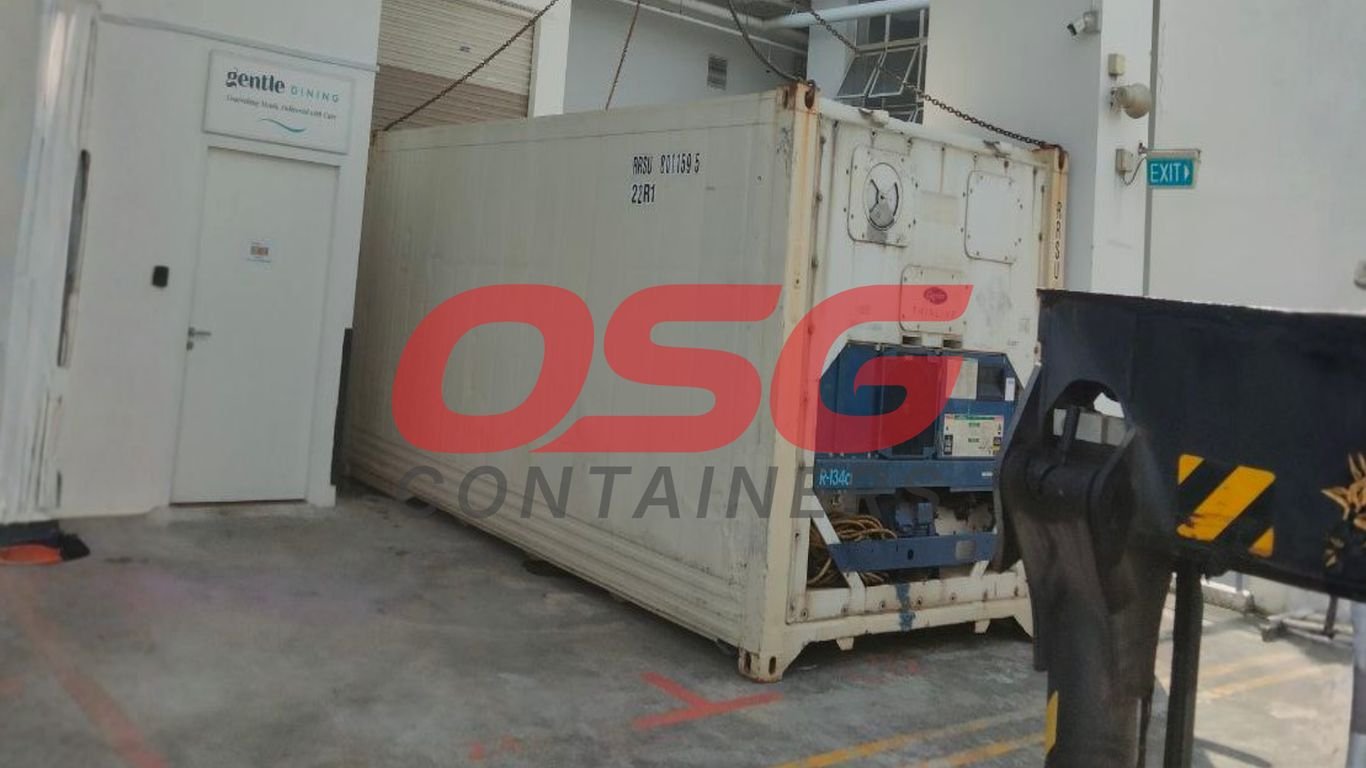
So, you’ve probably noticed things are changing in how we move temperature-sensitive goods. More and more, we’re hearing about reefer containers and why they’re suddenly so important. It’s not just about keeping things cold anymore; it’s about a whole shift in how businesses handle everything from your groceries to vital medicines. Let’s break down what this means for your business and how you can keep up.
Key Takeaways
- The demand for container reefer services is growing fast, driven by online shopping for food and medicine, plus stricter rules about keeping things safe.
- Modern container reefers are way better now, using less energy and letting you track your goods in real-time with smart tech.
- Getting enough container reefers can be tough, especially with shipping delays and high costs, so working with logistics experts often makes sense.
- Following the rules for shipping food and medicine is more important than ever, and container reefers help prove you’re doing it right.
- As more people buy things online, especially food, the need for fast and reliable container reefer shipping is only going to get bigger.
Understanding The Surge In Container Reefer Demand
The Growing Need For Temperature-Controlled Transport
It feels like everything is getting shipped these days, right? Groceries, medicines, fancy cheeses – you name it. And a lot of these items can’t just be tossed in any old box. They need to stay at a specific temperature, or they’re ruined. This is where reefer containers, or refrigerated containers, come into play. They’re basically big, mobile refrigerators designed to keep goods from spoiling or losing their effectiveness during transit. Think about it: a batch of vaccines needs to stay cold to work, and that fresh produce you ordered online won’t taste so fresh if it gets warm on the truck. The demand for keeping things at just the right temperature, from farm to fork or lab to patient, is really taking off.
Key Drivers Behind Increased Reefer Usage
So, what’s causing this big jump in needing these special containers? A few things are really pushing it. For starters, more and more people are buying groceries and medicines online. This direct-to-consumer trend means more perishable stuff is moving through the shipping system than ever before. Plus, there’s a growing global focus on making sure food and drugs are safe. Countries are putting stricter rules in place, and that means we need to be able to prove that sensitive items stayed at the right temperature the whole way. It’s not just about getting things there; it’s about getting them there safely.
Here are some of the main reasons we’re seeing this increase:
- E-commerce Boom: More online shopping means more perishable goods need careful transport.
- Food and Pharma Safety: Stricter regulations require precise temperature control and tracking.
- Global Supply Chain Shifts: Changes in where goods are produced and consumed create new transport needs.
- Consumer Preferences: People want fresh, high-quality products, even if they’re shipped from far away.
The need for reliable temperature control isn’t just a niche requirement anymore; it’s becoming a standard expectation for a wide range of products. Businesses that don’t adapt risk losing product and customer trust.
Market Projections For Refrigerated Shipping
Looking at the numbers, it’s clear this isn’t a small trend. Experts are predicting that the market for refrigerated shipping containers will keep growing at a pretty good clip. We’re talking about a significant increase in the value of this market over the next few years. This growth is faster than many other parts of the shipping industry. It means more containers are needed, and companies that handle shipping have to figure out how to get them where they’re needed, especially with some regions facing shortages.
| Year | Projected Market Value (USD Billions) |
|---|---|
| 2023 | 21.6 |
| 2025 | ~25.0 (Estimated based on CAGR) |
This upward trend suggests that investing in or utilizing reefer services will likely become even more important for businesses dealing with temperature-sensitive goods.
Technological Advancements Enhancing Container Reefer Capabilities
Modern reefer containers are way more advanced than they used to be. Think less about clunky old boxes and more about smart, efficient machines keeping your goods just right. These improvements are making a big difference in how we ship temperature-sensitive items.
Energy Efficiency and Sustainability in Modern Reefers
Companies are really pushing to make these containers use less power. Newer models often use better cooling systems and more eco-friendly refrigerants. This not only helps the planet by cutting down on emissions but also saves businesses money on energy costs. It’s a win-win, really. We’re seeing a move away from older, less efficient designs towards units that are kinder to the environment.
Real-Time Monitoring Through IoT Integration
This is a game-changer. Thanks to the Internet of Things (IoT), many reefers now come with sensors that let you track exactly what’s happening inside. You can see the temperature, humidity, and even the container’s location in real-time, right from your computer or phone. If something goes wrong, like the temperature spikes, you get an alert immediately. This means you can fix problems before they ruin your cargo. It’s like having eyes on your shipment 24/7.
- Immediate Alerts: Get notified instantly about temperature deviations.
- Location Tracking: Know where your container is at all times.
- Data Logging: Keep a record of conditions for compliance and analysis.
- Remote Adjustments: Some systems even let you tweak settings from afar.
The ability to monitor conditions remotely and receive instant alerts is transforming how businesses manage their cold chain. It reduces the risk of spoilage and provides a clear audit trail, which is becoming increasingly important.
Customization Options For Diverse Cargo Needs
Not all cargo is the same, right? So, reefers aren’t either. You can get them with extra insulation for extreme temperatures or even set up different temperature zones within a single container. This means you can ship a wider variety of products, from fresh produce to sensitive pharmaceuticals, all in one go if needed. While standard reefers handle a lot, specialized units, and even things like iso tanks adapted for temperature control, offer even more flexibility for unique shipping challenges. It’s all about getting the right setup for what you’re sending.
Navigating The Evolving Landscape Of Refrigerated Shipping
So, the demand for these special refrigerated containers, or ‘reefers’ as they’re called, is really taking off. This means businesses need to figure out how to keep up. It’s not just about having more containers; it’s about having the right ones and using them smartly.
Meeting Increased Demand With Expanded Capacity
Lots of shipping companies are adding more reefer units to their fleets. It makes sense, right? More people are buying things that need to stay cold, so companies need more trucks to move them. But here’s the thing: these reefer trucks are pretty expensive. A new one can cost way more than a regular truck, sometimes 40-50% more. This can be tough for smaller shipping outfits. They might not have the cash to buy a whole bunch of new, fancy reefers. So, they often end up working with bigger partners or logistics companies that already have the capacity.
The Role Of Third-Party Logistics Providers
Because buying and running your own reefer fleet is such a big deal, a lot of companies are turning to third-party logistics (3PL) providers. Think of them as experts who handle the shipping for you. They already have the trucks, the drivers, and the know-how. Plus, they can often offer specialized services, like trailers that can keep different sections at different temperatures. This is super handy if you’re shipping a mix of things that need slightly different cold levels. Working with a 3PL can take a lot of the headache out of managing your own cold chain.
Addressing Equipment Costs And Maintenance
We already talked about how much reefers cost to buy. But that’s not the end of the story. These units also need more upkeep than regular trucks. They’ve got complex cooling systems, and if something goes wrong, it can be a big problem, especially if you’re hauling something really sensitive like medicine or fresh produce. Keeping these machines running smoothly is a constant job. Plus, with new rules coming out, like in California, about phasing out older engine types, companies have to think about future-proofing their equipment, which adds another layer of cost and planning. It’s a lot to consider when you’re just trying to get your goods from point A to point B safely.
The cost of specialized equipment and the ongoing maintenance required for refrigerated transport present significant financial considerations for businesses. This, coupled with evolving regulatory landscapes, necessitates careful planning and often strategic partnerships to manage operational expenses effectively and maintain compliance.
Regulatory Compliance And The Container Reefer
Keeping up with rules and regulations is a big part of shipping, especially when you’re dealing with things that need to stay cold. For reefer containers, this means making sure everything is documented and that the temperature stays exactly where it should be, from start to finish. It’s not just about getting goods from point A to point B; it’s about proving they were handled correctly the whole way.
Stricter Standards For Food And Pharmaceutical Safety
Governments worldwide are putting tighter rules in place for how food and medicines are transported. This is good news for consumers, but it means more work for businesses. You have to be able to show that your reefer containers maintained the correct temperatures throughout the journey. This is where modern reefer containers really shine. They’re built to keep precise temperatures, and many now come with systems that record this information.
- Food Safety: Regulations often require specific temperature ranges to prevent spoilage and bacterial growth. For example, fresh produce might need to stay between 0-4°C (32-39°F), while frozen goods need to be much colder, like -18°C (0°F).
- Pharmaceutical Integrity: Medicines and vaccines are even more sensitive. Some require ultra-low temperatures, and any deviation can render them useless or even dangerous. This makes reliable temperature control in reefer containers absolutely vital.
- Documentation: You’ll need records to prove compliance. This includes temperature logs, transit details, and any actions taken if a temperature issue arose.
Ensuring Traceability And Documentation
Traceability is a huge buzzword these days, and for good reason. When you’re shipping sensitive items, you need to know exactly where they’ve been and what conditions they’ve been exposed to. Modern reefer containers, often equipped with IoT sensors, provide this detailed tracking. This means you can see the temperature history of your shipment in real-time and have a digital trail if any questions come up. It’s like having a black box for your cargo.
The complexity of global supply chains means that a single shipment can pass through many hands and locations. Having clear, verifiable documentation from the reefer container itself helps build trust and avoids costly disputes or product recalls. It’s about accountability at every step.
Adapting To Evolving Global Regulations
Regulations aren’t static; they change. What’s acceptable today might not be tomorrow. This means businesses using reefer containers need to stay informed about new rules, especially those related to environmental impact and safety standards. For instance, there’s a growing push for more energy-efficient cooling systems and eco-friendly refrigerants. Companies that proactively update their equipment and processes to meet these changing global standards will be better positioned to succeed. It’s about being prepared for what’s next in the world of refrigerated shipping.
Impact Of E-commerce On Container Reefer Logistics
You know, it’s pretty wild how much online shopping has changed things. Remember when you mostly bought books or electronics online? Now, people are getting groceries, fresh produce, and even medicines delivered right to their door. This whole shift is putting a ton of pressure on the cold chain, and guess what’s right in the middle of it all? Reefer containers.
Direct-to-Consumer Delivery Of Perishables
This is a big one. As more folks buy food and other temperature-sensitive items online, businesses need a reliable way to get those goods from the warehouse to your kitchen without them going bad. Reefer containers are becoming the workhorses for this direct-to-consumer (DTC) rush. They keep things like fruits, veggies, dairy, and even frozen meals at the exact temperature they need to be, all the way from the distribution center to your doorstep. It’s not just about keeping things cold; it’s about keeping them perfectly cold.
Faster Shipping Times For Temperature-Sensitive Goods
Nobody likes waiting around for their ice cream to melt or their medicine to lose its potency. E-commerce customers expect things fast, and that includes perishables. Reefer containers, especially when integrated into smart logistics networks, help speed things up. They can be pre-cooled and loaded quickly, and their ability to move seamlessly across different transport modes – truck, train, ship – means less time sitting around and more time getting to the customer. This speed is a game-changer for businesses trying to compete in the online marketplace.
The Importance Of Reliable Cold Chain Solutions
When you order something that needs to stay cold, you just assume it will arrive that way. But behind that simple expectation is a complex system. Here’s what makes a reliable cold chain solution so vital in the age of e-commerce:
- Temperature Integrity: Maintaining a consistent temperature is non-negotiable. Even small fluctuations can ruin a product or make it unsafe.
- Traceability: Knowing exactly where your shipment has been and what temperatures it experienced is key. This is where technology like IoT sensors in reefers really shines, giving businesses and consumers peace of mind.
- Scalability: As demand for online perishable goods grows, the cold chain needs to be able to scale up quickly. Reefer containers offer a flexible way to add capacity as needed, whether for a local delivery route or a large international shipment.
- Cost-Effectiveness: While specialized equipment, reefers are becoming more energy-efficient, helping to manage the overall cost of shipping temperature-sensitive items online.
The convenience of online shopping has fundamentally changed consumer expectations. For businesses dealing with perishable goods, this means investing in robust cold chain logistics isn’t just an option anymore; it’s a necessity for survival and growth in the digital economy. The ability to deliver fresh, safe products consistently is what builds customer loyalty in this new era.
Future Trends In The Container Reefer Market
Looking ahead, the reefer container market isn’t slowing down. In fact, it’s set for some pretty significant shifts that businesses need to pay attention to. It’s not just about keeping things cold anymore; it’s about doing it smarter, greener, and with more information than ever before.
Continued Growth In Cold Chain Infrastructure
The demand for temperature-controlled shipping is only going up. This means we’ll see more investment in the whole cold chain – think more refrigerated warehouses, better distribution hubs, and improved transport networks. Reefer containers are right at the center of this expansion, offering a flexible way to move goods as the need for cold storage grows.
Automation And Smart Technologies In Logistics
Get ready for more tech. Automation is making its way into cold chain logistics, and reefer containers are getting smarter too. IoT sensors are becoming standard, giving real-time updates on temperature, humidity, and location. This kind of visibility helps catch problems before they become big issues, which is a huge win for keeping sensitive cargo safe.
- Real-time temperature monitoring: Alerts you instantly if things get too warm or too cold.
- Predictive maintenance: Sensors can flag potential equipment failures before they happen.
- Automated inventory management: Streamlines tracking and reduces manual errors.
The push for efficiency and better tracking means that reefer containers will increasingly be equipped with advanced sensors and connectivity. This allows for a level of oversight that was unimaginable just a few years ago, making the entire shipping process more reliable and transparent.
The Indispensable Role Of Container Reefers
Despite all the new tech and infrastructure, the basic need for reefer containers isn’t going anywhere. They are still the workhorses for moving perishable goods across the globe. Their ability to maintain precise temperatures, combined with increasing energy efficiency and smart monitoring, makes them essential for industries like food and pharmaceuticals. As e-commerce continues to grow and global trade expands, the need for these specialized containers will only become more pronounced. They are, and will remain, a critical link in keeping our supply chains moving and our products fresh.
Wrapping It Up: What This Means for Your Business
So, what’s the takeaway from all this talk about reefer containers? Basically, the world wants more temperature-controlled stuff, and it wants it delivered reliably. Whether it’s your morning coffee beans, that new medicine, or fresh produce for dinner, keeping things cool during transit is becoming a bigger deal. This means businesses need to pay attention. You might need to think about how you’re shipping things, maybe look into working with partners who specialize in this, and keep an eye on new tech that makes it all more efficient and even greener. It’s not just about moving goods anymore; it’s about moving them right. Getting this sorted can really make a difference for your customers and your bottom line.
Frequently Asked Questions
What exactly is a reefer container?
Think of a reefer container as a special kind of shipping box that keeps things cold, just like a giant refrigerator. It’s used to transport items that can spoil if they get too warm, like fresh food, medicines, and even some delicate items.
Why are more businesses using reefer containers now?
Lots of reasons! People are buying more groceries and medicines online, and these items need to stay at the right temperature. Also, rules about keeping food and medicine safe are getting stricter, and reefer containers help follow those rules.
Are modern reefer containers better for the environment?
Yes, many newer reefer containers are designed to use less energy and friendlier cooling stuff. This means they’re kinder to the planet and can save businesses money on electricity.
How do I know if my shipment is staying at the right temperature?
Many reefer containers have cool technology, like sensors connected to the internet. This lets businesses see the temperature in real-time and get alerts if it changes, making sure your stuff stays safe.
Is it expensive to use reefer containers?
Reefer containers can cost more than regular ones because of the special cooling equipment. Many businesses work with shipping companies that have their own reefer fleets to help manage these costs.
What’s the future looking like for reefer containers?
The demand for reefer containers is expected to keep growing as more people shop online for fresh goods and medicines. Technology will also make them even smarter and more eco-friendly.