Singapore
 Australia
 Indonesia
 Japan
Japan Malaysia
 New Zealand
 Philippines
 South Korea
 Taiwan
 Thailand
 VIETNAM
So, you’re thinking about shipping stuff and wondering about the best container to use. Maybe you’ve heard of a 40 HQ container and are curious what the big deal is. Honestly, it’s not as complicated as it sounds. It’s basically a bigger version of a regular shipping container, and that extra bit of space can actually make a pretty big difference for certain jobs. Let’s break down why picking a 40 HQ might just be the smartest move you make for your cargo.
Key Takeaways
- The 40 HQ container offers about 10% more space than a standard 40-foot container because it’s a foot taller. This extra height is great for taller items or stacking more.
- Knowing the exact inside and outside measurements, including the door size, is super important for planning how to load your goods and avoiding problems.
- Always check the total weight of your loaded container to stay under the limit. This stops fines and keeps things moving smoothly.
- Load your container smartly. Put heavier things at the bottom and make sure everything is secured. Use that extra height to pack more efficiently.
- Choosing a 40 HQ can mean using fewer containers overall, which can save you money and reduce your shipping footprint.
Understanding the 40 HQ Container Dimensions
When you’re looking at shipping options, especially if you’ve got a lot of stuff or some particularly tall items, the 40 HQ container, often called a ‘high cube’ or ’40 hq’, is worth a close look. It’s basically a standard 40-foot container, but with a bit of extra height. This might not sound like much, but it can make a surprising difference in how much you can fit.
Exterior Measurements for Strategic Planning
Knowing the outside dimensions of a 40 high q container is pretty important before you even start thinking about loading. It helps you plan how it’ll be moved around, where it can be stored, and if it can even fit on certain routes. These external measurements are key for avoiding headaches down the road.
| Dimension | Metric (approx.) | Imperial (approx.) |
|---|---|---|
| Length | 12.19 m | 40′ 0" |
| Width | 2.44 m | 8′ 0" |
| Height | 2.90 m | 9′ 6" |
Remember, that extra height means you need to be mindful of things like bridges or overhead structures when you’re planning transport. Always double-check your route!
Interior Space for Optimal Loading
This is where the ‘high cube’ part really shines. While the length and width are the same as a regular 40-foot container (cont 40 feet), the extra height gives you more usable space inside. This means you can stack things higher or fit taller items that wouldn’t normally go in a standard container.
- Inside Length: Around 12.03 meters (39′ 6")
- Inside Width: About 2.35 meters (7′ 9")
- Inside Height: Roughly 2.70 meters (8′ 10")
This extra vertical room is a big deal for bulky goods or when you’re trying to maximize every inch.
Doorway Dimensions for Access
Getting your goods in and out is just as important as the space inside. The door opening on a 40 HQ container is designed to make loading easier, especially with forklifts or pallet jacks.
- Door Width: Approximately 2.34 meters (7′ 8")
- Door Height: Around 2.59 meters (8′ 6")
It’s always a good idea to measure your largest items to make sure they’ll clear the doorway. You don’t want to get to the loading dock and find out your main piece of equipment won’t fit through!
Planning your load around these dimensions, especially the internal height and door opening, can save you a lot of time and potential extra costs. It’s all about making sure your cargo fits efficiently and safely.
Maximizing Cargo Capacity with a 40 HQ
When you’re looking to ship a lot of stuff, especially if it’s bulky or tall, the 40-foot High Cube (HQ) container really shines. It’s basically a standard 40-foot container, but with an extra foot of height. This might not sound like much, but it adds up to a significant amount of extra space, often around 13% more volume than its shorter cousin. This extra room can make a big difference in how much you can fit into a single shipment.
The Advantage of Extra Height
That extra foot of height isn’t just for show. It means you can stack more items, which is a lifesaver if you’re dealing with lighter goods that take up a lot of space. Think furniture, foam products, or even assembled goods that don’t weigh a ton but are awkward shapes. It also means you can fit taller items that just wouldn’t go into a regular container. This vertical advantage is key to getting more product into each box.
Increased Cubic Volume Benefits
The main draw of the 40 HQ is its increased cubic volume. While a standard 40-foot container offers about 67 cubic meters of space, the High Cube bumps that up to around 76 cubic meters. That’s nearly 9 extra cubic meters of room to play with. For businesses shipping goods that aren’t super heavy but take up a lot of space, this extra volume can mean using fewer containers overall. Fewer containers mean lower shipping costs and less hassle.
Pallet Loading Efficiency
Loading pallets is a big part of shipping, and the 40 HQ container can often accommodate more pallets than a standard one, depending on the pallet size and how you arrange them. For instance, you can typically fit 24 to 30 European pallets, or 20 to 22 standard pallets, into a 40 HQ. Sometimes, with clever arrangement, you can even squeeze in a few more. This efficiency in pallet loading directly translates to better use of space and potentially fewer shipments needed to move the same amount of goods.
The extra height in a 40 HQ container is a game-changer for bulky, lightweight items. It allows for better utilization of vertical space, potentially reducing the number of containers needed and saving on overall shipping expenses.
Here’s a quick look at how pallet capacity can differ:
| Pallet Type | Pallet Size (inches) | Pallets in Standard 40ft | Pallets in 40ft HQ |
|---|---|---|---|
| Standard | 48 x 40 | 20–22 | 24 |
| European | 47.24 x 31.5 | 24–30 | 30 |
This table shows that for both standard and European pallets, the 40 HQ generally offers a bit more capacity, especially when you’re aiming to maximize every inch.
Key Applications for the 40 HQ Container
So, you’ve got a bunch of stuff to move or store, and you’re looking at a 40 HQ container. What can you actually do with all that space? Turns out, quite a lot. These aren’t just for shipping generic goods; they’re pretty versatile.
Shipping Bulky and Tall Items
This is where the "High Cube" part really shines. Because it’s a foot taller than a standard 40-foot container, you suddenly have room for things that just wouldn’t fit otherwise. Think tall furniture, stacks of mattresses, or even machinery that has a bit of height to it. The extra vertical space is a game-changer for items that would otherwise require specialized, more expensive transport. It means you can often fit more items in a single container, saving you money and hassle.
Versatile Storage Solutions
Beyond just shipping, these containers are fantastic for temporary or long-term storage. Businesses use them for excess inventory, seasonal stock, or equipment storage on job sites. Homeowners might use one during a major renovation or if they’re downsizing and need a place for their belongings. They’re like a portable warehouse, really. You can set them up pretty much anywhere, offering a flexible storage option.
Modular Construction and Conversions
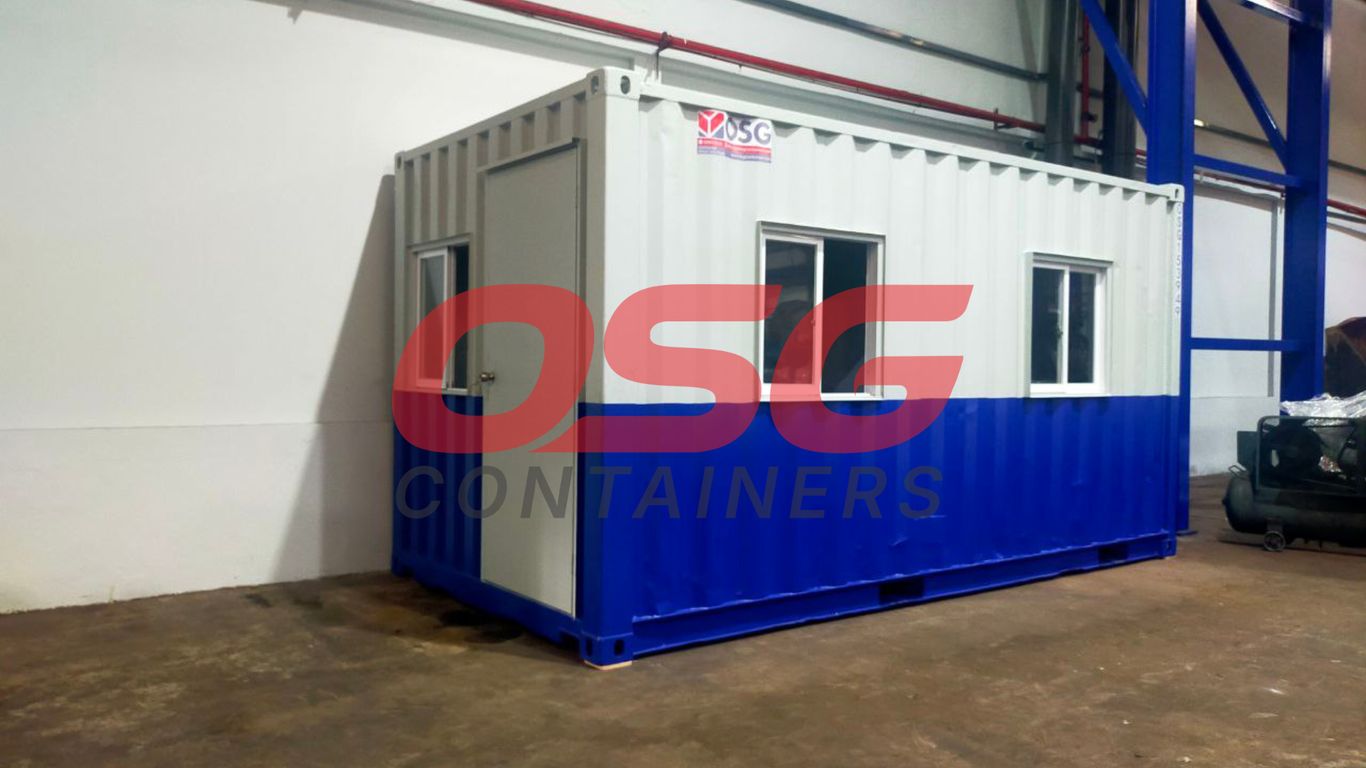
This is a growing area. People are taking 40 HQ containers and turning them into all sorts of things. We’re talking pop-up shops, temporary offices on construction sites, even small homes or studios. The extra height makes them much more comfortable to work or live in compared to standard containers. Plus, they’re built tough, so they can handle being modified.
- Pop-up Retail: Create unique storefronts or event spaces.
- On-site Offices: Provide a comfortable workspace for project managers.
- Workshops/Studios: Hobbyists and artists find them great for dedicated creative spaces.
- Temporary Housing: A viable option for emergency shelters or short-term accommodation.
When you’re thinking about converting a container, remember that the extra height isn’t just for fitting things in; it makes the space feel much more open and usable for people. This is a big deal for comfort and functionality.
These cargo containers are more than just boxes; they’re adaptable spaces for a wide range of needs.
Cost-Effectiveness of Choosing a 40 HQ
Choosing a 40-foot high cube (40 HQ) container actually changes the math on shipping and storage costs in a real way. It’s not just about cramming more boxes in; you start saving as soon as you look at how your shipments add up over time.
Reducing Container Count
- You can fit around 10% more cargo into a 40 HQ compared to a standard 40-foot container.
- This extra space often means you need fewer containers for the same amount of goods, which drops your total shipping bills.
- Handling and paperwork get simplified, too. Fewer containers mean faster port clearance and less chasing after misplaced items.
| Container Type | Approx. Internal Volume (ft³) | Fits Most Euro Pallets | Typical Use |
|---|---|---|---|
| 40′ Standard (GP) | 2,350 | 23 | General Cargo |
| 40′ High Cube (HQ) | 2,694 | 25 | Bulky/Tall Items |
<blockquote>
The more you can get into a single container, the less you spend overall—less fuel, less labor, and fewer delivery runs.
</blockquote>
Long-Term Value and Resale
- 40 HQ containers often fetch a higher resale value than their standard counterparts.
- Their flexibility means you might be able to rent out or repurpose yours if you no longer need it for shipping—everything from storage units to temporary offices.
- Buyers and renters like the extra headroom, so demand usually stays steady.
Comparing Costs with Standard Containers
- The cost difference between a standard 40-foot container and a 40 HQ is typically outweighed by what you save in reduced shipping cycles.
- Even with a slightly higher upfront cost, using fewer containers tends to balance things out fast.
- Specifically for tall or lightweight, bulky items: the 40 HQ’s extra cubic volume makes a big difference in how efficiently you move goods while minimizing wasted space.
If your aim is squeezing the most value for each load, going with a 40 HQ can actually be the budget pick—even if it doesn’t look that way at first glance.
Logistical Considerations for 40 HQ Transport
So, you’ve decided a 40 HQ container is the way to go. Awesome! But before you start dreaming about all that extra space, let’s talk about getting it from point A to point B. It’s not quite as simple as just calling up your regular moving truck.
Specialized Handling Equipment
These containers, even when empty, are pretty hefty – we’re talking around 10,000 pounds. Most standard trucks just can’t handle that kind of weight safely. You’ll likely need specialized gear. Think side loaders, rotator trucks, or cranes. If you’re using forklifts, make sure they’re heavy-duty and the forks are long enough to get a good, even grip. Getting the right equipment is key to avoiding damage and keeping everyone safe.
Route Planning and Height Restrictions
This is a big one, especially with the "High Cube" part. That extra foot of height means you need to be mindful of overhead obstacles. Bridges, overpasses, and even low-hanging power lines can be a problem. Always check your route beforehand. Some areas have specific height limits for vehicles on certain roads. It’s better to plan a slightly longer route than to risk a costly mishap.
Delivery Site Accessibility
Think about where the container needs to end up. Can the truck carrying it actually get there? Is there enough space to maneuver? You’ll need clear access for the specialized equipment mentioned earlier. If your site is tight or has tricky turns, you might need to arrange for the container to be dropped off at a more accessible location nearby and then moved to its final spot using smaller equipment. It’s also worth considering if the ground can support the weight, especially if the container will be stationary for a while.
Planning ahead for the physical movement and placement of a 40 HQ container can save a lot of headaches and unexpected costs down the line. Don’t underestimate the importance of site surveys and route checks.
Optimizing Your Load in a 40 HQ
So, you’ve got your 40 HQ container, and you’re ready to pack it up. Now, how do you make sure you’re getting the absolute most out of that extra height and space? It’s not just about shoving things in there; it’s about smart packing. Getting your cargo arranged right can save you money and headaches down the road.
Strategic Placement of Goods
When you’re loading, think about weight distribution. Heavy items should always go on the bottom. This keeps the container stable and prevents lighter things from getting crushed. Imagine trying to stack delicate boxes on top of a huge engine block – not a good idea, right? Spread the weight evenly across the floor to avoid putting too much stress on one side. This also helps when the container is being moved.
Utilizing Vertical Space Effectively
This is where the "High Cube" part really shines. Don’t just fill the container up to the standard height. You’ve got that extra foot or so to play with. This means you can stack more items, or fit taller things that wouldn’t normally go in a standard container. Think about furniture, appliances, or even specially designed crates. You can use shelving units or create sturdy platforms to stack goods safely. Just make sure whatever you stack is secure and won’t shift during transit.
Securing Cargo for Transit
Once everything is loaded, you can’t just leave it loose. Things will move around, especially on a ship or truck. Use straps, bracing, and dunnage (like air bags or cardboard) to fill any gaps. This stops items from sliding, tipping, or falling. Proper securing means your goods arrive in the same condition they left. It’s a bit of extra work, but it’s way cheaper than dealing with damaged inventory.
Packing a 40 HQ container efficiently is a bit like playing Tetris, but with real-world consequences. You want to fit as much as possible without compromising safety or stability. Planning your loading sequence, using the full height, and making sure everything is tied down tight are the keys to success. It takes a little thought, but the payoff in terms of space and cost savings is definitely worth it.
Wrapping It Up
So, when it comes down to it, picking a 40 HQ container really just makes sense for a lot of situations. It’s not just about getting a bit more space; it’s about being smarter with your shipping. You can fit more stuff, maybe use fewer containers overall, and that can add up to real savings. Plus, for those taller items, it’s a no-brainer. Just remember to check those height restrictions and plan your loading carefully. It’s a solid choice for moving a lot of goods, especially if they’re bulky or light. Give it some thought for your next shipment – it might just be the perfect fit.
Frequently Asked Questions
What makes a 40 HQ container different from a regular 40ft container?
A 40 HQ container is like a regular 40ft container, but it’s about a foot taller. This extra height gives you more room inside, which is super helpful if you’re shipping tall items or just want to fit more stuff in general. Think of it as getting a bit more bang for your buck in terms of space.
How much more can I fit in a 40 HQ container compared to a standard one?
You can fit about 10% more stuff in a 40 HQ container because of that extra height. It’s like having a taller box to pack things in. This extra space can mean you need fewer containers, which can save you money and make shipping easier.
Can I use a 40 HQ container for storing things on my property?
Absolutely! A 40 HQ container is a great option for extra storage. Just make sure the ground where you put it is nice and level. Placing it on blocks can help keep water away from the bottom. It’s a solid choice for storing tools, equipment, or even household items.
What kind of items are best suited for a 40 HQ container?
This container is perfect for shipping things that are tall or bulky, like furniture, machinery, or even stacked boxes. If your items take up a lot of vertical space, the extra height of the 40 HQ really comes in handy. It’s also good for lighter items that take up a lot of room.
Do I need special equipment to move a 40 HQ container?
Yes, you often do. Since these containers can be quite heavy, especially when loaded, you might need special trucks or cranes to move them safely. It’s important to plan ahead and make sure you have the right gear or hire someone who does to avoid any problems.
Is a 40 HQ container more expensive than a standard one?
Generally, a 40 HQ container might cost a little more than a standard 40ft container because of the extra material and height. However, the extra space you get can often save you money in the long run by letting you ship more goods in fewer containers. It’s a trade-off that can be very worthwhile.