Singapore
 Australia
 Indonesia
 Japan
Japan Malaysia
 New Zealand
 Philippines
 South Korea
 Taiwan
 Thailand
 VIETNAM
When you’re moving goods, you’ve got to think about what you’re sending. Some stuff is fine just sitting there, but other things? They need special treatment. That’s where the difference between a regular shipping container and a container reefer really matters. It’s not just a small detail; it can mean the difference between your products arriving in good shape or being a total loss. Let’s break down what makes them different and when you’d pick one over the other.
Key Takeaways
- A container reefer, short for refrigerated container, has its own cooling system to keep a steady temperature inside, unlike standard containers.
- Reefers are built with extra insulation and often have special floors to help air move around the cargo, which standard containers don’t.
- These specialized containers are powered by electricity and need a good power source to run their temperature control systems.
- They are mainly used for things that can spoil or need to be kept at a specific temperature, like food, medicines, or flowers.
- Choosing between a standard container and a container reefer depends on if your goods need temperature control; reefers cost more but protect sensitive items, while standard ones are cheaper for general use.
Understanding The Reefer Container
What Defines A Reefer Container?
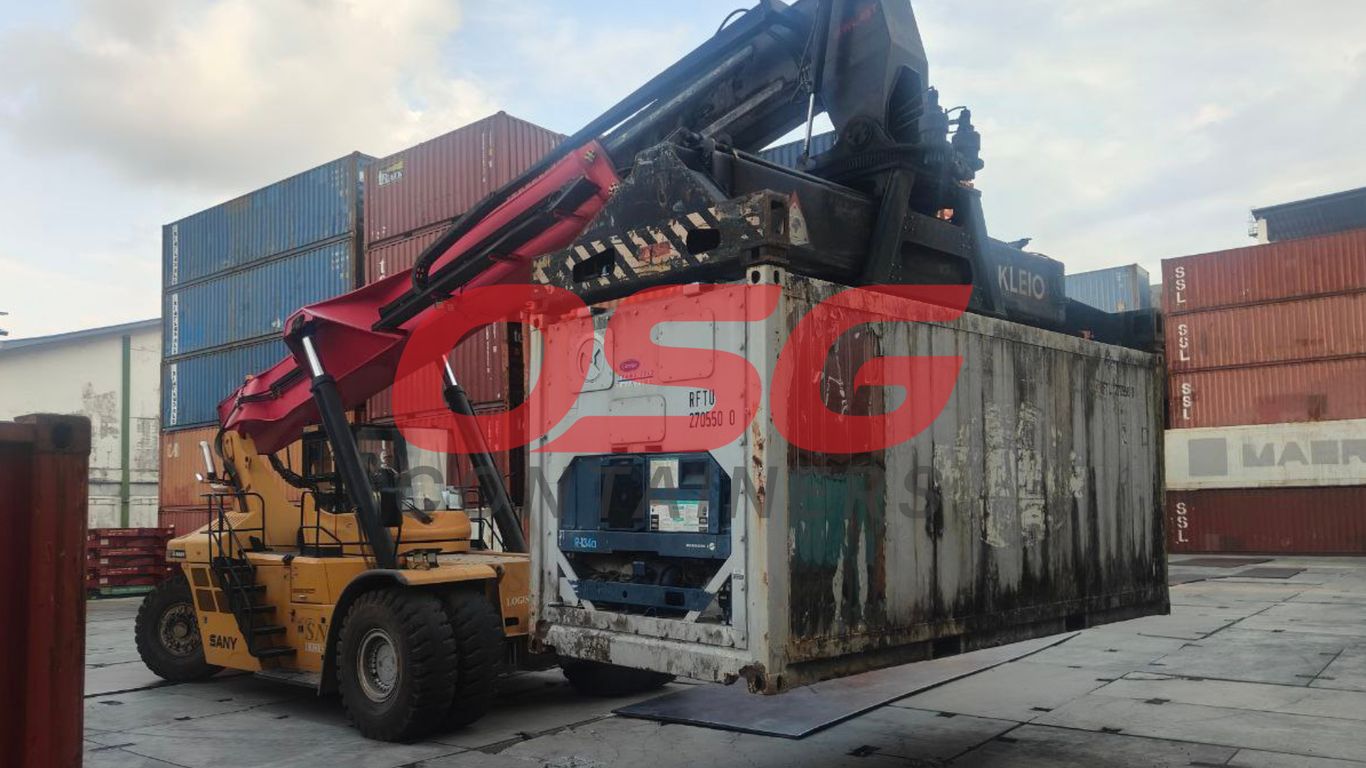
A reefer container, short for refrigerated container, is basically a specialized shipping container built to keep things at a specific temperature. Think of it as a mobile, super-insulated box with its own climate control system. Unlike the standard metal boxes you see everywhere, a reefer container has a built-in refrigeration unit. This unit is the heart of the operation, allowing you to set and maintain a precise temperature inside, whether you need it freezing cold or just cool. This makes the reefer container a go-to choice for shipping anything that can’t handle big temperature swings. You’ll see these all over the place, from ships to warehouses, especially if you’re dealing with goods that need careful handling. Many places, like reefer container singapore suppliers, offer these units for various needs.
Key Features Of A Reefer Container
Reefer refrigerated containers have a few standout features that set them apart:
- Integrated Refrigeration Unit: This is the main event. It’s a powerful cooling (and sometimes heating) system attached to the container, allowing for active temperature control.
- Heavy Insulation: The walls, ceiling, and floor are much thicker and better insulated than standard containers. This is key to preventing outside temperatures from affecting the inside climate.
- Specialized Flooring: Most reefers have an aluminum T-shaped floor. This isn’t just for looks; it creates a small gap underneath the cargo, helping air circulate properly around the goods.
- Internal Air Circulation System: The refrigeration unit works with the flooring and internal design to ensure cold air can move freely around the entire cargo space.
The Purpose Of A Reefer Container
The main job of a reefer container is to protect temperature-sensitive cargo. This means keeping things consistently cold or frozen during transit or storage. It’s all about preserving the quality and extending the shelf life of products that would otherwise spoil quickly. Whether it’s fresh produce, frozen meats, or delicate pharmaceuticals, the reefer container acts as a controlled environment, shielding the contents from the unpredictable external weather. It’s a reliable way to move goods that need a stable temperature, from point A to point B, without any fuss.
Structural Differences Between Container Types
Insulation: A Critical Distinction
When you look at a standard shipping container, it’s basically a tough metal box. They’re built strong, usually from Corten steel, to handle rough journeys and protect whatever’s inside from the elements. But, they don’t do much to control the temperature on their own. Reefer containers, on the other hand, are designed with temperature control as their main job. This is why insulation is the biggest difference you’ll find. Reefer units have thick, insulated walls, often a double-layered vacuum system, to keep the cold air in and the warm air out, or vice-versa if you’re heating. Standard containers just don’t have this level of thermal protection.
Flooring Variations For Airflow
Another key structural difference is the flooring. Standard containers typically have a solid plywood floor. It’s durable and works fine for general cargo. However, reefer containers often feature a specialized floor, commonly made of T-shaped aluminum. This design isn’t just for looks; it creates a gap underneath the cargo. This gap is super important because it allows the cooled or heated air from the refrigeration unit to circulate properly all around the goods. Without this airflow system, you’d end up with hot spots and uneven temperatures, which is a big no-no for sensitive cargo.
Material Composition And Durability
While both types of containers are built to last, their material composition can vary slightly to suit their purpose. Standard containers are robust, made from strong steel alloys designed for general cargo transport. Reefer containers also use strong materials, but the focus shifts to integrating the insulation and refrigeration machinery. The exterior might look similar, but the internal structure of a reefer is more complex, housing the insulation layers and the cooling system components. This added complexity means reefer containers are generally heavier and more expensive to produce than their standard counterparts. They are built for a specific, demanding job, and that shows in their construction.
The primary goal of a reefer’s structure is to create and maintain a controlled internal environment, whereas a standard container’s structure prioritizes general protection and durability against external forces.
Operational Capabilities Of Reefer Units
Reefer containers are pretty amazing pieces of equipment, designed to keep your stuff at just the right temperature, no matter what’s happening outside. They’re not just fancy boxes; they have actual built-in systems to manage the environment inside.
Temperature Control Systems Explained
At its core, a reefer unit is all about temperature. These units can keep things chilled or frozen, and the range is pretty wide. Most standard reefers can handle temperatures from about 25°C (that’s warm!) all the way down to -25°C (super cold). Some special ones, called ‘super freezers,’ can even go as low as -70°C. The key is that these systems maintain a set temperature, they don’t actually cool down warm cargo. You have to pre-cool your goods before loading them. The refrigeration unit then works to keep that temperature steady throughout the trip.
Humidity And Ventilation Management
It’s not just about temperature, though. Humidity and airflow are also super important, especially for things like fruits and vegetables. Reefers have systems to manage the moisture in the air. Some can even dehumidify if needed, though they often operate between 60% and 85% relative humidity. Ventilation is also built-in. Air needs to circulate to remove heat and gases produced by the cargo. This means air has to flow through the goods, which is why how you load the container is a big deal. You don’t want big gaps where air can’t get through.
Power Requirements For Operation
All this fancy temperature and humidity control needs power. Reefer units typically run on electricity. You’ll usually need a 3-phase power supply, often 230V or 460V. This power can come from a generator set (genset) attached to the container, or from the power available at the terminal, depot, or even on the ship itself. Without a steady power source, the refrigeration unit can’t do its job, and your cargo is at risk. It’s a bit like needing to plug in your fridge at home to keep it cold.
Applications For Temperature-Controlled Transport
So, where do these fancy reefer containers actually get used? It’s not just about shipping a few apples across the country, though that’s definitely part of it. Think about anything that can go bad or lose its quality if it gets too warm or too cold. That’s where reefers shine.
Perishable Goods And Food Industry
This is probably the most obvious use. Fresh produce like fruits and vegetables, meat, fish, and dairy products all need to stay at specific temperatures to avoid spoiling. Without reefers, a lot of the food we take for granted wouldn’t make it from the farm or factory to our plates. It’s not just about keeping things cold, either. Some items might need to be kept chilled, not frozen, while others need to be kept at a precise frozen temperature. The ability to control humidity and ventilation is also a big deal here, especially for things like fresh greens that can wilt if the air is too dry.
Pharmaceuticals And Sensitive Materials
Beyond food, there’s a whole other world of stuff that’s super sensitive to temperature. We’re talking about medicines, vaccines, and other biological materials. These often have really strict temperature requirements, sometimes needing to be kept super cold, like -70°C, which is way colder than your average freezer. Even slight temperature fluctuations can ruin a whole batch of expensive medication, making reefers absolutely necessary for this industry. It’s all about maintaining product integrity and making sure these vital supplies are safe and effective when they reach their destination.
Extended Storage And Seasonal Needs
Reefers aren’t just for long-haul shipping. Businesses often use them for extra storage, especially when they have seasonal demands or are undergoing renovations. Imagine a supermarket during the holidays needing extra fridge space, or a restaurant during peak tourist season. They can just rent a reefer container to hold extra inventory without having to invest in permanent cold storage. It’s a flexible solution for managing fluctuating storage needs. Plus, sometimes, even non-perishable items might need protection from extreme heat or cold, and a reefer can provide that controlled environment. It’s a pretty versatile piece of equipment when you think about it.
Choosing The Right Container For Your Needs
So, you’re trying to figure out which container is the best fit for your stuff. It’s not always a no-brainer, and picking the wrong one can end up costing you time and money, not to mention potentially ruining your goods. Let’s break down when you’d lean towards a reefer and when a standard container will do just fine.
When To Opt For A Reefer Container
If your cargo absolutely needs to stay within a specific temperature range, a reefer is your go-to. Think about it: fresh produce, certain medicines, or even some chemicals can go bad fast if they get too warm or too cold. Reefers are built for this precise control. They’re the workhorses for industries like food and beverage, pharmaceuticals, and anything in the cold chain logistics business. If you’re dealing with high-value, perishable items, the investment in a reefer is usually worth it to prevent spoilage.
When A Standard Container Suffices
Now, if your goods don’t have strict temperature requirements, a standard container is likely your best bet. These are great for general storage of equipment, raw materials, or finished products that can handle regular room temperatures. They offer solid protection from the elements and theft, which is often all you need. Plus, they’re really versatile; you can even convert them into temporary offices or workshops if your needs change. For most non-perishable items, a standard container is the simpler, more practical choice.
Cost-Effectiveness Of Each Type
Here’s where things get interesting. Standard containers are definitely cheaper upfront. They don’t have the complex refrigeration units or the extra insulation that reefers do. This also means lower running costs, as they don’t need a constant power supply to maintain a temperature. Reefers, on the other hand, have a higher purchase price and ongoing electricity bills. However, if you need precise temperature control to avoid losing a whole shipment of expensive goods, the reefer’s cost becomes justifiable. It’s all about weighing the risk of product loss against the cost of protection. When you’re looking at options, it’s wise to get quotes from a few different container supplier options to compare pricing for both types.
| Container Type | Initial Cost | Running Cost | Temperature Control | Best For |
|---|---|---|---|---|
| Standard Container | Lower | Very Low | None | Non-perishable goods, general storage |
| Reefer Container | Higher | Moderate | Precise Control | Perishable goods, pharmaceuticals, sensitive materials |
When making your decision, consider not just the immediate price tag but also the long-term implications. Think about potential product spoilage, energy consumption, and the specific demands of your cargo. Sometimes, paying a bit more upfront for the right equipment saves a lot of headaches down the road.
Maintaining Optimal Conditions In A Reefer
Keeping your temperature-sensitive cargo in top shape during transit is all about paying attention to the details. It’s not just about setting a temperature and forgetting it; there’s a bit more to it than that. Think of it like keeping a delicate plant happy – it needs the right environment, and that means a few specific actions.
Proper Loading and Air Circulation
This is a big one. You absolutely need to make sure air can move freely around your goods. If you pack the container too tightly, or if cargo blocks the vents, the cooling system can’t do its job effectively. This leads to hot spots and uneven temperatures, which is bad news for anything perishable.
Here’s a quick rundown on how to load right:
- Don’t block the vents: Most reefers have vents on the walls or ceiling. Make sure nothing is pushed right up against them.
- Mind the floor: Cargo shouldn’t extend beyond the T-shaped aluminum floor channels. These are designed to help air flow underneath the cargo.
- Stack smart: Use pallets or dunnage to create space between boxes or items. This allows the cold air to reach every part of the load.
- Check the load line: There’s usually a red line inside the container indicating the maximum loading height. Stay below it to allow for proper air circulation at the top.
Pre-Cooling Requirements For Cargo
This is something a lot of people overlook. The reefer unit is designed to maintain a temperature, not to cool down a whole shipment from scratch. If you load warm goods into a cold container, it’s going to struggle, and your cargo might not reach the target temperature quickly enough, if at all.
- Fruits and vegetables: These often need to be cooled down to their ideal transport temperature before they even go into the container. This helps prevent spoilage and keeps them fresh.
- Frozen goods: Similarly, if you’re shipping frozen items, they should already be frozen solid when loaded.
- Pharmaceuticals: Many medicines are highly sensitive. They need to be at the precise required temperature before loading to maintain their efficacy.
It’s always best practice to get your cargo to the desired temperature in your own facility before it gets loaded into the reefer. This gives the container’s refrigeration unit a much better chance of keeping it there.
Avoiding Overloading For Efficiency
We touched on this with air circulation, but it’s worth repeating. Overloading isn’t just about air flow; it can also put extra strain on the refrigeration unit itself. A unit working overtime to cool a massive, dense load will use more power and might not be able to keep up, especially in warmer climates.
Overloading can lead to inconsistent temperatures, increased energy consumption, and potential damage to the refrigeration machinery. It’s always better to be slightly underloaded than to risk the integrity of your shipment.
Think about it: if you cram too much in, the air can’t get around it, and the unit has to work much harder to try and cool everything down. This can lead to higher energy bills and, more importantly, a higher risk of your cargo spoiling or degrading. Stick to the weight limits and the load lines, and your reefer will perform much better.
Wrapping It Up
So, when it comes down to it, picking between a reefer and a standard container really just depends on what you’re shipping. If it’s something that needs to stay cold or frozen, like food or medicine, a reefer is your go-to. It’s got that built-in cooling system and extra insulation to keep things just right. But if you’re just moving regular stuff that doesn’t care about the temperature, like furniture or building materials, a standard container does the job perfectly fine and is usually cheaper. Think of it like choosing between a regular car and one with a super-powered air conditioner – you pick the one that fits the trip. Both are useful, but for totally different reasons.
Frequently Asked Questions
What exactly is a Reefer container?
A Reefer container, which is short for ‘refrigerated container,’ is basically a special shipping box with its own built-in cooling system. Think of it like a giant, super-strong fridge on wheels (or rather, on a ship or truck). It keeps things inside at a very specific temperature, which is super important for stuff that can go bad easily.
How is a Reefer different from a regular shipping container?
The biggest difference is the cooling machine! Regular containers are just metal boxes to keep things dry and safe from the weather. Reefers, on the other hand, have thick walls that act like insulation and a special machine that can cool or sometimes even heat the inside. Their floors are also often designed differently to help air move around better.
Do Reefer containers need electricity to work?
Yes, they absolutely do! The cooling or heating system needs power to run. This usually means plugging them into a special power source, like at a shipping yard, on a boat, or using a generator. So, you need to make sure you have the right kind of electricity available where you plan to use it.
What kinds of things are usually shipped in a Reefer container?
Reefers are perfect for anything that needs to stay cold or at a steady temperature. This includes things like fresh fruits and vegetables, meat, fish, dairy products, and even some medicines or vaccines that can spoil if they get too warm or too cold. They’re also used for things that need to be kept frozen.
Can I just use a regular container if my items don’t need to be super cold, but just not too hot?
If your items just need protection from extreme heat or cold but don’t require a specific freezing or chilling temperature, an insulated container might be a better choice. It’s like a Reefer without the cooling machine. It keeps the inside temperature more stable than a regular container, but it’s usually cheaper and simpler than a full Reefer.
What’s the most important thing to remember when loading a Reefer container?
The most crucial thing is to make sure air can move around the items inside! Don’t pack it too full, and make sure nothing blocks the vents. Proper airflow is key to keeping the temperature even throughout the container. Also, some items might need to be cooled down *before* they go into the Reefer to make sure they stay fresh.