Singapore
 Australia
 Indonesia
 Japan
Japan Malaysia
 New Zealand
 Philippines
 South Korea
 Taiwan
 Thailand
 VIETNAM
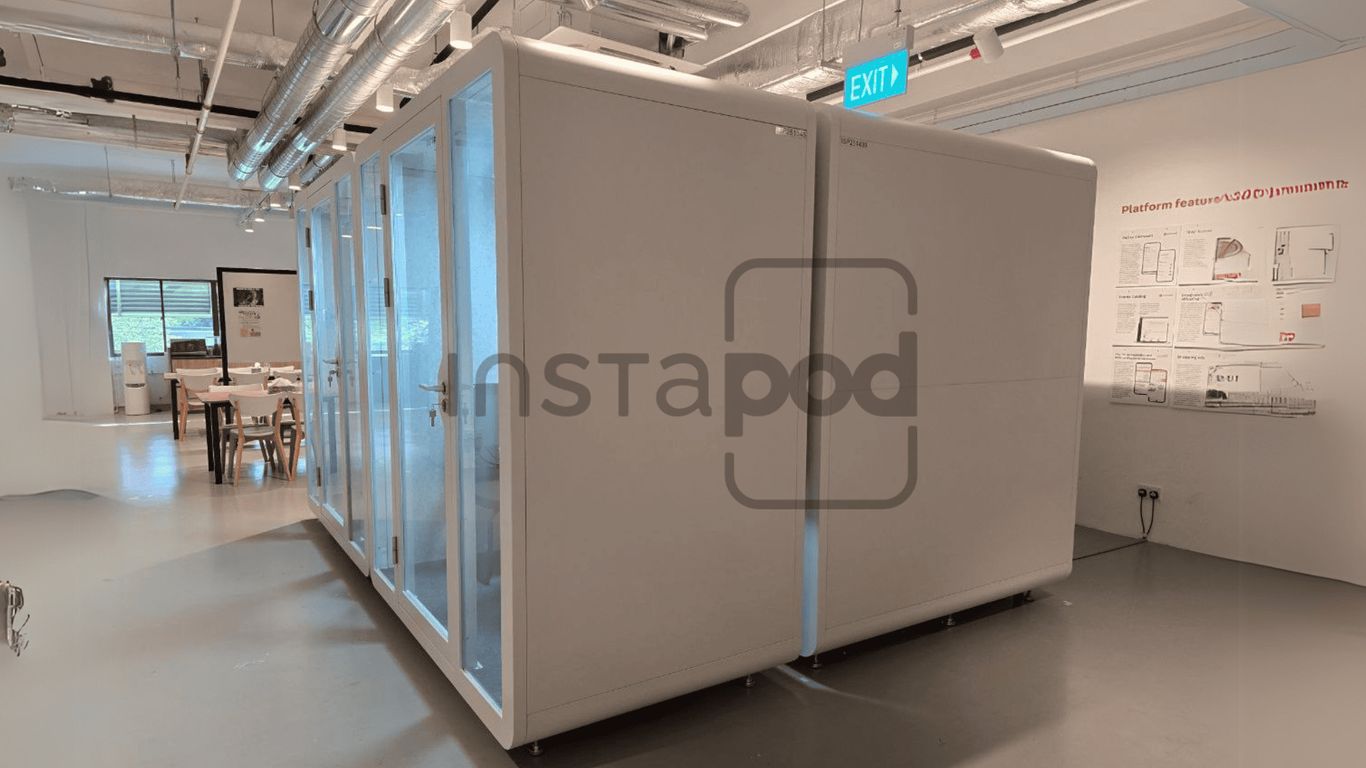
Setting up a new site office used to take ages, right? Waiting around for construction, dealing with weather delays, and all that hassle. But things are changing. We’re talking about the modern site office, which is all about getting things done faster and making the space actually work for people. Think quicker setup, smarter use of space, and technology that helps everyone do their jobs better. It’s a whole new way to think about temporary or even permanent workspaces.
Key Takeaways
- Modular site offices cut down setup time significantly, often by half compared to traditional building, because parts are made in a factory while the site is prepped.
- Building off-site in a factory setting leads to lower costs due to less labor, reduced material waste, and fewer site-related delays.
- Modern site offices are designed to be flexible, with layouts that can be easily changed to suit different team needs and work styles.
- Smart technology, like desk booking systems and environmental controls, can make a site office more efficient and comfortable for employees.
- A well-designed site office, whether through speed of setup or smart features, can boost employee satisfaction and overall productivity.
Accelerated Site Office Deployment
Getting a new site office up and running used to feel like a marathon. You’d plan, wait for permits, wait for construction, deal with weather delays, and then finally, maybe, get to move in. It was a slow process, and frankly, a headache. But things have changed. Modern site offices, especially the modular kind, are built for speed. We’re talking about cutting down those lengthy timelines significantly.
Simultaneous Factory and Site Preparation
This is where the real magic happens. While your team is busy getting the actual site ready – think clearing the land, pouring foundations, and hooking up utilities – your office building is being constructed elsewhere. It’s happening in a controlled factory environment, away from rain, snow, or any other outdoor drama. This parallel processing means that by the time your site is prepped, the building itself is often nearly complete. It’s like having two major construction projects running at the same time, but one of them isn’t at all affected by what happens on your actual job site.
- Site Prep: Foundation work, utility trenching, grading, and access road clearing.
- Factory Build: Wall panel assembly, electrical and plumbing installation, interior finishing, and exterior cladding.
- Coordination: Constant communication ensures both phases align perfectly for timely delivery.
Rapid Deployment and Installation
Once the factory build is done and your site is ready, the modules are transported to your location. The installation process is surprisingly quick. Skilled crews assemble the pre-fabricated sections, connect them, and finish any final touches. What could have taken months with traditional building methods can often be completed in a matter of days or weeks. Some smaller units can even be shipped out very shortly after approval, meaning you could have a new office space faster than you might imagine.
The speed of modular deployment means your business can adapt to new opportunities or challenges without being held back by lengthy construction schedules. It’s about getting operational faster.
Minimizing Operational Disruptions
One of the biggest wins with accelerated deployment is how little it messes with your day-to-day operations. Since a large part of the construction happens off-site, your existing work environment can continue functioning with minimal interruption. There’s less noise, dust, and general chaos on your active job site. When the modules arrive, the installation is usually quite contained. This means your team can keep working, production can continue, and your business doesn’t grind to a halt while you wait for your new space.
| Phase | Traditional Construction | Modular Deployment | Time Saved (Approx.) |
|---|---|---|---|
| Planning & Design | 2-4 Weeks | 1-3 Weeks | Up to 1 Week |
| Fabrication & Site Prep | 8-16 Weeks | 4-8 Weeks | 4-8 Weeks |
| On-Site Installation | 4-8 Weeks | 1-3 Weeks | 3-5 Weeks |
| Total Estimated Time | 14-28 Weeks | 6-14 Weeks | 8-14 Weeks |
Cost-Effective Site Office Solutions
Upgrading your site office might sound expensive, but smarter choices today can actually make a big difference for your bottom line. If you’ve looked into container rental or modular buildings, you’ll know the costs aren’t what they used to be. Modern site offices can seriously cut your expenses compared to the old, built-on-site method.
Reduced Construction Expenses
You don’t have to break the bank to get a fast, professional space. Modular site offices and container rental options offer an up-front price tag that’s much easier to swallow. Here’s how costs stack up:
| Build Type | Average Cost per sq.ft. | Typical Timeline |
|---|---|---|
| Traditional Build | $130 – $200 | 4 – 9 months |
| Modular/Container | $80 – $140 | 4 – 8 weeks |
- Fewer surprise costs; pricing is more predictable up front
- Shorter timelines mean you save on temporary office rentals
- Less disruption, so your team keeps working (no months-long move-outs)
Lower Labor and Material Costs
One of the biggest savings? Labor. When office units get built in a factory, it’s fast, consistent, and way less wasteful than on-site work. Materials are bought in bulk, there’s less damage, and you rarely see the schedule slips that push labor costs through the roof.
- Factory construction slashes site labor hours
- Waste gets controlled better, reducing material loss
- Container rental means you skip the big equipment rentals, too
Most companies can’t stand ongoing construction chaos. Swapping to modular or container-based offices means the site is quieter, cleaner, and workers can focus on the job – not dodging construction crews.
Efficiency Gains and Tax Advantages
There are a few financial tricks that make container rental and modular sites even more attractive:
- Faster setup translates into earlier occupancy, which means you’re back in business quickly.
- Some modular offices qualify as equipment for tax purposes – that can speed up depreciation and save money at tax time.
- High energy efficiency and reduced waste lower your running costs right away.
All this adds up to a smarter, more predictable spend. Next time you need a site office, don’t just default to traditional building—look at all your options, especially if you want a solution that’s both wallet-friendly and quick to get up and running.
Designing Smarter Site Office Spaces
Enhancing Collaboration and Connection
Forget those old, cramped site offices where everyone felt like they were on top of each other. Modern site offices are all about making sure people can actually work together effectively. Think about creating different zones. You might have a quiet corner for someone who needs to really concentrate on a report, and then a more open area with a whiteboard where a small team can brainstorm. It’s about giving people choices for how they want to work.
We’re seeing more companies use modular furniture that can be easily rearranged. This means you can quickly set up a small meeting space for a client visit or a larger huddle area for a team sync. It’s not just about having desks; it’s about having spaces that support different kinds of interaction. The goal is to make the site office a place people want to be, not just where they have to be.
Creating Flexible and Adaptable Layouts
One of the biggest wins with modern site offices is their flexibility. Unlike traditional buildings that are pretty much set in stone, these modular setups can change as your project does. Need to add a few more workstations because the team grew? No problem. Need to reconfigure a space to be more open for a specific phase of the project? That’s doable too.
Here’s a quick look at how adaptability helps:
- Quick Reconfiguration: Walls and furniture can often be moved or swapped out in hours, not weeks.
- Scalability: Easily add or remove modules to match current needs.
- Multi-Use Spaces: Design areas that can serve multiple purposes throughout the day or project lifecycle.
The ability to adapt the physical space quickly means you’re not stuck with a layout that no longer fits your workflow. This saves time and reduces the headaches that come with trying to make a rigid space work for a dynamic environment.
Integrating Smart Technology for Efficiency
Smart technology isn’t just for fancy city offices anymore; it’s making its way onto construction sites too. Think about simple things like smart lighting that turns off automatically when a room is empty, saving energy. Or maybe a digital booking system for meeting rooms or even specific workstations, so there’s no more confusion or wasted time trying to find a spot.
We’re also seeing more use of sensors. These can track how often certain areas are used, which is super helpful for figuring out if your layout is actually working for people. This data can then inform future design choices, making sure your site office stays efficient and comfortable. It’s about using technology to make the day-to-day operations smoother for everyone on site.
The Modular Site Office Advantage
When you need a site office, the last thing you want is a drawn-out construction project that eats up time and money. That’s where modular site offices really shine. Think of them as pre-fab buildings, but way more advanced than those old trailers. They’re built in a factory, which means a lot of the usual construction headaches just disappear. It’s a smarter way to get the space you need, fast.
Faster Construction Timelines
One of the biggest wins with modular is speed. We’re talking about getting your office up and running much quicker than traditional building. While your team is getting the site ready – like pouring foundations or hooking up utilities – the actual office units are being built at the same time in a controlled factory environment. This parallel process cuts down on delays you’d normally see with weather or site issues. Some smaller units can even be ready to ship out in just a few days after approval.
Cost Savings Over Traditional Builds
Let’s be honest, budget is always a big factor. Modular offices often come in cheaper than building from scratch on-site. Because they’re built in a factory, labor costs can be lower, and material waste is cut down significantly. Plus, the shorter overall project timeline means you save on things like project management and temporary site rentals. It’s not just about the initial build cost; it’s about the total savings over the life of the project.
Customizable and Scalable Solutions
These aren’t one-size-fits-all boxes. You can actually customize modular units to fit your specific needs. Whether you need a simple construction site container for basic operations or something more like a container house setup for a longer-term project, the designs can be adapted. Need more space later on? No problem. Modular units are designed to be scalable, so you can add more as your business grows or your project requirements change. This flexibility is a huge plus, especially when dealing with projects that might have changing demands. It’s a practical approach, whether you’re looking at a basic container modification or a more complex container house build.
Implementing Intelligent Site Office Features
Smart Storage and Access Control
Think about how much time gets wasted looking for tools or important documents on a busy site. Smart storage solutions can really cut down on that. We’re talking about systems where items are logged when they’re put away and easily found with a quick scan or search. This isn’t just about tidiness; it’s about making sure the right gear is available when it’s needed, preventing delays. Coupled with smart access control, you can manage who gets into specific storage areas or even sensitive parts of the office. It’s like having a digital gatekeeper that keeps track of everything and everyone, making the whole operation more secure and efficient.
- Keycard or biometric entry for restricted areas.
- Inventory tracking for tools and materials.
- Automated logging of who accessed what and when.
Optimized Desk and Room Booking
In a modern site office, especially with hybrid work models becoming more common, knowing who’s where and what spaces are free is a big deal. Booking systems for desks and meeting rooms take the guesswork out of it. No more awkward double-bookings or people wandering around looking for a quiet spot to take a call. These systems can show you real-time availability, let people book spots from their phones, and even gather data on how often different areas are used. This data is gold for figuring out how to best use your space.
Using smart booking systems helps avoid the common frustration of arriving at the office only to find no available desks or meeting rooms. It streamlines the workday and reduces unnecessary back-and-forth.
Environmental Controls for Comfort
Let’s be honest, a comfortable worker is a more productive worker. Smart environmental controls let you fine-tune the conditions inside the site office. We’re talking about systems that can automatically adjust heating, cooling, and lighting based on occupancy or even the time of day. Imagine lights dimming automatically when a meeting room is empty or the temperature adjusting itself to keep things pleasant without someone having to manually fiddle with a thermostat. It makes the space feel more welcoming and can even help save on energy costs, which is always a good thing on a project budget.
Achieving Productivity with Site Office Design
Think about it: a well-designed site office isn’t just a place to park your hard hat. It’s a space that can actually help your team get more done, and feel better about it too. We’re talking about making the office work for you, not against you. It’s about creating an environment where people can focus when they need to, connect when they want to, and generally just have a smoother day.
Facilitating Focused Work Environments
Distractions are a productivity killer, right? Especially on a busy construction site. Smart design means carving out areas where people can really concentrate. This could be anything from small, quiet pods for individual tasks to well-designed meeting rooms that actually dampen sound. We’re looking at spaces that minimize interruptions, so your team can tackle complex problems without constant back-and-forth.
- Acoustic treatments: Using materials that absorb sound helps reduce background noise.
- Dedicated quiet zones: Setting aside specific areas for focused work, away from main thoroughfares.
- Visual separation: Employing partitions or screens to create a sense of privacy, even in open areas.
The goal here is to give people control over their immediate surroundings. When employees can choose a space that matches their task, whether it’s deep concentration or a quick chat, they’re more likely to stay on track.
Boosting Employee Satisfaction
Happy workers are productive workers, it’s pretty simple. When your site office is comfortable, functional, and feels like a place people want to be, morale goes up. This means thinking about things like good lighting, comfortable seating, and maybe even a break area that doesn’t feel like an afterthought. It’s about showing your team you care about their well-being, which in turn makes them more invested in their work.
Optimizing Space Utilization Through Data
This is where things get really smart. By using simple sensors or booking systems, you can actually see how your site office space is being used. Are certain areas always empty? Are meeting rooms booked solid? This data isn’t just for show; it helps you make smart decisions about where to put things, what kind of spaces you really need, and how to arrange everything for maximum efficiency. It’s about working smarter, not just harder, by understanding your actual needs.
| Space Type | Average Daily Use (%) | Peak Usage Times | Notes |
|---|---|---|---|
| Individual Work Pods | 65% | 9 AM – 12 PM | High demand for focused tasks |
| Small Meeting Rooms | 80% | 10 AM – 3 PM | Often booked, consider larger options |
| Break Area | 40% | 12 PM – 1 PM | Underutilized outside of lunch breaks |
Wrapping It Up
So, we’ve talked a lot about how these modern site offices are changing the game. They’re faster to set up, way more cost-effective than building from scratch, and honestly, they just make more sense for how businesses work today. It’s not just about getting a building up quickly; it’s about creating spaces that are actually useful and can change as your company does. Whether it’s adding a few smart features or going full modular, it seems like the way we build and use our work sites is getting a serious upgrade. It’s pretty cool to see how these new approaches can really help businesses get up and running, or expand, without all the usual hassle.
Frequently Asked Questions
What makes setting up a modular office faster than a regular one?
Modular offices are built in a factory while your site is being prepped. This means two things are happening at once! Plus, since it’s in a factory, there are no weather delays. When the parts arrive, they’re put together quickly, saving a lot of time compared to building from scratch on-site.
Are modular offices cheaper than traditional buildings?
Yes, they usually are! Building in a factory means less wasted material and more efficient work from the builders. Also, since the whole process takes less time, you save money on things like project management and temporary rentals. Sometimes, you can even get tax benefits.
Can I change the inside of a modular office later?
Absolutely! Modular offices are designed to be flexible. You can easily change the layout, add or remove rooms, or even move the whole office if your business needs change. It’s like building with really advanced LEGOs for your business.
What kind of ‘smart’ features can I add to a modular office?
You can add lots of cool tech! Think about things like smart locks for doors, systems that let you book desks or meeting rooms easily, and controls for lights, temperature, and even air quality. These make the office work better for everyone.
Will a modular office look professional?
Definitely. Modern modular offices are not like old temporary buildings. They are well-built, durable, and can be designed to look just as professional and attractive as any building made on-site. They are made to last for many years.
How do smart features help my employees?
Smart features make work easier and more comfortable. Employees can find available desks or meeting rooms quickly, control their environment for better focus, and have secure places for their belongings. This makes them happier and more productive.