Singapore
 Australia
 Indonesia
 Japan
Japan Malaysia
 New Zealand
 Philippines
 South Korea
 Taiwan
 Thailand
 VIETNAM
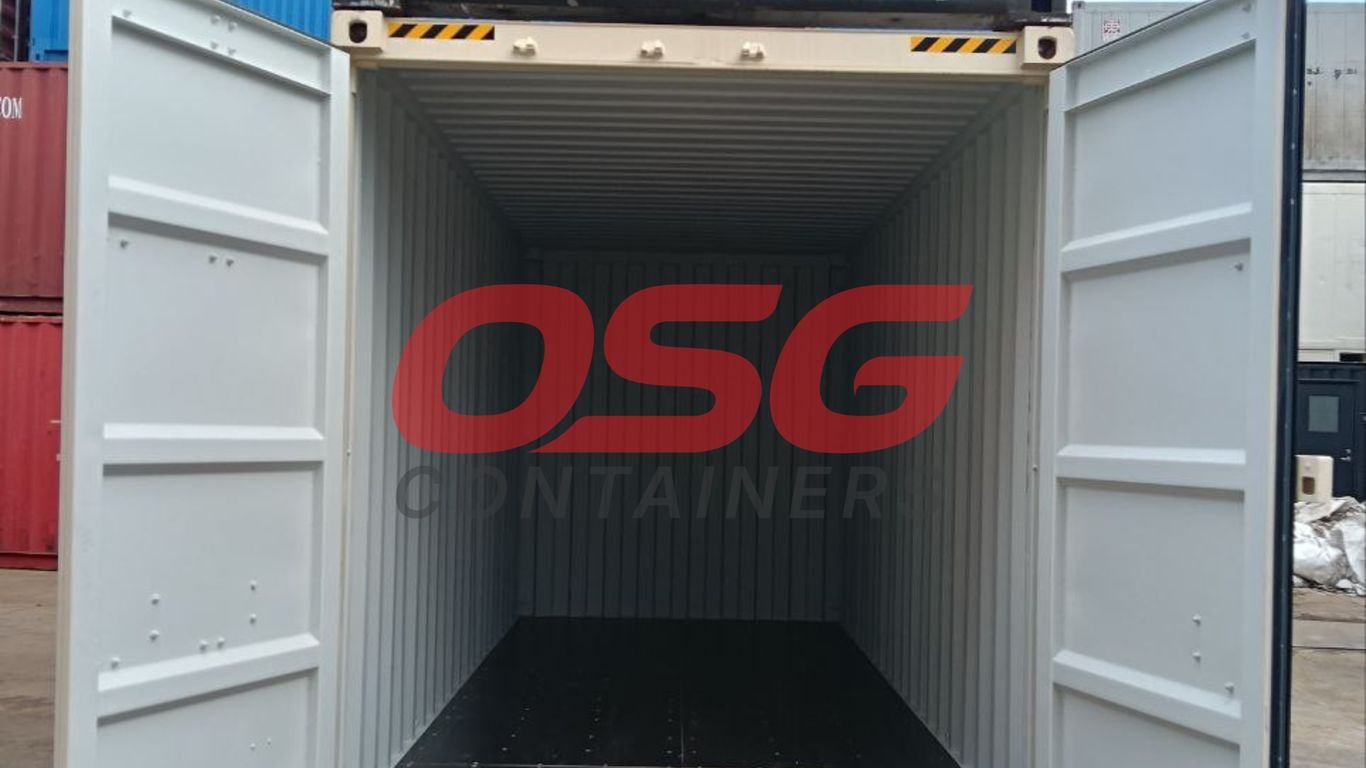
So, you’ve probably seen those metal boxes, right? Shipping containers. They’re everywhere, moving goods across the globe. But what if I told you they could be more than just transport? Businesses often overlook the handy benefits of using these sturdy, pre-made structures for all sorts of things. We’re talking about turning them into offices, workshops, or even unique retail spots. It’s a smart move that can save cash and be good for the planet. Let’s look at why you might want to consider open top containers for your next business project.
Key Takeaways
- Open top containers let in lots of natural light and fresh air, making work spaces feel better and boosting how much people get done. Using light paint inside helps even more.
- Using old shipping containers is cheaper than building from scratch and it’s a good way to reuse materials, which is better for the environment and cuts down on waste.
- These containers are built tough to handle bad weather and can be moved around if your business needs change. They can also be shaped and combined in many ways for different uses.
- When changing a container, think about keeping the temperature right with good insulation and making sure the air stays fresh. Also, check local rules before you start building.
- You can set up container spaces to work completely on their own, using solar power for electricity and collecting rainwater for water needs, making them independent of regular utilities.
Maximizing Natural Light and Airflow in Open Top Containers
When you’re thinking about using an open-top container for your business, it’s easy to get caught up in the big picture stuff like structure and cost. But let’s talk about something that really makes a difference in how you feel and work: light and air. Seriously, it’s a game-changer.
Brighten Your Workspace with Strategic Openings
Forget those gloomy, windowless rooms. Letting natural light flood into your workspace can seriously boost your mood and how much you get done. Think about adding windows, maybe even a skylight if you’re feeling fancy. It’s like giving your space a dose of sunshine that can make the workday feel a lot less draining. If cutting big holes feels a bit much, consider solar tubes. They’re like magic pipes that bring daylight down from the roof, making things bright without messing with the container’s strength. It’s a smart way to get that natural glow.
Enhancing Ambiance with Reflective Interior Paint
Here’s a simple trick that packs a punch: paint your interior walls with a light, reflective color. This isn’t just about making it look nice; it actually bounces the light around the room. So, that sunlight coming through your windows or skylights gets spread out, making the whole space feel bigger and more open. It’s like a little optical illusion that makes your workspace feel more inviting and energetic. You’d be surprised how much difference a good coat of paint can make.
Ensuring Optimal Airflow for Comfort and Productivity
Okay, so light is sorted, but what about air? A stuffy container is no fun for anyone. Proper airflow is key to keeping your space comfortable and your brain sharp. Without it, you can feel sluggish and just plain blah. Installing windows that open is a good start, letting in a nice breeze. But if that’s not enough, think about adding some quiet, efficient fans. You can even get smart ones that adjust based on the temperature and humidity. Good ventilation means you can actually focus on your work instead of just wishing you were somewhere else. It makes a huge difference in how productive you can be.
Here are a few ways to get that air moving:
- Install windows that can be opened and closed.
- Consider adding small, quiet exhaust fans.
- Look into passive ventilation systems that don’t require power.
Making sure your container workspace has plenty of natural light and fresh air isn’t just about comfort; it’s about creating an environment where people can do their best work. It’s a simple upgrade that pays off big time in productivity and well-being.
Cost-Effective and Sustainable Advantages of Open Top Containers
When businesses look at open-top containers, they often see a simple storage solution. But there’s a whole lot more going on under the surface, especially when it comes to saving money and being kinder to the planet. These containers offer a surprisingly affordable and eco-friendly foundation for all sorts of projects.
Budget-Friendly Construction Solutions
Forget about the massive upfront costs of traditional building. Shipping containers, especially used ones, are significantly cheaper. You’re essentially getting a pre-built structure that just needs a bit of tweaking. This makes them a fantastic option for startups or businesses that need to keep their initial investment low. Think about it: instead of pouring concrete and framing walls from scratch, you’re working with a solid steel shell that’s already standing.
Here’s a quick look at potential cost savings:
| Feature | Traditional Build (Estimate) | Container Build (Estimate) | Savings Potential |
|---|---|---|---|
| Basic Structure | $$$$$ | $$ | High |
| Foundation | $$$ | $ | Medium |
| Exterior Walls | $$$ | $ | High |
| Total Initial Cost | $$$$$$ | $$$ | Significant |
Eco-Friendly Repurposing of Materials
Every year, countless shipping containers are retired from their global journeys. Instead of letting them pile up in scrapyards, giving them a new life is a smart move for the environment. You’re reusing a product that’s already been manufactured, which means fewer raw materials are extracted and processed. This directly cuts down on the energy and pollution associated with new construction.
- Reduces landfill waste: Gives retired containers a purpose.
- Conserves resources: Less need for new lumber, steel, and concrete.
- Lowers manufacturing impact: Avoids the energy-intensive processes of creating new building materials.
Repurposing these robust steel boxes means you’re not starting from zero. It’s like getting a head start on your project while also doing a good deed for the planet. This approach aligns well with growing consumer demand for businesses that show environmental responsibility.
Reducing Carbon Footprint Through Reuse
Choosing a container means you’re actively participating in the circular economy. The manufacturing process for a new container is energy-intensive, involving mining ore, smelting steel, and extensive fabrication. By opting for a used container, you bypass a huge chunk of that environmental impact. It’s a tangible way to reduce your business’s carbon footprint right from the start. This isn’t just a feel-good factor; it’s becoming increasingly important for brand image and attracting environmentally conscious customers and employees.
Durability and Adaptability of Open Top Containers
Built to Withstand Harsh Conditions
These containers, often made from tough corten steel, are built to handle the rigors of ocean travel. That means they’re pretty good at dealing with rough weather, too. Think about it – they’re designed to be stacked high on ships and endure salty air and strong winds. So, when you’re looking at a 20 ft container for your business, you’re getting something that’s already proven its toughness. It’s not just a box; it’s a structure that can stand up to a lot.
Mobility for Temporary Business Needs
One of the neatest things about using a shipping container is that you can move it. If your business needs to pop up somewhere for a season, or if you’re doing a temporary event, you can actually relocate your whole setup. This flexibility is a big deal for businesses that don’t want to be tied down to one spot forever. It’s like having a business that can pack up and go.
Design Versatility for Unique Spaces
Don’t let the standard box shape fool you. You can do a lot with these containers. Combine a few to make a bigger space, stack them up for a multi-level building, or cut out openings for windows and doors. Whether you’re aiming for a simple workshop or something a bit more creative, a shipping container can be shaped to fit what you need. It’s a blank canvas, really.
The strength of these containers means they offer a solid foundation, but their real advantage lies in how easily they can be adapted. You’re not just buying a structure; you’re getting a base that can be modified to suit a wide range of business ideas, from a small retail kiosk to a larger workshop.
Here’s a quick look at what makes them so adaptable:
- Structural Integrity: Built to last, resisting rust and weather.
- Modularity: Easily combined or stacked for larger or multi-story setups.
- Customization: Can be cut, welded, and modified to fit specific functional needs.
- Relocatability: Offers the unique advantage of being moved to new locations.
Essential Considerations for Open Top Container Conversions
So, you’re thinking about turning one of these metal boxes into something useful for your business. That’s pretty cool! But before you get too carried away with the vision, there are a few things you really need to think about. It’s not just about slapping some paint on and calling it a day. These conversions need careful planning, especially when it comes to making them comfortable and legal.
Prioritizing Insulation and Climate Control
Metal containers are basically giant heat sinks. In the summer, they can turn into a sauna, and in the winter, they become an ice chest. Getting the insulation right is super important if you want anyone to actually spend time inside. You can’t just wing this part. Think about materials that work well and won’t break the bank, but also do the job. Spray foam is popular, but there are other options like recycled denim or rigid foam boards. Proper insulation is the key to making your container space usable year-round. Don’t forget about windows and doors; they can be big culprits for heat loss or gain.
Addressing Ventilation and Air Quality
Even with good insulation, you need air to move. Without it, you’ll end up with stale air and moisture buildup, which can lead to mold. That’s definitely not good for health or for keeping your stuff in good condition. You’ll want to plan for vents, maybe even a small HVAC system depending on how you’re using the space. Think about exhaust fans if you’re doing anything that produces fumes or a lot of heat. Good airflow makes a huge difference in how comfortable and healthy the space feels.
Navigating Permitting and Zoning Regulations
This is the part that can really trip you up if you’re not careful. Just because you bought a container doesn’t mean you can just put it anywhere and start using it. Local governments have rules, and they can be pretty strict about what you can build and where. You’ll need to check with your city or county planning department. They’ll tell you what permits you need, if any, and what zoning laws apply. Ignoring this could mean having to tear down your whole project, which would be a real bummer.
It’s always better to ask for permission upfront than to ask for forgiveness later. The paperwork might seem like a hassle, but it can save you a lot of headaches down the road.
Here’s a quick rundown of what to look into:
- Local Building Codes: Do they allow container structures? Are there specific requirements for foundations, structural integrity, or fire safety?
- Zoning Laws: Is the area zoned for your intended use (e.g., commercial, residential, storage)? Are there restrictions on the number or size of structures?
- Permit Applications: What forms do you need to fill out? What drawings or plans must be submitted? What are the associated fees?
- Inspections: Be prepared for inspections at various stages of the conversion process to ensure compliance with approved plans and codes.
Achieving Independence with Off-Grid Solutions for Open Top Containers
Harnessing Solar Power for Energy Needs
Forget about being tied to the grid. Converting an open-top container, like a repurposed 20 foot sea container, into a functional space opens up the possibility of true independence. Solar power is your best bet for keeping the lights on and your devices charged. It’s not as complicated as it sounds. You can install panels on the roof, which then capture sunlight to generate electricity. This means you can run lights, charge laptops, and even power small appliances without needing a traditional power source. It’s a smart move for both your wallet and the planet in the long run.
Implementing Rainwater Harvesting Systems
Water is another basic need that can be met off-grid. Think about setting up a rainwater harvesting system. Gutters on your container can direct rain into storage tanks. After a simple filtration process, this water can be used for sinks or even toilets. It’s a pretty straightforward way to reduce your reliance on municipal water supplies and save some money too. It’s a system that’s fairly low maintenance once it’s set up.
Exploring Composting Toilets and Greywater Recycling
When you’re aiming for full self-sufficiency, waste management is key. Composting toilets are a great option because they don’t require traditional plumbing and break down waste in an eco-friendly way. Pair this with a greywater recycling system, which can reuse water from sinks and showers for things like watering plants, and you’ve got a really sustainable setup. It might sound a bit advanced, but these systems are becoming more accessible and can make a big difference in how independent your container space can be. Even something like an isotank, when repurposed, can be fitted with these systems.
Going off-grid with your container conversion means taking control of your utilities. It’s about building a space that works for you, wherever you are, without constant dependence on external services. This level of autonomy can be incredibly freeing for a business.
Wrapping It Up
So, we’ve looked at how shipping containers can be more than just metal boxes. They offer a way to build spaces that are cheaper, quicker, and kinder to the planet. From making your office brighter with natural light to setting up your own power and water systems, there’s a lot to think about. It might seem like a lot of work at first, but when you consider the long-term savings and the unique space you can create, it really starts to make sense. It’s definitely a smart move for businesses looking for something different and practical.
Frequently Asked Questions
What makes open-top containers good for letting in light and air?
Open-top containers are great because you can easily add windows or even skylights. This lets in lots of natural sunshine, making your workspace feel brighter and more cheerful. Good airflow is also key; by adding vents or windows that open, you can keep the air fresh and comfortable, which helps you focus better.
Are shipping containers cheap to use for businesses?
Yes, using shipping containers can be much cheaper than building a traditional space. They are already built, so you save on construction time and materials. Plus, reusing them is good for the planet, which can also be a selling point for your business.
How tough are shipping containers?
Shipping containers are built to be super strong. They’re made from a special kind of steel that resists rust and can handle rough weather, like strong winds and heavy rain. This means they can last a long time and keep your business safe and sound.
What’s important to think about when changing a container into a business space?
It’s really important to make sure the container is well-insulated so it’s not too hot or too cold inside. Good ventilation is also a must to keep the air fresh. You’ll also need to check local rules and get any necessary permits before you start making changes.
Can I make a container business run without being connected to the main power or water lines?
Absolutely! You can set up solar panels to get electricity from the sun and collect rainwater for your water needs. Some people even use composting toilets. This lets your business be self-sufficient and more eco-friendly.
Are there any downsides to using shipping containers?
Sometimes the space inside can feel a bit narrow, and making them comfortable, like adding insulation and proper ventilation, can cost extra. Also, you need to make sure they are safe to be in and check local building rules, as not all areas allow them.