Singapore
 Australia
 Indonesia
 Japan
Japan Malaysia
 New Zealand
 Philippines
 South Korea
 Taiwan
 Thailand
 VIETNAM
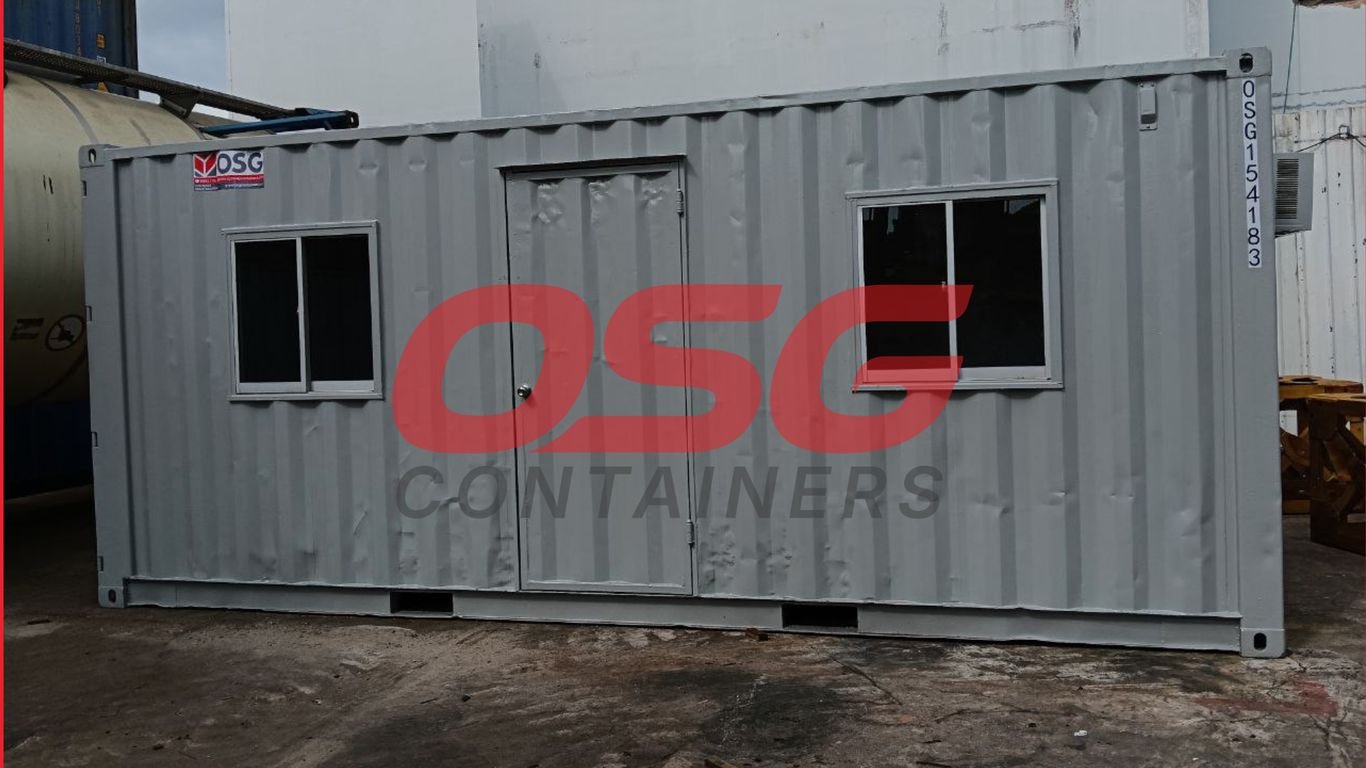
Forget those old-school, cookie-cutter site offices. The way we set up temporary workspaces is changing, and it’s getting smarter, greener, and way more adaptable. We’re talking about modular site offices that can be up and running in no time, packed with tech, and designed to fit exactly what you need. This isn’t just about having a place to work on-site anymore; it’s about creating efficient, comfortable, and future-ready environments that actually help get the job done.
Key Takeaways
- Modular site offices are becoming more eco-friendly, using recycled materials and energy-saving methods to meet sustainability goals.
- Smart technology like automated climate control and remote monitoring is making site offices more comfortable and easier to manage.
- These offices offer a lot of flexibility, letting you customize them for specific needs and easily scale up or down as requirements change.
- Getting a modular site office set up is much faster than traditional building, meaning less downtime and quicker project starts.
- Modular site offices are a cost-effective solution compared to traditional construction, saving money on both initial setup and long-term use.
Embracing Sustainability in Site Office Design
Eco-Friendly Modular Office Solutions
More and more, businesses are looking for ways to be kinder to the planet, and that includes where they set up shop. Modular offices are stepping up to the plate here. We’re talking about units built with recycled materials, like old shipping containers, which cuts down on waste big time. Plus, the way they’re made uses less energy and creates fewer emissions compared to traditional building. It’s a smart move that lines up with what a lot of companies are trying to achieve with their environmental goals.
Green Building Standards and Corporate Responsibility
Companies are increasingly aware that how they build and operate reflects on their brand. Adhering to green building standards isn’t just about following rules; it’s a statement. It shows customers, employees, and investors that the business cares about more than just profit. Modular construction makes it easier to meet these standards. Think about it: these units are often designed from the ground up with energy efficiency and reduced environmental impact in mind. This makes it simpler for businesses to tick the boxes for corporate responsibility and build a reputation as a forward-thinking, eco-conscious organization.
Sustainable Materials and Energy-Efficient Practices
When we talk about sustainable site offices, the materials used are a huge part of the story. We’re seeing a lot more use of reclaimed wood, recycled steel, and low-VOC (volatile organic compound) paints. These choices mean less pollution and healthier indoor air quality for the people working there. On the energy front, it’s all about smart design. Good insulation is key, keeping things cool in the summer and warm in the winter without blasting the AC or heat. Many modular offices can also easily integrate solar panels or other renewable energy sources. This combination of thoughtful material selection and smart energy use significantly lowers the operational footprint of the site office.
Building green isn’t just a trend; it’s becoming a necessity. Companies that prioritize sustainable practices in their site offices are not only doing their part for the environment but are also often finding long-term cost savings and a more positive public image. It’s a win-win scenario that’s shaping the future of worksites.
Here’s a quick look at some common sustainable practices:
- Material Sourcing: Prioritizing recycled content and locally sourced materials.
- Energy Efficiency: Incorporating high-performance insulation, energy-efficient windows, and LED lighting.
- Water Conservation: Implementing low-flow fixtures and rainwater harvesting systems where feasible.
- Waste Reduction: Designing for minimal construction waste and planning for future deconstruction and reuse.
Smart Technology Integration for Enhanced Workspaces
These modular site offices aren’t just boxes; they’re becoming pretty smart places to work. Think about how much better your day could be if the lights and temperature adjusted themselves. That’s the kind of stuff we’re talking about here.
Intelligent Climate Control and Lighting Systems
Forget fiddling with thermostats or flicking switches all day. Modern modular offices can come equipped with systems that learn your preferences and adjust automatically. They can sense when a room is occupied and turn lights on or off, and they can maintain a comfortable temperature without you even thinking about it. This isn’t just about comfort, though. It also means less wasted energy, which is good for the planet and your wallet.
- Automated temperature regulation based on occupancy and external conditions.
- Daylight harvesting sensors that dim artificial lights when natural light is sufficient.
- Programmable schedules for lighting and HVAC to optimize energy use during off-hours.
Remote Monitoring and Management Capabilities
One of the coolest parts is being able to keep an eye on things from afar. Site managers or facility teams can check in on the office environment, security, and even energy usage from their laptops or phones. This means you can spot a problem, like a heating issue on a cold day, and get it fixed before anyone even notices.
This ability to remotely manage and monitor site offices means fewer site visits for routine checks, saving time and travel costs. It also allows for proactive maintenance, preventing small issues from becoming big, expensive problems.
Internet of Things (IoT) for User-Friendly Environments
IoT is basically about connecting everyday objects to the internet. In a modular office, this can mean a lot of things. Imagine smart sensors that track air quality and alert you if it drops, or systems that can be controlled by voice commands. It all adds up to a workspace that’s more responsive and easier to use, making your workday smoother and less of a hassle.
Customization and Design Flexibility for Evolving Needs
Gone are the days when a site office was just a box on wheels. Today’s modular site offices are all about giving you exactly what you need, when you need it. Businesses change, projects shift, and your workspace needs to keep up without a fuss. That’s where the real magic of modular design comes in – it’s built to adapt.
Personalized Work Areas and Specialized Rooms
Think about it: not every job needs the same setup. Maybe you need a quiet zone for focused work, a dedicated meeting room for client calls, or even a small lab space right on site. Modular offices can be configured to include these specialized areas. You can add partitions for private offices, create open-plan collaborative zones, or even incorporate specific storage solutions for tools and materials. It’s about tailoring the space to the actual tasks being done, making everyone more productive.
Adaptable Designs for Changing Business Issues
Business needs aren’t static, right? One month you might need more desks, the next you might need more storage. Modular systems are fantastic for this. They’re designed so you can easily reconfigure layouts. Need to shrink a space or expand it? It’s usually much simpler than tearing down walls in a traditional building. This flexibility means your site office can evolve alongside your project or business operations, saving you time and hassle.
Modular Concepts for Scalability and Expansion
This is a big one. As your team grows or your project scope widens, your office space needs to scale with you. Modular construction makes this straightforward. You can add new units to your existing setup, connect them, and expand your footprint without major disruption. It’s like building with LEGOs, but for grown-ups and for serious work.
- Easy Addition of New Modules: Simply connect pre-fabricated units to increase square footage.
- Reconfiguration Capabilities: Rearrange internal layouts or external connections as needed.
- Scalable Infrastructure: Power, data, and HVAC can often be extended to new modules with relative ease.
The beauty of a modular approach is its inherent ability to respond to dynamic requirements. Instead of being locked into a fixed structure, businesses gain the agility to modify their workspace as demands fluctuate, ensuring optimal resource utilization and operational efficiency throughout a project’s lifecycle.
Ultimately, the ability to customize and adapt is what makes modern modular site offices so powerful for businesses looking to stay agile and efficient.
Accelerated Deployment: Short Lead Times for Site Offices
When you need a workspace up and running yesterday, traditional construction just won’t cut it. That’s where modular site offices really shine. They’re designed for speed, getting you operational much faster than you might think. Think about it: instead of weeks or months of building, you can have a functional office space ready in a fraction of that time. This is a game-changer for businesses that can’t afford to wait.
Faster Production and Installation Rates
Modular offices are built off-site in controlled factory environments. This means production can happen concurrently with site preparation, significantly cutting down the overall project timeline. Once the modules are ready, they’re transported to your location and assembled quickly. This process is streamlined and efficient. For instance, a standard 20 foot container can be transformed into a basic office unit in a matter of days, not weeks. The factory setting also means better quality control and less disruption at your actual worksite.
Rapid Response Solutions for Time-Sensitive Industries
Industries like construction, event management, or emergency response often face unpredictable needs. A sudden project win, a natural disaster, or a large-scale event can create an immediate demand for office space. Modular solutions, especially those based on readily available units like a 20ft container, offer the flexibility to respond quickly. You can deploy a temporary office, a command center, or additional staff facilities with minimal delay. This agility allows businesses to seize opportunities or manage crises effectively without being held back by lengthy setup times.
Minimizing Operational Interruptions During Setup
Setting up a new office can be a major headache, especially when it comes to minimizing disruption to your ongoing operations. Because modular units are largely pre-fabricated, the on-site work is reduced to assembly and final connections. This means less noise, less traffic, and less impact on your daily business activities. The entire setup process is more predictable and contained.
Here’s a general idea of the timeline:
- Site Preparation: Typically takes 1-2 weeks, depending on complexity.
- Module Fabrication: Can occur simultaneously with site prep, taking 2-4 weeks.
- On-Site Installation: Usually completed within 1-3 days for a single module or small cluster.
- Final Fit-out & Commissioning: 1-2 days.
This structured approach, often starting with a robust 20 foot container, ensures that your new workspace is ready with the least possible fuss.
The efficiency gained from modular construction isn’t just about speed; it’s about predictability and reducing the chaos often associated with traditional building projects. This allows businesses to maintain focus on their core activities while their new workspace is being prepared.
Strategic Applications Across Diverse Industries
Industrial Manufacturing and Warehousing Needs
In the fast-paced world of industrial manufacturing and warehousing, space needs can change on a dime. Think about a factory floor that needs a new control room, or a warehouse that suddenly requires an expanded dispatch office due to a surge in online orders. Modular offices fit right in here. They can be set up quickly within existing facilities, meaning less disruption to ongoing operations. Plus, you can design them to be exactly what you need – maybe a quiet space for quality control or a busy hub for logistics planning. This flexibility is a huge win for businesses that can’t afford downtime.
| Industry Sector | Typical Use Cases |
|---|---|
| Manufacturing | Production line offices, quality control labs, supervisor stations, training rooms |
| Warehousing & Logistics | Dispatch centers, inventory management offices, driver break rooms, e-commerce fulfillment hubs |
Construction Sites and Temporary Office Requirements
Construction projects are, by nature, temporary. You need a site office that’s functional, secure, and can be up and running fast. Modular units are perfect for this. They can be delivered and installed in a matter of days, giving your project managers and site supervisors a proper base of operations right where they need it. When the project wraps up, these offices can often be relocated or repurposed, which is a lot more practical than building something permanent that you’ll just have to tear down later.
- Rapid Deployment: Get your site office operational almost immediately.
- On-Site Convenience: Place the office exactly where it’s most useful.
- Relocatable: Move the office to the next project or sell it when done.
- Cost-Effective: Avoids the expense and time of traditional building.
For construction projects, having a reliable and accessible site office isn’t just about convenience; it’s about keeping the project on track and ensuring your team has a safe place to coordinate and plan.
Government and Military Deployment Scenarios
Government agencies and military operations often require facilities that can be deployed quickly and securely to various locations, sometimes in remote or challenging environments. Modular buildings fit this need perfectly. They can serve as temporary command centers, administrative offices, or even barracks. Their ability to be transported and assembled relatively easily makes them ideal for situations where infrastructure might be lacking or needs to be established rapidly. Think of emergency response situations or forward operating bases – modular units provide a ready-made solution.
- Emergency response command posts
- Temporary administrative offices for public works projects
- Forward operating base facilities
- Training and simulation centers
The Economic Advantages of Modular Site Offices
When you’re looking at setting up a temporary or even a semi-permanent workspace, the costs can really add up. Traditional construction projects often come with hefty price tags and long timelines. This is where modular site offices, including options like container offices, really start to shine. They offer a way to get a functional space up and running much faster and, generally, for less money.
Cost-Effectiveness Compared to Traditional Construction
Think about it: building from scratch means dealing with site prep, multiple trades, material deliveries, and all the weather delays that can happen. Modular construction, on the other hand, happens off-site in a controlled environment. This means less waste, fewer labor hours on-site, and a more predictable budget. The ability to manufacture components in parallel with site preparation significantly cuts down overall project duration and associated costs. This efficiency translates directly into savings for your business.
Reduced Capital Expenditure and Project Costs
Modular solutions often require a lower upfront investment compared to conventional building methods. Because much of the work is done in a factory setting, you avoid many of the hidden costs that pop up on traditional job sites. This can be a game-changer for businesses with tight budgets or those who need to deploy resources quickly without tying up a lot of capital. Plus, the resale value of modular units can be quite good, offering a return on investment when they are no longer needed.
Optimizing Space and Resource Utilization
Modular designs are built with efficiency in mind. They allow you to precisely tailor the space you need, avoiding the overspending that can come with building more than you require. Whether you need a simple office space or a more complex setup with specialized rooms, modular construction provides flexibility. This means you’re not paying for unused square footage or resources. It’s about getting exactly what you need, when you need it, without the financial strain of traditional building.
Here’s a quick look at why modular makes financial sense:
- Lower Initial Investment: Less money tied up upfront.
- Predictable Budgeting: Factory production minimizes unexpected cost overruns.
- Faster Deployment: Get operational sooner, generating revenue faster.
- Reduced Waste: Less material waste means lower disposal costs and a greener footprint.
- Potential Resale Value: Units can often be resold or repurposed.
The economic benefits of modular site offices are clear. They provide a practical and financially sound alternative to traditional construction, especially for projects with time constraints or budget limitations. The streamlined production process and efficient use of materials lead to significant cost savings and quicker deployment, making them a smart choice for a wide range of industries.
Wrapping It Up
So, it’s pretty clear that these smart, modular site offices aren’t just a passing fad. They’re really changing the game for how we build and use workspaces. From being super quick to set up and easy to move around, to fitting out with all sorts of cool tech and being kinder to the planet, these offices tick a lot of boxes. Companies are finding they can customize them exactly how they need them, whether that’s for a busy construction site or a growing factory floor. As more businesses look for ways to be flexible, save money, and still be responsible, these modular solutions are definitely the way forward. It looks like the future of worksites is going to be smarter, more adaptable, and a whole lot more efficient.
Frequently Asked Questions
What exactly are modular site offices?
Think of modular site offices like building blocks for your workspace. Instead of building a traditional office from scratch, these are pre-made sections that can be put together quickly. They’re like LEGOs for grown-ups, but for offices! You can add more blocks or rearrange them easily.
Are these offices good for the environment?
Yes, many modular offices are designed with the planet in mind. They often use recycled materials and are built in ways that create less waste compared to regular construction. Plus, they can be made to use less energy, which is great for the environment and can save money too.
Can I make the office fit my specific needs?
Absolutely! That’s one of the best parts. You can customize them a lot. Need a special room for meetings, extra storage, or a quiet spot to focus? Modular offices can be designed to include these things. They’re flexible, so you can change them as your work needs change.
How quickly can I get a new office set up?
Much faster than you might think! Since the parts are made in a factory, they can be put together on-site really quickly. This means less waiting time and less disruption to your work, which is super helpful if you need a workspace fast.
Are these offices expensive compared to regular ones?
Generally, modular offices can be more budget-friendly. Because they’re made more efficiently and often use less material, the overall cost can be lower than building a traditional office. You also save money because they can be set up so much faster.
What kind of technology can be in these offices?
You can add smart technology to make them work better. Imagine lights that turn on when you enter a room or heating and cooling systems you can control from your phone. Some offices even use sensors to help manage things, making the workspace more comfortable and efficient for everyone.