Singapore
 Australia
 Indonesia
 Japan
Japan Malaysia
 New Zealand
 Philippines
 South Korea
 Taiwan
 Thailand
 VIETNAM
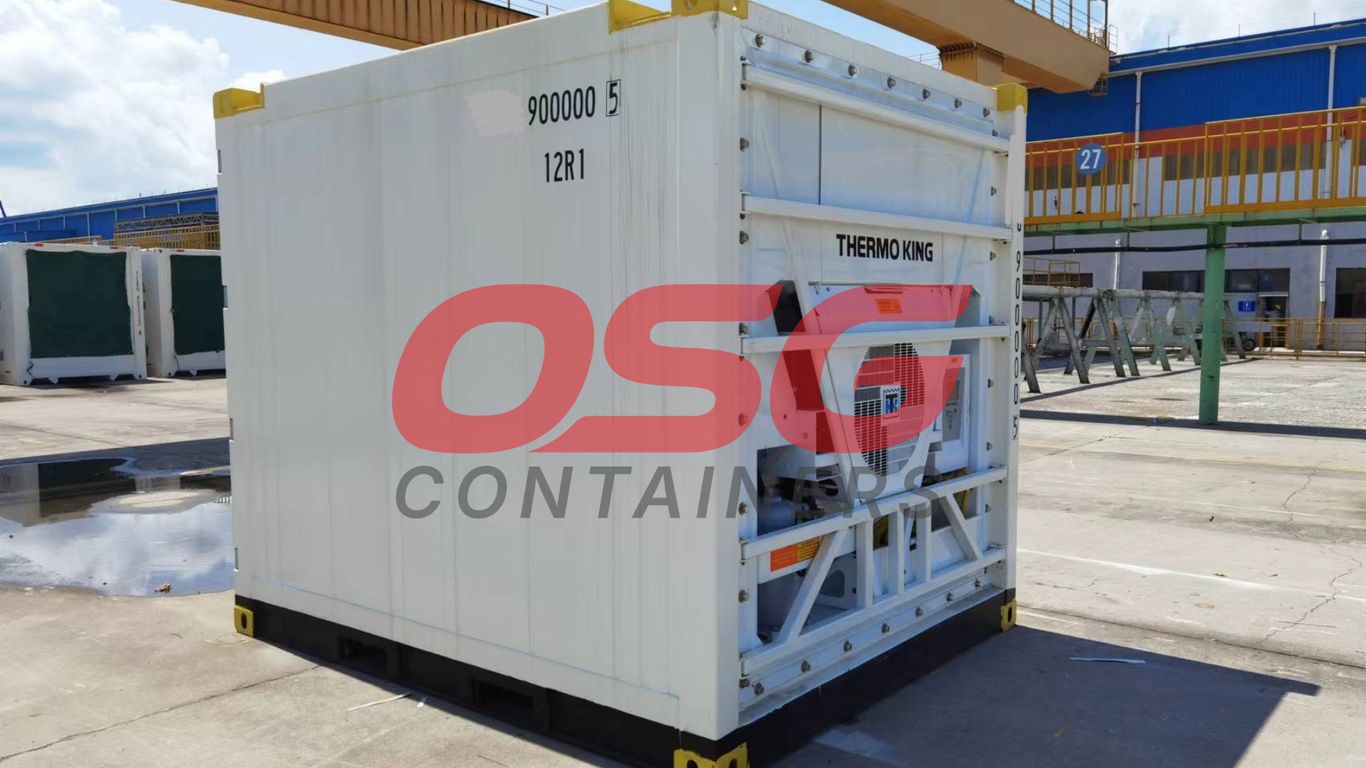
Ever wonder how your bananas from across the globe stay fresh, or how that life-saving medicine gets to where it needs to go without spoiling? It’s all thanks to the engineering behind the reefer refrigerated container. These aren’t just big metal boxes; they’re basically super-powered, mobile refrigerators. They use some pretty clever tech to keep things at just the right temperature, whether that’s freezing cold or cool and crisp, no matter how far they travel. Let’s take a peek at what makes these containers work.
Key Takeaways
- A reefer refrigerated container is a shipping container with a built-in cooling system to keep cargo at a set temperature.
- The cooling works using a cycle involving a compressor, refrigerant, and heat exchangers (evaporator and condenser).
- Good insulation is key to stopping outside heat from getting in, helping the cooling system work less and save energy.
- Modern reefer refrigerated containers have sensors and systems that allow for checking and controlling temperature and humidity, sometimes from far away.
- These containers are used not just for shipping but also as temporary, climate-controlled storage units.
Understanding Reefer Refrigerated Container Technology
The Core Refrigeration System
Reefer containers, or refrigerated containers, are pretty amazing pieces of engineering. They’re not just metal boxes; they’re basically mobile refrigerators designed to keep things at just the right temperature, whether that’s super cold or just cool. Think about all the fresh fruit, frozen foods, or even medicines that travel across the globe – without these specialized containers, a lot of that wouldn’t be possible. At the heart of every reefer container is its refrigeration unit. This isn’t some simple ice pack situation. It’s a complex system that uses a refrigerant cycle, much like your home fridge but on a much larger and more robust scale. The main parts include a compressor, condenser, and evaporator. The compressor is like the engine, pumping the refrigerant. The condenser releases heat from the refrigerant to the outside air, and the evaporator absorbs heat from inside the container, making it cold. This whole process is what allows reefer containers to maintain precise temperatures, often within a very narrow range, which is critical for preserving the cargo. If you’re looking into renting a container for a specific need, understanding this core system is step one.
Advanced Insulation for Temperature Control
Keeping that temperature stable inside the container is a big job, especially when the outside world is doing its best to mess things up. That’s where advanced insulation comes in. The walls, ceiling, and floor of reefer containers are built with thick, high-quality insulation materials. This acts like a super-thermos, minimizing heat transfer between the inside and the outside. It means the refrigeration unit doesn’t have to work as hard, saving energy and making sure the temperature stays consistent even on long journeys through varying climates. It’s a key part of why these containers are so effective. A well-insulated cntr reefer is a happy reefer.
Ventilation and Airflow Management
Beyond just keeping things cold, proper airflow inside a reefer container is super important. You don’t want hot spots or areas where the cold air just doesn’t reach. Good ventilation helps to:
- Distribute the cool air evenly throughout the cargo space.
- Remove excess moisture that can build up, which is bad for many types of goods.
- Prevent the buildup of gases that can speed up spoilage.
This careful management of air circulation is what helps maintain the quality of the goods from the moment they’re loaded until they reach their destination. It’s a detail that makes a big difference for perishable items.
The technology behind reefer containers is a blend of engineering and innovation, designed to maintain precise temperature control throughout the shipping process. At the heart of a reefer container is the refrigeration unit, which operates on the principles of the vapor compression cycle. This cycle involves the circulation of refrigerant through a closed system, where it undergoes phase changes that absorb and release heat, thereby cooling the interior of the container.
The Vapor Compression Cycle in Reefer Containers
So, how exactly does a reefer container keep your bananas from going brown or your medicines from losing their potency? It all comes down to a clever process called the vapor compression cycle. Think of it like a continuous loop where a special fluid, the refrigerant, is constantly changing its form – from gas to liquid and back again – to move heat from inside the container to the outside. It’s a bit like a sophisticated dance of pressure and temperature.
Compressor and Refrigerant Function
The whole cycle kicks off with the compressor. This is the powerhouse, really. It takes the refrigerant, which is in a low-pressure gas state after picking up heat from inside the container, and squeezes it. This action dramatically increases the pressure and, consequently, the temperature of the refrigerant, turning it into a hot, high-pressure gas. The refrigerant itself is a carefully chosen chemical that can easily switch between liquid and gas states at specific temperatures and pressures. This ability is what makes the whole cooling trick possible.
Condenser and Evaporator Roles
After leaving the compressor, this hot, high-pressure gas flows into the condenser. This is usually the part you see on the outside of the reefer unit. Here, the hot gas releases its heat to the surrounding air. As it cools down, it changes from a gas into a high-pressure liquid. This is a key step in getting rid of the unwanted heat.
Next, this liquid refrigerant travels to the evaporator, which is located inside the container. Before it enters, it passes through an expansion valve. This valve acts like a nozzle, causing a sudden drop in pressure. This pressure drop is the magic ingredient that makes the refrigerant boil and turn back into a gas, but at a much lower temperature. As it evaporates, it absorbs heat from the air inside the container, making the cargo space cold. This cold, low-pressure gas then heads back to the compressor to start the cycle all over again.
Expansion Valve and Phase Changes
The expansion valve is a small but mighty component. Its main job is to control the flow of refrigerant into the evaporator and, more importantly, to create that critical pressure drop. Without this sudden decrease in pressure, the refrigerant wouldn’t be able to absorb enough heat effectively. The entire process relies on these controlled phase changes:
- Gas to Liquid (Condenser): Refrigerant releases heat and condenses.
- Liquid to Gas (Evaporator): Refrigerant absorbs heat and evaporates.
This continuous cycle of compression, condensation, expansion, and evaporation is what allows reefer containers to maintain the precise temperatures needed for a vast array of perishable goods, from fresh produce to frozen items.
Advanced Control and Monitoring Systems
Real-Time Temperature and Humidity Sensors
Modern reefer containers are packed with sensors. These aren’t your average home thermostat; they’re sophisticated devices constantly checking the internal environment. They measure temperature with high accuracy and also keep an eye on humidity levels, which is super important for things like fresh produce or certain medicines. Think of them as the eyes and ears of the container, making sure everything stays just right.
Data Logging for Compliance
All the information gathered by these sensors isn’t just for show. It’s meticulously logged, creating a detailed history of the container’s conditions throughout its journey. This data is vital for proving that the cargo was kept at the correct temperature and humidity, which is a big deal for regulations and quality control. It’s like having a diary for your shipment.
Here’s a look at some key data points typically logged:
- Internal Temperature: The exact temperature inside the container.
- Humidity Levels: The amount of moisture in the air.
- Refrigeration Unit Status: Whether the cooling system is running, idle, or in defrost mode.
- Door Open/Close Events: Tracks when and for how long the container doors were opened.
This constant stream of data transforms a reefer container from a simple box into an intelligent part of the supply chain. It allows for proactive management and provides a verifiable record of conditions, which is a huge step up from just hoping for the best.
Remote Monitoring Capabilities
This is where things get really neat. Most newer reefers have telematics systems. These use GPS and cellular or satellite connections to send data about the container’s status straight to your phone or computer, no matter where you are. You can see the location, of course, but more importantly, you get live updates on:
- Internal Temperature: Is it still within the set range?
- Humidity: Is it stable for the cargo?
- Unit Performance: How is the cooling system doing?
- Power Status: Is the unit receiving power without interruption?
If any of these readings go outside the pre-set limits, an alert is automatically sent out. This means you can react fast. Maybe a technician needs to take a look, or perhaps the cargo needs attention. Being able to jump on issues quickly can save a whole shipment from being ruined. It’s a big change from the old days.
Essential Components of a Reefer Unit
So, what actually makes a reefer container do its thing? It’s not magic, it’s just some really smart engineering working together. Think of it like the parts of your car engine, each with a specific job to keep the whole machine running. For a reefer, these parts are all about managing temperature.
The Compressor as the Cooling Engine
This is probably the most important piece. The compressor is like the heart of the whole system. It takes a gas called refrigerant and squeezes it really hard. This squeezing makes the refrigerant hot and turns it into a high-pressure gas. Without the compressor, the refrigerant wouldn’t be able to move around and do its job of picking up and dropping off heat.
Refrigerant’s Role in Heat Exchange
The refrigerant itself is a special fluid. It’s designed to easily switch between being a liquid and a gas. This change is what lets it grab heat from inside the container and then let it go outside. It’s a continuous loop, and the refrigerant is the stuff that actually carries the heat away. It’s not just any fluid; it has to be able to change states at the right temperatures and pressures for the system to work.
Evaporator and Condenser Functions Explained
These two parts are where the actual cooling and heating happen. The evaporator is inside the container. As the cold, low-pressure refrigerant gas flows through it, it absorbs heat from the air inside the container. This makes the air colder, which is what cools your cargo. After the refrigerant has picked up heat, it goes to the condenser, which is usually on the outside. Here, the hot, high-pressure refrigerant gas releases its heat to the outside air. As it cools down, it turns back into a liquid, ready to start the cycle again.
Here’s a quick rundown of the main players:
- Compressor: Squeezes the refrigerant gas, making it hot and high-pressure.
- Refrigerant: The fluid that moves heat by changing between liquid and gas.
- Condenser: Releases heat from the refrigerant to the outside air.
- Evaporator: Absorbs heat from inside the container, making it cold.
All these parts work together in a closed loop. The refrigerant is constantly circulating, changing its state and pressure to move heat from where you don’t want it (inside the container) to where it doesn’t matter as much (outside).
It’s a pretty neat system, and when all these components are working right, they can keep your cargo at exactly the temperature it needs to be, whether that’s frozen solid or just slightly chilled.
Ensuring Cold Chain Integrity
Keeping things cold during a long trip across the ocean or land isn’t as simple as just plugging in a freezer. It’s a whole system designed to make sure your stuff, whether it’s juicy strawberries or important medicine, arrives in the same condition it left. This whole process is called the "cold chain," and it’s super important for a lot of products we rely on.
Onboard Generators for Continuous Power
Reefers need power to run their cooling systems 24/7. If the power cuts out, even for a little while, the temperature can start to creep up, and that’s bad news for the cargo. That’s why many reefer containers have their own generators right there on the container. These generators run on diesel fuel and kick in automatically if the main power source (like from a ship or a shore connection) is lost. It’s like having a backup battery, but for cooling.
- Automatic Switchover: The system is designed to detect a power loss and start the generator within seconds. No manual intervention needed.
- Fuel Capacity: These generators have enough fuel to keep the unit running for extended periods, often several days, giving plenty of time to resolve any external power issues.
- Monitoring: The generator’s status, fuel level, and performance are all monitored along with the reefer unit itself.
Backup Systems for Power Interruption
Beyond the onboard generators, there are other layers of backup. Think of it as a multi-stage safety net. Sometimes, the issue isn’t just a simple power outage. It could be a problem with the generator itself, or a need for maintenance. In these cases, having a plan B is key.
The goal is to prevent any temperature fluctuations, no matter what happens. Even a few hours outside the ideal range can ruin a whole shipment, leading to wasted product and lost money. It’s all about keeping that temperature steady.
Importance of Maintaining Specific Temperatures
Different products need different temperatures. You wouldn’t store ice cream the same way you’d store fresh lettuce, right? Reefers are built to handle this variety. The temperature settings are precise, and the system works hard to keep them there. This isn’t just about keeping food from spoiling; it’s also about making sure medicines stay effective and chemicals don’t break down.
Here’s a quick look at some common temperature needs:
| Cargo Type | Temperature Range (°C) | Notes |
|---|---|---|
| Fresh Produce | 0°C to 13°C | Varies by specific fruit or vegetable |
| Frozen Goods | Below -18°C | Seafood and meat often need this |
| Pharmaceuticals | 2°C to 8°C | Critical for many medications/vaccines |
| Ice Cream | Around -25°C | Needs to stay very solid |
Energy Efficiency and Sustainability
Keeping things cold all the time uses a lot of power, so making reefer containers more efficient is a big deal for both the planet and your wallet. Manufacturers are constantly working on ways to cut down on energy use, which is good news for everyone involved in shipping.
Optimizing Insulation for Reduced Power Use
Think of insulation like a good winter coat for your reefer. The better it is, the less the cooling unit has to work to keep the inside temperature steady. Modern reefers use advanced materials, often polyurethane foam, packed tightly into the walls, ceiling, and floor. This stuff is really good at stopping heat from getting in and cold air from escaping. Better insulation means the refrigeration system doesn’t have to run as often, saving a good chunk of energy. It also helps maintain a more consistent temperature, which is key for sensitive cargo.
Efficient Refrigeration Components
It’s not just about the box; the cooling unit itself is getting smarter. Newer models use more efficient compressors and fans that don’t guzzle as much electricity. They’re also looking at things like variable speed drives, which let the motor adjust its speed based on how much cooling is actually needed, instead of just running full blast all the time. Some systems even use heat recovery, where the heat generated by the cooling process is captured and used for other purposes, like warming up the container slightly if needed or for other onboard systems. It’s all about getting the most cooling power for the least amount of energy.
Smart Power Management Strategies
Modern reefers are packed with tech that helps manage power use intelligently. They can monitor the cargo’s needs in real-time and adjust their operation accordingly. This means they aren’t just blasting cold air constantly. Instead, they might cycle on and off more efficiently or adjust their output based on factors like outside temperature and how often the door is opened. Some advanced units can even communicate with the ship or truck they’re on to coordinate power usage. This smart approach helps prevent energy waste and keeps the cargo safe without burning through unnecessary electricity.
The drive towards sustainability in reefer technology isn’t just about environmental responsibility; it’s also about economic sense. Reduced energy consumption directly translates to lower operating costs over the lifespan of the container. This focus on efficiency is reshaping how these vital pieces of logistics equipment are designed and utilized, making them more cost-effective and eco-friendly.
Adaptability and Diverse Cargo Needs
Reefer containers aren’t just one-size-fits-all boxes. They’ve really evolved to handle a whole spectrum of temperature-sensitive goods, and that means they come in different flavors and can do different things. It’s pretty neat how they’ve managed to make them so versatile.
Variety of Reefer Container Sizes
Just like regular shipping containers, reefers come in standard sizes, most commonly 20-foot and 40-foot lengths. But it’s not just about length; the height can vary too, with ‘high cube’ versions offering more vertical space. This variety means you can pick the container that best fits the volume of your cargo, whether you’re shipping a few pallets of specialty cheese or a massive load of frozen fish. Choosing the right size helps prevent wasted space and keeps your shipping costs in check.
Wide Temperature and Humidity Range
Different products need different conditions. Some things, like fresh produce, might need a cool, humid environment, while others, like pharmaceuticals or frozen meats, require a consistently frigid temperature. Modern reefers can handle this wide swing. You can set them to maintain temperatures from as low as -30°C (-22°F) for deep freezing up to around +30°C (86°F) for certain chilled goods. Humidity control is also a big deal, especially for things like flowers or certain fruits that can spoil if they dry out or get too damp. The systems can manage relative humidity levels, often within a tight range, to keep these delicate items fresh.
Here’s a quick look at some common temperature ranges:
| Cargo Type | Typical Temperature Range | Notes |
|---|---|---|
| Frozen Foods | -18°C to -25°C (0°F to -13°F) | For long-term storage and transport |
| Chilled Goods | 0°C to 5°C (32°F to 41°F) | For dairy, fresh meat, some produce |
| Fresh Produce | 2°C to 10°C (36°F to 50°F) | Varies greatly by fruit/vegetable |
| Pharmaceuticals | 2°C to 8°C (36°F to 46°F) | Strict control needed |
Stationary Storage Solutions
Sometimes, a reefer container isn’t just for moving goods across the ocean. They’re also used as temporary or even long-term cold storage facilities. Think of them as portable walk-in freezers or coolers. Businesses might use them on-site for extra warehouse space, during seasonal peaks, or even for disaster relief when permanent facilities are damaged. They just need a power source, and they can provide reliable temperature control wherever they’re placed. This flexibility makes them super useful for a lot of different industries beyond just shipping.
The Takeaway
So, when you think about it, these reefer containers are pretty incredible. They’re not just big metal boxes; they’re complex machines keeping our food fresh and medicines safe as they travel around the world. From the clever way the cooling systems work to the thick insulation that keeps the outside out, it’s all designed to maintain that perfect temperature. It’s a lot of engineering packed into one container, and it really makes you appreciate the journey your goods take before they reach you.
Frequently Asked Questions
What exactly is a reefer container?
A reefer container is basically a big, mobile refrigerator designed for shipping. It’s a special kind of shipping container that has its own cooling system built right in. This lets it keep goods at a very specific temperature, whether that’s super cold for frozen items or just cool for fresh produce, all the way from where they’re made to where they need to go.
How does a reefer container keep things cold?
It works a lot like your home refrigerator! It uses a cycle with a special liquid called a refrigerant. A part called the compressor squeezes this liquid, making it hot. Then, it cools down and turns into a liquid again, releasing heat outside. Inside the container, another part makes the liquid turn back into a cold gas, which absorbs the heat from the cargo, making the inside cold. This whole process keeps repeating to maintain the temperature.
Why is the insulation so important in a reefer container?
The insulation is super important because it acts like a thermos. It’s thick and high-quality, and it stops heat from getting into the container from the outside. This means the cooling system doesn’t have to work as hard, which saves energy. It also helps keep the temperature inside very steady, even if it’s really hot or cold outside during a long trip.
What happens if the power goes out while a reefer container is moving?
That’s a big worry! To prevent food from spoiling, many reefer containers have backup power. Often, they have a small generator, usually running on diesel, attached to them. If the main power source stops, this generator automatically turns on to keep the cooling system running. Some might even have battery backups for very short power glitches.
Can reefer containers be used for things other than shipping?
Yes, they can! Reefer containers are also great for temporary or long-term storage when you need a controlled temperature. Businesses might use them as extra cold storage for food or to keep sensitive materials safe. You just need to plug them into a power source, and they work just like a stationary cold room.
Do reefer containers all keep the same temperature?
Not at all! That’s one of their best features. They can be set to a huge range of temperatures. Some can go way down to freezing temperatures for things like ice cream or frozen meats, while others can be set to just cool for fruits and vegetables. They can even be adjusted for humidity, making them useful for all sorts of different products.