Singapore
 Australia
 Indonesia
 Japan
Japan Malaysia
 New Zealand
 Philippines
 South Korea
 Taiwan
 Thailand
 VIETNAM
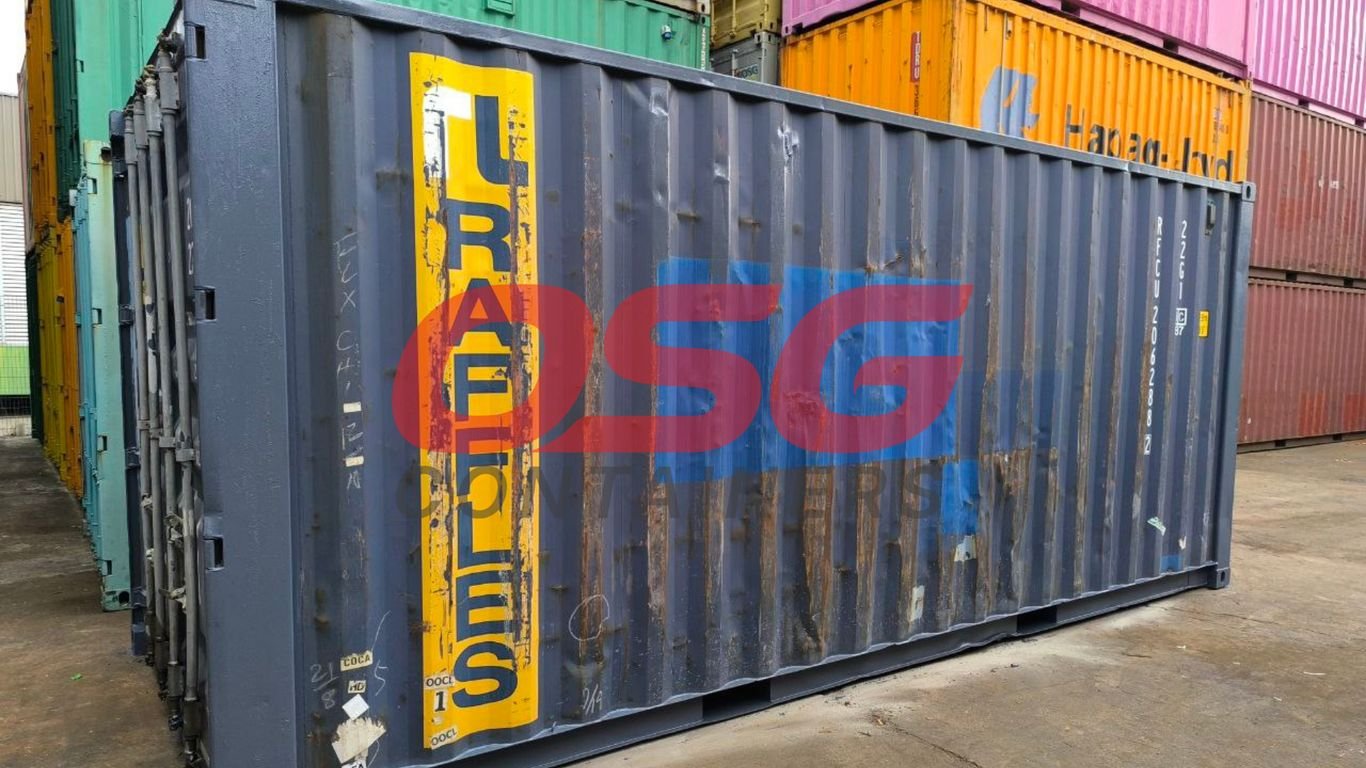
You know, those big metal boxes you see on ships and trains? Turns out, they’re way more than just for hauling stuff. People are getting super creative with them, turning what used to be just cargo carriers into all sorts of cool buildings and spaces. It’s pretty wild how something so standard can become so unique. We’re talking about customised containers here, and they’re popping up everywhere, from homes to shops. Let’s chat about why this is happening and what it means.
Key Takeaways
- Customised containers started as a way to move goods but have become popular building materials.
- They offer a unique blend of uniformity from their manufacturing and endless design possibilities once modified.
- The flexibility of these containers means they can be adapted for many different uses and placed in various locations.
- Using customised containers can be a smart choice because they’re often cheaper, last a long time, and are good for the environment since they’re reused.
- From affordable homes to pop-up markets and even emergency shelters, customised containers are showing up in a lot of different and useful ways.
The Ingenuity Of Customised Containers
From Cargo Carriers To Construction
It’s pretty wild to think that something so common, so much a part of how the world works, didn’t really exist until the mid-20th century. Shipping containers, these big metal boxes we see everywhere, were invented to make moving stuff around way easier. Before them, loading and unloading ships was a huge pain, taking ages and costing a fortune. Then, BAM! The standardized container comes along, and suddenly, you can move goods from a ship to a train to a truck without really touching the stuff inside. It totally changed global trade. But what happened when there were too many, or when they got a bit old? People started looking at them differently.
Solving Transportation Inefficiencies
Before containers, shipping was a mess. Goods were loaded piece by piece, often leading to damage and theft. It was slow, expensive, and just generally inefficient. The container changed all that. It created a single, secure unit that could be handled by specialized equipment and moved between different modes of transport without repackaging. This standardization meant faster turnaround times, lower costs, and a more predictable supply chain. This revolution in logistics paved the way for their later transformation into building blocks.
The Rise Of Container Architecture
So, these containers did their job for decades, moving goods. But as trade patterns shifted and older containers piled up, folks started wondering, "What else can we do with these?" It turns out, a lot. Around the 1980s, people began experimenting, seeing these sturdy, uniform boxes as potential building materials. It wasn’t just about slapping a window in one; it was about rethinking how we build. Architects and builders, and even just creative individuals, started seeing them as a new kind of Lego brick for the real world. This shift from purely functional transport units to architectural components is where the real ingenuity kicked in.
Unlocking Unique Possibilities With Customised Containers
It might seem odd that something built for uniformity, like a shipping container, can lead to such varied and individual results. But that’s exactly where the magic happens. Think of it like a blank canvas; the container itself is just the starting point. What you do with it is what makes it special.
Beyond Uniformity: Creative Applications
Shipping containers are showing up in places you might not expect. We’re seeing them used for everything from quirky hotel rooms in scenic spots to art installations that liven up city streets. Artists are really getting creative, turning these metal boxes into something totally new. Some of these art projects even use phone apps to let people interact with the art, which is pretty neat.
The market for shipping container buildings is growing fast. Reports suggest it could reach over $16 billion by 2032. This shows just how much people are embracing these adaptable structures.
Endless Design Configurations
Because containers are all the same size to start with, it makes them easy to stack, connect, and modify. This means you can build almost anything. Need a small office? Easy. Want a multi-story home? Also doable. The way you can combine them is pretty much limitless.
Here are a few ways they’re being put to use:
- Pop-up shops and food stalls: Great for temporary markets that can pop up anywhere.
- Temporary classrooms: Helping schools that need extra space quickly.
- Art studios: Providing affordable and adaptable creative spaces.
- Emergency shelters: Quick to deploy when disaster strikes.
A Canvas For Individual Expression
Ultimately, a customised container is whatever you want it to be. Whether you’re looking for a place to live that’s a bit different, a unique spot for your business, or even a community space, containers offer a way to make it happen. They let you build something that truly fits your needs and your style. It’s about taking a standard item and making it completely your own.
Flexibility In Design And Deployment
Adaptable To Diverse Needs
Shipping containers are pretty amazing because you can put them pretty much anywhere. Think about it – they’re built to travel the world on ships, so moving them around isn’t a big deal. This means you’re not stuck with just one spot. Need a temporary office for a construction site? Easy. Want a cool little cafe in a park for the summer? Done. They can be set up in busy city centers, quiet rural areas, or even places that are a bit off the beaten path. Their ability to be placed in so many different locations really opens up possibilities for all sorts of projects.
Here’s a quick look at how adaptable they are:
- Event Spaces: From small pop-up shops to larger festival stalls, containers can be configured to fit the event’s size and vibe.
- Temporary Offices: Need a workspace on a remote site or during a renovation? A container can be set up quickly.
- Retail Kiosks: Perfect for a small business wanting a low-cost, mobile storefront.
- Art Installations: Artists love them because they’re a blank canvas that can be moved and displayed in various settings.
The real beauty is that you’re not limited by traditional building constraints. If a location has access, a container can likely go there, making it a go-to for projects that need to be mobile or set up in unusual spots.
Factory Fit-Outs Or DIY Projects
When you decide to use a container, you’ve got two main paths for getting it ready: you can have it done in a factory, or you can tackle it yourself. Factory fit-outs are great if you want things done professionally and efficiently. They have all the tools and expertise to cut, weld, insulate, and finish the container exactly how you need it, often much faster than you could do it at home. This is a good choice if you’re looking for a polished, professional result and don’t have a lot of time.
On the other hand, the DIY route is for the hands-on folks. It can be a really rewarding experience, and you can save some money too. You’ll need to be comfortable with tools and have a good plan, but the satisfaction of building something yourself is pretty significant. It’s a good way to get a truly custom look and feel, making it your own.
Here’s a simple breakdown:
- Factory Fit-Out:
- Pros: Speed, professional finish, access to specialized equipment.
- Cons: Can be more expensive, less personal control over every detail.
- DIY Project:
- Pros: Cost savings, complete creative control, personal satisfaction.
- Cons: Requires skills and tools, can be time-consuming, potential for errors.
Strategic Placement For Any Setting
Where you put your container matters a lot. It’s not just about finding a flat spot; it’s about thinking about how people will use it and what’s around it. For example, if you’re making a pop-up shop, you’ll want it where lots of people walk by. If it’s a quiet studio space, maybe a more secluded spot is better. You also need to think about things like sunlight, wind, and even how easy it is to get utilities like water and electricity to it. Good placement can make a big difference in how useful and enjoyable the space is.
Consider these points for smart placement:
- Accessibility: How will people get to it? Is there parking nearby? Is it easy to find?
- Environment: Does it get too hot or cold? Is it protected from strong winds? Will it get good natural light?
- Utilities: Can you easily connect power, water, and internet if needed?
- Purpose: Does the location fit what the container will be used for? A food truck park needs a different spot than a quiet backyard office.
Thinking through these details before you set the container down will save you a lot of headaches later on and make sure your project works well.
The Practical Advantages Of Customised Containers
Cost-Effectiveness And Durability
When you start looking into building with customised containers, one of the first things that jumps out is how tough they are. These things are built to handle rough seas and long journeys, so you know they can take a beating. We’re talking steel construction that can stand up to some serious weather, like high winds and even earthquakes, if they’re set up right. Plus, because they’re already made, you can sometimes save a good chunk of change compared to traditional building methods. It really depends on the project, of course, but the potential for savings is definitely there.
Sustainability Through Repurposing
Think about it: instead of making new materials, we’re taking these big metal boxes that have already done their job carrying stuff around the world and giving them a whole new life. It’s a great way to reuse something that would otherwise just sit around. This whole process cuts down on waste and uses less energy than building from scratch. It feels good to build something cool and know you’re being a bit kinder to the planet.
Rapid Deployment For Temporary Needs
Need a space now? That’s where containers really shine. Because they’re basically pre-built modules, you can get them on-site and set up much faster than you could with traditional construction. This is a huge plus if you need a temporary office, a pop-up shop for an event, or even emergency shelters after a disaster. You can get a functional space up and running in a fraction of the time, which can make a big difference when time is tight.
The strength and speed of container construction mean you can create functional spaces quickly, which is a big deal for temporary projects or urgent needs. It’s a smart way to get a building without the long wait.
Here’s a quick look at what makes them so practical:
- Durability: Built from strong steel, they resist harsh weather and general wear and tear.
- Cost Savings: Often more affordable than conventional building, especially when factoring in labor and material costs.
- Speed: Significantly faster to deploy than traditional structures.
- Eco-Friendly: Repurposing reduces waste and the need for new raw materials.
Innovative Applications For Customised Containers
When you start looking at what people are doing with modified shipping containers, it’s pretty wild. Forget just hauling stuff across the ocean; these metal boxes are popping up everywhere, solving real problems and creating cool new spaces. It’s not just about being different; it’s about practical, often budget-friendly, solutions.
Affordable Housing Solutions
The housing situation in many places is, well, a mess. Finding a decent place that doesn’t cost an arm and a leg is tough. This is where customised containers really shine. Architects and builders are taking these sturdy boxes and turning them into actual homes. They’re faster to build, cheaper than traditional construction, and can be surprisingly comfortable and stylish. You can find companies that specialize in this, and sometimes you can even find second hand office containers for sale that can be a great starting point for a home project.
- Modularity: Easily stack or connect containers for larger homes.
- Speed: Construction time is significantly reduced.
- Cost: Lower material and labor expenses compared to brick-and-mortar.
The modular nature of container homes means you can start small and expand later, which is a big plus for people on a tight budget.
Vibrant Pop-Up Markets And Food Hubs
Think about your local farmers market or a street food festival. Containers are perfect for this. They’re easy to move around, set up quickly, and look pretty cool. Local businesses and food vendors can rent or buy these modified containers, creating instant marketplaces that can pop up in different neighborhoods. It’s a great way to support small businesses and bring life to underused areas. Finding a reliable container supplier is key here, especially if you need them outfitted with specific features like kitchens or display areas.
| Feature | Benefit |
|---|---|
| Portability | Easily relocate to new high-traffic areas |
| Quick Setup | Open for business in a fraction of the time |
| Customization | Tailor to specific vendor needs (e.g., food) |
Transforming Urban Spaces For Recreation
Who knew shipping containers could be fun? Turns out, they’re great for creating temporary or permanent recreational spots. We’re talking about pop-up skate parks, mini-golf courses, outdoor gyms, or even small art galleries. They can take an empty lot and turn it into something people want to visit. It’s a smart way to use urban space creatively and give communities more places to hang out and be active. Sometimes, you can even repurpose used containers for these kinds of projects, which is even more budget-friendly.
Disaster Relief And Emergency Shelters
This is perhaps one of the most important uses. When disaster strikes, getting people shelter quickly is critical. Modified shipping containers can be sent to affected areas and set up as temporary homes, medical clinics, or command centers. They’re durable, relatively easy to transport, and can provide a safe space much faster than traditional shelters. Their robust nature means they can withstand tough conditions, offering a reliable solution when it’s needed most.
Enhancing Functionality Through Modification
So, you’ve got your container, right? Now, how do you make it actually work for what you need? It’s not just about slapping some paint on it. We’re talking about turning a big metal box into something genuinely useful, whether that’s a cozy home, a cool shop, or a place to get some work done. The real magic happens when you start modifying it to fit your exact needs.
Essential Considerations For Comfort And Safety
Making sure your container space is comfortable and safe is pretty important. Nobody wants to freeze in winter or bake in summer, and you definitely want to avoid any nasty surprises. Think about these things:
- Insulation: This is key. You can go with spray foam, rigid panels, or even natural materials. It makes a huge difference in temperature control and soundproofing.
- Ventilation: Good airflow stops moisture buildup and keeps the air fresh. You might need vents, fans, or even a small HVAC system depending on the size and use.
- Electrical and Plumbing: Getting power and water into your container needs careful planning. This usually involves professional help to make sure it’s all up to code and safe.
- Flooring: What you put down matters for looks and durability. Options range from simple plywood to polished concrete or vinyl.
You can’t just ignore the basics. A container might be tough on the outside, but making it livable or functional inside requires attention to detail. It’s about creating an environment that’s pleasant and secure for whoever will be using it.
Integrating Technology For Smart Spaces
Want to make your container space a bit more modern? Technology can really change the game. It’s not just about having Wi-Fi; it’s about making things work smarter.
- Smart Lighting: Automated lights that adjust based on time of day or occupancy save energy and create ambiance.
- Climate Control: Smart thermostats let you manage heating and cooling remotely, so your space is always at the perfect temperature when you arrive.
- Security Systems: Integrated cameras, smart locks, and alarm systems give you peace of mind, especially if the container is in a remote location or holds valuable items.
- Connectivity: Reliable internet access is a must for many uses, from home offices to retail spaces. Think about satellite internet or robust Wi-Fi setups.
Tailored Solutions For Specific Requirements
Every project is different, and that’s where custom modifications shine. You might need something really specific, and containers can be adapted.
- For Housing: Adding windows, doors, internal walls, kitchens, and bathrooms turns it into a dwelling.
- For Retail: Think display shelves, counter spaces, changing rooms, and good lighting to showcase products.
- For Offices: You might need soundproofing, ergonomic workstations, and meeting areas.
- For Workshops: Heavy-duty flooring, extra ventilation for fumes, and specialized storage might be necessary.
The Future Of Customised Containers
Emerging Trends In Event Design
When you think about events, you probably picture tents or maybe some temporary structures. But the game is changing, and customised containers are leading the charge. We’re seeing them pop up everywhere, not just as simple booths, but as fully integrated parts of the event experience. Think about it: a whole stage built from stacked containers, or a VIP lounge that feels exclusive and modern. The real buzz is around how technology is being woven into these structures. Imagine interactive displays built right into the container walls, or lighting that changes based on the crowd’s mood. It’s about creating immersive environments, not just spaces.
Advancements In Sustainable Construction
People are really starting to care about the planet, and that’s a good thing. Using a repurposed sea container for a building is already a win for sustainability. But it’s going further. New methods are being developed to make these containers even greener. We’re talking about better insulation materials that don’t harm the environment, and ways to integrate solar power directly into the container’s design. It’s not just about reusing something old; it’s about making it a truly eco-friendly option from start to finish. The goal is to reduce waste and energy use at every step.
Expanding Capabilities With New Technologies
It feels like every week there’s some new tech that makes these containers even more useful. For events, this means things like smart climate control that can be managed remotely, or even augmented reality experiences that can be projected onto the container surfaces. For housing, we’re seeing more automation, like self-adjusting windows or integrated water recycling systems. It’s moving beyond just a metal box to a truly intelligent structure. The market for these modified shipping containers is growing, and it’s clear that innovation is the key to what’s next.
The adaptability of these structures means they can be used for almost anything, from a quick pop-up shop to a permanent, eco-conscious home. It’s this versatility that makes them so exciting for the future.
Here’s a look at what’s driving these changes:
- Smart Integration: More sensors and connectivity are being built in, allowing for remote monitoring and control.
- Advanced Materials: New coatings and insulation are making containers more comfortable and energy-efficient.
- Modular Innovation: Designs are becoming more complex, allowing for easier assembly and reconfiguration.
- AI and Automation: These technologies are being used to optimize living conditions and operational efficiency.
Wrapping It Up
So, we’ve seen how these metal boxes, originally just for hauling stuff, have become something way more interesting. They’re popping up everywhere, from cool shops and places to live, to even helping out after disasters. It’s pretty neat how a simple idea, like using what we already have, can lead to so many different and useful things. Whether you’re thinking about building something yourself or just curious, it’s clear that shipping containers are more than just boxes; they’re a smart way to build for today and tomorrow.
Frequently Asked Questions
What exactly are customized containers?
Think of regular shipping containers, the big metal boxes you see on ships and trucks. Customized containers are those same boxes, but changed and improved for a new job, like becoming a home, a shop, or an office. They’re not just for shipping stuff anymore; they’re built into cool, useful spaces.
Are customized containers strong and safe?
Yes! Shipping containers are made to be super strong to handle rough seas and long journeys. This means they’re very durable and can protect whatever is inside. When they’re turned into buildings, they’re made even safer with proper building techniques.
Are customized containers good for the environment?
Definitely! Using old shipping containers is a great way to reuse materials instead of making new ones. This helps reduce waste and is much better for the planet. It’s like giving a strong box a second life as something awesome.
Can I design my container space however I want?
Absolutely! That’s the best part of customizing. You can change the size, add windows and doors, put in insulation, and decorate it however you like. It’s like a blank canvas, so you can make it truly your own, whether it’s a cozy home or a trendy cafe.
How quickly can I get a customized container building?
Much faster than building with traditional materials! Since the main structure (the container) is already made, a lot of the work can be done in a factory. This means your customized container space can be ready and set up much quicker, which is great if you need something fast.
Are customized containers cheaper than regular buildings?
Often, yes! Because you’re reusing a strong, pre-made structure, the costs can be lower than building from scratch. Plus, they can be put up faster, saving on labor costs. They’re a smart choice for saving money while still getting a great, unique space.