Singapore
 Australia
 Indonesia
 Japan
Japan Malaysia
 New Zealand
 Philippines
 South Korea
 Taiwan
 Thailand
 VIETNAM
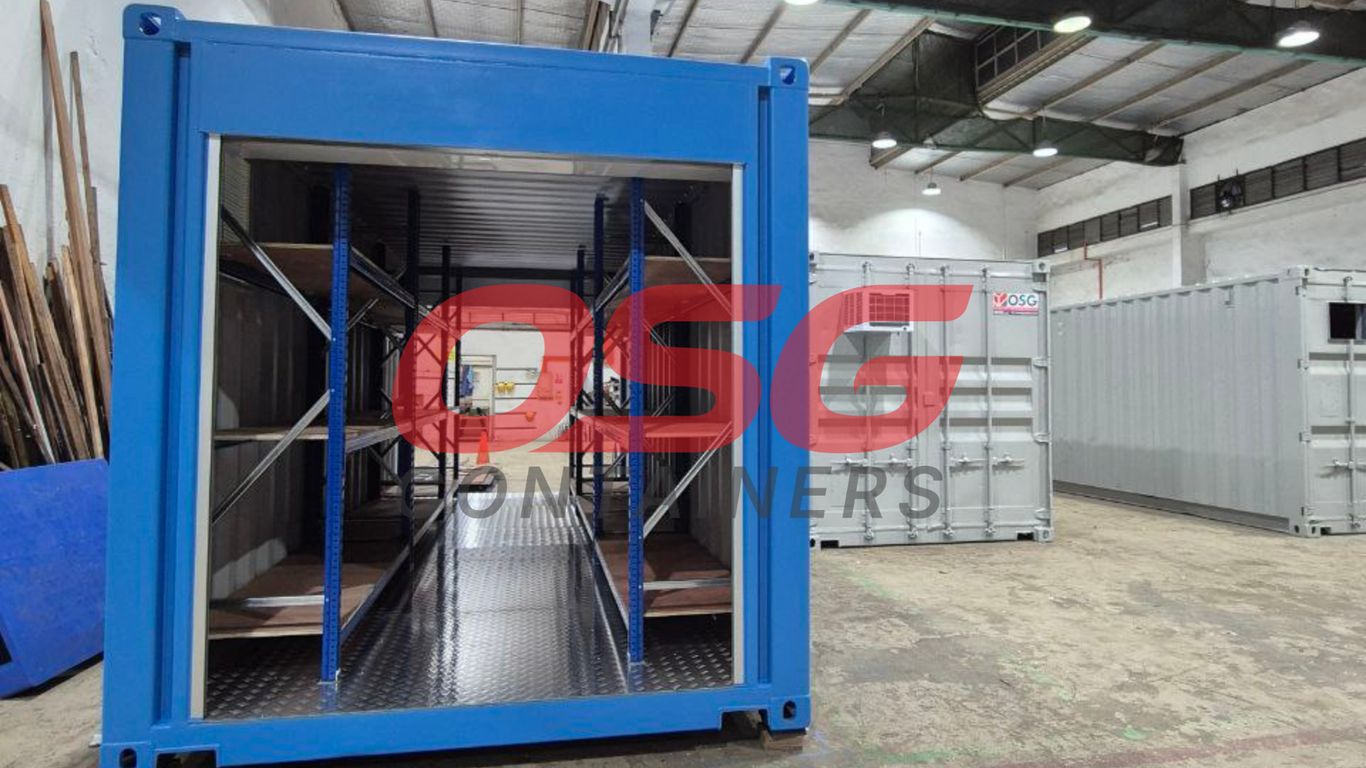
So, you need a shipping container. Maybe for a project, maybe for extra storage. The big question is, do you buy one or rent one? It feels like a simple choice, but there’s actually a lot to consider. Renting a container can seem like the easiest path, especially if you’re not sure how long you’ll need it. But let’s dig into why renting might be the smarter move for your situation, and when owning could actually be better.
Key Takeaways
- Renting a container often means lower upfront costs, which is great for short projects or when you need to watch your cash flow.
- When you rent a container, the company you rent from usually takes care of the big repairs, saving you headaches.
- Renting lets you easily get more containers if you need them, or give them back if you don’t, without being stuck with them.
- Always check the rental agreement for any extra fees, like for damage or late returns, so you don’t get surprised.
- Deciding to rent or buy a container really depends on how long you need it and what you plan to do with it.
Evaluating The Financial Implications Of Renting Containers
When you’re trying to figure out the best way to get your hands on shipping containers, the money part is usually the first thing that pops into your head. It just makes sense to look at the numbers, right? You want to know where your cash is going, both now and in the future. It’s not just about the price tag you see at first glance; there are a bunch of other costs and benefits to consider.
Comparing Upfront Investment Versus Monthly Expenses
Buying a container means a bigger hit to your wallet upfront, no question. Renting, on the other hand, typically involves a much smaller initial outlay, making it easier to manage cash flow, especially for smaller businesses or those with tight budgets. This difference in initial investment is often the most significant factor when deciding between the two.
Here’s a quick look at how the costs stack up:
| Feature | Owning (Upfront) | Renting (Monthly) |
|---|---|---|
| Initial Outlay | High | Low |
| Ongoing Payments | None (after purchase) | Consistent |
| Maintenance | Your responsibility | Often included |
| Resale Value | Potential return | None |
Understanding Long-Term Cost Differences
If you plan on using a container, like a 20 ft sea container, for a good chunk of time, say several years, those monthly rental payments can really start to add up. Over the long haul, owning often works out cheaper because you’re not paying someone else’s profit margin every month. Renting might seem easier on the budget at first, but that recurring expense can become a significant drain over time, especially if your needs stretch beyond a year or two. It’s kind of like buying a car versus leasing one. Eventually, you own the car and don’t have payments, but with leasing, you’re always paying.
While renting offers lower initial costs, the cumulative expense over an extended period can surpass the purchase price of a container. It’s a trade-off between immediate affordability and long-term value.
The Impact Of Resale Value On Ownership
One of the neat things about owning a shipping container is that they tend to hold their value pretty well. These things are built tough, after all. When you’re done with it, you can usually sell it and get a good chunk of your money back. This isn’t guaranteed, of course; the market can change, and the container’s condition matters. But compared to renting, where every dollar you spend just goes to the rental company, owning gives you an asset you can liquidate later. It’s a bit like investing in something that depreciates, but at a much slower rate than many other things. Keeping an eye on the resale market can help you estimate your potential return on investment.
Aligning Container Choice With Project Timelines
When you’re figuring out how to get your hands on shipping containers, one of the biggest things to consider is how long you’ll actually need them. This isn’t just about the immediate price tag; it’s about making sure the container solution fits neatly into your project’s schedule. Getting this wrong can lead to unnecessary costs or logistical headaches down the road.
Determining The Duration Of Your Container Needs
So, how long do you really need that container? This is the million-dollar question, and the answer really shapes whether renting or buying makes more sense. If your project has a clear finish line in sight, say a few months or maybe up to a year or two, renting is often the way to go. It keeps your upfront costs way down and means you don’t have to worry about what to do with the container once the job is done. But, if you’re looking at needing container space for three, five, or even ten years, the numbers start to shift. Over that kind of long haul, the total cost of renting can easily outstrip the initial investment of buying.
Ideal Scenarios For Short-Term Container Needs
Renting containers really shines when your needs are temporary. Think about these situations:
- Event Support: Setting up for a festival, a trade show, or a sporting event where you need extra storage for a limited time.
- Construction Projects: Temporary storage on a job site for tools, materials, or equipment during a build or renovation that has a defined end date.
- Inventory Management: Holding seasonal stock that you’ll only need for a few months out of the year.
- Disaster Relief: Providing immediate, temporary storage solutions in response to an emergency.
When your container needs are clearly defined and temporary, renting offers a straightforward solution without the long-term baggage of ownership. It’s about paying for what you use, when you use it.
When Renting Containers Makes Financial Sense
Ultimately, renting containers makes the most financial sense when the duration of your need is shorter than the point at which the cumulative rental costs exceed the purchase price of a new or used container. It’s a simple calculation: compare your expected rental payments over the project’s lifespan against the cost of buying. If the rental fees are significantly lower, or if the project’s timeline is uncertain but likely short, renting is usually the smarter financial move. This approach minimizes your initial capital outlay and avoids the risk of being stuck with an asset you no longer need.
| Project Duration | Rental Suitability | Ownership Suitability |
|---|---|---|
| 1-12 Months | High | Low |
| 1-3 Years | Medium | Medium |
| 3+ Years | Low | High |
Leveraging Rentals For Seasonal Or Event Support
Sometimes, your business needs a bit of extra space, but only for a little while. Think about the holiday rush at a shop, or a big outdoor festival that happens once a year. That’s where renting containers really shines. You can grab a container when you need it most and then just send it back when the busy time is over. It’s like having a storage unit that shows up exactly when you need it and disappears when you don’t.
Scaling Storage Capacity Up Or Down
Need more room for holiday inventory? Rent a container. Done with the season and have extra stock to put away? Rent another one. Or maybe you need to clear out space for a special event. Renting lets you adjust your storage on the fly. You’re not stuck paying for a big space all year round if you only need it for a few weeks.
- Holiday Sales: Stock up on extra merchandise without cluttering your main store.
- Seasonal Equipment: Landscapers can store mowers and tools during the off-season.
- Event Preparation: Keep decorations, supplies, and vendor materials organized before a big event.
Flexibility For Businesses With Fluctuating Demand
Businesses that have ups and downs in their workload can really benefit. If you have a busy season and then a slow one, buying a container means you’re stuck with it even when you’re not using it much. Renting means you only pay for storage when your demand is high. It’s a smart way to manage costs and keep operations running smoothly without being weighed down by an asset you don’t always need.
Renting containers offers a practical solution for businesses experiencing predictable but temporary surges in storage needs. It allows for agile adjustments to capacity without the long-term financial commitment of ownership.
Cost-Effectiveness During Peak Periods
When you’re in the middle of your busiest time, the last thing you want to worry about is not having enough space. Renting a container for these peak periods is often much cheaper than trying to buy a container you’ll only use for a short burst. You avoid the big upfront cost of buying and the hassle of selling it later. It’s a straightforward way to get the space you need, when you need it, without breaking the bank.
Managing Maintenance And Upkeep Responsibilities
When you’re thinking about containers, whether you own them or rent them, upkeep is a big part of the picture. If you own the container outright, then all the responsibility for keeping it in good shape falls squarely on your shoulders. This means you’re the one who has to deal with any rust that pops up, fix dents that happen, or make sure the door seals are still tight enough to keep the weather out. It can really eat into your time and budget, especially if you’ve already got a lot on your plate with your main business.
Understanding Your Role In Container Care
With rented containers, the company you’re renting from usually takes care of the major repairs. That’s a pretty sweet deal. You might still be expected to keep the container clean and let them know right away if you cause any significant damage. It’s a good idea to have a simple cleaning routine and to be upfront with the rental company about any issues. This helps avoid extra fees later on and keeps the container in decent shape.
Rental Company’s Role In Major Repairs
The rental company typically handles the heavy lifting when it comes to fixing things like structural damage or significant wear and tear. You’re generally not on the hook for things that happen due to normal use or age. However, it’s always smart to check your rental agreement. Some agreements might have specific clauses about what constitutes ‘normal wear and tear’ versus damage you’re responsible for.
Preventing Damage And Avoiding Extra Charges
- Keep it clean: Regularly sweep out debris and wipe down surfaces. This prevents moisture buildup and potential mold.
- Report issues promptly: If you notice a leak, a broken lock, or significant damage, tell the rental company immediately. Don’t wait until the end of your rental period.
- Secure properly: Use appropriate locks and ensure the container is closed and secured when not in use to prevent theft or weather damage.
- Avoid overloading: Stick to the weight limits specified by the rental company to prevent structural strain.
When you rent, a big chunk of the usual headaches just melts away. You’re not on the hook for all the nitty-gritty details that come with owning something like a shipping container. It’s a pretty sweet deal if you’re trying to keep things simple and focus on your actual project or business needs.
It’s easy to get caught up in the simplicity of renting, but a little due diligence goes a long way. Understanding the full cost picture upfront will save you from any unpleasant surprises down the road. Always get a clear, all-inclusive quote before signing anything and make sure you understand exactly what’s covered and what isn’t.
Testing Container Usage Without Ownership
Thinking about bringing cargo containers into your business but not totally sure if it’s the right move? Renting is a pretty low-risk way to figure that out. You can try out a container, maybe a 40 high q container, for a specific project or just a short period. This lets you see how it actually works for your team and what real benefits you get, all without shelling out a ton of cash upfront. It’s a practical way to check things out before you commit.
Low-Risk Exploration Of Container Solutions
Renting lets you test the waters. You get to experience having a container on-site, see how your staff interacts with it, and gauge its usefulness for your operations. It’s like a trial run for your business needs.
Assessing Practicalities And Real-World Benefits
- See how it fits: Does it actually solve the storage problem you have?
- Check accessibility: Is it easy for your team to get in and out of?
- Evaluate durability: Does it hold up to your daily use?
Renting avoids the big financial commitment of buying, making it ideal for businesses that are unsure about long-term container needs or are exploring new operational models. It’s a way to get the benefits without the ownership baggage.
Making Informed Decisions Before Commitment
After the rental period, you’ll have a much clearer picture. You’ll know if a container is a good fit for your workflow, if you need a specific type like a 40 high q container, or if you should look at other solutions. This experience helps you make a smarter choice later on, whether that’s buying, renting again, or deciding against containers altogether. It’s especially useful if you’re considering container solutions in a place like container singapore, where logistics can be complex.
Simplifying Logistics With Rental Returns
One of the biggest headaches when you own something like a shipping container is figuring out what to do with it when you’re done. Selling it can be a whole project in itself. You have to find buyers, maybe list it online, deal with price negotiations, and then arrange for transport. It’s a lot, especially when you’re trying to wrap up a project and move on to the next thing.
Avoiding The Hassle Of Selling Used Containers
When you rent, this whole selling process just disappears. You don’t have to worry about finding someone to take it off your hands or dealing with the back-and-forth of a sale. The rental company handles the pickup, and that’s usually the end of your involvement. It frees up your time and mental energy, letting you focus on other priorities instead of becoming a used container salesperson.
Streamlining Project End With Easy Returns
Think about it: your project wraps up, and instead of having a big metal box sitting around that you now need to get rid of, you just make a call. The rental company arranges a pickup date that works for you. This makes the end of a project much cleaner and less stressful. You’re not left with an unwanted asset that’s taking up space and potentially costing you money in storage fees.
Coordinating Pickup With The Rental Company
Arranging the pickup is usually pretty straightforward. You’ll typically need to:
- Notify the rental company: Let them know your rental period is ending and you’re ready for pickup.
- Ensure accessibility: Make sure the container is in a location where the rental company’s truck can easily access it.
- Clear the area: Remove any obstructions around the container so it can be lifted and moved without issues.
The simplicity of returning a rented container cannot be overstated. It removes a significant logistical burden that often accompanies the ownership of large assets, making the conclusion of a project far smoother.
This process is designed to be as hassle-free as possible. It’s one of the key benefits that makes renting a practical choice for many businesses and individuals who need temporary storage solutions.
Gaining Flexibility Without Long-Term Commitment
When you’re running a business, things change. Projects wrap up, seasons shift, and sometimes, you just need a bit of extra space for a while, but not forever. That’s where renting containers really shines. It’s all about getting what you need, when you need it, without getting tied down to a big purchase that you might regret later.
Adapting To Changing Project Needs
Imagine you start a construction project, and you think you’ll need a container for six months. You rent one. Then, surprise! The project gets extended by another three months. No problem. With a rental, you can usually just extend your agreement. On the flip side, if the project finishes early, you’re not stuck paying for a container you no longer need. You just let the rental company know, and they’ll come pick it up. This ability to adjust your container use on the fly is a huge advantage over buying.
Securing Space When You Need It
Sometimes, you just need storage, and you need it fast. Maybe you’ve got a big inventory delivery coming in for a holiday sale, or you’re renovating your office and need to move things out quickly. Renting allows you to get a container delivered to your site within a short timeframe. You don’t have to go through the process of finding a seller, negotiating a price, and arranging transport for a container you might only use for a few weeks. It’s a straightforward way to get that much-needed space without a lot of fuss.
Avoiding Financial Tie-Ins Of Ownership
Buying a container is a capital expense. It’s a big chunk of money that’s now tied up in a physical asset. If your business needs change, or if you decide you don’t need that container anymore, selling it can be a hassle. You might not get back what you paid for it, and you have to deal with advertising, potential buyers, and transportation. Renting, on the other hand, turns that big upfront cost into predictable, manageable monthly payments. You pay for the use, not the ownership, which keeps your cash flow more flexible and your balance sheet looking cleaner. It’s a smart way to manage resources, especially for businesses that prefer to keep their capital available for other investments or operational needs.
Renting containers offers a dynamic solution for businesses that value agility. It allows for precise resource allocation, ensuring that storage or workspace needs are met without the long-term financial burden or logistical complexities associated with ownership. This approach is particularly beneficial for companies operating in fast-paced or unpredictable markets.
So, What’s the Verdict?
Ultimately, deciding whether to rent or buy shipping containers really comes down to what makes the most sense for your specific situation. If you’ve got a short-term project or you’re just not sure how long you’ll need the space, renting is probably the way to go. It keeps your initial costs down and you don’t have to deal with the upkeep or the hassle of selling it later. But, if you know you’ll need a container for a few years, or if you really want the freedom to change it up and make it your own, buying makes a lot more sense. Sure, you’ll pay more upfront, but over the long haul, it can save you a good chunk of money. Plus, you can even sell it down the road to get some of your investment back. Just think about how long you’ll use it and what you plan to do with it, and that should point you in the right direction.
Frequently Asked Questions
When is it better to rent a shipping container instead of buying one?
Renting is usually a smarter choice when you need a container for a short time, like for a specific project that will end in a year or two. It’s also great if your business has busy seasons and you need extra space only sometimes. Renting keeps your upfront costs low and you don’t have to worry about what to do with the container later.
What are the main money differences between renting and buying?
Buying costs more money right away, but it’s a one-time payment. Renting costs less at first with monthly payments, but these can add up a lot over many years. Owning might be cheaper in the long run if you need the container for a long time, and you might even be able to sell it later to get some money back.
Who takes care of repairs if I rent a container?
Usually, the company you rent from handles big repairs. You’re typically responsible for keeping the container clean and avoiding damage from how you use it. It’s always a good idea to check your rental agreement to know exactly what you’re responsible for.
Can renting help my business if my needs change a lot?
Yes! Renting is super flexible. If you suddenly need more storage, you can rent more containers. If you need less, you can return them. This means you only pay for the space you actually use, which is great for businesses with busy and slow times.
Is renting a good way to try out using containers?
Definitely. Renting lets you use a container without a big commitment. You can see if it works for your business, how your team uses it, and if it really helps you. If it doesn’t work out, you just return it. It’s a low-risk way to test the waters.
What happens when I’m finished renting a container?
It’s pretty simple! When your rental time is up, you just arrange for the rental company to pick it up. You don’t have to worry about selling it, finding a buyer, or arranging transport. It makes finishing a project much easier.