Singapore
 Australia
 Indonesia
 Japan
Japan Malaysia
 New Zealand
 Philippines
 South Korea
 Taiwan
 Thailand
 VIETNAM
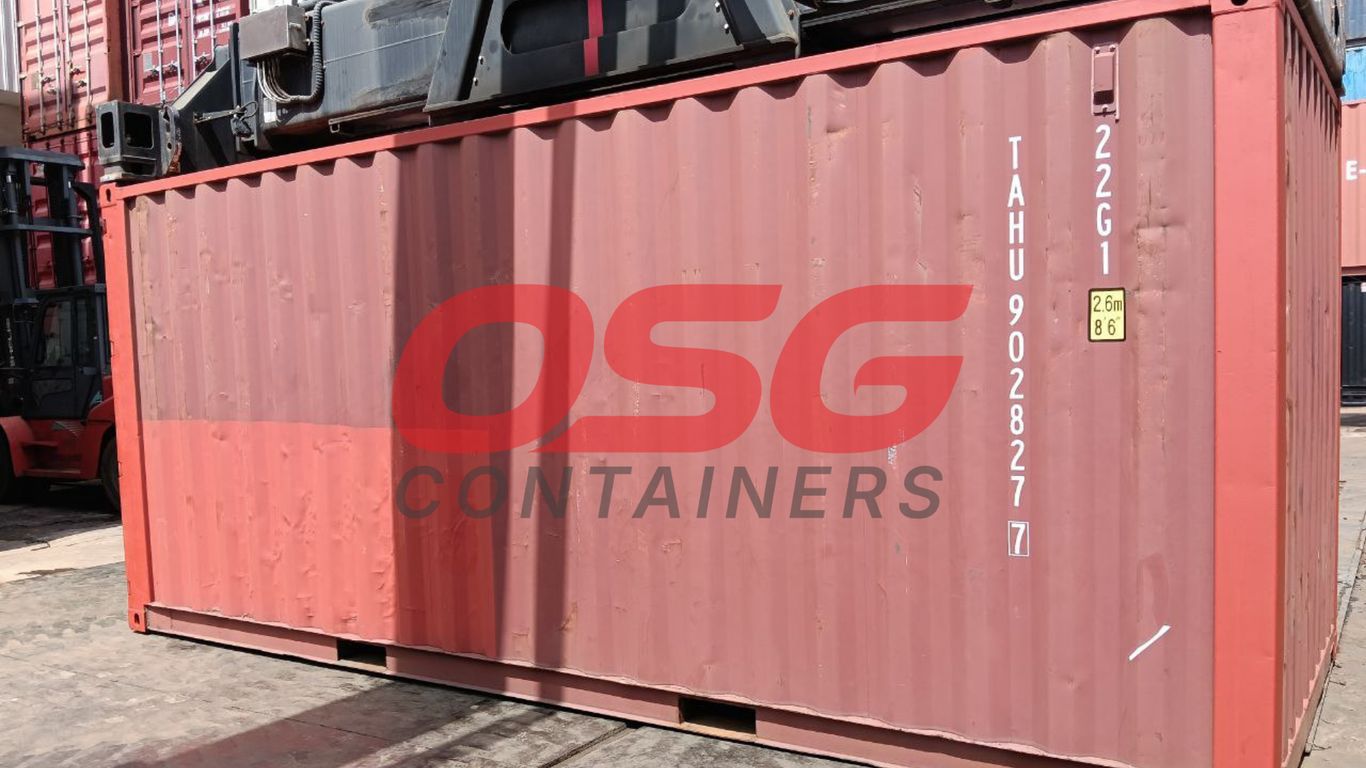
Renting shipping containers can be a super handy way to get extra storage space, whether for a business project or just clearing out the garage. But honestly, figuring out the cost isn’t always straightforward. There are a bunch of things that go into the final price tag, and knowing them can help you avoid any sticker shock. Let’s break down what actually makes up the cost of container rentals so you can make a smart choice.
Key Takeaways
- The type and size of the container you rent, along with how long you need it, are the main drivers of cost in container rentals.
- Market conditions, like how much demand there is at certain times of the year and global events, can really shake up rental prices.
- Don’t forget about extra costs like delivery, any needed repairs or modifications, and insurance – these add up beyond the basic rental fee.
- Renting multiple containers at once or signing longer rental agreements can often lead to better prices per unit.
- When looking at container rentals, consider if buying a used container might be more cost-effective for your specific situation.
Understanding the Core Factors of Container Rental Costs
When you’re looking to rent a shipping container, it’s not just a one-size-fits-all price. Several things play a role in what you’ll end up paying. Think of it like buying anything else – the specifics matter a lot.
Container Type and Size Variations
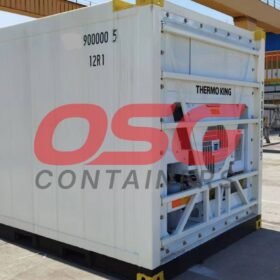
The most obvious factor is the container itself. You’ve got different sizes, and that directly impacts the cost. A standard 20-foot container is going to be less expensive than a 40-foot one, simply because you’re getting more space. It’s pretty straightforward: more room, more cost. Beyond just length, there are specialized containers too. Need something refrigerated for sensitive goods? That’s going to cost more than a basic dry storage unit. Open-top containers or those modified for specific uses also come with their own pricing.
Here’s a general idea of how size affects monthly rental costs:
| Container Size | Typical Monthly Rental Range |
|---|---|
| 20-foot | $75 – $150 |
| 40-foot | $100 – $200 |
| Refrigerated | $200 – $500+ |
Note: These are estimates and can vary widely based on other factors.
The Impact of Rental Duration on Pricing
How long you plan to keep the container is another big piece of the puzzle. Renting for a short period, like a few weeks or months, usually means a higher per-month rate. It’s like paying a premium for flexibility. On the other hand, if you know you’ll need the container for a year or more, you can often negotiate a much better deal. Longer-term commitments usually come with discounts because it gives the rental company more predictable business.
- Short-term rentals (1-3 months): Highest per-month cost, offers maximum flexibility.
- Mid-term rentals (4-11 months): Moderate per-month cost, often with slight discounts.
- Long-term rentals (12+ months): Lowest per-month cost, requires commitment.
Geographic Location and Its Influence on Rates
Where you are located really does make a difference. If you’re renting a container in a major metropolitan area or a busy port city, you’re likely to pay more than someone in a more rural or less populated region. This is partly due to demand – more businesses in a city means more people needing storage. It also relates to transportation costs. Getting a container to you from the depot costs money, and if you’re further away, that cost goes up. So, proximity to a rental yard can sometimes save you a bit.
The cost of getting the container to your site, often called drayage or delivery fees, can be a significant portion of the total rental expense. This fee covers fuel, driver time, and the specialized equipment needed to place the container precisely where you want it. Always factor this into your budget, as it’s not always included in the base rental price.
Market Dynamics Affecting Container Rental Prices
The price you pay for renting a shipping container isn’t just about the container itself. A lot of outside forces can really shake things up, making prices go up or down in ways you might not expect. It’s like the weather for your storage needs – sometimes calm, sometimes a storm.
Seasonal Demand and Supply Fluctuations
Think about when businesses are busiest. Around holidays, or during peak construction seasons, everyone suddenly needs extra storage space. This surge in demand, especially when combined with a limited number of available containers, naturally pushes rental prices higher. It’s a classic case of supply and demand at work. If there aren’t enough containers to go around, companies will pay more to secure one.
- Peak Seasons: Expect higher rates during busy retail periods (like Q4) or prime construction months.
- Off-Peak: Rental prices tend to be more stable and potentially lower during slower business cycles.
- Event-Driven Demand: Major local events or natural disasters can cause temporary spikes in demand and pricing.
Impact of Global Events on Rental Rates
Big global happenings can have a surprisingly direct effect on your local container rental costs. Remember when the pandemic hit? Shipping got all messed up, and suddenly, getting a container became way more expensive. More recently, conflicts in different parts of the world have rerouted shipping lanes, causing delays and making certain routes pricier. These global disruptions ripple through the supply chain, affecting everything from manufacturing to the availability of containers for rent.
When international trade routes are disrupted, whether by pandemics, political tensions, or natural disasters, the cost and availability of shipping containers can change dramatically. This often leads to increased rental rates as companies scramble to secure the assets they need.
Oversupply and Its Effect on Pricing Trends
On the flip side, sometimes there are just too many containers sitting around. This can happen when demand drops off suddenly, or when companies that bought a lot of containers during a boom decide to sell them back. When there’s an oversupply, rental companies have more containers than people need, so they often lower their prices to keep them rented out and avoid having idle assets. This can be a great time to rent if you need storage, as prices can drop significantly.
Additional Costs Beyond the Base Rental Rate
So, you’ve got a handle on the basic monthly rental fee for your container, right? That’s great, but it’s not the whole story. Think of the base rate as just the starting point. There are a few other things that can add up, and it’s smart to know about them before you sign on the dotted line.
Delivery and Transportation Expenses
This is a big one. Getting that container from the rental yard to your location isn’t free. The cost here really depends on how far away you are. If you’re just a few miles from the depot, it’ll be less than if you’re across the state. Plus, these aren’t just any trucks; they need special equipment to handle these massive units. The driver’s time and the fuel burned all factor into this cost. It’s not just about the miles, though. The skill involved in placing a container exactly where you need it, especially in tight spots, is part of what you’re paying for.
Maintenance and Condition of Rental Units
Even though you don’t see a separate bill for it, the rental company spends money keeping their containers in good shape. They have to check them regularly to make sure they’re secure and weather-tight. This means looking at the locks, the seals, and the overall structure. When your container arrives looking solid and ready to protect your stuff, that’s because the company has invested in this upkeep. It’s a cost that’s baked into the rental price, but it means you get a reliable unit.
Permits, Modifications, and Insurance Considerations
Sometimes, you might need more than just the container itself. Depending on where you’re putting it and what you’re doing with it, you might need permits from your local city or county. This is especially true if the container will be on public land or visible from the street. It’s always a good idea to check with your local planning department. Also, if you need to make any changes to the container – like adding special shelving or ventilation – that’s an extra cost. And, of course, depending on what you’re storing, you might want to look into insurance to cover your goods while they’re in the container.
It’s easy to get caught up in the monthly rental price, but remember that delivery, upkeep, and any extra requirements are part of the total picture. Thinking these through upfront can save you from unexpected expenses down the road.
Here’s a quick look at what might add to your bill:
- Delivery Fees: Based on distance and site accessibility.
- Permit Costs: Varies by municipality and container placement.
- Modifications: Costs for any custom changes you request.
- Insurance: Optional, but recommended for valuable contents.
- Sales Tax: Applied to the rental service in most areas.
Strategies for Optimizing Container Rental Expenditures
Renting containers can get pricey if you’re not careful. It’s easy to just sign on the dotted line, but a little planning can save you a good chunk of change. Let’s look at some ways to keep those rental costs from getting out of hand.
Negotiating Long-Term Rental Contracts
If you know you’ll need a container for a while, don’t just pay month-to-month. Companies often give better rates for longer commitments. Think about signing a 6-month or year-long lease instead of just a few months. You might get a lower per-month price, which adds up over time. It’s like buying in bulk – the longer you commit, the more you can potentially save.
Evaluating Used vs. New Container Options
This is a big one. New containers are shiny and all, but they come with a premium price tag. Have you considered a used container? Buying a used container can be significantly cheaper than opting for a brand-new one. Just make sure you inspect it well. Look for rust, dents, and check if it’s still wind and water-tight. A good quality used container can serve your needs just as well as a new one, but for a lot less money.
Here’s a rough idea of how prices can differ:
| Container Type | New (Approx. Monthly Rental) | Used (Approx. Monthly Rental) |
|---|---|---|
| 20-ft Standard | $150 – $200 | $95 – $150 |
| 40-ft Standard | $180 – $250 | $125 – $180 |
| 40-ft High Cube | $200 – $280 | $150 – $200 |
Note: These are estimates and can vary based on location, condition, and provider.
Bundling Services for Potential Discounts
Sometimes, rental companies offer more than just the container itself. They might provide delivery, setup, or even modification services. If you need these extras, ask if you can get a package deal. Bundling your container rental with other services could lead to a discount compared to paying for each item separately. It’s worth asking what kind of bundled rates they can offer.
When you’re looking at container rentals, remember that the sticker price isn’t always the final cost. Always ask about potential discounts for longer terms, consider the savings from used units, and see if bundling services makes sense for your situation. A little bit of research and negotiation can go a long way in reducing your overall expenses.
The Role of Volume in Container Rental Pricing
When you’re looking to rent containers, the sheer number you need can really change the price you pay per unit. It’s a bit like buying anything in bulk – the more you get, the less each individual item tends to cost. This is what we call economies of scale, and it definitely applies to container rentals.
Economies of Scale in Bulk Rentals
Think about it: a company that rents out containers has a whole lot of them. If they rent just one or two out, their costs for delivery, pickup, and admin are spread over a very small amount of revenue. But if they rent out ten, twenty, or even fifty at once to a single customer, those fixed costs get divided among many more units. This makes it cheaper for them, and they can pass some of those savings on to you. Renting more containers often means a lower price per container.
Here’s a general idea of how the per-container cost might drop as you rent more:
| Number of Containers | Estimated Monthly Cost Per Container |
|---|---|
| 1-5 | $150 – $200 |
| 6-10 | $140 – $180 |
| 11+ | $130 – $170 |
This table shows that the more containers you sign up for, the better the deal you can usually get on each one. It’s a pretty straightforward way to cut down on your overall rental expenses if your project or business needs a significant number of units.
Cost Differences Between Single and Multiple Unit Rentals
So, what’s the actual difference between renting one container and renting a bunch? Well, for a single container, you’re often looking at the highest possible rate. The rental company has to cover all their overhead for that one unit – delivery, potential repositioning, and administrative work – and they need to make a profit. This means the per-unit cost is usually at its peak.
When you start renting multiple units, even just a few more, the dynamics change. The delivery cost might be a single trip for several containers, or the driver can drop them off efficiently on one route. The paperwork is consolidated. This efficiency means the rental company’s costs per container go down, and they’re usually willing to offer a discount. It’s not just about the container itself; it’s about the logistics and the overall business transaction.
Renting containers in larger quantities can lead to significant savings per unit. This is because the fixed costs associated with delivery, maintenance, and administration are spread across more units, making the overall transaction more cost-effective for both the rental company and the customer. It’s a classic example of how volume purchasing benefits businesses looking to manage their storage expenses.
Exploring Advanced Container Rental Solutions
So, you’ve got your basic container rental sorted, but what’s next? The world of renting containers for rent isn’t just about basic boxes anymore. There are some pretty neat advancements out there that can make your storage life a lot easier and, believe it or not, potentially cheaper in the long run. Think about it – renting container solutions are evolving, and staying on top of these changes can really help your business.
Leveraging Technology for Storage Efficiency
Technology is really changing the game. We’re seeing "smart" containers pop up, which are basically containers with built-in sensors. These sensors can keep an eye on things like temperature and humidity inside the container. This is super handy if you’re storing anything sensitive, like food or electronics, because it helps prevent damage and spoilage. It means fewer surprises and less waste, which directly impacts your bottom line. Plus, some companies are using clever ways to stack containers, making better use of space, especially if you’re tight on room. It’s all about getting more storage bang for your buck.
Innovative Container Designs and Their Cost Implications
Beyond the tech, the actual design of the containers is getting smarter too. You might find collapsible containers that can be folded down when you don’t need them. This is great for flexibility – you’re not stuck with a big, empty box taking up space when your storage needs drop. It also means you might pay less for transport when they’re not in use. For businesses in places like container rental Singapore, where space can be a premium, these kinds of designs are a big deal. They offer a way to adapt your storage on the fly without a huge commitment.
Here’s a quick look at how some of these advanced features can affect costs:
- Smart Sensors: Reduce spoilage and damage, saving on replacement costs and lost inventory.
- Collapsible Designs: Lower transportation fees and reduce storage footprint when empty.
- Modular Stacking Systems: Maximize vertical space, potentially reducing the need for additional land rental.
When you’re looking at renting a container, it’s easy to just focus on the monthly price. But these advanced options, while they might have a slightly higher initial rental rate, can actually save you money over time. It’s about looking at the total cost of ownership, or in this case, the total cost of rental, and seeing where the real savings lie. Don’t just go for the cheapest box; consider what features will prevent costly problems down the road.
Wrapping It Up: Making Smart Choices with Container Rentals
So, we’ve looked at all the different things that go into renting a shipping container. It’s not just a simple price tag; there are a bunch of factors like the type of container you need, how long you’ll keep it, and even where you’re located. Plus, the market itself can change prices pretty quickly, as we saw with those big shifts a few years back. Knowing all this helps you figure out the best deal for your situation. Whether you’re renting for a short project or need something long-term, understanding these costs means you can plan better and hopefully save some money. It’s all about making an informed choice that fits your business needs without breaking the bank.
Frequently Asked Questions
What makes the price of renting a container go up or down?
Lots of things can change the price! The type and size of the container matter a lot – bigger ones usually cost more. How long you rent it for also plays a big part; renting for a longer time often gets you a better deal per month. Plus, where you are located can affect delivery costs, and sometimes, when lots of people need containers at the same time (like during busy seasons), prices can go up.
Are there hidden costs I should know about when renting a container?
Yes, there can be! Besides the basic rental fee, you might have to pay for delivery and pickup, which depends on how far away you are. Sometimes, you might need special permits to have a container on your property. Also, if you plan to change the container in any way, or if you want extra protection, insurance might be an additional cost to consider.
Is it cheaper to rent a new container or a used one?
Generally, used containers are less expensive than brand-new ones. While new containers might look nicer and be in perfect condition, a good quality used container can save you a good chunk of money. Just make sure to check the condition of any used container carefully to ensure it’s still sturdy and weather-proof.
How does renting multiple containers affect the cost?
Renting more than one container at a time can often lower the price per container. This is called ‘economies of scale.’ Think of it like buying in bulk at the grocery store – you usually get a better price per item when you buy a lot. So, if you need several containers, ask about discounts for renting multiple units.
Can I get a better price if I rent a container for a long time?
Absolutely! Most rental companies offer discounts for longer rental periods. If you know you’ll need the container for several months or even a year or more, signing a longer contract can significantly reduce your overall monthly costs compared to renting on a month-to-month basis.
What’s the difference between renting and buying a container?
Renting offers flexibility; you can get a container when you need it and return it when you’re done, which is great for short-term projects. Buying means you own it, which can be cheaper in the long run if you need storage for a very long time, but it requires a bigger upfront cost and you’re responsible for its upkeep.