Singapore
 Australia
 Indonesia
 Japan
Japan Malaysia
 New Zealand
 Philippines
 South Korea
 Taiwan
 Thailand
 VIETNAM
When you need a shipping container, you’ve got a choice to make: buy one or rent one. It sounds simple, but there’s a lot to think about. Renting containers can seem like the easy way out, especially if you’re not sure how long you’ll need it. But is it always the best move for your business? Let’s break down the reasons why renting containers might be the smarter play, and when owning might make more sense.
Key Takeaways
- Renting containers is often more budget-friendly upfront than buying, making it ideal for short-term projects or when cash flow is tight.
- When you rent containers, the rental company typically handles maintenance and repairs, saving you time and hassle.
- Renting provides flexibility to scale your container needs up or down quickly without the long-term commitment of ownership.
- Carefully review rental agreements to understand all potential fees, such as those for damage or late returns, to avoid surprises.
- The decision between renting and owning containers depends heavily on your project timeline, usage duration, and need for customization.
Evaluating The Financial Implications Of Renting Containers
When you’re trying to figure out the best way to get your hands on shipping containers, the money part is usually the first thing that pops into your head. It just makes sense to look at the numbers, right? You want to know where your cash is going, both now and in the future. It’s not just about the price tag you see at first glance; there are a bunch of other costs and benefits to consider.
Understanding Long-Term Cost Differences
Buying a container means a bigger hit to your wallet upfront, no question. But think about it: that initial cost is a one-time thing. If you plan on using the container for a good chunk of time, like several years, those monthly rental payments can really start to add up. Over the long haul, owning often works out cheaper because you’re not paying someone else’s profit margin every month. Renting might seem easier on the budget at first, but that recurring expense can become a significant drain over time, especially if your needs stretch beyond a year or two. It’s kind of like buying a car versus leasing one. Eventually, you own the car and don’t have payments, but with leasing, you’re always paying.
The initial cost of a container is a significant factor, but it often proves more economical in the long run compared to continuous rental fees.
Comparing Upfront Investment Versus Monthly Expenses
Here’s a quick look at how the costs stack up:
| Feature | Owning (Upfront) | Renting (Monthly) |
|---|---|---|
| Initial Outlay | High | Low |
| Ongoing Payments | None (after purchase) | Consistent |
| Maintenance Costs | Your responsibility | Often included |
| Resale Value | Potential return | None |
When you rent, you’re essentially paying for the use of the container for a set period. This can be great for short-term projects where buying doesn’t make sense. However, if your project extends, or you find yourself needing containers regularly, those monthly fees can quickly surpass the cost of buying. It’s a trade-off between immediate cash flow and long-term asset building.
It’s easy to get caught up in the simplicity of renting, but a little due diligence goes a long way. Understanding the full cost picture upfront will save you from any unpleasant surprises down the road. Compare different providers and ask lots of questions to make sure you’re getting the best deal for your specific situation.
Navigating Potential Hidden Rental Fees
Now, while renting can be convenient, you’ve got to watch out for those sneaky extra costs. Rental agreements can sometimes come with fees you might not expect, like charges for damage that’s considered beyond normal wear and tear, or even late return penalties. It’s super important to read the fine print carefully. Make sure you understand exactly what’s covered and what isn’t. Sometimes, things like special locks or delivery surcharges can add up. Always get a clear, all-inclusive quote before signing anything.
- Delivery and Pickup Fees: These can vary based on distance and accessibility.
- Damage Charges: Understand what constitutes ‘normal wear and tear’ versus damage you’ll be billed for.
- Late Fees: Be aware of penalties for returning the container past the agreed-upon date.
- Cleaning Fees: Some companies charge if the container isn’t returned in a clean state.
Strategic Decisions For Container Solutions
When you’re figuring out the best way to get your hands on cargo containers, it’s not just about the immediate price tag. You’ve got to think about how these big metal boxes fit into your bigger business picture. It’s about making smart choices that help your projects run smoothly and maybe even boost your company’s profile.
Aligning Container Choice With Project Timelines
Your project’s timeline is a huge factor in deciding whether to buy or rent. If you’ve got a short-term gig, maybe a few months, renting might seem like the easy way out. You pay as you go, and when the job’s done, you just hand it back. No fuss, no long-term commitment. But, if your project is going to stretch out for years, or if you know you’ll need containers for multiple, ongoing projects, buying starts to look a lot more sensible. Think about it: paying rent for five years could easily cost more than buying a container outright. Plus, owning means you don’t have to worry about rental agreements expiring or needing to find another container when your project unexpectedly gets extended. It gives you a stable asset you can rely on.
Determining The Duration Of Your Container Needs
How long do you really need that container? This is the million-dollar question. If it’s for a specific event, a temporary storage need during a renovation, or a project with a clear end date within a year or two, renting is often the way to go. It keeps your upfront costs low and avoids the hassle of selling a container later. However, if you anticipate needing container space for three, five, or even ten years, the math starts to favor ownership. You’ll pay more initially, but over that extended period, the cost per year can become significantly less than continuous rental fees.
Planning For Container Mobility And Relocation
Where will your container be? And will it need to move? If you’re renting, you’ll need to check the rental agreement for any restrictions on moving the container. Some companies might charge extra fees for relocation or only allow movement within a certain radius. If you own your cargo containers, you have complete freedom to move them wherever you need them, whenever you need to. This is especially important if your business operates across multiple sites or if you anticipate needing to shift your storage or workspace location. Owning gives you that flexibility without needing to coordinate with a third party.
Owning shipping containers can actually be a tool for growing your business. For starters, you can customize them. Need an extra office on-site? A secure storage unit for valuable inventory? You can modify a purchased container to be exactly what you need. This flexibility means you can adapt to changing business needs without a lot of hassle. Beyond that, think about branding. You can paint your company logo and colors right onto your containers. Imagine having a fleet of branded shipping containers moving around – it’s like a mobile billboard, getting your name out there. This kind of visibility can really help build brand recognition. It’s a way to make your operational assets work for your marketing too.
Avoiding Ownership Responsibilities Through Rentals
When you rent a container, a big chunk of the usual headaches just melts away. You’re not on the hook for all the nitty-gritty details that come with owning something like a shipping container. It’s a pretty sweet deal if you’re trying to keep things simple.
Managing Maintenance and Upkeep Responsibilities
Think about it: if you own a container, you’re the one who has to deal with rust spots, fix dents, or make sure the door seals are still tight enough to keep the rain out. That can add up to a lot of time and money, especially if you’re already swamped with your main business. With rentals, the company you rent from usually takes care of the big stuff. You might still need to keep it clean and report any major damage you cause, but the heavy lifting of repairs is off your plate. It’s a good idea to have a basic cleaning routine and to let the rental company know right away if something serious happens. This way, you avoid extra fees and keep the container in good shape.
- Rental companies typically cover major repairs.
- You’re usually responsible for keeping the container clean.
- Report any significant damage promptly to avoid extra charges.
Simplifying Logistics With Rental Returns
One of the best parts of renting is what happens when you’re done. You don’t have to figure out how to sell it or find a buyer. When your rental period ends, you just coordinate with the rental company for them to pick it up. That’s it. No listing ads, no haggling over prices, no arranging transport for a sale. It makes the end of a project much smoother, especially when you’ve got other things to focus on.
Gaining Flexibility Without Long-Term Commitment
Renting containers gives you a lot of wiggle room. You can get a container for exactly how long you need it, whether that’s a few weeks or a few months. This means you’re not stuck with a big asset that you might not need later on. It’s a smart move for projects with uncertain timelines or for businesses that have busy and slow seasons. You get the space you need, when you need it, without the long-term financial tie-in.
Renting containers means you can adapt quickly to changing project needs or business demands. You get the utility of a container without the burden of ownership, making it a flexible solution for many situations.
When Renting Containers Makes Financial Sense
Sometimes, the smartest financial move isn’t buying. Renting containers, especially for specific situations, can really keep your costs down and your operations smooth. It’s all about matching the container solution to your actual needs, not just getting a container because you can.
Ideal Scenarios For Short-Term Container Needs
If you know your container needs are temporary, renting is often the way to go. Think about projects that have a clear end date, or businesses that have busy seasons. You get the space you need for exactly how long you need it, and then you hand it back. No fuss, no long-term commitment.
- Home renovations: Need a place to stash your furniture and belongings while your house is being worked on?
- Event support: Hosting a festival, concert, or trade show and need extra storage for supplies or merchandise?
- Construction projects: Require temporary on-site storage for tools, materials, or equipment for a few months?
The beauty of renting here is avoiding the sunk cost of ownership for something you’ll soon no longer need.
Renting containers means you pay for the use, not the asset. This can be a significant cash flow advantage when your needs are predictable but limited in duration.
Leveraging Rentals For Seasonal Or Event Support
Businesses that experience peaks and valleys in demand can really benefit from container rental. For instance, a retail store might need extra inventory space during the holiday season. Or a landscaping company might need to store seasonal equipment. Renting a freight container for rent allows you to scale up your storage capacity quickly and then scale it back down just as easily when the busy period is over. This flexibility means you’re not paying for unused space for most of the year.
Testing Container Usage Without Ownership
Thinking about incorporating containers into your business operations but not quite sure if it’s the right fit? Renting offers a low-risk way to find out. You can try out a container rental for a specific project or a trial period. This lets you assess the practicalities, see how your team uses it, and understand the real-world benefits without making a big capital investment. If it works out, great! You can then consider purchasing. If not, you simply return the container at the end of the rental term. It’s a practical approach to exploring new solutions.
Maximizing Value With Container Ownership
Gaining Flexibility Through Container Ownership
When you own a shipping container, you get a level of freedom that renting just can’t match. Think of it like owning your own tools versus borrowing them. You can use it, move it, and modify it whenever you need to, without having to ask permission or worry about someone else’s schedule. This is super handy if your needs change often or if you have a project that’s a bit out of the ordinary. You’re not tied down by rental agreements, which can be a real headache if things don’t go exactly as planned. Owning means you have a stable asset that’s always available for your use.
Customization Potential For Your Specific Needs
This is where owning really shines. Need to turn that container into a specialized workshop, a secure storage unit with custom shelving, or even a basic guard house? Owning means you can do it. You can add insulation, ventilation, lighting, or whatever else makes the container work best for you. Unlike a rental, which you usually have to return in the same condition you got it, your owned container is a blank slate. You can even get creative and repurpose it for something totally different down the line.
Here’s a quick look at how owning stacks up for customization:
- Workshops: Add workbenches, power outlets, and lighting.
- Secure Storage: Install advanced locking mechanisms and shelving.
- Office Spaces: Insulate, add HVAC, windows, and interior finishing.
- Specialty Units: Convert for specific uses like cold storage or labs.
Owning a container gives you the freedom to adapt it precisely to your operational requirements, turning a standard box into a purpose-built solution.
Building Brand Visibility With Branded Containers
Owning a container also gives you a chance to get your company’s name out there. Imagine having your logo and company colors painted right onto the side of a container that’s sitting on a job site or being transported. It’s like a mobile billboard! Every time someone sees it, they’re reminded of your business. This kind of branding is impossible with rentals, where the container belongs to someone else. It’s a way to make your operational assets work for your marketing too.
Considering Sustainability Through Container Reuse
These big metal boxes, shipping containers, are built to last. Seriously, they’re designed for decades of tough use. When they’re done hauling goods across oceans, they’ve still got a lot of life left in them. Giving them a second gig, like storage or a workspace, is a really smart way to cut down on waste. It’s all part of this idea called the circular economy – using stuff again instead of always making new things. This can actually look pretty good for your company’s image, showing you’re mindful of the environment. It often fits right in with those corporate social responsibility goals, too. So, you get a solid, useful item, and you’re doing a bit for the planet. It’s a practical move towards being more eco-friendly.
Assessing the Benefits of Owning Ship Containers
When you own a shipping container, you get a level of freedom that renting just can’t match. Think of it like owning your own tools versus borrowing them. You can use it, move it, and modify it whenever you need to, without having to ask permission or worry about someone else’s schedule. This is super handy if your needs change often or if you have a project that’s a bit out of the ordinary. You’re not tied down by rental agreements, which can be a real headache if things don’t go exactly as planned.
Repurposing Containers for Environmental Impact
Buying containers and giving them a new purpose is a great way to contribute to environmental efforts. Instead of letting retired containers pile up in a yard, they can be transformed into all sorts of useful structures. This repurposing directly reduces the demand for new building materials and diverts waste from landfills.
Here are a few ways containers are being repurposed:
- On-site storage units: A straightforward way to add secure storage without new construction.
- Temporary offices or workshops: Providing functional space for projects or businesses.
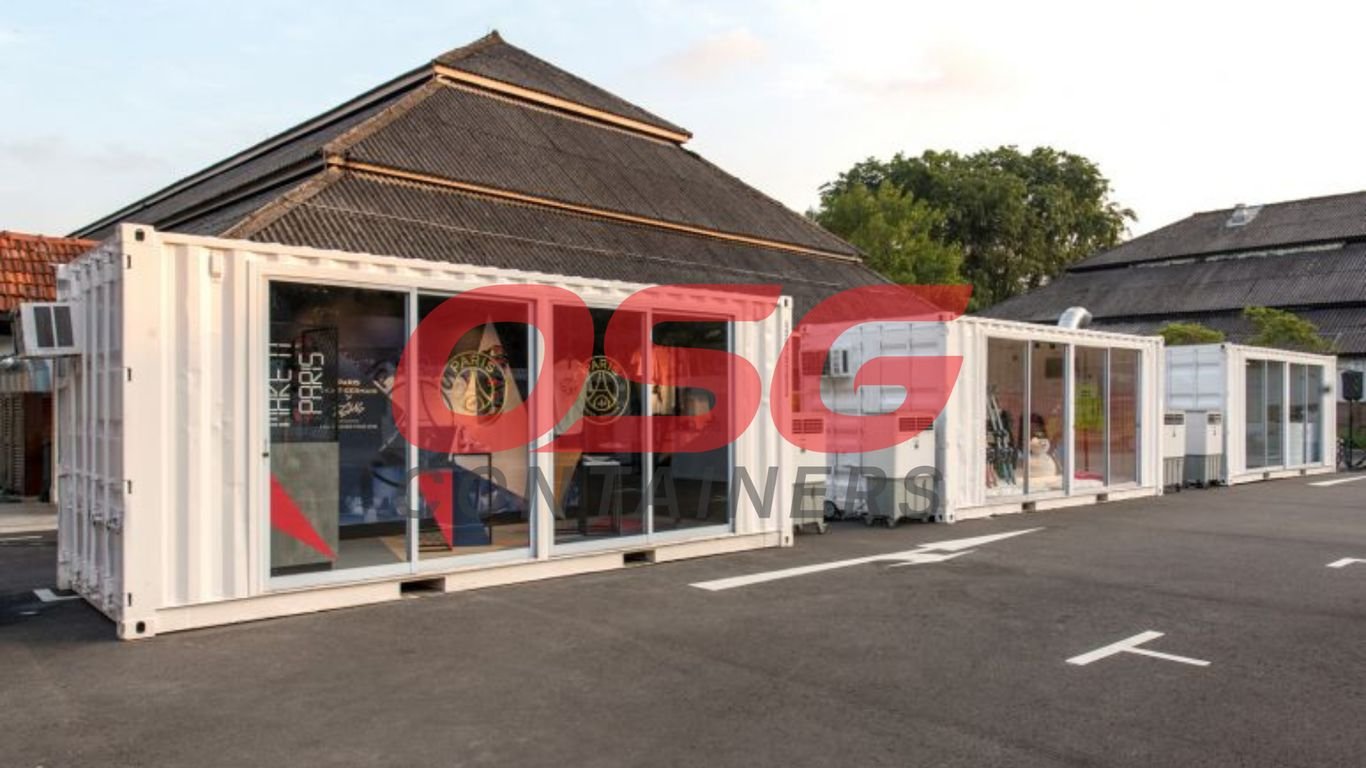
- Unique retail or event spaces: Creating distinctive pop-up shops or booths.
- Modular housing components: Used as building blocks for more complex structures.
The decision to buy or rent isn’t just about immediate costs; it’s about how the container fits into your long-term business strategy and your company’s environmental footprint. Owning offers the potential for creative reuse and a more direct contribution to sustainability efforts.
The Circular Economy of Container Usage
Shipping containers are prime examples of items that fit perfectly into a circular economy model. They are manufactured to be incredibly durable and have a long service life. When their primary function in global shipping concludes, they are often still in good condition. Instead of being scrapped, they can be refurbished and repurposed. This reuse cycle significantly lessens the environmental impact associated with manufacturing new goods. It’s a system where resources are kept in use for as long as possible, extracting maximum value from them before recovering and regenerating products and materials at the end of each service life. This approach conserves natural resources and reduces pollution.
So, Rent or Buy? What’s the Verdict?
Ultimately, deciding whether to rent or buy shipping containers boils down to what makes the most sense for your specific situation. If you’ve got a short-term project or you’re just not sure how long you’ll need the space, renting is probably the way to go. It keeps your initial costs down and you don’t have to deal with the upkeep or the hassle of selling it later. But, if you know you’ll need a container for a few years, or if you really want the freedom to change it up and make it your own, buying makes a lot more sense. Sure, you’ll pay more upfront, but over the long haul, it can save you a good chunk of money. Plus, you can even sell it down the road to get some of your investment back. Just think about how long you’ll use it and what you plan to do with it, and that should point you in the right direction.
Frequently Asked Questions
When is it smarter to rent a shipping container instead of buying one?
Renting is a fantastic choice if you only need a container for a short time, like for a specific project or for storing things during a busy season. It usually costs less money to start, and you don’t have to worry about taking care of it or figuring out how to sell it later. Think of it like renting a tool for a weekend project – it’s easy and you only pay for the time you use it.
What are the main advantages of owning a shipping container?
Owning a container means you can use it however you like, for as long as you want. You can change it, paint it, or add things to it to make it perfect for your needs, such as turning it into an office or extra storage space. Also, over many years, owning it can actually save you money compared to renting, and you can sell it later to get some of your money back.
How much does it usually cost to buy a shipping container?
The price to buy a shipping container can change depending on its size and if it’s new or used. A used one might cost around $1,500 to $3,000, while a new one could be anywhere from $5,000 to $9,000. Don’t forget to also consider the costs for delivery.
What is the typical cost to rent a shipping container?
Renting a container usually costs about $75 to $100 each month. This price can often include delivery and pickup. While it might seem cheaper at first, renting for a long time can end up costing more than buying the container.
What should I check before buying a used shipping container?
Before buying a used container, it’s a good idea to check its condition carefully. Containers are often given grades, like ‘A’ or ‘B’, which tell you how much wear and tear they have. Ask questions about its history and make sure it’s suitable for what you plan to use it for.
Can I make changes to a shipping container I rent?
Generally, you can’t make big changes to a shipping container that you rent. Rental agreements usually state that you have to return it in the same condition you received it. If you need to add shelves, insulation, or make other modifications, buying a container is usually the better option.