Singapore
 Australia
 Indonesia
 Japan
Japan Malaysia
 New Zealand
 Philippines
 South Korea
 Taiwan
 Thailand
 VIETNAM
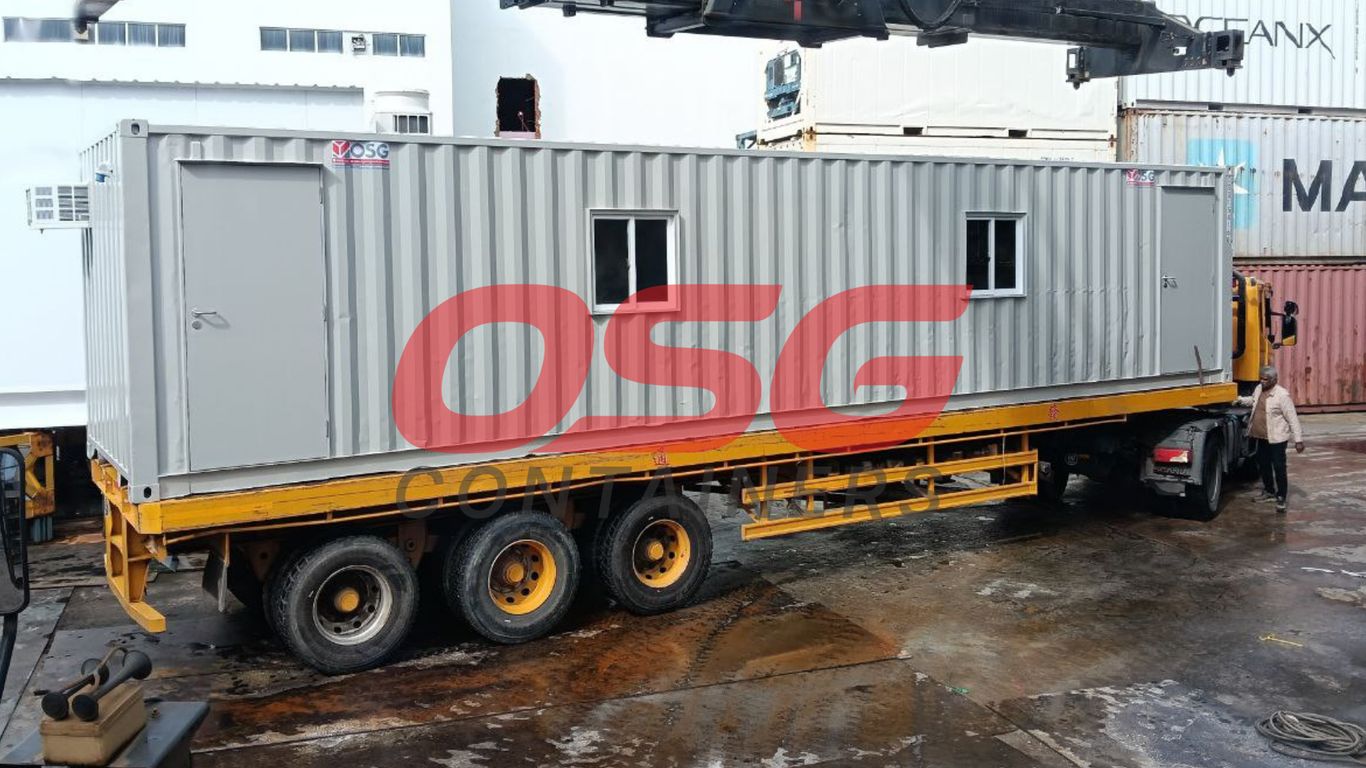
So, you need to rent a container. Makes sense. Whether it’s for a big project, a move, or just extra storage, figuring out how long you need it for is a big deal. It’s not just about the box itself, but how long you’ll have it. This decision can seriously affect your wallet and how smoothly things go. Let’s break down the difference between renting for a short while versus committing for the long haul, and help you pick what’s right for you.
Key Takeaways
- Short-term container rentals are best for temporary needs, like renovations, events, or short moves, offering flexibility but often costing more per month over time. You rent container for these needs.
- Long-term container rentals are ideal for ongoing projects, business storage, or construction sites, providing stability and lower monthly rates, making them more cost-effective for extended use.
- The main differences boil down to cost structure, contract flexibility, and how maintenance is handled. Short-term is flexible, long-term is stable.
- When deciding, think about how long your project will actually take, how much stuff you need to store, and what your budget looks like. This helps you rent container wisely.
- Ultimately, match your rental duration to your project goals. Consider future needs and talk to a provider to make sure you rent the right container for the right amount of time.
Understanding Short-Term Container Rentals
Defining Short-Term Container Needs
So, you need a container, but just for a little while. That’s where short-term rentals come in. Think of it as renting a tool for a specific job, not buying the whole workshop. Short-term rentals are perfect for temporary storage needs, usually lasting from a few weeks up to about six months. It’s the go-to option when you have a storage problem that’s necessary but won’t stick around forever. Maybe you’re renovating your place and need to stash furniture, or perhaps you’re moving and need a safe spot while you’re in between homes. These rentals give you that needed space without a long-term commitment.
Ideal Use Cases for Short-Term Rentals
When does a short-term container rental really shine? Lots of situations, actually.
- Home Projects: Renovations, decluttering before a sale, or staging your home. It keeps your living space clear and your belongings safe.
- Moving: Storing items between residences or if you need extra space during the packing and unpacking process.
- Events: Hosting festivals, concerts, or even pop-up shops. You can store equipment, merchandise, or supplies securely.
- Seasonal Storage: Retailers needing space for holiday inventory or businesses storing seasonal equipment.
- Emergency Situations: Quick, temporary relief when unexpected events happen, like natural disasters.
Basically, if your storage need has a clear end date in sight, or if you’re unsure when things will wrap up, short-term is usually the way to go. It’s about getting what you need, when you need it, without being tied down.
Short-term rentals offer a practical solution for temporary storage challenges, providing flexibility and immediate access to space without the burden of a long-term contract. This makes them ideal for projects with defined timelines or unpredictable durations.
Flexibility and Commitment in Short-Term Leases
The biggest draw of short-term container leases is, well, the flexibility. You’re not signing up for years. Contracts are typically month-to-month, giving you the freedom to extend if your project runs a bit long or to cancel when you’re done. This means you have a lot of control over your timeline and costs. You pay for the time you use, and when you don’t need it anymore, you can have it picked up. It’s a low-commitment way to get the storage you require, fitting neatly into your project’s schedule without adding unnecessary complexity or long-term financial obligations.
Navigating Long-Term Container Rentals
When Long-Term Container Rental Makes Sense
So, you’ve got a project that’s not just a quick fix or a temporary storage need. Maybe you’re building something that will take months, or even years, to complete. Or perhaps your business has ongoing storage requirements that just don’t go away. This is where long-term container rentals really shine. Think about construction sites needing a secure place for tools and materials for the entire duration of the build, or businesses that need extra space for inventory year-round. Even setting up a temporary office or a pop-up shop can benefit from a long-term rental. If you’re looking at needing a container for more than six months, it’s probably time to start thinking long-term.
Benefits of Long-Term Container Commitments
Committing to a longer rental period for a container, like a 40 high q container or a standard 20 ft sea container, comes with some solid advantages. For starters, it usually means a better price per month compared to short-term rentals. You get that predictable cost locked in, which is great for budgeting. Plus, you don’t have to worry about the hassle of returning and potentially re-renting later if your project runs over. It’s about having a stable storage solution that you can count on.
Here are some key benefits:
- Cost Savings: Monthly rates are typically lower for longer commitments.
- Stability: You have a dedicated space for your items without constant renewal worries.
- Convenience: Less administrative work and fewer logistical headaches over time.
- Security: Provides a consistent, secure location for your assets.
Stability and Cost Savings with Extended Leases
When you sign up for an extended lease on a cargo container, you’re essentially buying yourself peace of mind and a more predictable budget. The per-month cost often drops significantly the longer you commit. This is especially true if you’re looking at options like container singapore providers who might offer better deals for multi-year agreements. It means you can allocate funds more effectively, knowing that your storage costs won’t suddenly jump up. It’s a smart move for projects or businesses with a steady, ongoing need for space, avoiding the premium prices that come with short-term flexibility. You’re trading a bit of flexibility for a lot more financial predictability and often, a lower overall expense.
Key Differences in Rental Planning
When you’re figuring out whether to rent a container for a week or a year, there are a few big things that shake out differently. It’s not just about how long you need it; the whole deal changes.
Cost Structures: Short vs. Long Term
Think of it like this: short-term rentals are usually priced by the month, and you pay for each month you have it. It’s pretty straightforward, but if you keep it for a long time, those monthly bills can really add up. Long-term rentals, on the other hand, often come with a discount. The longer you commit, the less you pay per month overall. It’s like buying in bulk – you get a better rate for a bigger commitment.
Here’s a quick look:
| Rental Type | Pricing Structure | Overall Cost (Extended Use) | Upfront Cost |
|---|---|---|---|
| Short-Term | Monthly Rate | Higher | Lower |
| Long-Term | Discounted Monthly Rate | Lower | Higher |
Flexibility vs. Stability in Contracts
Short-term leases are your go-to if you’re not totally sure about your timeline. You can usually extend them or even end them with not too much fuss. This is great for projects that might change direction or have an uncertain end date. Long-term contracts offer more stability. You know you’ve got the container for a set period, which is good for big projects that need a consistent storage solution. However, breaking a long-term lease early can sometimes mean paying penalties, so you lose some of that easy flexibility.
Maintenance and Delivery Considerations
With shorter rentals, the container usually doesn’t see a ton of wear and tear, so maintenance isn’t a big worry for you. The rental company handles it. For longer rentals, there’s a chance you might have more responsibility, or at least need to be more aware of the container’s condition. Some companies include maintenance in the long-term agreement, which is a plus. Delivery and pickup are usually scheduled pretty tightly for short-term rentals. Long-term rentals might offer a bit more wiggle room on those dates, especially if your project schedule shifts a bit.
When you’re weighing your options, remember that the ‘cheaper’ choice isn’t always the best one. A low monthly rate for a short-term rental can quickly become more expensive than a slightly higher monthly rate with a long-term commitment if your needs extend beyond the initial estimate. Always look at the total cost over the projected duration of your need.
So, choosing between short and long-term really comes down to what your project looks like right now and what you think might happen down the road. It’s about balancing your budget with your need for flexibility or stability.
Factors Influencing Your Rental Decision
So, you’re looking at renting a container, huh? It sounds simple enough, but there are a few things to chew on before you sign anything. It’s not just about picking a size and saying ‘go’. You really need to think about what you’re getting into.
Assessing Project Duration and Scope
First off, how long do you actually need this thing? Is it for a quick job, like a few months of renovation storage, or is it for something that’s going to stretch out, maybe a construction site that’s going to be around for a year or more? The length of your project is probably the biggest clue you’ll get. If it’s short, a month-to-month rental might be fine. But if it’s long-term, you might want to look at different pricing structures because those monthly fees can add up faster than you think.
Think about the scope too. Are you just storing some old furniture, or are you housing expensive equipment or sensitive materials? The nature of what’s going inside can really change your needs.
Budgetary Constraints and Cost-Effectiveness
Let’s be real, money talks. You’ve got a budget, and you need to make sure whatever container rental you choose fits into it. Sometimes, the cheapest option upfront isn’t the cheapest in the long run. A short-term rental might have lower initial costs, but if you end up needing it for way longer than planned, those monthly payments can become a real drain.
Here’s a quick look at how costs can stack up:
| Rental Type | Upfront Cost | Monthly Cost | Overall Cost (Extended Use) |
|---|---|---|---|
| Short-Term | Lower | Higher | Can become expensive |
| Long-Term | Higher | Lower | More affordable |
It’s worth doing the math. Figure out your best guess for how long you’ll need it, and then compare the total costs. Sometimes, even if you think you might sell it later, buying might be cheaper than renting for a really long time.
Storage Volume and Security Requirements
How much stuff are you actually putting in there? You don’t want to rent a container that’s too small and have to deal with multiple units, or one that’s way too big and you’re paying for empty space. Measure your stuff, or at least make a good estimate.
And what about security? If you’re storing valuable items, machinery, or anything that needs to be kept safe and sound, you’ll want to make sure the container you rent is up to the task. Some rentals might be older units, and while they work, they might not offer the same level of protection as a newer or refurbished one. Always ask about the condition of the unit and what security features it has.
When you’re looking at containers, especially for longer periods, think about the unit’s condition. A well-maintained container is going to serve you better and last longer, which is important if you’re committed to it for months or years. Don’t be afraid to ask about refurbishment or if they have premium options available if that’s a concern for you.
Making the Right Choice for Your Project
Aligning Rental Duration with Project Goals
So, you’ve looked at the short-term versus long-term options, and you’re trying to figure out which one is actually going to work best for what you’re doing. It really comes down to matching the container rental period with what your project actually needs. Think about it like this: if you’re just doing a quick refresh of a room or need a place to stash some stuff while you move houses, a few weeks or months with a short-term rental makes a lot of sense. You get the space you need without being tied down for too long. On the flip side, if you’re building something big, like a new commercial space or a major renovation that’s going to take a year or more, locking in a longer-term rental is probably the way to go. It just simplifies things and usually saves you money over time.
Evaluating Future Needs and Scalability
What about down the road? It’s easy to get caught up in the immediate needs of a project, but sometimes things change. Maybe your project gets extended, or your business suddenly needs more storage space than you initially thought. If you’re unsure about what the future holds, renting can be a good option because it often allows for more flexibility. You might be able to upgrade to a bigger container or adjust your rental term if your needs change. Buying a container is more permanent, so you really have to be sure about your long-term storage plans. It’s worth taking a moment to consider if your needs might grow or shift.
Seeking Expert Advice for Container Rentals
Sometimes, even after thinking it all through, you might still feel a bit stuck. That’s totally normal! The container rental world can have its quirks, and there are a lot of options out there. Don’t hesitate to reach out to the rental companies themselves. They deal with this stuff every day and can offer some solid advice based on your specific situation. They can help you figure out the right size, the best type of container, and whether a short-term or long-term plan is more cost-effective for you. It’s like having a guide to help you through the process, making sure you don’t end up with a container that’s too big, too small, or costing you more than it should.
Making a decision about container rentals isn’t just about picking a box to store things in. It’s about finding a solution that fits your project’s timeline, budget, and potential for growth. Taking the time to assess your needs and consider future possibilities will save you headaches and money in the long run. Don’t be afraid to ask questions; the rental companies are there to help you find the best fit.
Here’s a quick look at how rental duration can affect costs:
| Rental Type | Typical Duration | Cost Structure Example (per month) |
|---|---|---|
| Short-Term | Weeks to 6 Months | $150 – $300 |
| Long-Term | 6 Months+ | $100 – $200 |
Note: These are example costs and can vary significantly based on container size, condition, location, and provider.
Wrapping It Up
So, when it comes down to it, picking between a short-term and long-term container rental really just depends on what you’re doing. Need something for a few weeks or months, maybe for a home reno or a quick move? Short-term is probably your best bet. It’s flexible and you’re not locked in. But if you’ve got a big project stretching out, like a construction job or you’re setting up a business that needs space for a while, then long-term makes more sense. You usually get a better price per month, and it just simplifies things. Think about your timeline, how much stuff you need to store, and what your budget looks like. Making the right choice now can save you headaches and cash down the road.
Frequently Asked Questions
What’s the main difference between renting a container for a short time versus a long time?
The biggest differences are how long you keep the container, how much it costs, and how much freedom you have with the contract. Short-term rentals are usually for a few months and offer more flexibility, while long-term rentals are for longer periods, often with better prices per month but less flexibility.
When is a short-term container rental a good idea?
Short-term rentals are perfect for temporary needs. Think about things like storing furniture during a home renovation, needing extra space for a special event, or using it for a project that won’t last very long. It’s great when you need storage for just a little while and don’t want to commit for too long.
When should I consider a long-term container rental?
If you have ongoing storage needs, like for a business that needs to keep extra stock, a construction site that needs tools stored for many months, or even for creating a temporary office or workshop, a long-term rental makes more sense. It’s usually cheaper per month for longer periods.
Does renting a container for a longer time save money?
Generally, yes. While the upfront cost might seem high, the monthly price for long-term rentals is often lower than for short-term ones. If you need the container for many months or even years, it usually ends up being more affordable overall.
Can I change my mind about how long I need the container?
With short-term rentals, you usually have more freedom to extend or end the rental relatively easily. Long-term rentals are more rigid. If you end a long-term rental early, you might have to pay extra fees because you agreed to keep it for a set amount of time.
What should I think about when deciding between short-term and long-term?
Consider how long your project or need for storage will actually last. Also, think about your budget – long-term can be cheaper per month, but short-term might be better if your need is very brief. Finally, think about how much space you need and if your needs might change in the future.