Singapore
 Australia
 Indonesia
 Japan
Japan Malaysia
 New Zealand
 Philippines
 South Korea
 Taiwan
 Thailand
 VIETNAM
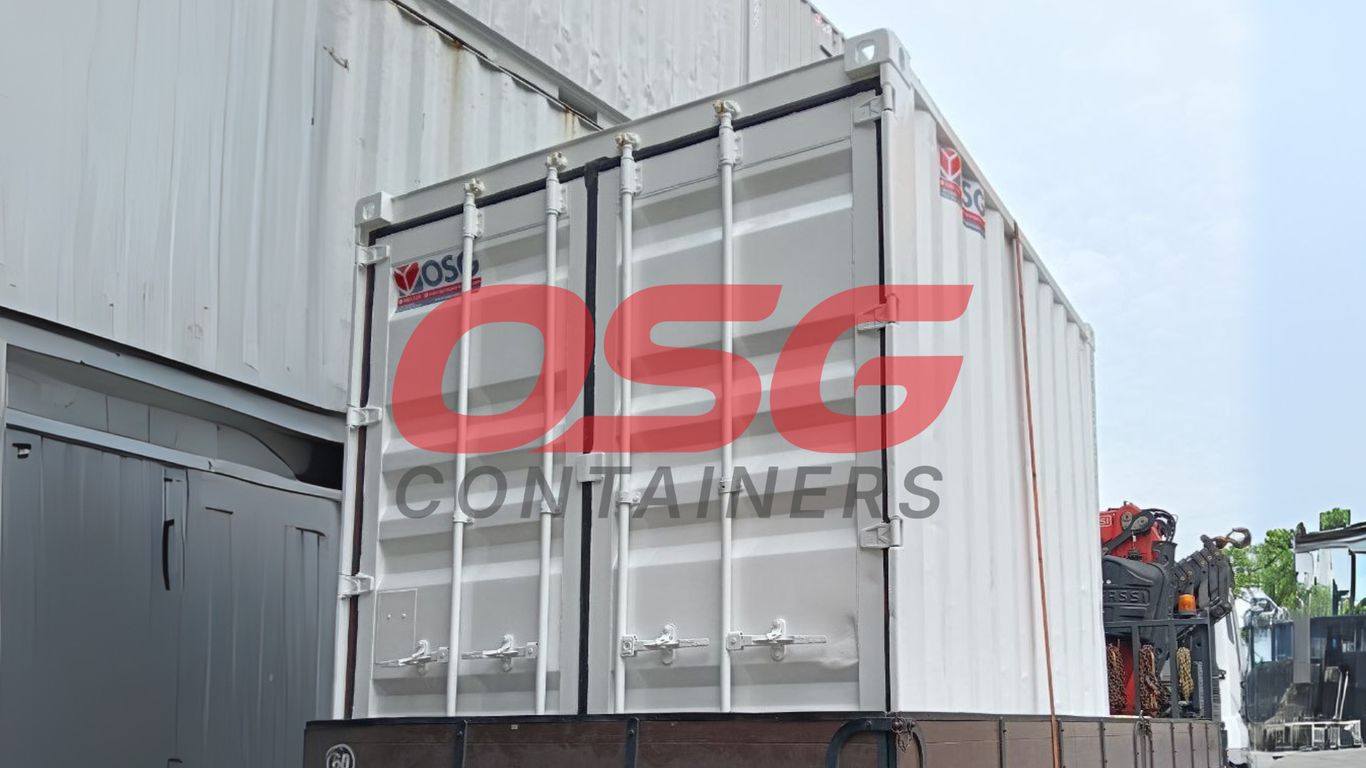
So, you’ve got a 20 ft container to ship. It’s a pretty common size, good for a lot of things, really. But getting it from point A to point B, especially overseas, involves more than just slapping a label on it. There’s paperwork, rules, and ways to pack it that actually make sense. We’re going to break down what you need to know so your container 20 ft shipment goes off without a hitch. It’s not rocket science, but you do need to pay attention to the details.
Key Takeaways
- Make sure your Bill of Lading, commercial invoice, and packing list are all correct. These are the main documents everyone needs to see.
- Don’t forget the Certificate of Origin and any export declarations. These are super important for customs, especially when crossing borders.
- Packing your container 20 ft right is key. Use good materials and make sure everything is secured so it doesn’t get damaged on the trip.
- Know what insurance you have. Carrier liability is usually pretty basic, so getting extra cargo insurance is often a smart move.
- There are different types of 20 ft containers, like standard, reefer, or open-top. Pick the one that fits your stuff best.
Essential Documentation For Your 20 Ft Container Shipment
Getting your 20 ft container ready for its journey involves more than just packing it up. You’ve got to have the right paperwork in order, and honestly, it can feel like a lot at first. But don’t worry, we’ll break it down.
Understanding The Bill Of Lading
The Bill of Lading, or B/L, is a super important document. Think of it as the contract between you (the shipper) and the carrier. It basically says what you’re shipping, where it’s going, and who’s responsible for it. It also acts as a receipt for the goods. There are a few types, like the straight B/L (which is non-negotiable and goes to a specific person) and the order B/L (which is negotiable and can be transferred). Make sure you get this right, as it’s key for claiming your cargo at the destination.
Commercial Invoice And Packing List Requirements
Next up, you’ll need a Commercial Invoice and a Packing List. The Commercial Invoice is pretty much what it sounds like – a bill for the goods you’re shipping. Customs officials use this to figure out duties and taxes. It needs to include details like the buyer and seller names and addresses, the date, a description of the goods, quantities, unit prices, and the total value. The Packing List, on the other hand, details exactly what’s inside each box or package. It lists the contents, quantity, weight, and dimensions of each item. This helps customs officers check if what’s declared matches what’s actually in the container.
- Commercial Invoice: Lists the value of the goods.
- Packing List: Details the contents of each package.
- Accuracy is Key: Both documents must match each other and the actual cargo.
Certificate Of Origin And Shipper’s Export Declaration
Depending on where your container is headed, you might also need a Certificate of Origin (COO). This document simply states which country the goods were manufactured in. Some countries require it for trade agreements or to apply specific tariffs. Then there’s the Shipper’s Export Declaration (SED). This is a U.S. government form used to track exports. If the value of your goods exceeds a certain amount, or if you’re shipping certain types of commodities, you’ll likely need to file one. It helps the government keep tabs on what’s leaving the country.
Getting these documents sorted out ahead of time can save you a massive headache later on. Double-checking everything and working closely with your freight forwarder or carrier is the best way to avoid unexpected delays or fees at the border.
Navigating Customs With Your 20 Ft Container
When you’re moving a 20 ft container across borders, the customs process can feel like it has a hundred steps. Missing one document or using the wrong code can grind everything to a halt. Making sure your paperwork lines up with customs expectations is the only way to keep things on schedule and out of expensive storage.
Customs Clearance Forms For International Transport
Whether your shipment is going by sea, rail, or truck, proper completion of clearance forms matters. Here’s what you’ll typically need:
- Bill of Lading (B/L): Shows transfer of ownership and transport contract
- Commercial Invoice: Details what’s inside and its value for duty calculation
- Packing List: Breaks down individual items, counts, and weights
- Import/Export Declarations: Country-specific forms, like the Shipper’s Export Declaration in the US or Import Declaration (CBSA) for Canada
Table: Common Clearance Documents
| Document | Purpose | Prepared By |
|---|---|---|
| Bill of Lading | Contract & ownership | Transporter/Carrier |
| Commercial Invoice | Value declaration & details | Shipper |
| Packing List | Packaging breakdown | Shipper |
| Export Declaration | Export reporting (outbound) | Exporter |
| Import Declaration | Import clearance (inbound) | Importer/Broker |
If any of these aren’t correct, your container might be stopped at the border—or worse, returned for corrections.
Compliance With Canadian Border Regulations
Sending your 20 ft container into Canada? There’s a specific checklist you don’t want to ignore:
- Double-check tariff numbers (HS codes) for your products
- Value your goods accurately for GST/HST and customs duties
- Make sure the consignee info matches all documents
- Prepare for random inspections—especially if shipping electronics, vehicles, or food
- Use a licensed customs broker if you’re unsure; it’s easy to make small mistakes that cause big headaches
Handling Special Cargo Documentation
Not all cargo is treated equally at customs. Certain shipments need extra paperwork or certifications:
- Hazardous materials have strict labeling and safety requirements
- Perishable or animal-based goods may need permits and food safety documents
- Vehicles and machinery could require compliance proof for Canadian (or other destination) standards
- Electronics might need proof of CSA or equivalent safety certification
Sometimes, it feels like the customs rules change overnight. It helps to review them for your specific cargo type every time you ship, not just once a year.
Preparing Your 20 Ft Container For Transit
Getting your 20 ft container ready for its journey is a big part of making sure everything goes smoothly. It’s not just about throwing your stuff in and hoping for the best. Proper preparation can save you a lot of headaches down the road, especially when it comes to customs and avoiding damage.
Proper Labeling And Marking Of Containers
Making sure your container is clearly marked is super important. This helps everyone involved, from the loading crew to the folks at the destination port, know what they’re dealing with. Think of it like putting a clear address on a letter. You need to make sure the shipping marks are visible and correct. This usually includes the consignee’s name, destination port, and any special handling instructions. For certain types of cargo, like hazardous materials, there are very specific labeling rules you absolutely have to follow. Even if you’re not shipping anything hazardous, clear markings help prevent mix-ups. It’s also a good idea to have your company name or logo on there if it’s a commercial shipment.
Packaging Materials And Certifications
What you use to pack your goods matters. You want materials that will protect your items during the rough and tumble of transit. Pallets are a common choice because they make loading and unloading easier with forklifts. Dunnage, like bracing or cushioning materials, helps keep things from shifting around inside the container. If you’re shipping certain items, like food products or wood, there might be specific packaging certifications required by the destination country. For example, wood packaging often needs to be treated and marked according to international standards (like ISPM 15) to prevent the spread of pests. It’s not just about keeping your stuff safe; it’s about meeting regulations too. Sometimes, you might even see specialized containers like an open top container used for oversized items that can’t be loaded through standard doors, and these have their own packing considerations.
Weighing Your Shipment Accurately
This is one of those steps that people sometimes overlook, but it’s really critical. Every container has a maximum weight limit, and you need to know the exact weight of your shipment. This is called the Gross Mass. You can’t just guess. You need to weigh the container after it’s loaded. This information is vital for safety, for planning how the container will be handled, and for customs declarations. If your container is overweight, you could face hefty fines, or worse, it might not be allowed to ship. It’s also important for the stability of the ship or truck carrying it. So, get it weighed properly at a certified scale.
Accurate weighing is not just a suggestion; it’s a safety and compliance requirement. Overlooking this step can lead to significant delays, fines, and potential damage to your cargo or the transport equipment.
Some common things to consider when preparing your container:
- Secure the Load: Use straps, bracing, and dunnage to prevent items from moving during transit. Loose cargo can shift, causing damage.
- Maximize Space: Pack items efficiently to make the most of the container’s volume. Disassemble larger items if possible.
- Protect from Elements: While containers are sturdy, consider extra protection for sensitive items against moisture or temperature fluctuations, especially if not using a specialized container like a reefer.
- Consider a Container Office: For certain long-term projects or on-site operations, a modified container might serve as a temporary office. Ensure any modifications don’t compromise structural integrity if it’s also being used for shipping.
Insurance And Risk Management For Container 20 Ft
When you’re shipping a 20 ft container, things can happen. It’s not like sending a letter; there’s a lot more at stake. Stuff can get damaged, lost, or delayed. That’s where insurance and thinking ahead about risks come in. It’s about making sure your goods arrive, and if they don’t, you’re not left completely out of pocket.
Understanding Carrier Liability
So, the shipping company, they’re responsible for your container, right? Well, sort of. Their liability is usually pretty limited. Think of it like this: they’re responsible for getting the container from point A to point B, but if something happens to the stuff inside, their payout is often based on weight, not the actual value of your goods. It’s rarely enough to cover the cost of expensive electronics or delicate machinery. You’ll want to check the fine print on their terms, but don’t expect them to cover the full value of your shipment.
Securing All-Risk Cargo Insurance
This is where you really want to pay attention. All-risk cargo insurance is your best bet for protecting your shipment. It covers a lot more than just basic carrier liability. We’re talking about damage from things like accidents, theft, and even bad weather. It’s not a ‘no questions asked’ policy, mind you. There are usually exclusions, like if you packed something improperly or if the damage was due to a war, but for most common issues, it’s the way to go. It gives you peace of mind, knowing that if the unexpected happens, your investment is protected.
Here’s a quick look at what you might see:
| Insurance Type | Coverage Level |
|---|---|
| Carrier Liability | Minimal (often weight-based) |
| Named Perils | Limited protection against specific listed risks |
| All-Risk Cargo Insurance | Full loss, theft, and damage (highly recommended) |
Declaring Full Cargo Value
When you get that insurance, you need to be honest about what your cargo is worth. Don’t lowball it to save a few bucks on the premium. If you declare a lower value and then something happens, you’ll only get that lower amount back. It’s better to be upfront and declare the full value of your goods. This ensures that if you have to make a claim, it’s based on the actual cost to replace or repair your shipment. It might cost a little more upfront, but it’s worth it in the long run.
Shipping involves risks, and while carriers have some responsibility, it’s usually not enough to cover the real value of your goods. Investing in proper insurance is a smart move to safeguard your investment against unforeseen events during transit. Always read the policy details carefully to understand what’s covered and what’s not.
Think of it like this: you wouldn’t drive your car without insurance, right? Shipping a container full of goods is no different. It’s a big investment, and protecting it should be a top priority.
Choosing The Right 20 Ft Container Type
Picking the right container 20 feet for your shipment is one of those steps that’s way more important than most people think. You want the perfect balance: a fit for your cargo, safe for the route, and good for your budget. Let’s break down the options and what really matters.
Standard Container Specifications
A basic 20 feet container is versatile, tough, and a common sight at ports everywhere. It’s the go-to choice for most general shipments.
| Feature | Measurement |
|---|---|
| External Length | 20 ft (6.06 m) |
| External Width | 8 ft (2.44 m) |
| External Height | 8.5 ft (2.59 m) |
| Internal Length | 19.4 ft (5.9 m) |
| Internal Width | 7.7 ft (2.35 m) |
| Internal Height | 7.8 ft (2.39 m) |
| Volume | ~33 m³ (1,172 ft³) |
| Max Payload | ~28,000 kg (61,729 lb) |
What fits: boxes, furniture, pallets, or equipment—if it’s not huge or oddly shaped, it works.
Refrigerated And Open-Top Options
Now, if you’re dealing with anything temperature-sensitive or awkwardly shaped, you’ll need to look at special types:
- Refrigerated (Reefer): For perishable stuff, like produce or medicine. Set specific temperatures.
- Open-Top: Great for extra-tall or bulky cargo—items loaded by crane from above. No regular roof here, just a tarpaulin cover.
- Other Options: Tank containers (for liquids or chemicals), though those are less common for the average shipper.
Before picking a 20 feet container variant, think about:
- Temperature needs
- Size and shape of what you’re shipping
- Loading method
Container Payload And Volume Limits
Don’t forget weight and space rules. Go over and you could get extra charges or have your shipment turned away.
| 20 Ft Container | Max Capacity | Max Payload |
|---|---|---|
| Standard (Dry) | ~33 m³ | ~28,000 kg |
| Refrigerated (Reefer) | ~28 m³ | ~27,000 kg |
- The official limits include not just your cargo but also any pallets or packaging.
- Always check country or carrier rules—they might be stricter than you expect.
- Overloading leads to delays or extra fees (trust me, no one wants that headache).
Take time to match your 20 feet container to your cargo. Rushing this step can mean added costs or supply chain drama that’s easily avoided.
So, bottom line: pick the right container 20 feet for your needs. Ask questions before you book—it’s usually your best move for smooth shipping.
Shipping Methods For Your 20 Ft Container
So, you’ve got your goods ready and a 20 ft container is on its way. Now, how do you actually get it from point A to point B? It’s not like you can just stick it on the back of your pickup truck, right? There are a few main ways to move these metal boxes around the globe, and picking the right one really makes a difference in cost and how fast things get there.
Sea Freight Options: FCL and LCL
This is probably what most people think of when they hear ‘container shipping’. It’s how most stuff travels across oceans. You’ve got two main flavors here: Full Container Load (FCL) and Less than Container Load (LCL).
- FCL means the whole 20 ft container is yours and yours alone. You pack it, you seal it, and it travels directly to its destination port without anyone else’s stuff mixed in. This is great if you have enough goods to fill most of the container. It’s generally faster once it’s on the ship because there’s less paperwork and handling at the destination port compared to LCL. Plus, your cargo is kept separate, which can be a big plus for security.
- LCL is the way to go if you don’t have enough to fill a whole container. Your items will share the space with other people’s shipments. This can be way cheaper for smaller amounts of goods, but it usually takes a bit longer. Why? Because the shipping company has to consolidate all the different shipments into one container at the origin, and then separate them all out again at the destination. Think of it like a shared taxi versus renting the whole car.
When deciding between FCL and LCL, really look at how much space you need. Don’t pay for a whole container if you only need a quarter of it, but also don’t cram your valuable items into a shared space if you’re worried about them getting mixed up or delayed.
Land Freight and Rail Transport
Once your container hits land, whether it’s at a port in a different country or you’re shipping domestically, you’ll likely use trucks or trains. Trucks are super common for getting containers from ports to warehouses or directly to businesses, especially for shorter distances. They’re flexible and can go pretty much anywhere there’s a road.
Rail transport is a bit different. It’s usually best for really long distances across continents. If you’re shipping across a large country, like from the west coast to the east coast of the US, rail can often be more cost-effective and sometimes even faster than trucking the whole way. Plus, it’s generally seen as a greener option. Often, you’ll see containers moved from a ship onto a train, and then later onto a truck for the final leg of the journey. This is called multimodal shipping, which we’ll touch on next.
Multimodal Shipping Solutions
This is basically using a combination of different transport methods to get your container where it needs to go. Think of it as a relay race for your cargo. A common scenario is: sea freight to get the container across the ocean, then rail transport to move it inland a good distance, and finally, a truck to deliver it to the exact final address. Each mode of transport is chosen for its strengths – sea for long distances, rail for overland bulk movement, and trucks for final delivery flexibility.
Using multimodal solutions can often save you money and time compared to relying on just one method, especially for complex international shipments. It requires good coordination, though. You’ll want to work with a shipping company or a freight forwarder who can manage all the different legs of the journey for you, making sure everything lines up smoothly from start to finish.
Wrapping It Up
So, there you have it. Shipping with a 20ft container might seem like a lot to keep track of, especially with all the paperwork involved. But honestly, once you get the hang of it, it’s pretty straightforward. Just remember to double-check your documents, pack things right, and work with a shipping company you trust. It really makes a difference in getting your stuff where it needs to go without any major headaches. Happy shipping!
Frequently Asked Questions
What is the maximum amount I can load into a 20 ft shipping container?
A 20 ft shipping container can hold about 33 cubic meters (1,172 cubic feet) of goods. The maximum weight you can load is usually around 28,000 kilograms (about 61,700 pounds), but you should always check with your shipping company and local rules.
Which documents are needed to ship a 20 ft container internationally?
You will need a Bill of Lading, a commercial invoice, a packing list, and a certificate of origin. Some countries may also ask for a shipper’s export declaration and special documents if you are shipping certain items.
How should I label and mark my 20 ft container for shipping?
Each container should have clear labels showing the container number, destination port, and the receiver’s information. If your cargo is dangerous or needs special handling, use the right warning labels. In Canada, it’s best to use both English and French for your labels.
Can I use a 20 ft container for refrigerated or oversized cargo?
Yes, there are special 20 ft containers called ‘reefers’ for items that need to stay cold. For large or tall goods, you can use open-top 20 ft containers. Always tell your shipping company what kind of cargo you have so they can help you pick the right container.
Why is it important to weigh my shipment before loading it into the container?
Weighing your shipment makes sure you don’t go over the container’s weight limit, which can cause delays or fines. It also helps with safety during transport. Use a certified scale and keep a record of the total weight, including the container itself.
Do I need insurance for my 20 ft container shipment?
Insurance isn’t required, but it’s a good idea. Carrier liability only covers a small part of your cargo’s value. Buying all-risk cargo insurance protects you from loss or damage during shipping, so you don’t risk losing a lot of money if something goes wrong.