Singapore
 Australia
 Indonesia
 Japan
Japan Malaysia
 New Zealand
 Philippines
 South Korea
 Taiwan
 Thailand
 VIETNAM
Ever wonder how all those products get from faraway places to your local store? It’s mostly thanks to these massive metal boxes you see on ships and trucks. They’re called shipping containers, and they’re a pretty big deal for getting stuff all over the world. We’re going to break down what these containers are, the different kinds, and why they’re so important for global trade. You might even be surprised at some of the other ways people use them!
Key Takeaways
- Ship containers are standardized steel boxes that make moving goods globally much easier and safer.
- There are different types of containers, like standard dry ones, high cubes for bulky items, and refrigerated ones for food.
- These containers are used for more than just shipping; people use them for storage, building, and even pop-up shops.
- Containers follow international rules (ISO standards) to make sure they work everywhere and are safe.
- Knowing about container types, sizes, and rules helps businesses ship goods more efficiently and affordably.
Understanding The Core Of Shipping Containers
What Defines An ISO Shipping Container
So, what exactly makes a shipping container a shipping container? It all comes down to a set of international rules, called ISO standards. These aren’t just suggestions; they’re strict guidelines that dictate everything from the container’s dimensions to the materials used and how it’s built. This standardization is the secret sauce that makes global trade possible. It means a container built in China will fit perfectly onto a ship in Europe, then onto a truck in North America, without any fuss. They’re typically made from strong steel, designed to withstand pretty rough conditions – think salty sea air, bumpy train rides, and the constant loading and unloading.
- Uniform Dimensions: All ISO containers of the same type are the same size, making them stackable and easy to handle.
- Structural Integrity: Built to handle heavy loads and harsh weather.
- Interchangeability: Can be moved between different modes of transport (ship, train, truck) without special handling.
- Security: Designed to be sealed, keeping cargo safe.
The real magic of these containers lies in their predictability. Because they all follow the same blueprint, the entire global logistics system – from the cranes at the port to the forklifts at the warehouse – is built around them. This predictability is what makes moving goods across the planet efficient and, surprisingly, affordable.
The Backbone Of Modern Logistics
Think about how your online orders get to your doorstep. It’s a long, complex journey, and shipping containers are the unsung heroes making it all happen. They are the absolute foundation of modern logistics, the system that manages how goods are stored and moved around the world. Their consistent size and robust construction mean they can be handled quickly and efficiently at every single point in the supply chain. From the factory floor, to the port, across the ocean, and finally to your local distribution center – it’s all built around these standardized boxes. This efficiency allows businesses to ship products globally at a cost that makes sense. Without this system, international trade would be a lot more complicated and expensive.
In just one month, the world moves millions of these units, a measure called TEUs (Twenty-foot Equivalent Units). That’s a staggering amount of stuff, all thanks to these reliable steel boxes.
Key Features And Dimensions Of Ship Containers
While they might look simple, shipping containers have some specific features that make them work so well. The most common types are the 20-foot and 40-foot containers, often referred to by their TEU measurement. But it’s not just about length; the height is important too, especially with ‘High Cube’ versions. The floor is usually made of strong plywood, designed to take a beating. They also have those distinctive corrugated sides, which add strength without adding too much weight. Plus, you’ll find corner castings – these are the reinforced points at each corner that cranes and other equipment grab onto.
Here’s a quick look at the most common sizes:
| Container Type | Length (approx.) | Width (approx.) | Height (approx.) |
|---|---|---|---|
| 20 ft Standard | 20 ft (6.1 m) | 8 ft (2.44 m) | 8.5 ft (2.59 m) |
| 40 ft Standard | 40 ft (12.2 m) | 8 ft (2.44 m) | 8.5 ft (2.59 m) |
| 40 ft High Cube | 40 ft (12.2 m) | 8 ft (2.44 m) | 9.5 ft (2.89 m) |
These dimensions are standardized, meaning they are consistent across manufacturers, which is key for that efficient handling we talked about.
Exploring The Diverse Types Of Ship Containers
When you picture a shipping container, you’re probably thinking of the standard dry storage kind. These are the workhorses of global trade, but they’re just the beginning. The world of shipping containers is actually pretty varied, with different designs built to handle all sorts of cargo. Choosing the right type is key to making sure your goods get where they need to go without any fuss.
Standard Dry Storage Containers
These are your everyday, go-to containers. They’re built tough from steel and are fully enclosed to keep your non-perishable, non-hazardous goods safe from the elements. You’ll most commonly see the 20 ft container, also known as a 20 foot sea container, and its bigger sibling, the 40-footer. They’re great for general cargo, from electronics to clothing.
| Container Size | External Length (ft) | Approx. Volume (cu ft) |
|---|---|---|
| 20-foot | 20 | 1,169 |
| 40-foot | 40 | 2,385 |
High Cube Containers For Extra Volume
Need to ship something bulky but not super heavy? High Cube containers are your answer. They’re basically standard containers with an extra foot of height. This extra space is perfect for lighter items that take up a lot of room, like furniture or large manufactured goods. You can fit more in without going over the weight limit.
Refrigerated Containers For Perishable Goods
For anything that needs to stay cold – think fresh produce, frozen foods, or even certain medicines – you’ll want a refrigerated container, often called a ‘reefer’. These units have built-in cooling systems that keep the temperature precisely controlled, no matter how hot it is outside. They’re like a mobile cold room for your cargo.
Specialized Containers For Oversized Cargo
Sometimes, cargo just doesn’t fit into a standard box. That’s where specialized containers come in.
- Open Top Containers: These have a removable roof, making it easy to load tall items from the top using a crane. Think large machinery or industrial equipment.
- Flat Rack Containers: These have no side walls or roof, just a base and end walls that can often fold down. They’re ideal for really wide or tall items like boats, large pipes, or construction equipment.
- Isotank Containers: These are basically strong tanks built within a standard container frame. They’re specifically designed for safely transporting liquids and gases, from chemicals to beverages. They meet strict international safety standards.
Choosing the right container type is more than just picking a box; it’s about protecting your goods, optimizing space, and making sure your shipment arrives in the best possible condition. It’s a detail that can save a lot of hassle and money down the line.
Navigating International Standards And Compliance
So, you’ve got your shipping container, and you’re ready to send it off somewhere across the globe. But hold on a sec, it’s not quite as simple as just slapping a label on it and hoping for the best. There’s a whole world of rules and regulations to think about, and if you don’t pay attention, you could end up with some serious headaches.
The Importance Of Container Identification Codes
Every shipping container has a unique identification code, and it’s way more than just a serial number. This code, usually a mix of letters and numbers, tells you a lot. It’s like a passport for the container. This code is essential for tracking your cargo, managing inventory, and making sure everything is accounted for throughout its journey. Think of it as the container’s name and address all rolled into one. It helps everyone involved, from the shipping company to customs officials, know exactly which container they’re dealing with.
Understanding Global Shipping Regulations
Shipping internationally means you’re playing by a lot of different rules. Each country has its own set of regulations about what can come in, how it needs to be packed, and what paperwork is required. Ignoring these can lead to delays, extra fees, or even your shipment being turned back. It’s a good idea to do your homework on the rules for both the place you’re shipping from and the place it’s going to. This includes things like:
- Prohibited items: What you absolutely cannot ship.
- Import duties and taxes: The costs associated with bringing goods into a country.
- Documentation: The specific forms and permits needed.
- Safety standards: Rules about how goods must be secured and packaged.
It’s easy to think of containers as just big metal boxes, but they’re actually highly engineered pieces of equipment. They have to meet strict international standards to make sure they can handle the rough life of global shipping, from being stacked high on ships to enduring all sorts of weather.
Ensuring Cargo Safety And Security
Beyond just the paperwork and codes, keeping your cargo safe and secure is a big deal. This involves making sure the container itself is in good condition and that your goods are packed properly inside. You don’t want anything shifting around during transit, which could damage your items or even the container. Different types of cargo might need different security measures, like special locks or seals. It’s all about protecting your investment and making sure it arrives at its destination in the same state it left.
| Standard | Focus Area |
|---|---|
| ISO 6346 | Container identification codes and markings |
| ISO 668 | Dimensions and ratings of containers |
| ISO 1496 | Specifications and testing procedures for containers |
| ISO 830 | Definitions and terminology related to containers |
Modern Uses Beyond Global Trade
So, these big metal boxes aren’t just for hauling stuff across the ocean anymore. Turns out, people have gotten pretty creative with shipping containers, finding all sorts of new jobs for them. It’s kind of cool how a simple design can be so adaptable, right?
Modular Construction And Architectural Projects
This is a big one. Architects and builders are using containers as ready-made modules for buildings. Think homes, offices, even hotels. They’re strong, they’re already a standard size, and you can stack them up or arrange them in different ways. It can speed up construction quite a bit, and sometimes it’s more budget-friendly too. Plus, there’s a certain industrial-chic look that appeals to a lot of folks.
Here’s a quick look at why they’re popular for building:
- Speed: Pre-fabricated modules mean less on-site work.
- Cost: Can be cheaper than traditional building materials.
- Durability: Built to withstand harsh weather and sea travel.
- Sustainability: Repurposing existing containers reduces waste.
Building with containers often involves cutting out sections for windows and doors, reinforcing the structure, and then adding insulation and interior finishes. It’s a bit like adult Lego, but with a much more permanent outcome.
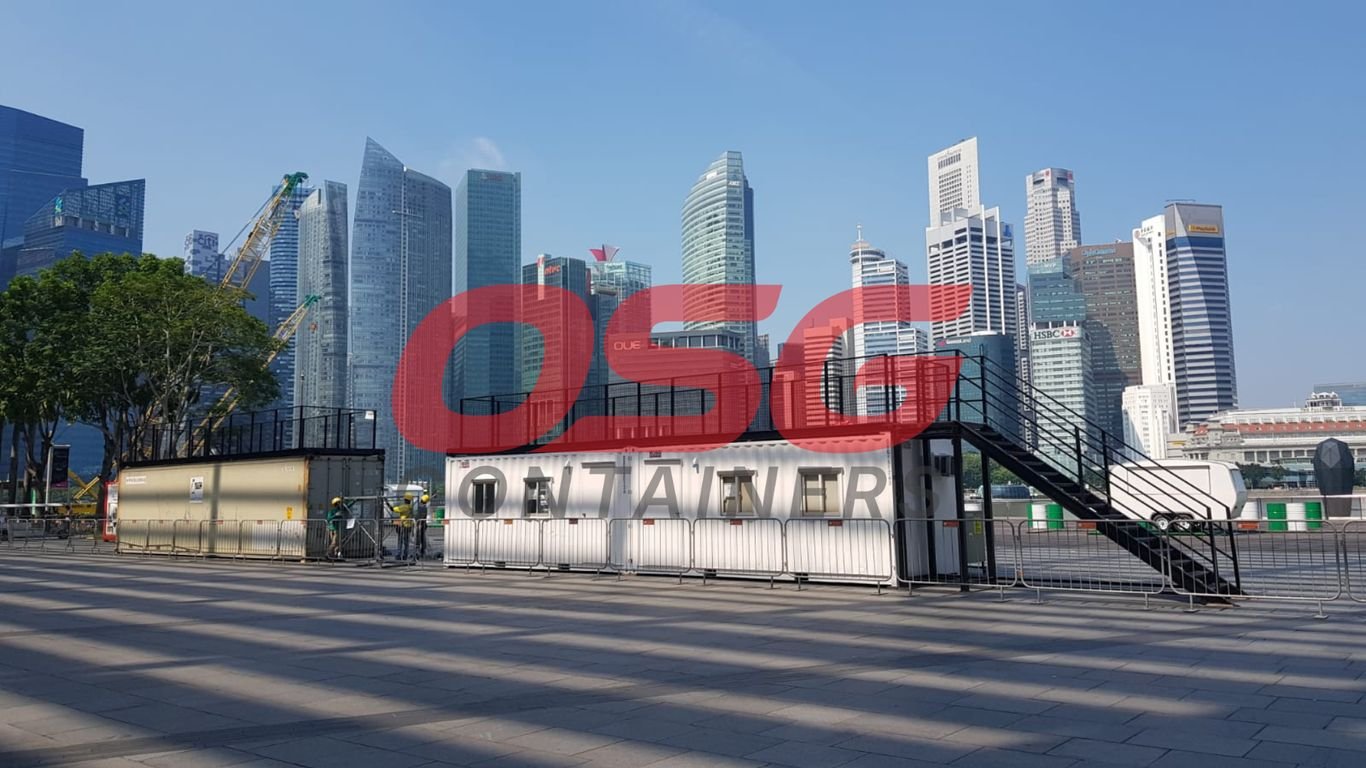
Innovative Applications: Pop-Up Shops And Shelters
Need a temporary shop for a festival or a quick pop-up store? A shipping container is perfect. You can outfit them with doors, windows, and whatever else you need, and then just move them where the action is. They’re secure when closed up, too. Beyond retail, they’ve been used for temporary medical clinics, emergency shelters after disasters, and even as art installations. Their portability is a huge plus for these kinds of uses.
Repurposing Shipping Containers For Storage
This is probably the most straightforward alternative use. If you need extra storage space on your property – maybe for tools, equipment, or just general clutter – a used shipping container is a solid option. You can buy them relatively cheaply, and they’re incredibly secure and weather-resistant. People use them for everything from backyard workshops to farm equipment storage and even as secure on-site storage for construction projects. They just sit there, doing their job, keeping your stuff safe and dry.
Wrapping It Up
So, those big metal boxes you see everywhere? They’re pretty important, right? They’re the workhorses that keep global trade moving, carrying everything from your phone to your food across the planet. We’ve looked at the different kinds, from the basic dry boxes to the ones that keep things cold, and even how people are using them for homes or shops. It’s kind of amazing how these standardized containers make it all possible, letting stuff move easily between ships, trains, and trucks. Understanding them just gives you a better picture of how the world works and how we get the things we need. It’s not just about shipping; it’s about connecting economies and people.
Frequently Asked Questions
What exactly is an ISO shipping container?
An ISO shipping container is basically a big, tough metal box that’s made to exact international rules. These rules ensure all the boxes are the same size and can be easily moved between ships, trains, and trucks anywhere in the world. Think of them as universal building blocks for moving goods.
Why are shipping containers so important for global trade?
Shipping containers are super important because they make moving stuff around the world much simpler, faster, and safer. They protect products from bad weather and from being stolen. Since they fit perfectly onto ships, trains, and trucks, it saves a lot of time and money when goods need to travel long distances.
What’s the difference between a standard container and a ‘high cube’ container?
A standard container is like a regular box. A ‘high cube’ container is the same length and width, but it’s a bit taller. This extra height is really useful for shipping items that are bulky but not too heavy, or when you need to stack more things inside.
Can shipping containers be used for things other than shipping goods overseas?
Yes, absolutely! People use shipping containers for all sorts of cool projects. They can be turned into pop-up shops, extra storage units on building sites, temporary homes, or even classrooms. Their strong, weather-proof design makes them very adaptable.
How do I know which type of container to use for my shipment?
Picking the right container depends on what you’re sending. If it’s regular stuff that doesn’t need to stay cold, a standard dry container is fine. For food or medicine that needs to stay cold, you’d use a refrigerated container. For really big items, you might need an open-top or flat-rack container.
How can I track my shipment and make sure it’s safe?
Many shipping containers have special tracking codes so you can see where your stuff is in real-time. To keep your cargo safe, make sure the container is properly sealed and locked. It’s also a smart idea to have insurance in case anything unexpected happens during the trip.