Singapore
 Australia
 Indonesia
 Japan
Japan Malaysia
 New Zealand
 Philippines
 South Korea
 Taiwan
 Thailand
 VIETNAM
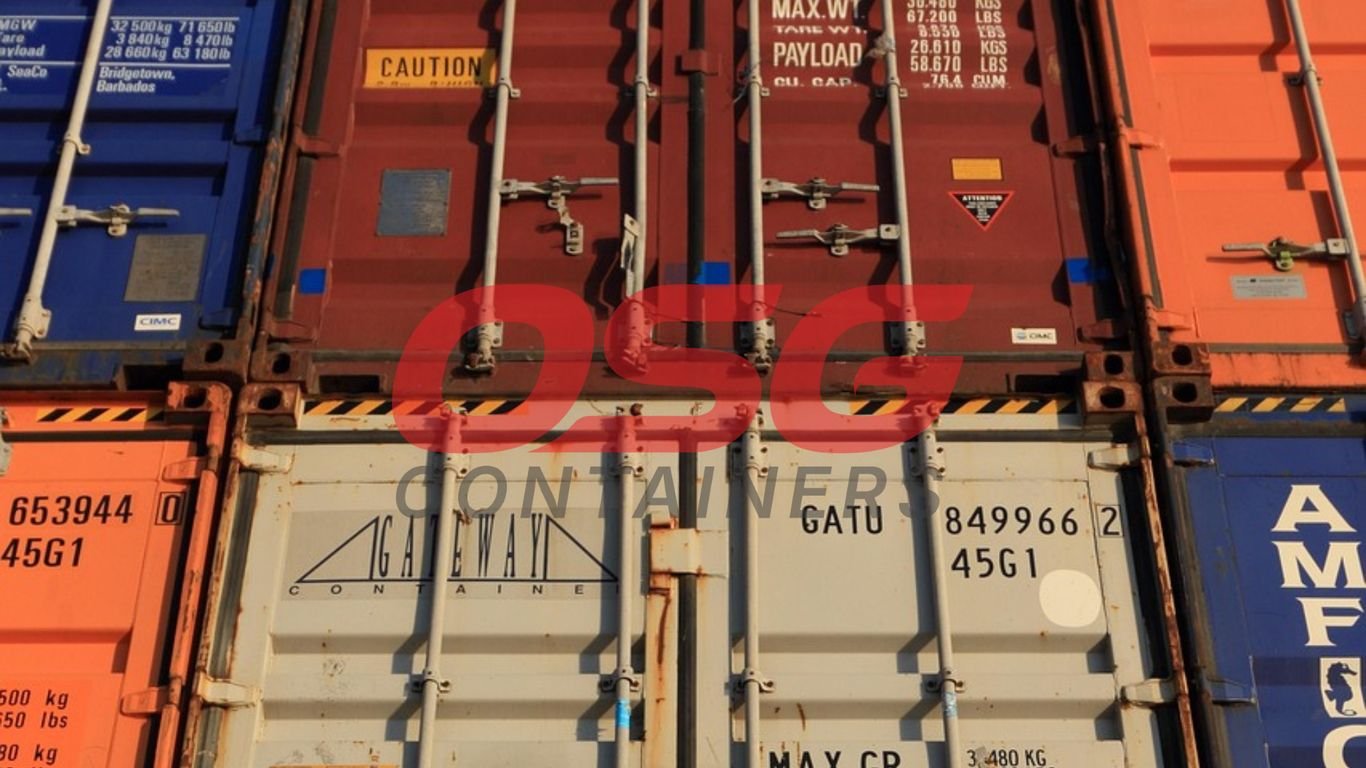
Shipping containers. You see them everywhere, right? On boats, trains, trucks, and sometimes even as cool little buildings. But what exactly are these metal boxes, and why are there so many different kinds? Well, it turns out these things are pretty important for moving stuff around the world, and people are getting really creative with them. We’re going to break down the different sizes, what they’re made for, and some of the wild ways people are using them today. It’s more interesting than it sounds, trust me.
Key Takeaways
- Shipping containers come in standard sizes, like 20-foot and 40-foot, with high-cube versions offering extra height.
- Different types exist for specific needs: dry storage for general goods, refrigerated for perishables, and open tops for tall items.
- Specialized containers like flat racks handle oversized cargo, while tank containers move liquids.
- Beyond shipping, containers are repurposed as offices, cafes, homes, and even hotels.
- Choosing the right shipping container size and type depends on your cargo’s volume, weight, and nature to ensure safety and cost-effectiveness.
Understanding Standard Shipping Container Sizes
When you start looking into shipping containers, you’ll quickly notice they come in a few main sizes. These aren’t just random dimensions; they’re standardized to make moving goods around the world as smooth as possible. Think of them as the workhorses of global trade. The most common ones you’ll run into are the 20-foot and 40-foot containers, with a popular variation being the 40-foot High Cube. Knowing these sizes is pretty important if you’re shipping anything, or even if you’re thinking about repurposing one.
The Versatile 20-Foot Shipping Container
The 20-foot container, often called a TEU (Twenty-foot Equivalent Unit), is like the Swiss Army knife of shipping. It’s a go-to for a lot of different jobs. This size is particularly useful when your cargo is heavy but doesn’t take up a ton of space. Because its weight capacity is quite high relative to its volume, it’s perfect for dense items like machinery, metal parts, or bags of cement. It’s also a good choice if you have limited space at your loading or unloading point.
Here’s a quick look at its typical specs:
- External Dimensions: 20 ft (length) x 8 ft (width) x 8.6 ft (height)
- Internal Capacity: Around 33 cubic meters (1,165 cubic feet)
- Max Payload: Roughly 28,000 kg (61,700 lbs)
While the 20 ft container is incredibly useful, it’s important to remember that its internal space is finite. Overpacking or trying to fit items that are too large can lead to complications during transit.
The Spacious 40-Foot Shipping Container
If you’ve got more volume to move, the 40-foot container is your next step up. It’s essentially double the length of the 20-foot container, giving you a lot more room. This makes it a cost-effective option for lighter goods that take up more space, like furniture, textiles, or appliances. You get more bang for your buck in terms of cubic feet, though the maximum weight it can carry isn’t double that of a 20-foot container.
Key dimensions for the 40-foot container:
- External Dimensions: 40 ft (length) x 8 ft (width) x 8.6 ft (height)
- Internal Capacity: Approximately 67.5 cubic meters (2,390 cubic feet)
- Max Payload: Around 26,500 kg (58,420 lbs)
The Elevated 40-Foot High Cube Container
Now, what if you need even more vertical space? That’s where the 40-foot High Cube comes in. It’s the same length and width as a standard 40-foot container, but it’s about a foot taller. This extra height can make a big difference, especially for oddly shaped items or when you’re trying to maximize every inch of space. It’s a popular choice for bulkier goods that might just be a bit too tall for a standard container. Think of things like stacked pallets or equipment that has some height to it.
Exploring Diverse Shipping Container Types
So, you’ve got stuff to move, right? And not just a few boxes, but a whole lot of it. That’s where different kinds of shipping containers come into play. They aren’t all just plain old metal boxes, even though that’s what most people picture. Each type is built for a specific job, making sure your goods get where they need to go without any fuss.
General Purpose Dry Storage Containers
These are your workhorses, the most common ones you’ll see. Think of them as the standard van for shipping. They’re great for all sorts of dry goods – electronics, clothes, furniture, packaged food, you name it. They’re built tough and keep your stuff safe from the weather. They come in the usual 20-foot and 40-foot sizes, and sometimes a bit taller (we’ll get to that later).
- Ideal for: Non-perishable items, manufactured goods, general cargo.
- Sizes: 20 ft (holds about 33 cubic meters), 40 ft (holds about 67.5 cubic meters).
- Key Feature: Watertight and secure for everyday shipping.
Refrigerated Containers For Perishables
Got something that needs to stay cold? Like, really cold? That’s where "reefers" come in. These containers have built-in refrigeration units, so they can keep a steady temperature, whether it’s freezing or just cool. They’re a lifesaver for shipping food, flowers, or even certain medicines that can’t handle the heat.
- Purpose: Maintaining specific temperatures for sensitive goods.
- Common Uses: Fresh produce, meat, seafood, dairy, pharmaceuticals, flowers.
- Sizes: Typically 20 ft and 40 ft, but the refrigeration unit takes up some space.
Open Top Containers For Oversized Cargo
Sometimes, your cargo is just too tall or awkward to fit through a regular container door. That’s where an "open top" container shines. It’s basically like a standard container, but it doesn’t have a solid roof. Instead, it has a tarp that can be removed. This lets you load things from the top, which is super handy for tall machinery or lumber. They’re perfect for items that just won’t fit through conventional doors.
- Loading: From the top, using a crane or other lifting equipment.
- Best For: Over-height machinery, logs, scrap metal, or anything bulky that needs top-loading.
- Sizes: Available in 20 ft and 40 ft.
Choosing the right container type is more than just picking a box. It’s about making sure your goods arrive in the same condition they left, without extra costs from damage or needing special handling later on. Think about what you’re shipping and pick the container that fits the bill.
Specialized Shipping Containers For Unique Needs
Flat Rack Containers For Bulky Items
Sometimes, cargo just doesn’t fit neatly into a standard box. That’s where flat rack containers come in. These aren’t your typical enclosed boxes. They’re designed with either collapsible sides or no sides at all, making them perfect for items that are too wide, too tall, or too bulky for regular containers. Think boats, industrial machinery, large pipes, or even vehicles that can’t be loaded from the end. They’re built tough to handle these awkward loads.
| Size Options | Typical Use Cases |
|---|---|
| 20 ft & 40 ft | Boats, industrial vehicles, construction materials, pipes, turbines |
Tank Containers For Bulk Liquids
When you need to move liquids in large quantities, tank containers are the go-to solution. These are essentially robust cylindrical tanks fitted inside a standard rectangular steel frame. They’re designed for safety and efficiency when transporting everything from chemicals and fuels to food-grade products like wine or milk. The frame provides protection and allows them to be handled just like regular shipping containers.
- Capacity: Typically hold up to around 26,000 liters.
- Applications: Chemicals, oil, fuel, wine, milk, and other bulk liquids.
- Industries: Widely used by chemical suppliers and food exporters.
Ventilated and Insulated Container Options
Not all cargo needs refrigeration, but some definitely needs protection from the elements and moisture. Ventilated containers have built-in airflow systems. This helps prevent condensation and keeps things like coffee beans, cocoa, or certain textiles from getting damaged by humidity, especially on long trips. Insulated containers, on the other hand, use special panels to offer thermal protection. They don’t have active cooling, but they can keep temperature-sensitive items like chocolates or certain chemicals from experiencing drastic temperature swings during transit.
Choosing the right specialized container means your goods arrive in the best possible condition, avoiding costly damage from moisture, extreme temperatures, or simply not fitting.
- Ventilated: For goods needing air circulation (e.g., coffee, cocoa).
- Insulated: For goods needing protection from temperature changes but not active cooling (e.g., chocolates, some vaccines).
- Considerations: Ideal for specific cargo types that are sensitive to humidity or moderate temperature fluctuations.
Beyond Shipping: Creative Container Applications
So, we’ve talked a lot about shipping containers for, you know, shipping stuff. But honestly, that’s just the beginning. These tough steel boxes are popping up everywhere, being turned into all sorts of cool things that have nothing to do with cargo ships. It’s pretty wild how versatile they are.
Shipping Containers As Mobile Offices
Need a workspace on a job site or a temporary office for a special event? Shipping containers are a fantastic solution. They’re durable, secure, and can be set up pretty quickly. You can get them outfitted with insulation, electricity, windows, and even basic plumbing. Think of it as a ready-made, portable building that can go wherever you need it.
Here’s a quick look at what goes into making a container office:
- Site Preparation: Clearing and leveling the ground where the container will sit.
- Container Modification: Cutting openings for doors and windows, adding insulation, and installing electrical wiring.
- Finishing Touches: Painting, flooring, and adding furniture.
- Delivery and Setup: Transporting the finished office to its location and placing it.
Transforming Containers Into Cafes And Restaurants
Forget fancy brick-and-mortar buildings; shipping containers are making waves in the food industry. They offer a unique, industrial-chic aesthetic that’s really popular right now. Plus, they’re way more affordable to set up than a traditional restaurant. You can find them as small coffee stands or larger setups with full kitchens and seating areas.
The modular nature of containers means you can even expand your space later by adding more units. It’s a flexible approach for a business that might grow.
Building Homes And Hotels With Shipping Containers
This is where things get really interesting. People are building entire houses, apartment complexes, and even hotels out of shipping containers. They’re surprisingly strong and can be stacked to create multi-story structures. While you might need specialized builders, the result can be a unique, modern, and often more affordable living or lodging space. It’s a smart way to repurpose these containers, moving beyond their original purpose. You might even see specialized containers like isotank units being repurposed for unique architectural features, though open top containers are more commonly adapted for structures needing easy overhead access during construction or for specific design elements.
Key Considerations For Choosing A Shipping Container
So, you’ve got stuff to move or a project in mind that needs a container. Awesome! But before you just grab the first one you see, let’s talk about a few things that really matter. Picking the right container isn’t just about size; it’s about making sure your cargo arrives safe and sound, and that you’re not wasting money.
Matching Container Size To Cargo Volume And Weight
This one seems obvious, right? You wouldn’t try to stuff a whole couch into a tiny box. The same goes for shipping containers. You need to know how much space your stuff takes up and how much it weighs. Getting this wrong can lead to a whole heap of problems, from paying for empty space to getting hit with fines for being overweight.
Here’s a quick look at typical weight limits. Remember, these are general guidelines, and specific container specs can vary:
| Container Size | Max Payload (approx.) | Tare Weight (approx.) | Max Gross Weight (approx.) |
|---|---|---|---|
| 20ft Standard | 28,000 kg (61,700 lbs) | 2,200 kg (4,850 lbs) | 30,480 kg (67,200 lbs) |
| 40ft Standard | 27,000 kg (59,500 lbs) | 3,750 kg (8,270 lbs) | 30,480 kg (67,200 lbs) |
| 40ft High Cube | 26,000 kg (57,300 lbs) | 3,900 kg (8,600 lbs) | 30,480 kg (67,200 lbs) |
Always double-check the exact specifications for the container you’re looking at. Overloading is a big no-no, and underfilling means you’re paying for air.
Selecting Container Type Based On Goods
Your cargo isn’t all the same, so why would your container be? Different types of goods need different environments. Think about it: you wouldn’t ship ice cream in a regular box, would you?
- Perishables: Need a refrigerated container (reefer) to keep them cold.
- Oversized or Heavy Items: Might need an open-top or flat-rack container where you can load from the top or sides, or for items that stick out.
- Bulk Liquids/Gases: Require specialized tank containers.
- General Goods: Standard dry storage containers usually do the trick.
Choosing the right type protects your goods from damage, spoilage, or being rejected at customs. It’s about giving your cargo the best chance to arrive in the condition you expect.
The Importance Of Container Markings For Handling
Ever seen those numbers and symbols plastered all over a container? They’re not just for decoration. These markings are super important for anyone handling the container, from the port workers to the truck drivers.
These markings tell everyone involved critical information like the container’s owner, its unique identification number, its size and type, and sometimes even its maximum weight. Without clear markings, it’s easy for containers to get mixed up, leading to delays, misplaced cargo, or even accidents. It’s like a shipping container’s ID card, and everyone needs to be able to read it clearly.
Pay attention to these markings, and make sure any containers you own or are responsible for are clearly marked and legible. It makes the whole process smoother and safer for everyone involved.
Wrapping It Up
So, there you have it. Shipping containers are way more than just big metal boxes for stuff. From the standard 20-footers to the taller 40-foot high cubes, each size and type has its own job, whether it’s hauling your grandma’s antique furniture or keeping your fancy chocolates from melting. And it’s not just about shipping anymore. People are getting super creative, turning these containers into everything from tiny homes and cool cafes to office spaces. It really shows how versatile they are. If you’re thinking about a project, big or small, knowing your container options is the first step to making it happen. The possibilities really are pretty much endless.
Frequently Asked Questions
What are the most common sizes for shipping containers?
The most common shipping container sizes are 20-foot and 40-foot long. There are also 40-foot ‘high cube’ containers, which are a foot taller than the standard ones. These different sizes help fit various amounts of stuff, from small loads to really big ones.
What’s the difference between a standard container and a high cube container?
A standard container is about 8.5 feet tall. A high cube container is the same length and width but is about 9.5 feet tall. This extra foot of height is super useful if you have taller items or want to maximize the space inside.
Can I use any shipping container for any type of goods?
Not exactly. While regular ‘dry storage’ containers work for many things like furniture or electronics, some items need special containers. For example, food that spoils easily needs a ‘refrigerated’ container, and really tall or oddly shaped items might need an ‘open top’ or ‘flat rack’ container.
What are ‘reefers’ used for?
‘Reefers’ is short for refrigerated containers. They have built-in cooling systems, like a big fridge. These are essential for shipping things that need to stay cold, such as fruits, vegetables, medicines, and other items that can go bad if they get too warm.
Are shipping containers only used for shipping things overseas?
Nope! While shipping goods is their main job, people get really creative with them. They’re often turned into cool things like pop-up shops, backyard offices, cafes, storage units, and even homes! Their strong, weather-resistant design makes them great for building.
Why is choosing the right container important?
Picking the right container saves you money and keeps your stuff safe. If you use a container that’s too big, you pay for empty space. If it’s too small, you might have to split your shipment, costing more. Also, using the wrong type, like putting flowers in a regular container instead of a refrigerated one, can ruin your cargo.