Singapore
 Australia
 Indonesia
 Japan
Japan Malaysia
 New Zealand
 Philippines
 South Korea
 Taiwan
 Thailand
 VIETNAM
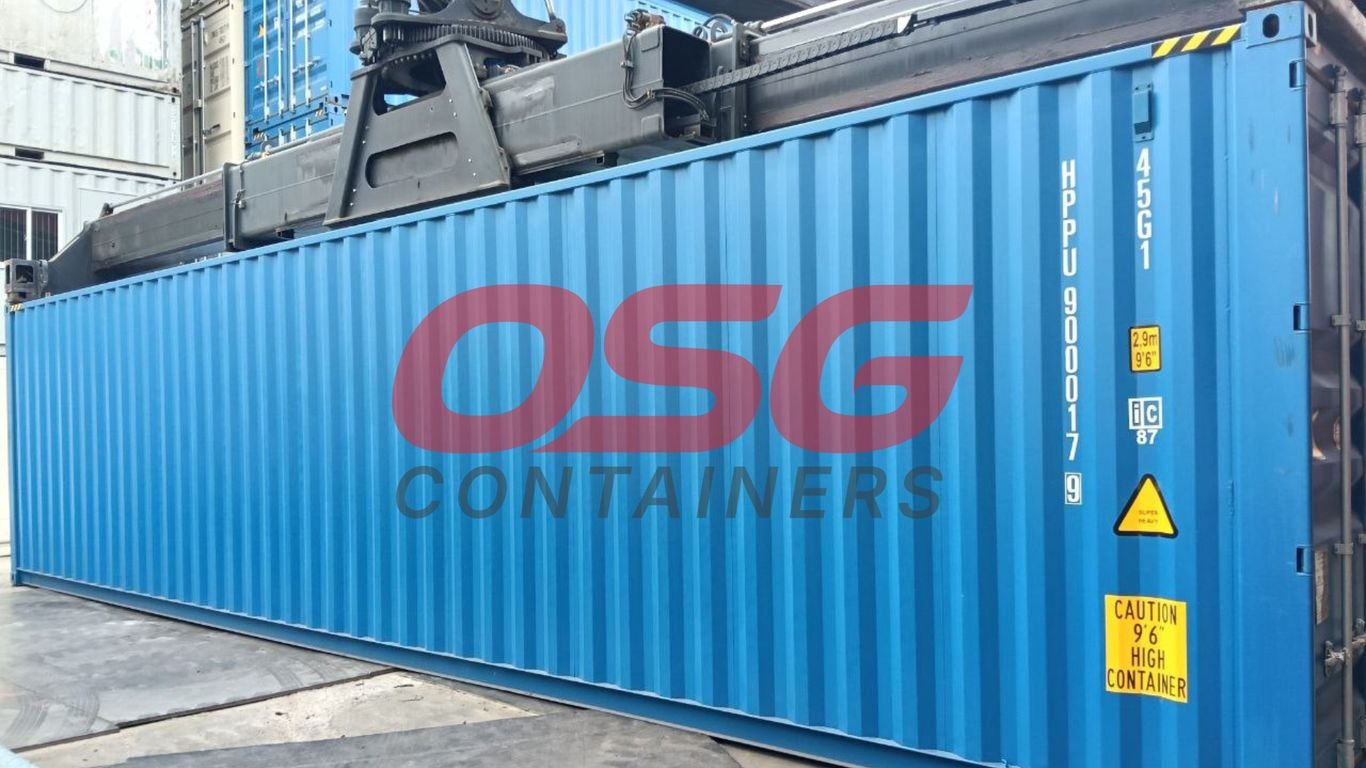
So, you know those big metal boxes you see everywhere? They’re called shipping containers, and they’ve totally changed how we get stuff from one place to another, especially across oceans. Think about it, before these boxes, moving goods was a real pain. This whole system of standardized containers has made global trade way easier and cheaper, basically building the world economy we have today. We’re going to look at how this whole thing started, how it works now, and what might happen next.
Key Takeaways
- The shipping container, first widely used in the 1950s thanks to Malcolm McLean, turned international trade on its head by creating a universal way to move goods.
- Standardization meant faster loading, less damage, and lower costs, making global trade accessible to more businesses.
- Container ships have grown massively, leading to huge gains in efficiency but also requiring significant upgrades to ports and infrastructure worldwide.
- Challenges like securing cargo and adapting infrastructure in certain regions still exist, but the container’s impact is undeniable.
- The future of the shipping container involves greener technologies, smarter logistics, and even creative reuse, showing its ongoing importance.
The Genesis Of The Shipping Container
Early Concepts And The SS Ideal X
Before the standardized steel box we know today, moving goods across the seas was a real headache. Think of ships loaded with all sorts of individual crates, barrels, and sacks. It was slow, expensive, and a lot of stuff got damaged or went missing. People knew there had to be a better way. Ideas for standardizing cargo started popping up way back in the late 1800s and early 1900s. But it wasn’t until 1937 that a ship, the SS Ideal X, actually sailed with 58 containers. It was a start, but not quite the revolution yet.
The Dawn Of Standardization
Things really started to shift in the 1950s. The big idea was to make a box that could be used everywhere, no matter if it was going on a ship, a train, or a truck. This meant that loading and unloading could be done much faster. Instead of workers handling each individual item, they could just move the whole box. This made shipping way more efficient and cut down on the time and money spent. It was all about making things predictable and interchangeable.
Malcolm McLean’s Visionary Idea
Malcolm McLean is the guy most people credit with making the shipping container the game-changer it is today. He was a trucking entrepreneur who saw the messiness of break-bulk shipping and thought, "Why can’t we just put the cargo in a standard box and move that box around?" His vision was to create a system where a container could go from a truck, onto a ship, and then onto another truck without ever having to unpack and repack the goods inside. In 1956, his company, SeaLand, proved it could work. They loaded 58 containers onto a modified tanker, the SS Ideal X, and sent them from New Jersey to Texas. This trip, carrying what would become the standard 40 feet container and its smaller cousins, really kicked off the containerization era. It was simple, but it changed everything for global trade.
The core idea was to treat the container itself as the unit of transport, rather than the individual items packed within it. This shift in perspective simplified logistics immensely.
Revolutionizing Global Commerce Through Standardization
Before the shipping container became a thing, moving goods around the world was a real headache. Imagine loading individual crates, barrels, and sacks onto ships by hand. It took ages, cost a fortune, and stuff got lost or broken all the time. Then came the idea of a standard box, and everything changed. This wasn’t just about making things a bit easier; it was a total game-changer for how businesses operated globally.
A Universal System For Cargo
The biggest win was creating a single, predictable way to handle goods. No matter where a container came from or where it was going, it could be moved the same way. This meant ports and transport companies didn’t need special equipment for every different type of cargo. It was like creating a common language for shipping.
- One Size Fits Most: Standardized container sizes (like the 20-foot and 40-foot boxes we see everywhere) meant they could be easily stacked on ships, loaded onto trucks, and moved by trains.
- Less Hassle, More Flow: This uniformity made the whole process smoother. Loading and unloading times dropped dramatically.
- Global Reach: Businesses, big or small, could now send their products anywhere without worrying about the complexities of different local shipping methods.
Enhanced Efficiency And Speed
With a universal system in place, things just started moving faster. Ships could be loaded and unloaded in hours instead of days. This speed meant more trips could be made, and goods reached their destinations much quicker. Think about getting that new gadget you ordered online – a lot of that speed is thanks to containerization.
Significant Cost Reductions
All this efficiency naturally led to lower costs. Less time spent loading and unloading, less damage to goods, and fewer people needed for manual labor all added up. This made international trade way more affordable, opening up markets that were previously too expensive to consider.
| Improvement Area | Pre-Container Era (Estimate) | Post-Container Era (Estimate) |
|---|---|---|
| Loading/Unloading Time | Days | Hours |
| Cargo Damage/Loss | High | Low |
| Labor Costs | High | Significantly Reduced |
| Shipping Cost per Unit | High | Dramatically Lowered |
Flexibility And Security Gains
Beyond just speed and cost, the standardized container offered better protection for the goods inside. Once sealed, the container itself became the secure unit. This reduced theft and damage significantly. Plus, the flexibility meant that a single container could travel across different modes of transport – ship, train, truck – without the cargo ever needing to be touched or repacked. It was a secure, efficient, and flexible way to move almost anything.
The adoption of standardized containers created a predictable and efficient global logistics network. This allowed for goods to be moved faster, cheaper, and with less risk, making international trade accessible to a much wider range of businesses and consumers alike.
This standardization wasn’t just a technical change; it was the bedrock upon which modern global commerce was built. It made the world feel a lot smaller and more connected for businesses looking to trade internationally.
The Evolving Landscape Of Container Ships
From Smaller Vessels To Ultra-Large Giants
When the shipping container first came onto the scene, the ships carrying them weren’t exactly the behemoths we see today. Think more along the lines of converted tankers or smaller vessels, often carrying just a few dozen containers. The iconic 20 footer container was a game-changer, but the ships themselves were still catching up. Early container ships were functional, sure, but they were a far cry from the massive, specialized vessels that now dominate the oceans. This gradual shift wasn’t an overnight revolution; it was a response to growing trade needs and the practicalities of scaling up. The focus was on making the system work, and as it proved its worth, the ships got bigger and more purpose-built.
Technological Advancements In Design
It’s not just about size, though. The technology packed into these modern giants is pretty wild. We’re talking about advanced hull designs that cut through the water more efficiently, smarter navigation systems that can plot the best routes and avoid bad weather, and automated systems that help manage the cargo. These aren’t just floating boxes; they’re complex pieces of engineering designed for maximum efficiency and safety. Think about it: these ships have to handle thousands of containers, often in challenging sea conditions, so the tech onboard is pretty impressive.
- Propulsion Systems: Modern ships use more fuel-efficient engines, and there’s a big push towards alternative fuels like LNG, methanol, and even hydrogen to cut down on emissions.
- Cargo Handling: While much of the loading and unloading happens at ports, onboard systems are getting smarter to manage the weight distribution and secure the containers.
- Safety Features: Advanced weather routing, communication systems, and structural integrity designs are all part of making these massive vessels safer.
Impact Of Ship Size On Infrastructure
So, these ships are getting huge, right? That has a massive ripple effect. You can’t just pull a mega-ship into any old dock. Ports have had to adapt significantly. This means dredging channels to make them deeper, building bigger cranes that can reach across these wider vessels, and having more space on the docks to handle the sheer volume of containers. It’s a bit of a domino effect: bigger ships mean bigger demands on port infrastructure, which in turn influences shipping routes and where goods can be efficiently moved.
The sheer scale of modern container ships means that ports worldwide have had to invest heavily in upgrades. This includes everything from deeper waterways to more powerful cranes and expanded storage areas, all to accommodate the ever-increasing size of these maritime workhorses.
It’s a constant cycle of adaptation, driven by the industry’s relentless pursuit of moving more goods, more cheaply, across the globe.
Challenges And Adaptations In The Shipping Industry
So, while the shipping container has been a total game-changer, it hasn’t all been smooth sailing. Bringing these massive metal boxes into the picture created a whole new set of headaches that the industry has had to figure out. It’s not like you can just plop a giant container onto any old dock and expect things to work perfectly.
Infrastructure and Technology Demands
One of the biggest hurdles was getting ports and the systems connected to them ready. Suddenly, ports needed bigger cranes, deeper water, and more space to stack these containers. Think about it: a ship carrying thousands of these things needs a lot of room and some serious machinery to unload and reload quickly. This meant big investments in new equipment and upgrades to roads and railways leading away from the ports. It wasn’t just about the ships; it was about the whole network.
- Port Cranes: Needed to be taller and reach further.
- Yard Space: More room required for container storage and movement.
- Inland Transport: Roads and rail lines had to handle increased truck and train traffic.
- Digital Systems: Better tracking and management software became a must.
The sheer scale of containerized shipping demanded a complete overhaul of existing port infrastructure, a process that took years and significant capital in many locations. Without these upgrades, the efficiency gains promised by containers would have been lost in bottlenecks at the docks.
Addressing Cargo Security Concerns
Before containers, you could often see and secure individual shipments. With containers, everything is locked away. This is great for protection against the elements, but it also made cargo theft a bigger worry. It’s harder to keep an eye on what’s inside when it’s sealed in a big metal box. So, companies had to get smarter about tracking, sealing, and monitoring these containers to prevent losses.
Regional Disparities in Adoption
It’s also important to remember that not everyone jumped on board at the same speed. Some regions, especially those with huge manufacturing bases like parts of Asia, saw massive benefits right away. Other places, with less trade or less developed infrastructure, found it harder to get the full advantage. This uneven adoption meant that the global trade benefits weren’t felt equally everywhere at first. It took time for the rest of the world to catch up and build the necessary systems to really make container shipping work for them.
The Container’s Role In Modern Supply Chains
Intermodal Transport and Chassis Systems
The shipping container really changed how we move stuff around. Before, you’d load up a truck, then unload it to put it on a train, then unload that to put it on a ship. It was a lot of work, and things got lost or broken pretty often. Now, with standardized cargo containers, we can just move the whole box from a truck to a train to a ship without really touching the goods inside. This whole system is called intermodal transport. It relies heavily on things like chassis – basically, the wheeled frames that trucks use to haul these containers. Without the right chassis, getting those big metal boxes from the port to the warehouse, or vice versa, would be a huge headache.
Here’s a quick look at how it works:
- Truck to Port: A truck driver picks up a container from a factory or warehouse using a chassis.
- Ship Loading: At the port, cranes lift the container off the truck chassis and place it onto the ship.
- Ocean Voyage: The container travels across the sea.
- Ship to Rail/Truck: At the destination port, cranes move the container to a train or another truck chassis for inland transport.
This ability to seamlessly switch between different modes of transport is what makes global trade so efficient today.
Adapting Logistics For Larger Shipments
As ships got bigger, carrying more and more containers, our logistics systems had to keep up. Ports needed bigger cranes and more space. Inland, we needed better roads and rail lines. It’s a constant back-and-forth. Think about it: if a ship can carry 20,000 containers, you need a solid plan to get all those goods to their final destinations quickly. This means better planning, more trucks, more trains, and smarter ways to manage all the paperwork and tracking.
The sheer volume of goods moved by containers means that any hiccup in the system can cause big delays. It’s like a giant, complex puzzle where every piece has to fit perfectly.
E-commerce And Bulk Shipping Opportunities
It’s not just about moving big batches of stuff anymore. The container system has also opened doors for smaller businesses and the booming world of e-commerce. Online shoppers expect their items fast, and containers help make that possible by getting products from manufacturers to distribution centers efficiently. Plus, for industries that move liquids or bulk materials, special containers like flexitanks allow for safe and easy transport, expanding the types of goods that can be shipped globally. It’s pretty amazing how one simple idea, the steel box, has made so many different kinds of trade possible.
Sustainability And The Future Of Shipping Containers
Environmental Considerations and Regulations
The shipping container, a marvel of standardization, is now facing a new set of challenges centered around its environmental footprint. As global trade continues to grow, so does the demand for efficient transport, but the industry is under increasing pressure to adopt greener practices. Regulations are tightening, pushing for reduced emissions from the ships that carry these containers and from the ports that handle them. This means looking at everything from the materials used in container manufacturing to the energy consumed in their movement. The industry is actively exploring ways to make the entire lifecycle of a shipping container more sustainable.
Innovative Propulsion and Fuel Technologies
When we talk about the environmental impact of shipping containers, a big part of that conversation has to be about the ships themselves. These massive vessels are a major source of emissions. So, what’s being done? Well, there’s a lot of work going into new ways to power these ships. Think about cleaner fuels like ammonia or methanol, or even looking at wind-assisted propulsion systems. It’s not just about slapping a new engine on; it’s a whole rethink of how these giants of the sea move across the oceans. The goal is to cut down on greenhouse gases significantly.
Creative Reuse and Circular Economy Principles
What happens to a shipping container when it’s no longer fit for sea travel? Instead of just becoming scrap metal, these durable steel boxes are finding new lives. This is where the idea of a circular economy really comes into play. We’re seeing containers transformed into all sorts of things:
- Pop-up shops and cafes
- Affordable housing units
- Temporary schools and medical clinics
- Storage solutions and workshops
This repurposing not only reduces waste but also offers practical, often cost-effective, solutions for communities. It’s a smart way to give these robust structures a second act, proving that a shipping container’s journey doesn’t have to end when its shipping days are over.
The future of shipping containers isn’t just about moving goods more efficiently; it’s about doing so responsibly. This involves a multi-pronged approach, from cleaning up how ships are powered to finding innovative ways to reuse containers themselves, minimizing waste and supporting a more sustainable global trade system.
Wrapping It Up
So, looking back, it’s pretty wild how a simple metal box has totally changed how we get stuff all over the planet. From making shipping way cheaper and faster to basically building the global economy we know today, the shipping container has been a massive deal. Sure, there have been bumps along the road, like figuring out how to handle these giant ships and keeping cargo safe, but the core idea of a standardized box just works. It’s not just about moving goods anymore; it’s become a symbol of how smart ideas can connect the world, and honestly, it’s hard to imagine life without them now.
Frequently Asked Questions
What exactly is a shipping container and why is it important?
A shipping container is basically a big, strong metal box used to hold goods. It’s super important because it made it way easier and cheaper to move stuff all around the world. Before containers, loading and unloading ships was a huge mess, taking forever and costing a lot of money. Containers made it like a standardized puzzle piece that fits on ships, trains, and trucks, speeding everything up.
Who came up with the idea of using these containers?
The main guy credited with making shipping containers a big deal is Malcolm McLean. Back in the 1950s, he had this smart idea to put goods into these standard boxes. He proved it worked by sending the first container ship, the SS Ideal X, on a trip. His vision was to make moving cargo smoother across different types of transportation.
How did containers change how we trade goods globally?
Containers totally changed global trade by making it much faster and cheaper. Because goods could be loaded and unloaded so quickly and safely, companies could send more products overseas without spending a fortune. This opened up markets for businesses of all sizes and made it possible to buy things from all over the planet much more easily.
Are container ships still getting bigger?
Yes, they really are! Container ships have grown from carrying a few hundred boxes to holding tens of thousands. This means they can carry a massive amount of stuff, which helps lower costs. But, these giant ships need really big ports with deep water and special cranes to handle them, so ports have had to upgrade a lot.
What are some problems with using shipping containers?
Even though containers are great, there are challenges. Some ports around the world don’t have the right equipment to handle the biggest ships or the most containers. Also, keeping the cargo inside the containers super secure can be tricky, and sometimes theft or damage can still happen. Not all places have the same good roads or train lines to move containers easily after they leave the ship.
Are shipping containers good for the environment?
That’s a big question! Big ships do create pollution, so people are working on making them cleaner. This includes using different fuels like natural gas or hydrogen, and designing ships to use less fuel. Also, when containers are too old for shipping, people are finding cool ways to reuse them for things like homes, shops, or even farms, which is better for the planet.