Singapore
 Australia
 Indonesia
 Japan
Japan Malaysia
 New Zealand
 Philippines
 South Korea
 Taiwan
 Thailand
 VIETNAM
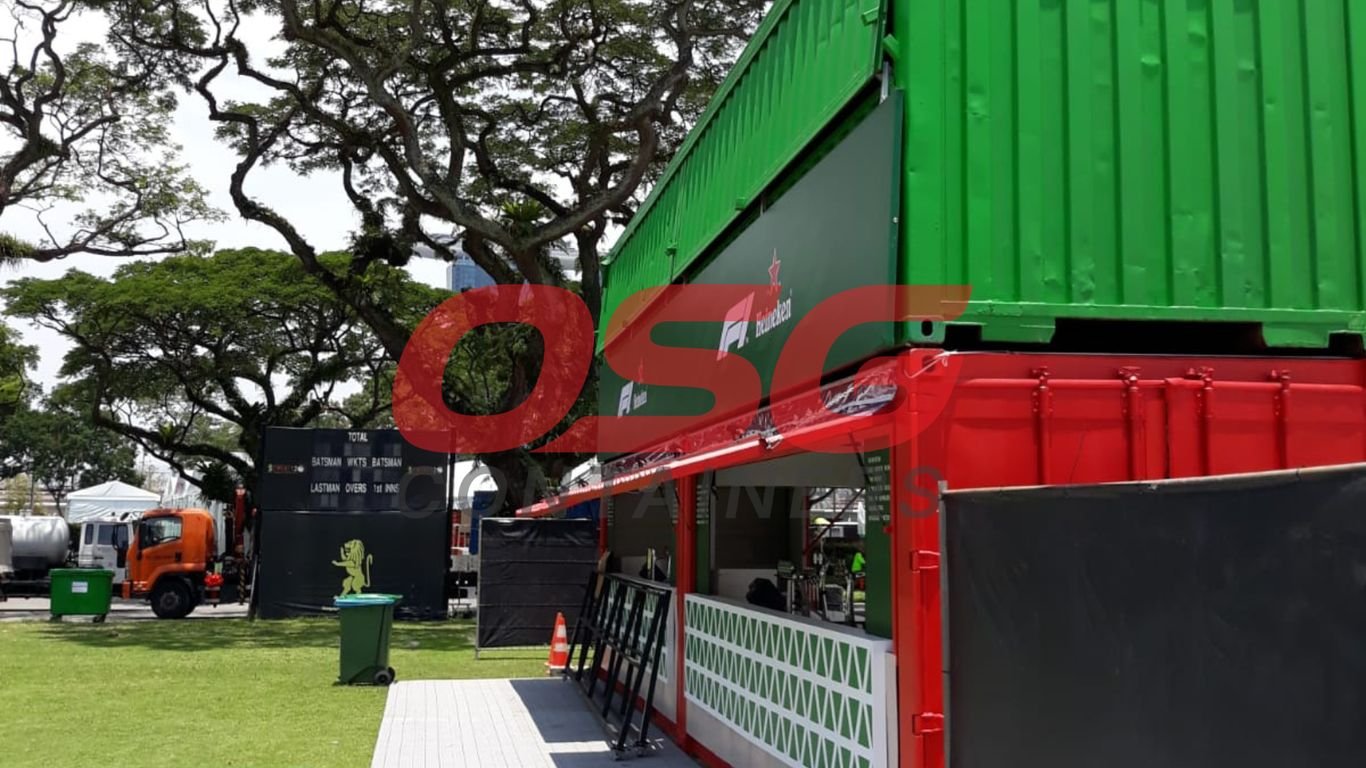
You see them everywhere, right? Those big metal boxes stacked high on ships, trains, and trucks. They’re the unsung heroes of getting stuff from point A to point B, especially across oceans. We’re talking about ship containers, the steel workhorses that keep the world’s economy humming. Let’s take a peek at how these simple boxes do so much for global trade and even help out in tough situations.
Key Takeaways
- Ship containers are the backbone of global trade, making international shipping efficient and standardized.
- Their intermodal design allows easy transfer between ships, trains, and trucks, simplifying logistics.
- Beyond shipping, these sturdy containers are vital for rapid disaster relief, providing secure shelter and storage.
- Modified ship containers can become functional spaces like clinics or temporary housing, offering flexible infrastructure.
- Using ship containers for relief and other purposes is often more cost-effective due to their durability and reusability.
The Backbone Of Global Trade: Understanding Ship Containers
Standardization Revolutionizing International Trade
Before standardized shipping containers came along, moving goods between countries was a real headache. Imagine unloading every single item from a ship, piece by piece, then reloading it onto a truck or train. It took ages and a lot of people. Then, in the mid-20th century, the shipping container changed everything. These big metal boxes, all built to specific sizes, meant that cargo could be loaded once at the factory and then travel all the way to its final destination without being touched again. This standardization is a huge reason why global trade grew so much. It made shipping faster, cheaper, and way more reliable.
- ISO Standards: The International Organization for Standardization (ISO) set the rules for container sizes, like the common 20-foot and 40-foot lengths. This means a container from China fits perfectly onto a truck in Germany.
- Reduced Handling: Less manual loading and unloading means fewer mistakes and less damage to goods.
- Cost Savings: Faster turnaround times for ships and less labor needed translate directly into lower shipping costs.
The simple act of putting goods into a standardized box has had a massive impact on how the world does business.
The Intermodal Advantage of Ship Containers
What makes ship containers so special is their ability to move between different types of transport without needing to unpack and repack the goods inside. This is called intermodal transport, and containers are the kings of it. They can go from a massive ocean-going vessel to a train, then onto a truck, all while the contents stay sealed and secure. This flexibility is what keeps the global supply chain moving smoothly.
Here’s how it works:
- Ship to Port: Containers are lifted off the ship by huge cranes.
- Port to Rail/Truck: They are then placed onto trains or trucks waiting at the dock.
- Inland Transit: The train or truck carries the container to its destination or to another transfer point.
- Final Delivery: The container is delivered to a warehouse, store, or factory.
This ability to switch modes of transport so easily cuts down on transit times and the risk of damage. It’s like having a universal luggage system for the entire world’s commerce.
Maersk’s Iconic Corrugated Steel Giants
When you think of shipping containers, you probably picture those familiar corrugated steel boxes. Many of these are made by or used by companies like Maersk, a giant in the shipping world. Founded way back in 1905, Maersk has seen the industry change dramatically. They’ve adapted by embracing technology and streamlining their operations. Their containers, built tough with corrugated steel, are designed to withstand harsh ocean conditions and the rigors of constant travel. These aren’t just boxes; they’re the workhorses of international commerce, moving billions of dollars worth of goods every single day. They’ve become a symbol of global trade, a testament to the engineering that keeps the world connected.
Port Handling Equipment: The Giants Of International Commerce
Ports are busy places, right? Think of them as the world’s biggest transfer stations for goods. Without the right gear, all those containers and other stuff would just pile up. That’s where the real heavy lifters come in – the port handling equipment. These machines are the workhorses that make sure everything gets moved safely and quickly.
Container Handling Equipment: The Core of Logistics
When we talk about moving containers, it’s all about efficiency. Since containers are standardized, the equipment designed to move them is pretty specialized. It’s like having the perfect tool for the job, every single time.
- Ship-to-Shore (STS) Cranes: These are the absolute kings at the dock. They’re massive and their main job is to grab containers off the ships and put them on land, or vice versa. They’re the first and last big machines a container sees when it’s crossing the ocean.
- Rubber-Tired Gantry (RTG) Cranes: Once containers are on the ground, RTGs take over. These mobile cranes can stack containers high in the yard, making space for more incoming goods and organizing what’s already there.
- Rail-Mounted Gantry (RMG) Cranes: Similar to RTGs, but they run on rails. You usually find these in bigger, more automated terminals, especially where containers need to be moved to or from trains.
- Reach Stackers: These are super flexible. They can lift containers, stack them a few high, and move them around the yard for shorter distances. They’re great for filling in gaps or helping out the bigger gantry cranes.
- Terminal Tractors (Yard Hustlers): Think of these as the delivery trucks of the port. They move the containers on chassis between the docks, the yards, and the gates.
The sheer scale and power of these machines are what keep global trade flowing. They’re built for constant work, day in and day out, handling immense weight and volume.
Ship-to-Shore Cranes: First and Last Contact
These are the most visible pieces of equipment at any container port. Ship-to-shore cranes, often called STS cranes, are the giants that bridge the gap between the massive container vessels and the land. Their design allows for precise movements, lifting heavy containers with speed and accuracy. They are the critical link in the chain, handling the initial unloading and final loading of cargo onto ships.
Rubber-Tired Gantry Cranes: Yard Operations
After containers are offloaded by the STS cranes, they need to be moved and stored. That’s where Rubber-Tired Gantry (RTG) cranes come into play. These mobile cranes, running on large rubber tires, are essential for stacking containers in the port’s storage yards. They can stack containers multiple units high, optimizing space and allowing for efficient retrieval when they need to be moved to their next destination, whether that’s a train, a truck, or another part of the yard. Sometimes, a small guard house is integrated into the crane’s structure for the operator.
Ship Containers: Revolutionizing Disaster Relief Efforts
When disaster strikes, getting help to people fast is the main thing. Traditional ways of setting up relief operations can be slow, but shipping containers are changing that. These tough steel boxes, originally made for moving goods around the world, are now a big part of how we respond to emergencies.
Rapid Deployment to Disaster Zones
Because shipping containers are built to a standard size and can easily move between ships, trucks, and trains, they can get to disaster areas much quicker than building something from scratch. While setting up a temporary building might take weeks, a modified container can be ready to go in just a few days. Relief teams can even pre-load them with supplies and have them waiting in areas prone to disasters. When something bad happens, these containers can be sent out right away, skipping the usual delays.
- Speed: Containers can be deployed within days, not weeks.
- Accessibility: They can reach remote areas even if roads are damaged.
- Preparedness: Pre-positioned containers allow for immediate aid.
Secure Storage for Critical Supplies
In places hit by disasters, keeping supplies safe and protected from the weather is super important. Shipping containers offer a really strong and secure way to store everything from food and water to medical equipment. Their tough steel build means they can handle rough conditions, and good locking systems keep valuable items safe from theft.
The robust construction of shipping containers provides a vital layer of security and protection for essential relief goods, safeguarding them against both environmental hazards and potential looting in chaotic post-disaster scenarios.
Steel Construction Resists Extreme Weather
These containers are made from strong, weather-resistant steel. They’re designed to handle tough conditions, like high winds and heavy rain, which can easily damage less sturdy structures. Even sensitive items like medical supplies or electronics can be kept safe and dry inside, thanks to their weather-tight seals. For situations where a reefer refrigerated container is needed, these can also be adapted to maintain specific temperatures, keeping vital medicines or food from spoiling.
| Feature | Benefit in Disaster Relief |
|---|---|
| Corrugated Steel | Withstands high winds, debris, and harsh weather conditions. |
| Weather-Tight Seal | Protects contents from moisture, dust, and contamination. |
| Robust Locks | Prevents theft and tampering of critical supplies. |
| Modular Design | Allows for quick setup and adaptation to various needs. |
Mobile Infrastructure Beyond Storage With Ship Containers
Transforming into Functional Facilities
Shipping containers are way more than just boxes for stuff. They’re like Lego bricks for grown-ups, letting us build all sorts of useful places really fast when things go wrong. Think about it: instead of waiting weeks for a building, you can get a whole setup ready in days. This is a game-changer for disaster relief.
Medical Clinics with Climate Control
Imagine a place hit by a storm, and people need medical help right away. We can take a standard shipping container, outfit it with exam rooms, medicine storage, and even air conditioning, and have a working clinic. These aren’t just temporary sheds; they’re secure, climate-controlled spaces that protect sensitive medical supplies and keep patients and doctors comfortable. They can even have their own power, so they work even if the local grid is down. We’re talking about units that can handle everything from basic check-ups to more serious care, all deployed quickly where they’re needed most. This includes specialized containers like the iso tank, which can be adapted for specific liquid storage needs, even for medical supplies.
Scalable Emergency Response Capabilities
One of the best things about using containers is how easy it is to scale up. Need more space? Just add another container. This flexibility is super important.
- Rapid Deployment: Containers can be shipped anywhere, even places with damaged roads, by boat, truck, or train.
- Secure Storage: Their steel build means supplies are safe from weather and theft.
- Customizable: You can turn them into almost anything – housing, offices, workshops, you name it.
When disaster strikes, every minute counts. Containers let us get essential services up and running much faster than traditional methods. They’re tough, adaptable, and can be set up almost anywhere, providing a reliable foundation for recovery efforts.
This approach means we can respond to emergencies more effectively, providing shelter, healthcare, and operational bases quickly and efficiently. It’s about building resilient communities, one container at a time.
Cost-Effectiveness Of Ship Containers In Emergency Response
When disaster strikes, every dollar counts, and getting help where it’s needed fast is the top priority. Traditional ways of setting up emergency facilities can be slow and really expensive. That’s where shipping containers really shine. They offer a way to get essential services up and running without breaking the bank or taking forever.
Reducing Labor Costs Through Modular Assembly
Think about building a temporary clinic from scratch. You need a lot of workers, materials, and time. With shipping containers, it’s different. These things are already built, strong, and a standard size. You can modify them in a factory or on-site with a smaller crew. They often come with pre-made parts that just need to be put in place. This means less time spent on building and fewer people needed, which cuts down on labor costs big time. Plus, since they’re all the same size, you can figure out the best way to set them up once and then do it over and over again for other projects. It’s like a recipe that works every time, making things cheaper per unit.
Reusable Units Across Multiple Sites
One of the biggest money-savers is that you don’t just use these containers once and then toss them. Unlike temporary tents or basic shelters that might get thrown away after a crisis, shipping containers can be moved and used again. Maybe after helping with a flood, they can be cleaned up and sent to help with a wildfire response. This means the initial cost of buying and modifying them gets spread out over many different uses. It’s a smart investment because they hold their value and can keep serving a purpose for years, making them a much better deal in the long run for organizations that respond to emergencies.
Real-World Impact Through Case Studies
We’ve seen this work in real life, too. After the big earthquake in Haiti back in 2010, shipping containers were quickly turned into medical centers and places for people to stay. They were set up fast, giving people much-needed help when they had lost everything. In Puerto Rico, after Hurricane Maria, containers became important spots for handing out food and supplies, and even housed people. They stood up to the bad weather, which was a huge plus. Even businesses are using them; one restaurant in Florida, after Hurricane Ian, used containers to rebuild their bar and seating area, getting them back in business much faster than if they had to build a whole new place.
The ability to quickly adapt and redeploy these robust steel structures means that aid can reach more people, more effectively, with fewer resources tied up in temporary infrastructure that has limited post-crisis utility. This adaptability is key to maximizing the impact of limited disaster relief budgets.
Here’s a quick look at how they stack up:
- Faster Deployment: Containers can be on the ground and functional within days, not weeks or months.
- Lower Construction Costs: Reduced labor and material needs compared to traditional building.
- Durability: Built to withstand harsh conditions, protecting valuable supplies.
- Repurposing: Can be used for multiple events, spreading initial costs.
- Scalability: Easily add more units as needs and budget allow.
Technological Advancements In Ship Container Logistics
GPS Tracking and Temperature Control
Keeping tabs on where those massive steel boxes are is a big deal, right? Modern shipping containers aren’t just sitting there; they’re getting smarter. Most new containers come with built-in GPS trackers, so companies know exactly where their cargo is, all the time. This isn’t just for knowing if your stuff is on the right ship; it helps with planning and security. Plus, for things that need to stay just right, like medicine or certain foods, there are temperature control systems. These can be monitored remotely, meaning you can get an alert if things get too hot or too cold before it’s too late. It’s like giving each container a little brain and a thermostat.
Integrating Sustainable Technologies
We’re seeing more and more focus on making shipping greener, and containers are part of that. Some containers are now being fitted with solar panels to power internal lights or monitoring equipment, cutting down on energy use. Others have systems for collecting rainwater. It’s a small step, but when you have millions of these containers moving around, even small changes add up. The goal is to reduce the environmental footprint of moving goods across the planet.
Modernizing Economic Infrastructure
Think about how much these containers move. They’re practically a part of our global economic plumbing. New tech is making this system work better. We’re talking about better ways to load and unload them, smarter software to manage where they go, and even using AI to predict when maintenance might be needed. It’s all about making the whole process faster, cheaper, and more reliable. This helps businesses, and ultimately, it helps us get the stuff we need without as much hassle.
The constant push for innovation means that what was once a simple steel box is becoming a connected, intelligent part of the global supply chain. This evolution is key to keeping commerce flowing smoothly and efficiently in our interconnected world.
The Unseen Backbone of Our World
So, there you have it. These big metal boxes, the shipping containers, they’re not just for hauling stuff. They’re pretty much the reason we can get almost anything we want, whenever we want it, from anywhere. They’re tough, they stack up high, and they travel on those massive ships, moving goods all over the planet. It’s kind of amazing when you think about it – a simple design that keeps the whole world’s economy chugging along. Next time you see one, maybe give it a nod. It’s doing a lot more than you might think.
Frequently Asked Questions
What exactly are ship containers and why are they important for trade?
Ship containers are like big, strong metal boxes used to carry goods across the ocean. They’re super important because they make it easy to move stuff from one country to another. Before containers, loading and unloading ships took a really long time and was expensive. Containers made shipping much faster, cheaper, and safer, which helps businesses sell their products all over the world.
How do containers help with moving goods between different types of transport, like ships and trucks?
This is called the ‘intermodal advantage.’ Because containers are all the same size and shape, they can be easily moved from a big ship onto a train or a truck without having to unpack and repack the items inside. This makes the whole process of getting goods from the factory to the store much smoother and quicker.
Are shipping containers only used for transporting goods?
No, they’re used for much more! Because they are so strong and can be easily moved, people have found clever ways to turn them into all sorts of useful buildings. Think of them as giant Lego blocks that can become homes, offices, schools, or even temporary hospitals and shelters after a disaster.
How are shipping containers useful when a natural disaster happens?
When bad things like earthquakes or hurricanes happen, shipping containers are a lifesaver. They can be quickly sent to the disaster area with essential supplies like food, water, and medicine. They are strong enough to protect these supplies from bad weather and can even be turned into temporary shelters or medical centers very fast, helping people get aid right when they need it most.
Are shipping containers expensive to use, especially for emergency help?
Actually, they are quite cost-effective! Since they are built to last and can be used over and over again in different places, they save a lot of money compared to building temporary structures. Plus, they are easy to set up with less labor, which also cuts down on costs, making sure more help can reach people who need it.
What new technologies are being used with shipping containers today?
Technology is making shipping containers even smarter! Many now have GPS trackers so you can see exactly where they are. Some can even monitor and control the temperature inside, which is great for keeping things like food or medicine fresh. There’s also a big push to use greener technologies with them, like solar power, to make shipping more eco-friendly.