Singapore
 Australia
 Indonesia
 Japan
Japan Malaysia
 New Zealand
 Philippines
 South Korea
 Taiwan
 Thailand
 VIETNAM
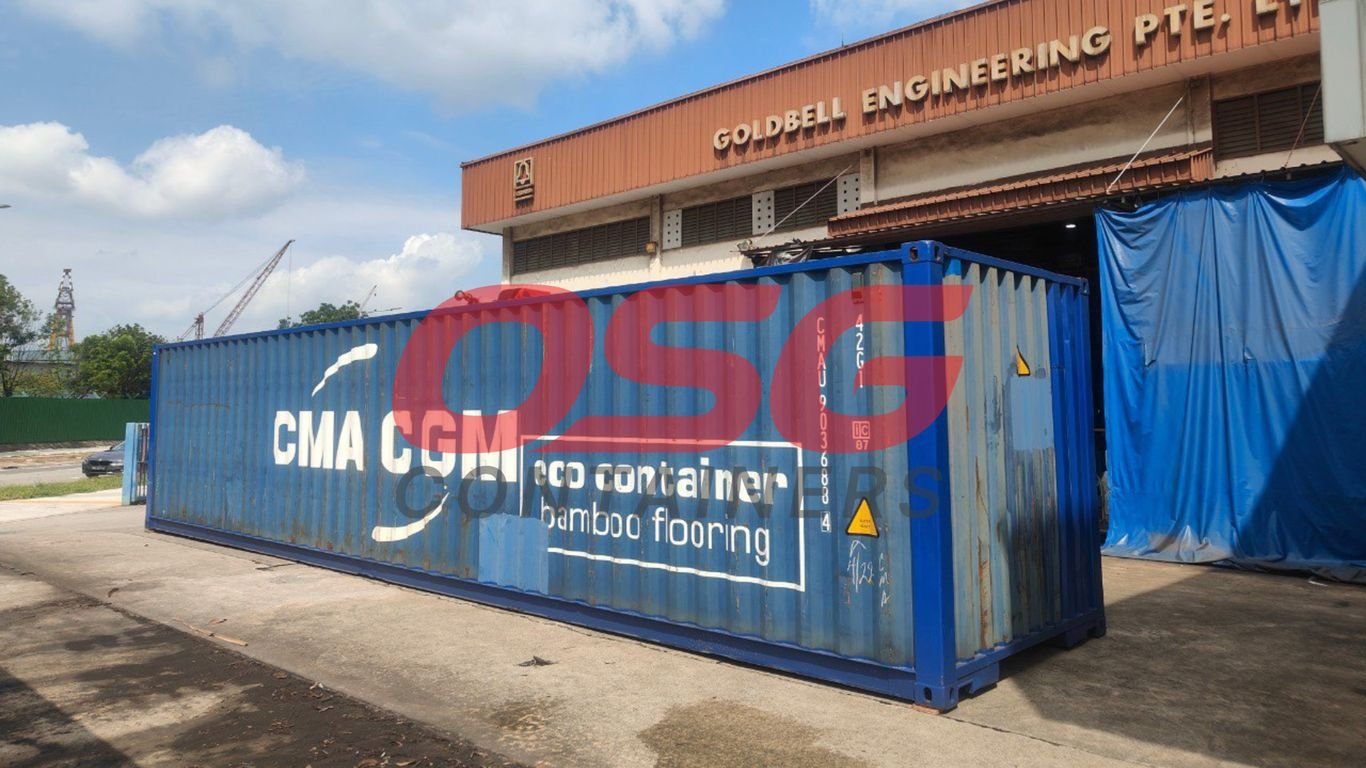
Ever wonder how all those products get from faraway places to your local store? It’s mostly thanks to these massive metal boxes you see on ships and trucks. They’re called ship containers, and they’re a pretty big deal for getting stuff all over the world. We’re going to break down what these containers are, the different kinds, and why they’re so important for global trade. You might even be surprised at some of the other ways people use them!
Key Takeaways
- Ship containers are standardized steel boxes that make moving goods globally much easier and safer.
- There are different types of containers, like standard dry ones, high cubes for bulky items, and refrigerated ones for food.
- These containers are used for more than just shipping; people use them for storage, building, and even pop-up shops.
- Containers follow international rules (ISO standards) to make sure they work everywhere and are safe.
- Knowing about container types, sizes, and rules helps businesses ship goods more efficiently and affordably.
Understanding The Role Of Ship Containers
What Defines An ISO Shipping Container?
Ever wonder how all those products get from factories far away to your local store? It’s mostly thanks to these big, metal boxes we call shipping containers. They’re not just random boxes; they’re built to a specific set of rules, known as ISO standards. This means they’re all pretty much the same size and have the same strong construction, no matter where they’re made or where they’re going. Think of them as the universal language of moving goods.
These containers are typically made of steel and are designed to handle rough journeys across oceans, on trains, and by truck. Their standardized design is a big deal because it means:
- Easy Stacking: They fit together neatly on ships, maximizing space.
- Quick Transfers: Moving them between a ship, train, or truck is fast and efficient.
- Cargo Protection: They keep your stuff safe from weather and prying hands.
The whole point is to make shipping as simple and safe as possible.
These standardized boxes are the reason we can get almost anything, from electronics to furniture, from anywhere in the world, without it costing an arm and a leg or arriving broken.
Why Ship Containers Are Essential To Global Trade
It’s hard to overstate just how important these containers are. Before they became common, shipping goods was a much slower, more complicated, and often more expensive process. Imagine having to load and unload every single item individually! Containers changed all that. They streamlined the whole operation, making it possible to move vast amounts of goods quickly and reliably.
Here’s a quick look at why they’re so vital:
- Speed: Loading and unloading ships is way faster now. This means ships spend less time docked and more time sailing, which speeds up delivery times.
- Safety: Goods are protected from the elements and theft inside a sealed container. This cuts down on damage and loss, saving businesses money.
- Flexibility: The same container can go on a ship, then a train, then a truck, all without unpacking the contents. This makes door-to-door shipping a reality.
Basically, containers are the workhorses that keep the wheels of global commerce turning. Without them, international trade as we know it just wouldn’t exist.
The Backbone Of Modern Logistics
When you think about how products get to you, it’s easy to forget the complex journey they take. Shipping containers are the quiet heroes of this process. They form the foundation of what we call modern logistics – the system that manages how goods are stored and moved. Their uniform size and strength allow for efficient handling at every step, from the factory floor to the port, across the sea, and finally to your local distribution center.
This standardization means that ports and transport companies can invest in specialized equipment, like cranes and forklifts, that are designed to handle these containers quickly. It’s this efficiency that allows businesses to ship goods across the globe at a reasonable cost. Without this standardized system, global supply chains would be far more fragile and expensive.
Consider this: In January 2025 alone, the world moved about 15.4 million twenty-foot equivalent units (TEUs) – that’s a measure of container volume. That’s a massive amount of stuff moving around, all thanks to these reliable steel boxes.
Exploring The Diverse Types Of Ship Containers
When you picture a shipping container, you’re probably thinking of the standard dry storage kind. These are the workhorses of global trade, but they’re just the beginning. The world of shipping containers is actually pretty varied, with different designs built to handle all sorts of cargo. Choosing the right type is key to making sure your goods get where they need to go without any fuss.
Standard Dry Storage Containers
These are your everyday, all-purpose containers. Made from tough steel, they’re designed for anything that doesn’t need special temperature control. Think electronics, furniture, clothes, or non-perishable food items. They come in common sizes like 20-foot and 40-foot lengths, and some have a bit of extra height for bulkier items.
- Protection: They’re fully enclosed, keeping your stuff safe from weather and theft.
- Durability: Built to handle rough seas and tough conditions.
- Versatility: Great for a huge range of dry goods.
High Cube Containers For Bulky Cargo
If you’ve got a lot of stuff that isn’t super heavy but takes up a lot of space, high cube containers are your friend. They’re basically standard containers but with an extra foot of height inside. This extra room can make a big difference when you’re shipping things like furniture, lightweight manufactured goods, or anything with a bit of volume.
Refrigerated Containers For Perishables
For anything that needs to stay cold – like fresh produce, medicines, or frozen foods – there are refrigerated containers, often called ‘reefers’. These units have their own built-in cooling systems that can maintain very specific temperatures, from freezing cold to just cool. They’re plugged in at the port, on the truck, or on the ship to keep the temperature steady.
- Temperature Control: Precise settings from -25°C to +25°C.
- Power Source: Can connect to power on ships, trucks, and at ports.
- Cargo Safety: Keeps perishable goods fresh and safe during transit.
Specialized Containers: Open Tops And Flat Racks
Sometimes, cargo just doesn’t fit neatly into a standard box. That’s where open-top and flat-rack containers come in.
- Open Tops: These have a removable tarp roof instead of a solid one. This makes it easy to load tall items from above using a crane, like large industrial machinery or engines.
- Flat Racks: These are like flatbeds. They have no sides or roof, just a base and ends that can sometimes fold down. They’re perfect for really big, heavy, or oddly shaped items that wouldn’t fit through a regular container door, such as construction equipment, vehicles, or large pipes.
There are also specialized containers like iso tank containers, which are essentially strong tanks built within a frame, designed specifically for transporting liquids and gases safely. They are built to strict international standards to handle everything from chemicals to beverages.
| Container Type | Primary Use | Key Feature |
|---|---|---|
| Standard Dry | General dry goods | Fully enclosed, weatherproof |
| High Cube | Bulky, lightweight items | Extra height for more volume |
| Refrigerated (Reefer) | Perishable goods | Built-in temperature control system |
| Open Top | Tall or awkwardly shaped items | Removable roof for top loading |
| Flat Rack | Oversized machinery, vehicles, pipes | Open sides and top for easy loading |
| Tank | Liquids, gases, chemicals | Stainless steel tank within protective frame |
Key Features And Dimensions Of Ship Containers
Standard Container Sizes Explained
When you picture a shipping container, you’re probably thinking of the standard dry storage type. These are the workhorses of global trade, built tough from steel to handle all sorts of non-perishable goods. They come in two main sizes: the 20-foot and the 40-foot. The 20-footer is handy for smaller loads, while the 40-footer gives you more space for bulkier items. Think of them as the shipping world’s equivalent of a standard box – reliable and versatile.
| Container Size | External Length (ft) | External Width (ft) | External Height (ft) | Approx. Volume (cu ft) |
|---|---|---|---|---|
| 20-foot | 20 | 8 | 8.5 | 1,169 |
| 40-foot | 40 | 8 | 8.5 | 2,385 |
The Advantage Of High Cube Variants
Now, what if you’ve got stuff that’s bulky but not super heavy? That’s where High Cube containers come in. They’re basically the same length and width as standard containers, but they’re about a foot taller. This extra height can make a big difference, giving you around 13% more space. It’s perfect for things like furniture or lightweight manufactured goods that take up a lot of room.
Durability And Weatherproof Design
No matter the type, these containers are built to last. They’re made from strong materials like Corten steel, which is designed to resist rust and corrosion, even when exposed to salty sea air and harsh weather. They have solid roofs, floors, and walls to keep your cargo safe from the elements, theft, and damage during transit. Even specialized units like the reefer refrigerated container, which needs to maintain a precise internal climate, are built with robust insulation and durable exteriors.
The design of shipping containers isn’t just about fitting more stuff in; it’s about making sure that stuff gets from point A to point B in the same condition it left. This means thinking about everything from how they stack on a ship to how they hold up against storms at sea.
- Weather Resistance: Built to handle rain, wind, and saltwater spray.
- Security: Solid construction deters theft and protects against external damage.
- Stackability: Designed to be safely stacked high on ships and in yards, optimizing space.
- Temperature Control: Specialized units, like the reefer refrigerated container, maintain specific internal temperatures.
Versatile Uses Beyond Global Shipping
You know, shipping containers are pretty amazing. We usually think of them just for hauling stuff across the ocean, right? But honestly, their usefulness goes way beyond just being on a boat. These big metal boxes are tough, they’re built to last, and they’re pretty much the same size everywhere, which makes them super handy for all sorts of things.
On-Site Storage and Warehousing Solutions
Need a place to stash extra inventory or tools? Instead of renting a warehouse or trying to cram things into an already full office, a shipping container can be a lifesaver. Lots of businesses, especially construction sites or places that have seasonal stock, use them for extra storage. They’re weatherproof, secure (you can lock them up tight), and you can just plop them down pretty much anywhere you have a bit of space. It’s a quick and easy way to get more room without a huge hassle.
- Construction Sites: Perfect for keeping tools, materials, and equipment safe and dry right where you need them.
- Retailers: Great for storing seasonal merchandise or overflow stock during busy periods.
- Schools and Institutions: Can be used for storing sports equipment, event supplies, or even as temporary archives.
These containers offer a practical, cost-effective alternative to traditional storage, providing immediate space solutions that can be deployed rapidly.
Modular Construction and Architectural Projects
This is where things get really interesting. Architects and builders have started using shipping containers as building blocks for all sorts of structures. Think homes, offices, cafes, even entire apartment buildings. They’re strong, they stack well, and because they’re standardized, it makes planning and construction a lot more straightforward. Plus, using them can be a more eco-friendly option, giving old containers a new life.
Innovative Applications: Pop-Up Shops and Shelters
Ever seen a cool little shop or a temporary cafe set up in a shipping container? It’s a trend that’s really taken off. They’re perfect for pop-up businesses because you can set them up pretty quickly and move them if needed. They also make great temporary shelters or event spaces. Imagine a concert venue needing extra ticket booths or a festival needing unique vendor stalls – containers fit the bill perfectly. They’re adaptable and can be customized to look pretty sharp, too.
Navigating Regulations And Ensuring Safety
Shipping goods across borders involves a lot of rules and safety checks. It’s not just about putting stuff in a box and sending it off. There are international standards to follow, and each container has its own ID. Plus, keeping track of your shipment and making sure it’s insured is a big deal.
International Standards And Compliance
When you’re shipping internationally, you’ve got to play by the rules. Different countries have their own sets of regulations for what can come in and how it needs to be packed. Not following these can lead to big headaches, like delays or even fines. It’s smart to look into the rules for both where you’re sending from and where it’s going. This covers things like what’s not allowed, any taxes or fees, and what paperwork you need.
The Importance Of Container Identification Codes
Every shipping container has a unique identification code. Think of it like a license plate for your container. This code is super important for tracking and managing containers throughout their journey. It helps everyone involved, from the shipping company to customs officials, know exactly which container is which.
Tracking, Safety, And Insurance Considerations
Knowing where your stuff is while it’s on the move is pretty important. Modern tech lets us track containers in real-time, which is great for peace of mind and making sure things arrive on time. To keep things safe, using good locks and seals is a must to stop anyone from messing with your cargo. And, of course, having insurance is a good idea. It’s there to help out if something unexpected happens, like damage or loss. Sometimes, even a simple guard house at a loading point can add an extra layer of security.
Staying on top of regulations and safety measures isn’t just about avoiding trouble; it’s about building trust and making sure your business runs smoothly. It shows you’re serious about getting your goods where they need to go, safely and correctly.
Wrapping It Up
So, there you have it. Those big metal boxes you see everywhere? They’re pretty important, right? They’re the workhorses of global trade, moving everything from your phone to your food across the planet. We’ve talked about the different kinds, from the basic dry boxes to the ones that keep things cold, and how they can even be used for homes or shops. It’s kind of amazing how these standardized containers make it all possible, letting stuff move easily between ships, trains, and trucks. Understanding them just gives you a better picture of how the world works and how we get the things we need. It’s not just about shipping; it’s about connecting economies and people.
Frequently Asked Questions
What exactly is an ISO shipping container?
An ISO shipping container is a big, strong metal box that follows specific rules set by an international group. These rules make sure the containers are all the same size and can be easily moved between ships, trains, and trucks all over the world. Think of them as universal building blocks for moving stuff.
Why are shipping containers so important for global trade?
Shipping containers are super important because they make moving goods around the world much easier, faster, and safer. They protect products from weather and theft, and because they fit perfectly onto ships, trains, and trucks, it saves a lot of time and money when goods need to travel long distances.
What’s the difference between a standard container and a ‘high cube’ container?
A standard container is like a regular box. A ‘high cube’ container is the same length and width, but it’s a bit taller. This extra height is great for shipping things that are bulky but not too heavy, or when you need to stack more items inside.
Can shipping containers be used for things other than shipping goods overseas?
Yes, absolutely! People use shipping containers for all sorts of things. They can be turned into pop-up shops, extra storage units on construction sites, temporary homes, or even classrooms. Their tough, weather-proof design makes them very versatile.
How do I know which type of container to use for my shipment?
Choosing the right container depends on what you’re shipping. If it’s regular stuff that doesn’t need special temperature control, a standard dry container works. For food or medicine that needs to stay cold, you’d use a refrigerated container. For really big items, you might need an open-top or flat-rack container.
How can I track my shipment and ensure it’s safe?
Many shipping containers have special tracking codes so you can see where they are in real-time. To keep your cargo safe, make sure the container is properly sealed and locked. It’s also a good idea to have insurance in case anything unexpected happens during the journey.