Singapore
 Australia
 Indonesia
 Japan
Japan Malaysia
 New Zealand
 Philippines
 South Korea
 Taiwan
 Thailand
 VIETNAM
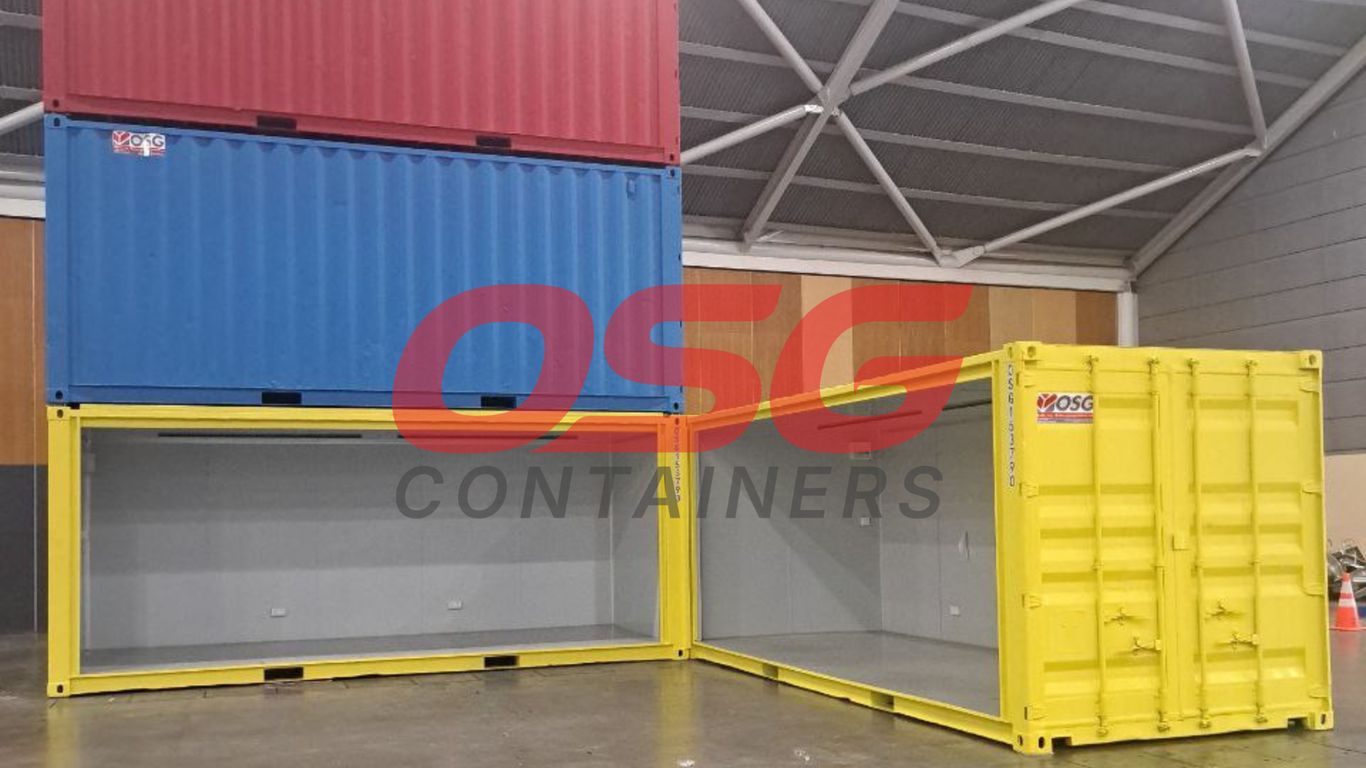
You know, it’s easy to just see those big metal boxes stacked up on ships or trains and not think much about them. But these ship containers? They’re basically the unsung heroes of pretty much all the stuff we buy and use every day. Without them, getting goods from where they’re made to where we are would be a total mess, way slower, and a lot more expensive. They’ve really changed the game for how the world trades, making things move faster and cheaper than ever before.
Key Takeaways
- Ship containers, pioneered by Malcolm McLean, revolutionized trade by allowing goods to be moved between ships, trains, and trucks without constant unloading and reloading.
- Standardized sizes, like the 20-foot and 40-foot containers, mean they fit on all sorts of global transport equipment, making international trade much smoother and cheaper.
- These containers significantly cut down on costs by reducing labor, damage, and theft, while also speeding up the entire shipping process.
- Modern ‘smart’ ship containers use technology like GPS and sensors to provide real-time tracking and monitoring, giving businesses better visibility into their supply chains.
- Beyond general cargo, specialized ship containers handle everything from frozen foods to oversized equipment, and their durability allows for repurposing, contributing to economic and environmental benefits.
The Evolution Of Ship Containers
Malcolm McLean’s Intermodal Innovation
Before the 1950s, shipping goods was a real hassle. Imagine workers hauling individual boxes, barrels, and crates onto ships by hand or with basic cranes. It was slow, expensive, and a lot of stuff got damaged or went missing. Then, a guy named Malcolm McLean had a game-changing idea. He thought, "Why not just put the whole truck trailer, or at least the cargo box, onto the ship?" This simple concept of putting goods into standardized boxes that could easily move between trucks, trains, and ships is what kicked off the container revolution. In 1956, his ship, the Ideal X, made its first voyage carrying 58 of these containers. It wasn’t a huge load by today’s standards, but it proved the idea worked and was way more efficient.
Standardization For Global Interoperability
McLean’s idea was brilliant, but for it to really take off globally, everyone needed to agree on sizes and how these containers would work. Early on, there were all sorts of different box shapes and sizes, which kind of defeated the purpose of easy transfer. The real magic happened in the 1960s when international standards started getting hammered out. The International Organization for Standardization (ISO) stepped in and defined the common sizes we still see today, like the 20-foot (TEU) and 40-foot (FEU) containers. This agreement meant that a container packed in one country could be loaded onto any compatible ship, train, or truck anywhere in the world without a second thought. It was like creating a universal language for cargo.
| Container Size | Common Name | Approximate Volume |
|---|---|---|
| 20′ x 8′ x 8.5′ | 20-foot Standard | 1,170 cubic feet |
| 40′ x 8′ x 8.5′ | 40-foot Standard | 2,390 cubic feet |
From Simple Boxes To Advanced Designs
What started as basic steel boxes has actually gotten pretty sophisticated. Initially, the focus was just on making them strong enough to withstand the journey and easy to stack. But as technology advanced, so did the containers themselves. We now have specialized containers designed for specific types of cargo. Think about refrigerated containers, or ‘reefers,’ that keep food and medicine at precise temperatures, or tanks for liquids. More recently, the trend is towards ‘smart’ containers equipped with sensors and GPS. These advanced containers can tell us their location, monitor internal conditions like temperature and humidity, and even alert us if they’ve been tampered with. It’s a far cry from those first simple boxes McLean put on his ship.
The shift to containerization wasn’t just about changing ships; it forced a massive overhaul of port infrastructure. Suddenly, ports needed huge cranes capable of lifting these heavy boxes, vast areas to store them, and better connections to road and rail networks. This led to the development of massive, specialized container terminals and changed the geography of global trade, with some ports becoming major hubs while others struggled to adapt.
Ship Containers: The Backbone Of Global Trade
It’s pretty wild to think about, but those big metal boxes you see stacked on ships, trains, and trucks are pretty much what keeps the world economy humming. Without the humble shipping container, getting products from where they’re made to where we are would be a chaotic, slow, and way more expensive ordeal. They’ve truly changed how countries trade with each other.
Streamlining International Commerce
Before standardized shipping containers became the norm, moving goods internationally was a real headache. Imagine dockworkers manually loading and unloading individual crates, barrels, and sacks. It was slow, prone to damage, and theft was a constant worry. This manual process was a major bottleneck for global trade. The introduction of the shipping container changed all that. Now, a product can be loaded at a factory, sealed up, and travel across oceans and continents without being touched again until it reaches its final destination. This drastically cut down on handling costs, reduced losses, and sped up delivery times.
- Reduced handling time: Goods are loaded once and unloaded once.
- Lower labor costs: Less manual labor is needed for loading and unloading.
- Minimized damage and theft: Sealed containers offer better protection.
Enabling Just-In-Time Inventory Management
This efficiency has had a massive impact on how businesses manage their stock. Companies can now rely on predictable and faster delivery schedules. This means they don’t need to keep huge amounts of inventory sitting around in warehouses, which ties up a lot of money. Instead, they can order parts or products to arrive just when they’re needed for production or sale. This ‘just-in-time’ approach saves businesses money on storage and reduces waste.
The ability to move goods reliably and quickly between different transport modes is what makes modern supply chains possible. It’s the consistency of the shipping container that allows for this predictability.
Facilitating Cross-Continental Goods Flow
Think about all the stuff you use daily – your phone, your clothes, the food in your fridge. Chances are, most of it has traveled thousands of miles in a shipping container. These standardized boxes are designed to fit onto specialized ships, trains, and trucks, making it easy to switch between them. This intermodal capability is key. It means a product can start its journey on a truck, get loaded onto a train, then onto a massive container ship, and finally onto another truck, all without the contents being repacked. This makes moving goods across continents not just possible, but also efficient and cost-effective. The most common sizes you’ll see are the 20-foot and 40-foot containers, often referred to as TEUs (Twenty-foot Equivalent Units) and FEUs (Forty-foot Equivalent Units) respectively.
Operational Advantages Of Ship Containers
Enhanced Efficiency Through Intermodal Transfer
The real magic of shipping containers lies in how easily they can switch between different modes of transport. Imagine a product leaving a factory in China. It gets loaded into a container, which is then put on a truck to reach a port. From there, it’s loaded onto a massive ship. Once it arrives in, say, Los Angeles, that same container can be transferred to a train, and then finally to a truck for delivery to its final destination. This whole process, called intermodal transport, means the goods inside the container aren’t touched between these transfers. This drastically cuts down on the time and labor needed compared to the old way of loading and unloading individual items. It’s like having a universal luggage system for global commerce.
- Simplified Loading and Unloading: Standardized equipment can handle any container, regardless of its contents.
- Reduced Handling Time: Goods stay packed, avoiding the need for repeated unpacking and repacking.
- Faster Transit: Less time spent at ports and transfer points means quicker delivery.
- Predictable Operations: The consistent nature of container handling makes logistics planning more reliable.
Significant Cost Reductions In Logistics
Because containers make things so much faster and require less manual work, they naturally bring down costs. Think about it: fewer dockworkers are needed, and the time ships spend waiting at ports is minimized. This efficiency translates directly into savings. Plus, the reduced risk of damage or theft means businesses don’t have to factor in as much loss. It’s a big reason why global trade has become so much more affordable over the past few decades.
| Cost Area | Pre-Containerization | With Containers | Savings Potential |
|---|---|---|---|
| Labor (Loading/Unloading) | High | Low | Significant |
| Transit Time | Long | Shorter | High |
| Damage/Theft | Moderate to High | Low | Moderate |
| Inventory Holding | High | Lower | Moderate |
Improved Cargo Security And Reduced Damage
Once a container is sealed at its point of origin, it typically remains sealed until it reaches its final destination. This sealed environment offers a strong defense against theft and tampering. Furthermore, the reduced number of times cargo is handled during transit significantly lowers the chances of it being dropped, bumped, or otherwise damaged. For businesses shipping anything from delicate electronics to fragile consumer goods, this level of security and protection is a major benefit, giving them peace of mind.
The standardization of containers means that the same sturdy metal box protects goods from the elements and potential pilfering throughout its entire journey, from factory floor to final doorstep. This built-in security is a game-changer for reducing losses and ensuring goods arrive in good condition.
Technological Advancements In Ship Containers
The Rise Of Smart Containers With IoT
These aren’t your grandpa’s metal boxes anymore. Today’s shipping containers are getting seriously high-tech. We’re talking about containers that can talk to us, letting us know what’s going on inside and where they are. The big game-changer here is the Internet of Things (IoT). By embedding sensors and communication devices, these containers become ‘smart’. This means they can send back all sorts of useful information, making the whole shipping process way more transparent.
Real-Time Tracking And Monitoring Capabilities
Gone are the days of just hoping your shipment is on its way. Smart containers come equipped with GPS trackers, allowing for precise location data. But it doesn’t stop there. Sensors can monitor critical conditions like temperature, humidity, and even shock or tilt. This is especially important for sensitive goods, like pharmaceuticals or certain foods. If a temperature goes out of the desired range, or if a container is dropped, an alert can be sent immediately. This proactive approach helps prevent spoilage or damage before it becomes a major problem. Even specialized containers, like those used for liquids (think iso tank containers), can have sensors to monitor fill levels and pressure.
Data Integration For Supply Chain Visibility
All this data from smart containers isn’t just sitting there. It’s being fed into sophisticated software systems. This integration provides a bird’s-eye view of the entire supply chain. Companies can see exactly where their goods are, what condition they’re in, and when they’re expected to arrive. This level of visibility helps in planning, reduces delays, and allows for quicker responses to any issues that pop up.
Here’s a look at some common monitoring features:
- Location Tracking: Real-time GPS data.
- Environmental Monitoring: Temperature, humidity, light exposure.
- Security Alerts: Door open/close status, tamper detection.
- Condition Monitoring: Shock, tilt, vibration sensors.
The ability to track and monitor cargo in real-time transforms logistics from a reactive process to a proactive one. It means fewer surprises and a much smoother flow of goods across the globe.
Diverse Applications Of Ship Containers
Standard Dry Containers For General Cargo
These are the most common containers you’ll see, like the standard metal boxes. They’re built tough and are perfect for shipping most kinds of goods that aren’t liquid or perishable. Think electronics, clothing, furniture, or manufactured parts. They come in standard sizes, usually 20-foot or 40-foot long, which makes them easy to stack on ships, trains, and trucks. When a company needs to move a big batch of products from a factory overseas, these dry containers are usually the go-to choice. They get sealed up at the source and don’t get opened until they reach their final stop, cutting down on handling and the chance of damage.
Specialized Containers For Perishables
Not everything fits into a plain old box, especially if it needs to stay at a certain temperature. That’s where refrigerated containers, or ‘reefers,’ come in. These have built-in cooling systems to keep things like fruits, vegetables, medicines, or even certain chemicals at a precise temperature. This is super important to stop spoilage and keep the quality intact during long journeys. Without these, a lot of the food we eat wouldn’t make it from where it’s grown to our plates.
Handling Oversized And Unique Shipments
Sometimes, cargo just doesn’t fit into a standard container. For really large items, like heavy machinery, construction equipment, or even boats, companies use specialized containers. These might include:
- Open-Top Containers: These are like dry containers but without a roof. This allows for loading large items from the top, which is handy for tall equipment.
- Flat Rack Containers: These have no side or top walls, just a base and end walls. They’re great for oversized items that need to be loaded from the side or top, or for things like vehicles and large industrial parts.
- Tank Containers: Used for liquids, gases, and powders. They are essentially a tank built within a standard frame.
For businesses that don’t need to own these specialized units regularly, options like container renting are readily available, providing flexibility for specific shipping needs.
The ability to adapt container designs for different types of cargo is a key reason why they are so effective. It means that almost anything can be shipped globally, making international trade much more accessible for a wider range of industries and products. This flexibility is a big part of why global supply chains work as well as they do today.
These different container types allow for the transport of almost anything, from delicate food items to massive industrial components, making the global supply chain incredibly versatile.
Sustainability And Economic Impact Of Ship Containers
Environmental Benefits Of Intermodal Transport
Shipping containers have really changed how we move stuff around the planet, and honestly, they’ve done a lot for the environment too. Think about it: instead of lots of individual trucks or trains making separate trips, a single massive ship can carry thousands of containers. This means fewer ships, trucks, and trains on the road and sea, which cuts down on fuel use and, you guessed it, pollution. This shift to fewer, larger transport units is a big win for reducing our carbon footprint. It’s not just about fewer emissions, though. The whole process of loading and unloading is way more efficient now. Stuff doesn’t need to be repacked as often, which saves energy and reduces waste from packaging materials. It’s a domino effect of good for the planet.
Economic Advantages And Cost Savings
Let’s talk money. Containers are a huge reason why shipping goods across the world is so much cheaper than it used to be. Because they’re standardized, they can be moved easily between ships, trains, and trucks without a lot of fuss. This means less labor, less time, and less chance of things getting damaged or stolen. When you add it all up, the cost savings are pretty significant for businesses. This makes international trade more accessible, even for smaller companies. It’s like they’ve leveled the playing field a bit.
Here’s a quick look at how costs can add up:
| Cost Area | Pre-Container Era | With Containers | Savings |
|---|---|---|---|
| Loading/Unloading | High | Low | High |
| Repacking | Frequent | Rare | High |
| Damage/Theft | Significant | Low | High |
| Transit Time | Long | Shorter | Medium |
Repurposing And Recycling Ship Containers
What happens to a container when it’s done its job at sea? Well, they’re built tough, made of strong steel, so they don’t just get thrown away. A lot of them get a second life. People are using them for all sorts of things – think pop-up shops, extra storage, even as parts of buildings. This repurposing is great because it means we’re not constantly making new ones from scratch, which saves resources and energy. And for the ones that are truly at the end of their road, they get recycled. This process recovers valuable materials, keeping them out of landfills and feeding back into the economy. It’s a pretty smart way to handle these big metal boxes.
The lifecycle of a shipping container doesn’t just end when it’s no longer fit for ocean travel. Their robust construction allows for a wide range of secondary uses, from simple storage solutions to more complex architectural projects. This adaptability significantly reduces the demand for new materials and minimizes waste, contributing to a more circular economy within the logistics and construction sectors.
Wrapping It Up
So, looking back, it’s pretty clear these metal boxes have totally changed how we move stuff around the world. Before containers, shipping was a real headache, slow and risky. Now, things are way faster and cheaper. They let goods hop between ships, trains, and trucks without being messed with, which saves a ton of time and hassle. Plus, with new tech coming out, like smart containers that tell you where they are, things are only getting better. It’s kind of amazing how something so simple has made global trade so much smoother and more affordable for everyone.
Frequently Asked Questions
What exactly is a shipping container and why is it important?
A shipping container is basically a big, strong metal box used to hold goods. It’s super important because it makes moving stuff all over the world much easier, faster, and cheaper. Before containers, sending goods was a big hassle, but now they can be easily moved between ships, trains, and trucks without unpacking.
Who invented the shipping container?
The idea for the modern shipping container came from a man named Malcolm McLean. He was a truck company owner who figured out a way to make a standard metal box that could be moved between different types of transport, like ships and trucks, without having to unload the items inside. He introduced his first container back in 1956.
How do containers help save money and time?
Containers save money and time because goods are loaded only once and then travel in the same box. This means less work for people loading and unloading, fewer chances for things to get broken or stolen, and quicker trips. It’s much faster to move a whole container than to handle individual items.
Are all shipping containers the same size?
Not exactly, but they do follow international standards, mostly in 20-foot and 40-foot lengths. This standardization is key because it means they fit onto all sorts of ships, trains, and trucks worldwide. There are also special containers for things like food that needs to stay cold.
What are ‘smart containers’?
Smart containers are regular shipping containers with added technology, like GPS trackers and sensors. These gadgets can tell you where the container is, the temperature inside, and if anyone has tried to open it. This helps companies keep a close eye on their shipments and know if there’s a problem right away.
How do shipping containers help the environment?
Shipping containers help the environment mainly by making transport more efficient. When goods are moved by train or ship, it usually creates less pollution than if they were all moved by trucks. Also, by making shipping faster and more direct, it can help save fuel.