Singapore
 Australia
 Indonesia
 Japan
Japan Malaysia
 New Zealand
 Philippines
 South Korea
 Taiwan
 Thailand
 VIETNAM
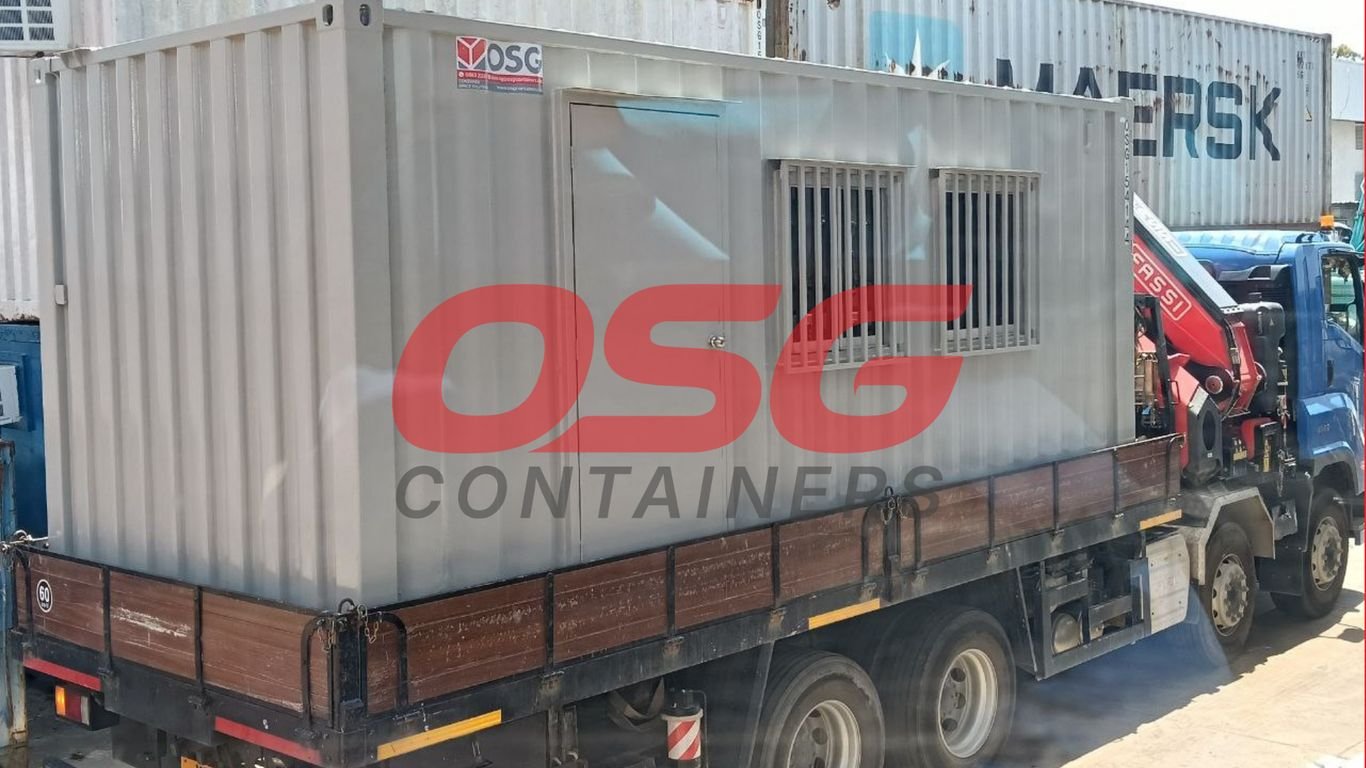
So, you need a shipping container. Maybe for storing stuff, maybe for moving things around, or perhaps a whole project. The big question is: do you rent one or buy one? It sounds simple, but there’s a lot to think about. Renting a container seems easy at first, especially if you don’t need it for too long. But then you start adding up those monthly payments, and things can get complicated. Owning one means a bigger hit upfront, but it might save you cash down the road. Let’s break down what makes the most sense for your situation.
Key Takeaways
- Renting a container is great for short-term needs or when you’re not sure how long you’ll need it. It means less money out of your pocket right away.
- If you plan to use a container for a year or more, buying it usually makes more financial sense. Those monthly rental fees can really add up over time.
- When you rent, the company usually handles the upkeep. If you buy, you’re on the hook for any repairs or maintenance.
- Want to change the container, like add a window or paint it? Owning gives you that freedom. Rentals often have strict rules about what you can and can’t do.
- Think about your project’s timeline and how often you’ll use the container. This is the biggest factor in deciding if renting a container or buying is the better move.
Understanding Your Container Needs
Before you even start thinking about whether to rent or buy, the first step is to really figure out what you need a container for. It sounds simple, but getting this right saves a lot of headaches and money down the road. Think about it like this: you wouldn’t buy a truck if you only ever needed to haul a few bags of groceries, right? Same idea applies here.
Evaluating Usage Frequency and Duration
How often will you actually use this container? Is it going to sit in one spot for years, or will it be moved around a lot? And for how long do you need it? A few months for a specific project? A year or two? Or is this a long-term fixture for your business?
- Short-term projects (under 6 months): Renting is often the way to go. You get what you need without a big commitment.
- Medium-term needs (6 months to 2 years): This is where it gets tricky. You need to start comparing rental costs against buying.
- Long-term use (2+ years): Owning usually makes more financial sense.
Assessing Long-Term Storage and Transportation Requirements
What exactly are you storing or transporting? If it’s just general storage, a standard container might be fine. But if you’re moving sensitive equipment or need specific environmental controls, that changes things. For example, if you need a 40 high q container for extra vertical space, you’ll want to know if that’s readily available for rent or if buying gives you more options for specialized units.
Consider:
- What’s going inside? (Size, weight, fragility, temperature sensitivity)
- How often will it be accessed? (Frequent access might mean needing a more convenient location or setup)
- Will it need to be moved? (Transportation adds costs and complexity, whether you rent or own)
Figuring out the exact purpose and how often you’ll interact with the container is key. Don’t guess; try to get a clear picture of your operational flow.
Determining Project Longevity
This ties back to usage duration, but it’s worth its own point. If your project has a definite end date, renting is usually the simpler choice. If your needs are ongoing or likely to expand, owning might offer more control and better value over time. It’s about matching the container solution to the lifespan of your business need.
Financial Considerations: Rent vs. Buy
When you’re looking at getting a shipping container, the money side of things is a big deal. It’s not just about the sticker price; you’ve got to think about what makes the most sense for your wallet, both now and down the road. Renting often seems easier at first because you don’t have to drop a huge chunk of cash all at once. But those monthly payments? They can really add up, especially if your project takes longer than you thought. Owning means a bigger upfront cost, sure, but you get rid of those recurring bills. Still, you’ve got to factor in things like maintenance, insurance, and where you’ll keep it if it’s not in use. Figuring out the total cost over the time you’ll need the container is key to making the right financial choice.
Analyzing Upfront Costs and Initial Investment
When you rent, your initial investment is pretty low. You’re usually just paying for the first month’s rent and maybe a deposit. It’s a good way to get started without a major financial commitment. Buying, on the other hand, requires a significant upfront payment. You’ll pay the full purchase price of the container, plus any delivery fees. This can be a hurdle if your budget is tight, but it means you own an asset from day one.
Comparing Cumulative Rental Fees to Purchase Price
This is where things get interesting over time. Let’s say a container costs $3,000 to buy. If you rent a similar container for $150 a month, after 20 months, you’ve spent $3,000 on rent alone. At that point, you’ve essentially paid for the container without owning it. If your project is going to last longer than that, buying starts to look like the smarter financial move. It’s always a good idea to do a quick calculation: multiply the monthly rental cost by the number of months you expect to need it and compare that to the purchase price.
| Scenario | Monthly Cost | Total Cost (12 Months) | Total Cost (24 Months) |
|---|---|---|---|
| Renting | $150 | $1,800 | $3,600 |
| Buying (Purchase) | N/A | $3,000 (Initial) | $3,000 (Initial) |
Evaluating Potential Resale Value of Owned Containers
One of the nice things about buying is that your container doesn’t just disappear in value once you’re done with it. Depending on its condition and the market, you might be able to sell it later. This can help offset your initial purchase cost. Rental companies don’t offer this benefit; once you stop paying rent, you just give the container back. So, if you think you might want to recoup some of your investment down the line, owning is the way to go.
Understanding Long-Term Cost-Effectiveness
Ultimately, the most cost-effective option depends on how long you need the container. For short-term needs, like a few months for a specific project, renting is usually cheaper. You avoid the large upfront cost and can simply return the container when you’re finished. However, if you anticipate needing the container for a year or more, the cumulative rental fees will likely surpass the purchase price. In these longer-term scenarios, buying becomes more economical. It’s about looking at the total picture, not just the immediate expense.
When you’re crunching the numbers, don’t forget to factor in potential hidden costs. Rental agreements can sometimes come with fees for damage, late returns, or even specific types of usage. Owning means you’re responsible for all upkeep, but you generally have more control over what those costs will be and when they occur.
Flexibility and Adaptability
When you’re figuring out container needs, sometimes things change. Projects shift, demand goes up or down, and you might need more space one month and less the next. This is where flexibility really comes into play.
The Advantages of Renting for Short-Term Needs
Renting a container is often the go-to for temporary situations. Think about a construction project that’s only going to last six months, or a retail business needing extra stock space during the holiday rush. Renting lets you get what you need for just that period. You avoid the big upfront cost of buying, and when the job is done, you just hand it back. It’s pretty straightforward and keeps your capital free for other things.
- Quick Deployment: Rental companies usually have containers ready to go, so you can get one delivered pretty fast if you’re in a pinch.
- No Long-Term Commitment: Perfect for projects with an uncertain end date or seasonal needs.
- Budget-Friendly Start: Lower initial outlay compared to purchasing.
Scaling Container Needs Up or Down
This is a big one for businesses that aren’t always running at the same pace. If your business suddenly gets a huge order, you might need two extra containers next week. With renting, you can often just call up your provider and arrange for more units. Conversely, if things slow down, you can return the excess containers without being stuck with them. It’s like having a flexible storage solution that grows or shrinks with your business.
| Scenario | Renting Advantage |
|---|---|
| Sudden Demand Increase | Easily add more containers |
| Slowdown | Return unneeded containers to save costs |
| Project Completion | No leftover assets to manage or store |
Adapting to Changing Project Demands
Projects rarely go exactly as planned, right? You might start a build and realize you need a different size container, or maybe you need to move it to a new site more often than you thought. Renting gives you that wiggle room. If your needs change significantly, you can often swap out a container for a different size or type, or simply end the rental and find a new solution. This ability to pivot without being tied down to a depreciating asset is a major plus for many operations.
When you rent, you’re essentially paying for access to a resource when you need it. This model is particularly beneficial if your operational tempo fluctuates or if you’re testing new waters with container usage. It removes the risk of over-investing in equipment that might become redundant.
Owning a container means you’re committed to that specific unit. While you can modify it, changing your mind later or needing a completely different setup can be a hassle. Renting, on the other hand, allows you to adapt more readily to the unpredictable nature of many business environments.
Customization and Control
When you’re looking at containers, how much you can change them is a big deal. It really depends on whether you’re renting or buying.
Modifying Owned Containers for Specific Applications
If you own a container, it’s pretty much yours to do with as you please. This is where you get total freedom to make it fit your exact needs. Need to add extra doors for better access? Go for it. Want to install insulation for temperature control, or cut out windows for natural light? No problem. You can turn a standard container into a workshop, an office, a storage unit with custom shelving, or even a small retail space. Think of it like owning a house – you can renovate it to your heart’s content. This level of control is fantastic for long-term projects or when you have a very specific use in mind that a standard container just won’t cover.
Limitations on Customizing Rental Containers
Now, renting is a different story. Rental companies usually want their containers to stay pretty much as they are. They might let you do some minor things, like maybe adding a lock or a simple sign, but anything more significant usually isn’t allowed. If you need to cut into the metal, add complex fixtures, or make structural changes, you’ll likely run into issues. Often, these modifications come with extra fees, and you might even have to return the container to its original state before you give it back. It can feel pretty restrictive if your project requires a unique setup.
Achieving Tailored Solutions Through Ownership
Ultimately, if you need a container that’s perfectly suited to a specific, ongoing task, owning is the way to go. You can plan out all the modifications from the start, knowing you have the full authority to implement them. This allows for a truly tailored solution that can boost efficiency and functionality for your operations. For example, a construction company might buy a container and outfit it with specialized tool racks and a workbench, creating a mobile site office and storage hub that’s exactly how they need it.
Owning a container means you’re not limited by someone else’s rules or standard configurations. You can adapt it over time as your needs evolve, ensuring it remains a useful asset for years to come.
Maintenance and Responsibility
When you’re figuring out whether to rent or buy a shipping container, thinking about who fixes it when something goes wrong is a big deal. It’s not the most exciting part, but it can save you a lot of headaches and money down the road.
Rental Company’s Role in Container Upkeep
If you go the rental route, the good news is that the rental company usually takes care of most of the maintenance. This means you don’t have to worry about unexpected repair bills or scheduling regular check-ups. They’re the ones responsible for making sure the container is in good shape, whether it’s fixing a dent, patching a leak, or just giving it a clean. It’s kind of like leasing a car – the dealership handles the major servicing.
- Reduced personal hassle: You don’t need to find mechanics or parts.
- Predictable costs: Your rental fee typically covers upkeep.
- Container availability: They ensure their fleet is in working order.
Owner’s Responsibility for Maintenance and Repairs
Now, if you own the container, it’s all on you. That means you’re the one who needs to keep an eye on it, fix it when it breaks, and make sure it’s safe and sound. This can include everything from rust patches and door repairs to making sure it’s still structurally sound, especially if it’s been through some rough weather or heavy use. You’re also responsible for keeping it clean and presentable if that matters for your use case.
Budgeting for Ongoing Container Care
Owning a container means you’ve got to set aside some cash for upkeep. It’s not a one-time purchase and then you’re done. Think about:
- Routine inspections: Checking for wear and tear.
- Minor repairs: Fixing small issues before they become big ones.
- Preventative measures: Like painting to prevent rust or reinforcing weak spots.
- Cleaning and upkeep: Depending on its use, this could be regular.
Owning a container means you’re the boss, but that also means you’re on the hook for everything that happens to it. It’s a trade-off between control and responsibility. You get to decide exactly how it’s maintained, but you also have to pay for it and manage it yourself.
Here’s a quick look at who handles what:
| Aspect | Rental Company Responsibility | Owner Responsibility |
|---|---|---|
| Major Repairs | Yes | No |
| Routine Checks | Yes | Yes |
| Minor Fixes | Usually | Yes |
| Cleaning | Often | Yes |
| Weather Damage | Yes | No |
| Modifications | No (usually) | Yes |
Hidden Costs and Contractual Obligations
When you’re looking at renting a shipping container, it’s easy to get caught up in the monthly fee. It seems straightforward, right? But like a lot of things, there’s more to it than meets the eye. Rental agreements can sometimes feel like a maze, and there are definitely some extra costs that can pop up if you’re not careful.
Potential Fees Associated with Renting
Beyond the basic rental rate, there are a few other charges you might run into. These aren’t always advertised upfront, so it’s good to know what to look out for. Think about things like:
- Delivery and Pickup Fees: Getting the container to your site and taking it away usually isn’t free. These charges can vary based on distance and how quickly you need it.
- Damage Waivers or Insurance: Some companies require you to pay for a damage waiver or insurance. This covers accidental damage, but it’s an added cost each month.
- Cleaning Fees: If the container isn’t returned in a reasonably clean condition, you might be charged for cleaning.
- Late Return Penalties: If you keep the container longer than agreed upon, expect to pay extra, often at a higher daily or weekly rate.
- Modification Fees: If you even think about making changes, like adding a lock or a special vent, there might be a fee for that, and they’ll likely want it returned to its original state.
Understanding Rental Agreement Restrictions
Rental contracts are where things can get a bit tricky. They’re designed to protect the rental company, and sometimes those terms can limit what you can do. It’s super important to read the fine print before you sign anything.
Here are some common restrictions:
- Usage Limitations: The agreement might specify what you can and cannot store in the container. Using it for something not listed could be a violation.
- Modification Restrictions: As mentioned, you usually can’t make significant changes. Adding windows, insulation, or custom shelving is typically off-limits without explicit permission, which is rarely granted.
- Geographic Limitations: Some agreements might restrict where you can move or store the container, especially if it’s going to be on a long-term site.
- Subletting: You generally can’t rent out the container to someone else.
The biggest pitfall with rental agreements is assuming they’re flexible. They’re usually not. What seems like a minor detail in the contract can become a major headache if you overlook it. Always clarify anything you’re unsure about before committing.
Avoiding Unexpected Expenses with Ownership
When you own a container, you bypass a lot of these hidden fees and restrictions. The upfront cost is higher, sure, but you gain control. You don’t have to worry about late fees, damage waivers, or getting penalized for minor wear and tear that’s just part of using it. Maintenance is your responsibility, but you can budget for it and do it on your own terms. Plus, you can modify it however you need, which often ends up being more cost-effective in the long run than paying rental fees and dealing with contract limitations for an extended period.
Strategic Decision-Making for Container Usage
So, you’ve looked at the costs, the flexibility, and who’s doing the fixing. Now it’s time to put it all together and figure out what actually makes sense for your business. It’s not just about picking a container; it’s about picking the right container strategy.
Matching Container Choice to Project Timeline
This is probably the biggest factor. If you’ve got a project that’s going to wrap up in, say, six months, renting a 20 ft sea container is likely your best bet. You get the space you need without being stuck with a big purchase you won’t use later. Think of it like renting a tool for a specific job – you use it, you return it. On the other hand, if you know you’ll need a cargo container on-site for the next five years, buying starts to look a lot more appealing. The monthly rental fees would quickly outpace the cost of ownership, especially if you’re looking at multiple units or a longer duration.
Considering a Hybrid Rent-to-Own Approach
Sometimes, you’re not entirely sure how long you’ll need something. Maybe your project has a lot of unknowns, or your business is growing rapidly. In these situations, a rent-to-own option can be a lifesaver. You start by renting, which keeps your initial outlay low and gives you flexibility. If you decide you want to keep the container long-term, a portion of your rental payments can go towards the purchase price. This way, you’re not locked into a purchase you might regret, but you also have a clear path to ownership if it becomes the right move. It’s a good middle ground, especially if you’re sourcing containers from places like container singapore suppliers who might offer such plans.
Making the Optimal Choice for Your Operations
Ultimately, the best decision comes down to a clear-eyed look at your specific situation. Ask yourself:
- What’s the absolute shortest and longest I might need this container?
- Do I anticipate needing to modify the container significantly?
- What’s my budget for upfront costs versus ongoing expenses?
- How much hassle am I willing to deal with regarding maintenance and repairs?
Don’t get caught up in just the sticker price. A cheap rental might end up costing you more over time if you need it for longer than planned. Conversely, buying a container might seem like a big expense now, but it could save you a substantial amount of money and give you more control in the long run. It’s all about balancing immediate needs with future possibilities.
Here’s a quick way to compare:
| Factor | Renting | Buying |
|---|---|---|
| Upfront Cost | Low | High |
| Long-Term Cost | Can be high (cumulative fees) | Lower (after initial investment) |
| Flexibility | High (easy to return) | Low (stuck with it) |
| Customization | Limited | High (you can do what you want) |
| Maintenance | Usually covered by rental company | Your responsibility |
| Best For | Short-term projects, fluctuating needs | Long-term use, stable needs, customization |
So, Rent or Buy? The Final Word
Alright, so we’ve gone over the ins and outs of renting versus buying shipping containers. It really comes down to what you need right now and what you see yourself needing down the road. If you’ve got a short-term project or just need some temporary storage, renting is probably your best bet. It keeps your upfront costs low and gives you flexibility if things change. But if you’re looking at using a container for a year or more, or if you plan to really make it your own with custom features, buying might actually save you money in the long run. Plus, you get that sweet freedom to modify it however you like. Think about your timeline, your budget, and how much control you want. No matter which way you go, making the right choice means less stress and more focus on getting your actual work done.
Frequently Asked Questions
When is it better to rent a shipping container?
Renting a shipping container is a great idea if you only need it for a short time, like a few weeks or months. It’s also good if you’re not sure how long you’ll need it and want to keep your options open. Renting means you don’t have to pay a lot upfront, and the rental company usually takes care of any repairs.
Why might buying a shipping container be a better choice?
Buying a shipping container makes more sense if you know you’ll need it for a year or longer. Even though it costs more at the beginning, it can save you money over time because you won’t have to pay monthly rental fees. Plus, when you own it, you can change it however you want.
What are the main costs to consider for each option?
When renting, the main cost is the monthly fee, but watch out for extra charges for delivery, pickup, or damage. When buying, you have a big upfront cost, but then you only need to worry about maintenance, and maybe storage if you don’t use it all the time. Owning also means you might be able to sell it later.
Can I change a rented container if I need to?
Usually, you can’t make big changes to a rented container. Rental companies often have rules about what you can and can’t do. If you need to add windows, special doors, or insulation, buying a container gives you the freedom to do that.
Who is responsible for fixing a container?
If you rent a container, the rental company is typically responsible for most of the maintenance and repairs. If you buy a container, you are responsible for keeping it in good shape, which might mean paying for fixes yourself.
Is there a way to try renting before buying?
Yes, some companies offer ‘rent-to-own’ programs. This lets you rent a container for a while, and if you decide you want to keep it, the money you paid in rent can go towards the purchase price. It’s a good way to see if owning is right for you without a huge commitment at first.