Singapore
 Australia
 Indonesia
 Japan
Japan Malaysia
 New Zealand
 Philippines
 South Korea
 Taiwan
 Thailand
 VIETNAM
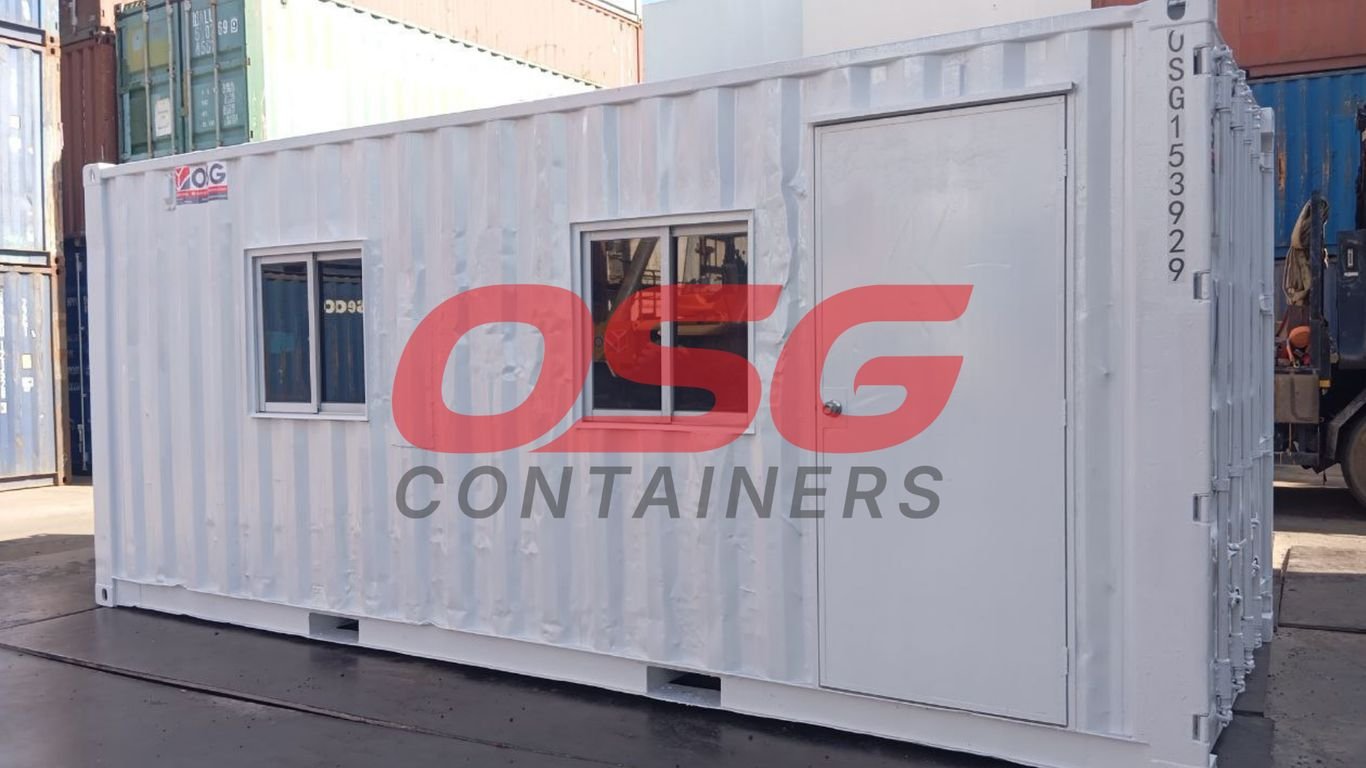
You know, those big metal boxes you see on ships and trains? Turns out, they’re way more than just for moving stuff around. People are taking these tough, strong shipping containers and turning them into all sorts of useful things. We’re talking offices, shops, even homes! It’s a clever way to build things faster and often cheaper, plus it’s good for the planet too. Let’s look at how these shipping containers are getting a whole new life.
Key Takeaways
- Shipping containers are a cost-effective and durable option for building various structures, from offices to retail spaces.
- These containers can be modified and customized to meet specific needs, offering great design flexibility.
- Repurposing shipping containers is an eco-friendly choice that helps reduce waste.
- Container builds can be quicker and more adaptable than traditional construction methods.
- Understanding building codes and working with professionals is important for successful shipping container projects.
The Versatile Shipping Container Advantage
Cost-Effective Construction Foundations
Let’s be real, building costs can get out of hand fast. That’s where shipping containers really shine. They’re already built, tough as nails, and way cheaper than starting from scratch with traditional materials. Think of them as pre-made, super-strong building blocks. This means less money spent on raw materials and a lot less time spent on basic framing. For anyone trying to keep a project on budget, or just get things done quicker, this is a huge plus.
Unmatched Durability and Longevity
These steel boxes are designed to travel the world’s oceans, right? That means they’re built to handle some serious weather – salt spray, wind, you name it. They’re made from strong, corrosion-resistant steel, so they don’t just fall apart after a few years. Properly prepped and maintained, a shipping container can easily last for decades. This kind of toughness means you’re not constantly worrying about repairs or replacements, saving you headaches and cash down the road.
Adaptable Design for Diverse Needs
What’s cool about containers is how much you can change them. Need an office on a job site? Easy. Want a secure storage unit for equipment? Done. How about a pop-up shop or even a small home? Yep, they can do that too. You can add windows, doors, insulation, electrical hookups – pretty much whatever you need to make it work for your specific purpose. This flexibility is a big deal because it means you’re not stuck with a one-size-fits-all solution. You can really tailor the space to fit exactly what you’re trying to achieve.
- Built to last: Their steel construction resists pests and extreme weather.
- Ready to go: Often available quickly, reducing project delays.
- Customizable: Easily modified with additions like windows and doors.
The real advantage comes from combining their inherent strength with the ability to modify them for almost any use. It’s a practical approach to building that saves time and money.
Transforming Shipping Containers Into Functional Spaces
Modular Structures for Scalable Solutions
Shipping containers are fantastic for building things that need to grow or shrink. Think of them like LEGO bricks for grown-ups. You can stack them, connect them side-by-side, and create spaces that fit exactly what you need, whether it’s a small office or a whole complex. This modular approach means you’re not stuck with a fixed size. Need more room? Just add another container. Project finished? You can take it apart and reuse the pieces somewhere else. It’s a smart way to build without a lot of waste.
- Quick Assembly: Because they’re pre-made, putting them together is way faster than traditional building.
- Adaptable Layouts: You can arrange them in tons of different ways to make unique floor plans.
- Future-Proofing: Easily expand or reconfigure your space as needs change.
Repurposed Units for Secure Storage
Forget flimsy sheds. When you take a used shipping container and give it a new life for storage, you get something incredibly tough. These things are built to handle rough seas and heavy loads, so they’re perfect for keeping tools, equipment, or inventory safe and sound. They’re made of thick steel, which means they’re pretty much weatherproof and resist break-ins way better than most other options. Plus, you can add shelves, lighting, and even climate control if you’re storing something sensitive.
The real beauty of repurposing these containers for storage is their inherent strength. They’re designed to be stacked high and endure harsh conditions, offering a level of security and durability that’s hard to beat for the price.
Innovative Pop-Up Retail and Event Venues
This is where things get really fun. Shipping containers are popping up everywhere as temporary shops, cafes, bars, and event spaces. They’re eye-catching and give off a cool, modern vibe. Because they’re relatively easy to move, you can set up a shop for a weekend market or a month-long festival without a huge commitment. Brands love them because they create unique experiences that get people talking. They’re a blank canvas just waiting for some creative design to turn them into something special, from art galleries to food stalls. It’s a flexible way to test out new locations or host events without the long-term hassle of permanent construction.
Engineering and Customizing Your Container Build
So, you’ve got a shipping container, and you’re thinking about turning it into something more. That’s where the real fun, and a bit of hard work, begins. It’s not just about slapping some paint on it; you’ve got to think about how it’s going to function and hold up over time. Proper engineering is the backbone of any successful container conversion.
Essential Insulation and Climate Control
Let’s face it, a metal box gets hot in the summer and freezing in the winter. To make your container comfortable, whether it’s an office, a workshop, or even a place to crash, you need good insulation. Think about spray foam, rigid panels, or even mineral wool. The goal is to keep the temperature steady inside, no matter what’s happening outside. You’ll also want to consider ventilation and maybe even an HVAC unit if you plan on spending a lot of time in there. It makes a huge difference in usability.
Structural Modifications for Enhanced Usability
Containers are built tough, but they’re designed to hold cargo, not necessarily to be lived or worked in. You might need to cut openings for doors and windows, reinforce certain areas, or even stack them. This is where a good engineer or experienced fabricator comes in. They know how to cut into the steel without compromising the container’s strength. They can also help you design layouts that make sense for your intended use, turning a simple box into a functional space.
Here’s a quick look at common modifications:
- Adding Doors & Windows: Cutting openings and installing frames.
- Reinforcing Frames: Strengthening areas where large openings are made.
- Creating Multi-Unit Structures: Welding containers together for larger spaces.
- Installing Flooring/Subflooring: Preparing the base for interior finishes.
Designing for Portability and Relocation
One of the coolest things about containers is that you can move them. But if you’re planning on moving your container build, you need to think about it from the start. How will it be lifted? What kind of foundation does it need? Can it be easily transported by truck or other means? Designing with portability in mind means making sure any modifications don’t make it too heavy or awkward to move. It’s a big advantage for temporary sites or if you think you might need to relocate your business or project down the line.
Building with containers offers a unique blend of durability and flexibility. However, overlooking the engineering and customization aspects can lead to discomfort, structural issues, or difficulties with relocation. Careful planning and professional input are key to a successful and long-lasting project.
Real-World Shipping Container Applications
Successful Container-Based Developments
Shipping containers have moved way beyond just being boxes for shipping goods. We’re seeing them pop up everywhere as actual buildings now. Think about office parks, community hubs, and even shopping areas built from these sturdy steel units. Projects like these show how smart design can turn a simple container into something functional and even good-looking. It’s pretty cool to see how these developments are changing cityscapes and proving that containers are a solid choice for all sorts of building needs.
Innovative Use Cases Beyond Storage
Forget just storing stuff. Containers are being used for all sorts of creative projects these days. We’re talking about pop-up cafes that can be set up and taken down easily, or even mobile medical clinics that can go where they’re needed most. They’re also becoming a popular option for building eco-friendly homes and quick shelters after disasters. It really highlights how adaptable these containers are. You can find them for sale as 10 storage containers, or if you need something more specific, there are options like a 20 reefer container for sale, or even a 40 reefer container for sale. The flexibility is pretty amazing.
Lessons Learned from Container Projects
Building with containers isn’t always straightforward, and people have learned a lot along the way. One big takeaway is that you really need to plan ahead. Things like making sure the container is properly insulated, has good ventilation, and meets all the local building rules are super important. It’s also a good idea to work with people who know their stuff when it comes to container modifications. For example, if you’re looking for a 20ft reefer container or a 40ft reefer container for sale, understanding its specific requirements for temperature control is key. Getting these details right early on can save a lot of headaches later.
When you’re looking at options like a 20ft reefer container or a 40ft reefer container for sale, remember that these specialized units come with built-in cooling systems. This makes them ideal for storing temperature-sensitive goods, but it also means they have unique power and maintenance needs compared to standard dry containers. Always factor these into your project budget and planning.
Here’s a quick rundown of common container uses:
- Secure Storage: Great for tools, equipment, or inventory on job sites.
- Temporary Offices: Quick to set up and provide a solid workspace.
- Retail Kiosks: Perfect for pop-up shops or market stalls.
- Event Spaces: Can be transformed into bars, galleries, or seating areas.
- Housing Units: Increasingly used for affordable or unique living spaces.
Compliance and Professional Integration
So, you’ve got this great idea for a shipping container project, maybe an office on a job site or a cool pop-up shop. That’s awesome! But before you start cutting holes and painting murals, there’s a bit of paperwork and planning involved. It’s not just about welding steel; it’s about making sure your creation is safe, legal, and fits into the neighborhood, so to speak.
Meeting Building Codes and Regulations
This is probably the most important part, and honestly, it can be a bit of a headache if you’re not prepared. Every town, city, and state has rules about what you can build and where. Shipping containers, being a bit unconventional, sometimes raise eyebrows with local building departments. You’ll need to figure out zoning laws, fire safety requirements, and structural integrity standards. Ignoring these can lead to fines, having to tear down your project, or worse. Many suppliers now offer containers that are already engineered to meet common building codes, which can save you a lot of trouble down the line. It’s always best to check with your local planning office early on.
The Role of Professional Engineering
While some container modifications are straightforward, others really need a pro. Think about adding big windows, stacking multiple containers, or putting heavy equipment inside. A structural engineer can look at your plans and tell you if the container can handle it. They’ll make sure any cuts you make to the steel don’t weaken the whole structure. They also help with things like proper foundation design and making sure your modifications meet safety standards. It’s like getting a second opinion from someone who really knows their stuff, which is pretty smart when you’re dealing with steel boxes that were originally meant for the ocean.
Integrating Containers into Urban Environments
Putting a shipping container building into a city or town isn’t just about the structure itself; it’s about how it looks and functions within the existing landscape. This means considering aesthetics – does it clash with the surrounding buildings? It also involves thinking about practicalities like accessibility for people with disabilities, utility hookups (water, electricity, sewage), and even noise levels. Sometimes, you might need special permits to place a container structure in certain areas, especially if it’s a temporary setup. Working with architects or designers who have experience with container builds can really help make sure your project is a good neighbor and a successful addition to the urban fabric.
Building with shipping containers is becoming more common, but it still requires careful attention to local rules and professional oversight. Don’t skip the planning and engineering steps; they are key to a safe, legal, and successful project that you can be proud of.
The Eco-Friendly Choice in Construction
Reducing Landfill Waste Through Repurposing
Think about all those shipping containers just sitting around after they’ve done their job on the seas. Instead of letting them become scrap metal, we’re giving them a whole new life. It’s a pretty smart way to cut down on waste, honestly. We’re taking something that’s already built, super strong, and ready to go, and turning it into something useful again. This means fewer new materials need to be made, which saves energy and cuts down on pollution from manufacturing. It’s a win-win, really.
Sustainable Building Practices with Used Containers
Using old shipping containers for building projects is a big step towards being more sustainable. These containers are made of tough steel, designed to handle rough conditions. When we repurpose them, we’re not just recycling; we’re upcycling on a massive scale. This approach cuts down on the need for traditional building materials like concrete and lumber, which have a bigger environmental footprint. Plus, the manufacturing process for containers is already done, so we skip a lot of the energy-intensive steps that come with making new building components.
Environmental Benefits of Cargotecture
This whole idea of using containers for buildings, sometimes called ‘cargotecture,’ has some serious green cred. It’s a fantastic way to divert waste from landfills and reduce the demand for virgin resources.
Here are some of the good things that come with it:
- Less Waste: We’re talking about thousands of containers that get a second chance instead of ending up as junk.
- Lower Carbon Footprint: By reusing containers, we cut down on the emissions associated with making new building stuff.
- Reduced Energy Use: The energy needed to produce a new building material is way more than what it takes to modify an existing container.
- Resource Conservation: We’re saving trees, minerals, and water that would otherwise be used in conventional construction.
Building with repurposed containers is more than just a trend; it’s a practical response to the need for more sustainable construction methods. It shows we can be creative and responsible at the same time, making good use of what’s already available.
The Box is Just the Beginning
So, it turns out these big metal boxes are way more than just a way to move stuff around the world. We’ve seen how they can be tough, affordable, and even kind of cool for everything from a place to grab lunch to a spot to run a business. They’re strong, they don’t cost a fortune, and you can change them up to fit what you need. It really makes you think about what else we can do with them. It’s not just about storage anymore; it’s about building smarter and maybe even a little more creatively. Who knew a shipping container could be so much?
Frequently Asked Questions
What makes shipping containers so great for building?
Shipping containers are like super strong metal boxes that are already built! This means they are tough, can last a really long time, and don’t cost as much as building from scratch. Plus, they’re easy to move around and can be changed into almost anything you need, like a cool office or a handy storage spot.
Can I really turn a shipping container into an office or a shop?
Absolutely! People are turning them into all sorts of cool places. You can add windows, doors, and even heating and cooling to make them comfy. They’re perfect for pop-up stores, temporary offices on job sites, or even unique event spaces because they can be set up pretty fast.
Are these container buildings safe and legal?
Yes, they can be! Just like any building, they need to be made to follow the rules. Professionals can help make sure the container is strong enough and meets all the safety codes. It’s important to work with experts who know how to modify them correctly.
Is using shipping containers good for the environment?
It’s a fantastic way to help the planet! Instead of making new building stuff, we’re using old containers that would otherwise just sit around. This means less trash in landfills and less energy used to make new materials. It’s a really smart way to build green.
How do you make a container comfortable inside, especially in different weather?
Making them comfy is key! Builders add special materials to insulate the walls, like blankets for the container. This keeps the heat in during winter and out during summer. You can also add air conditioning or heaters to make it perfect all year round.
Can I move my container building if I need to?
One of the best parts is that they’re designed to be moved! Because they’re built for shipping, they can be picked up and placed somewhere else fairly easily. This is super handy if your needs change or if you’re working on a project that moves around.