Singapore
 Australia
 Indonesia
 Japan
Japan Malaysia
 New Zealand
 Philippines
 South Korea
 Taiwan
 Thailand
 VIETNAM
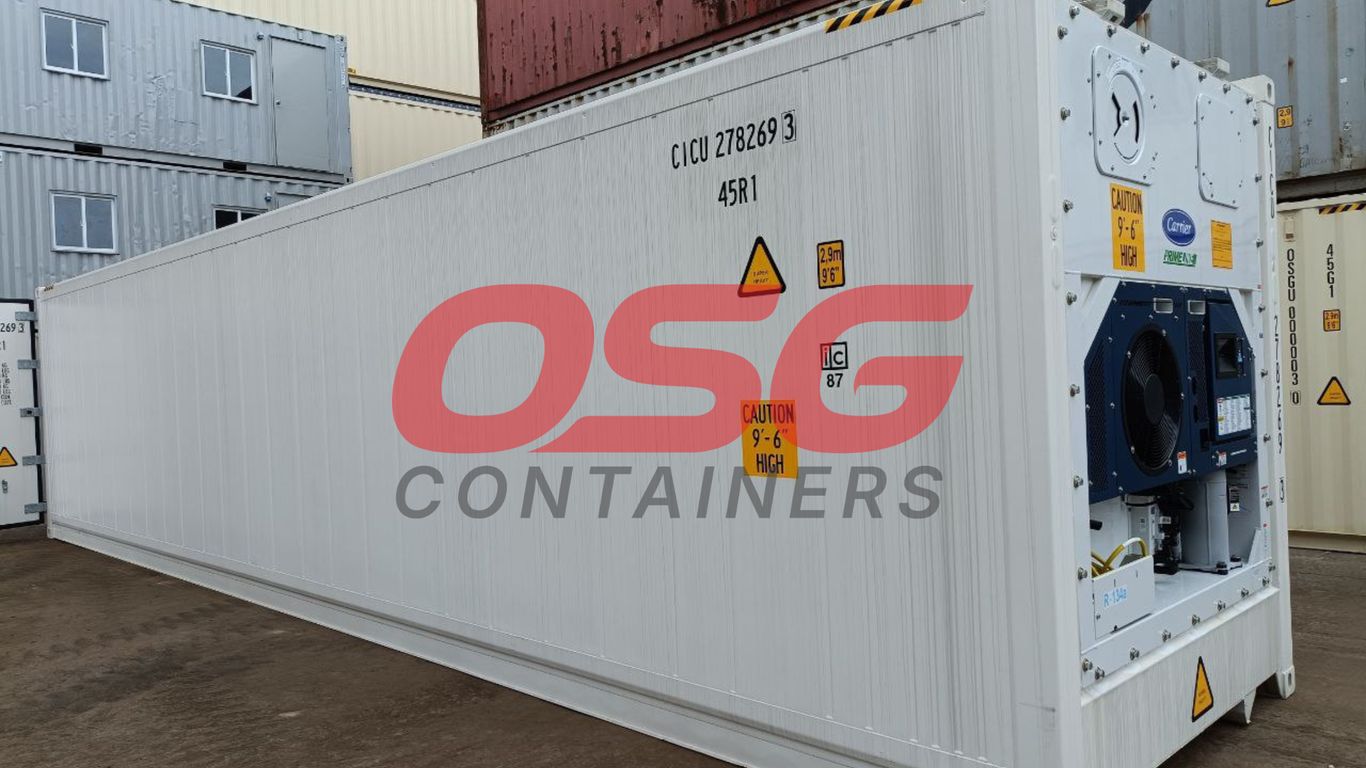
In today’s world, getting goods from here to there while keeping them just right temperature-wise is a big deal. Think about all the fresh food, important medicines, and even special chemicals we need to move around the globe. It sounds simple, but it’s actually pretty complicated. That’s where the reefer refrigerated container comes in. These aren’t your average shipping boxes; they’re like high-tech mobile refrigerators that make sure everything stays in perfect condition, no matter how far it travels. Let’s take a closer look at how these specialized containers are changing the game for global trade and cold storage.
Key Takeaways
- Reefer refrigerated containers are specialized, insulated units with built-in cooling systems that actively maintain specific temperatures for perishable goods during transport.
- Smart technology, including IoT sensors, offers real-time monitoring of temperature, humidity, and location, allowing for early detection of issues and better logistics planning.
- These containers are vital for global trade, supporting supply chains for food, pharmaceuticals, and sensitive chemicals by preserving product quality and safety.
- Engineered with superior insulation and advanced refrigeration, reefer refrigerated containers provide consistent temperature stability and structural integrity for intermodal transport.
- International standards and certifications ensure the safety, compatibility, and reliable performance of reefer refrigerated containers across global shipping networks.
The Evolving Landscape Of Reefer Refrigerated Container Technology
Smart Technology Integration For Enhanced Monitoring
Reefer containers aren’t just metal boxes with a cooling unit anymore. They’re getting seriously smart. Think of them as high-tech guardians for your temperature-sensitive goods. We’re seeing a big push to integrate what they call the Internet of Things, or IoT. This means sensors are popping up all over the inside of the container. They’re constantly checking things like temperature, humidity, and even where the container is on the globe. All this information gets sent back in real-time. So, you can see exactly what’s happening with your shipment, no matter how far away it is. If the temperature suddenly jumps up, or if the cooling system acts up, you get an alert right away. This lets you fix problems before they ruin your cargo. It’s like having a remote watchdog for your stuff.
- Constant Status Updates: Always know your shipment’s location and condition.
- Early Problem Detection: Smart systems can spot issues before they cause a breakdown.
- Better Planning: Real-time data helps map out routes and load more efficiently.
The real game-changer here is the ability to react quickly. Instead of finding out your product is spoiled when it arrives, you get a heads-up while it’s still in transit, giving you a chance to intervene.
Predictive Maintenance And Performance Analysis
Beyond just monitoring, these smart reefers are also learning to predict their own needs. Systems are being developed to analyze the performance data from the cooling unit and other components. They look for patterns that might suggest a problem is brewing. This means instead of waiting for something to break, which can cause major delays and lost product, you can schedule maintenance before it becomes an issue. It’s all about keeping things running smoothly and avoiding those costly surprises that can really mess up a supply chain. This proactive approach is a huge deal when you’re dealing with global trade and tight schedules.
Adaptability For Diverse Temperature Requirements
Reefers are also becoming much more flexible. They’re being built to handle a wider range of temperatures than ever before. We’re talking about everything from deep frozen goods that need to be kept at -65°C, to chilled produce around 5°C, and even specialized pharmaceutical items that need to stay between 2°C and 8°C. This adaptability is super important because supply chains are getting more varied. Different products have very specific needs, and a reefer that can handle a broad spectrum of temperatures is key to moving all sorts of goods around the world without compromising their quality.
Engineering Excellence In Reefer Refrigerated Containers
Superior Insulation For Consistent Temperature Stability
Reefer containers are built with really good insulation. Think of it like a super-powered thermos for your cargo. This isn’t just about keeping things cold; it’s about keeping them at a very specific temperature, no matter what’s happening outside. The walls are usually packed with high-density polyurethane foam. This stuff is great because it stops heat from getting in or out, which means the refrigeration unit doesn’t have to run constantly. That saves a ton of energy and makes sure the temperature stays steady, which is super important for things like vaccines or fresh produce.
Advanced Refrigeration Systems And Power Flexibility
Inside every reefer is a sophisticated cooling system. These aren’t your average air conditioners. They use powerful compressors and can be set to a wide range of temperatures, from way down below freezing to just cool. What’s really neat is how they handle power. Most can plug into electricity at ports or warehouses. But when they’re on a ship or a truck with no power outlet, they can switch to a generator, often a small diesel unit attached to the container. This "Gen-Set" lets the container keep its cool all by itself, no matter where it is. This flexibility is key for moving goods across the globe.
Structural Integrity And Intermodal Compatibility
These containers aren’t just insulated boxes; they’re built tough. They have to withstand being stacked high on ships, jostled around on trucks, and moved by cranes. The frames are reinforced to handle all this stress without bending or breaking. This strong build also means they can be easily moved between different types of transport – ships, trains, and trucks. This is called "intermodal compatibility," and it’s what makes global shipping work. You can load something in one country, and it can travel across land and sea without needing to be repacked, all while staying at the right temperature.
The engineering behind reefer containers is a careful balance of keeping things cold, using energy wisely, and being strong enough for the journey. It’s a complex system that makes sure sensitive goods arrive in good condition, no matter the distance.
Here’s a quick look at some key features:
- High-density polyurethane insulation: Minimizes heat transfer.
- Variable temperature control: Capable of a wide range of cooling settings.
- Generator (Gen-Set) compatibility: Allows for independent operation without external power.
- Reinforced steel frame: Provides structural strength for stacking and transport.
- Corner castings: Standardized points for lifting and securing.
Reefer Refrigerated Containers As The Backbone Of Global Cold Chain
Maintaining Temperature Control And Cold Chain Integrity
When you think about how that fresh fruit from across the ocean lands on your plate, or how vital medicines get to people who need them, it’s largely thanks to the refrigerated container, or ‘reefer’ as it’s commonly called. These aren’t just metal boxes; they’re specialized units built to keep things at a very specific temperature, no matter how far they travel or how hot it is outside. Without these, a huge chunk of global trade in perishable items just wouldn’t happen. They actively cool or heat their insides, using integrated refrigeration systems. This active control is what separates them from regular shipping containers. A 40 reefer container, for instance, offers a good balance of space and cooling power for many types of cargo.
Ensuring Quality For Sensitive Goods
Keeping things at the right temperature is the main job. Whether it’s produce, meat, dairy, or even pharmaceuticals, even small temperature changes can ruin them. Reefers are designed to prevent this. They use good insulation and powerful cooling units working together. This keeps the inside temperature steady, often between -25°C and +25°C, though some can go much colder or warmer. This consistency is key for quality. Imagine shipping ice cream – it needs to stay frozen solid the whole way. A reefer container makes that possible.
The Foundation Of International Trade In Perishables
These containers are really what make global trade in things that spoil possible. They can be moved easily between ships, trains, and trucks because they follow international size standards. This means you can get something from a farm in one country to a store in another without breaking the cold chain. The ability to move a 40 reefer container reliably across different transport modes is what allows for this global reach. It’s the foundation for getting fresh food and important medicines to people everywhere.
Here’s a look at typical temperature ranges:
| Cargo Type | Typical Temperature Range (°C) |
|---|---|
| Fresh Produce | 0°C to 15°C |
| Dairy & Meats | -5°C to 5°C |
| Frozen Goods | -18°C to -25°C |
| Pharmaceuticals | 2°C to 8°C |
The reliability of a refrigerated container is paramount. Any failure in maintaining the set temperature can lead to significant financial losses and compromise the safety of the goods being transported. This is why regular checks and advanced monitoring systems are so important for container reefer operations.
Global Mobility And Integration Of Reefer Refrigerated Containers
Seamless Integration Into Shipping Networks
Reefer containers are built to strict ISO standards, which is a big deal. It means a 20-foot reefer from one company fits right into the same shipping network as a 40-foot reefer from another, whether it’s going on a ship, a train, or a truck. This standardization is what makes global trade in temperature-sensitive items actually work. Think about it: your fresh berries from Chile need to get to a store in Europe. That journey involves ships, maybe trains, and trucks, and at every step, the reefer has to play nice with the transport system. They have these special corner fittings that let them be stacked high on ships or locked securely onto rail cars and flatbed trucks. It’s this universal design that lets them move around the world without a hitch.
Mobile Cold Storage Solutions For Dynamic Needs
One of the coolest things about reefers is that they aren’t stuck in one place. They’re basically self-contained cold rooms that can go wherever they’re needed. This is super handy when you’re dealing with situations where things change fast, like disaster relief or setting up temporary markets. You can just move them from a port to an inland spot, or even closer to where people need the goods. They can be set up pretty quickly, giving you cold storage capacity right away, and then you can pick them up and move them again if the situation changes. It’s like having a flexible cold chain that can adapt on the fly.
Door-To-Door Cold Chain Integrity
What really makes reefers shine is their ability to keep things cold from the moment they leave the producer all the way to the final destination. This is what people in the business call "door-to-door cold chain integrity." It means the temperature stays just right, no matter if the container is on a ship crossing the ocean, sitting in a rail yard, or being driven down the highway. This constant temperature control is vital for things like vaccines or delicate produce. If the temperature goes up or down too much at any point, the whole shipment can be ruined. Reefers, with their built-in refrigeration and insulation, are designed to prevent that, keeping the quality of the goods intact throughout the entire journey.
The real magic of reefer containers lies in their ability to maintain a consistent internal environment, regardless of external conditions or the mode of transport. This active temperature management is what separates them from simple insulated boxes and makes global commerce in perishables possible.
Here’s a quick look at how reefers fit into different transport modes:
- Ocean Freight: Stacked high on container ships, often up to nine units vertically in the ship’s cell guides.
- Rail Transport: Secured onto specialized flatcars using locking systems.
- Road Transport: Mounted onto chassis or flatbed trucks, often using twist locks for stability.
International Standards Governing Reefer Refrigerated Containers
Ensuring Safety and Compatibility Across Ports
Reefer containers aren’t just insulated boxes with a fridge attached; they’re complex pieces of equipment that need to play nice with a whole global system. To make sure they can be stacked nine high on a ship, lifted by cranes at any port, and moved between ships, trains, and trucks without falling apart or causing problems, they have to meet some pretty strict international rules. Think of it like a universal plug adapter for your electronics, but for giant metal boxes carrying your valuable cargo. These standards cover everything from the container’s basic dimensions to how it should handle being jostled around.
- ISO 668: This one sets the standard dimensions and ratings for freight containers. It’s why a 20-foot container is always 20 feet, no matter where it is in the world.
- ISO 1496-2: This standard specifically deals with the thermal performance testing of containers. It’s all about making sure the insulation and refrigeration system can actually keep the temperature steady.
- ISO 6346: This is the code system you see on containers – the letters and numbers that identify the owner, type, and serial number. It helps keep track of everything.
- CSC Convention (Container Safety Convention): This is a big one. It ensures containers are structurally sound and safe for international transport. Containers need a CSC plate to prove they meet these requirements.
These standards are the silent guardians of the global cold chain. They might seem like bureaucratic hurdles, but without them, moving temperature-sensitive goods across borders would be a chaotic and risky business. They allow different countries and different transport companies to work together, knowing that the containers they’re handling are built to a common, safe specification.
Compliance For Global Logistics Operations
Meeting these standards isn’t just about building a container; it’s about making sure it can actually function within the complex web of global logistics. When a reefer container arrives at a port, the cranes, the stacking yards, and the other ships all operate based on the assumption that the container conforms to these international norms. This means:
- Intermodal Compatibility: Containers must be designed to be easily transferred between ships, trains, and trucks. This involves specific corner castings and structural strength to handle the stresses of each mode of transport.
- Stacking Strength: Reefers are often stacked high on container ships and in port yards. The structure must be strong enough to support the weight of multiple containers above it without buckling.
- Handling Equipment: The design must allow for standard lifting equipment, like spreaders on cranes, to grab and move the container securely using its corner fittings.
Certification For Structural And Thermal Performance
Getting a reefer container certified isn’t a one-time thing. It involves rigorous testing during manufacturing and often requires periodic re-inspection to maintain its status. This certification process is key to proving that the container can reliably maintain its specified temperature range under real-world transport conditions. Manufacturers work with classification societies (like DNV, ABS, or Lloyd’s Register) to get their containers tested and approved. This involves checking:
- Insulation Effectiveness: Testing how well the container holds a temperature, often measured by how much heat enters over a period.
- Refrigeration Unit Performance: Verifying that the cooling system can achieve and maintain the required temperatures, even in extreme external conditions.
- Structural Soundness: Ensuring the container’s frame and walls can withstand the forces encountered during transport and handling, including vibrations and impacts.
The Critical Role Of Reefer Refrigerated Containers Across Industries
You see them stacked high on ships and trucks, these big metal boxes. But they’re way more than just storage. Reefer refrigerated containers, or reefers as most folks call them, are basically giant, mobile refrigerators. They’re the reason we can get fresh fruit from across the globe or make sure that medicine stays effective. Without them, a lot of what we rely on just wouldn’t make it to us in good shape.
Supporting Food And Beverage Supply Chains
Think about your grocery store. That variety of fresh produce, dairy, and frozen goods? A huge chunk of that gets to you thanks to reefers. They keep things like berries from turning to mush and meat from spoiling on long journeys. It’s not just about keeping things cold; it’s about keeping them at the exact right temperature, whether that’s deep frozen or just chilled.
- Fresh Produce: Maintaining optimal humidity and temperature to prevent wilting and spoilage.
- Dairy and Meats: Keeping these items consistently chilled to prevent bacterial growth and extend shelf life.
- Seafood: Ensuring a steady, cold environment from catch to consumer.
- Frozen Foods: Holding deep-freeze temperatures for extended transit periods.
The ability to move perishable food items across vast distances reliably has changed how we eat and how food is produced globally. It supports food security and offers consumers a wider range of choices year-round.
Enabling Pharmaceutical And Healthcare Logistics
This is where reefers really show their importance. Many medicines, vaccines, and biological samples are incredibly sensitive to temperature. Even a small fluctuation can ruin them, making them useless or even harmful. Reefers provide the controlled environment needed to transport these life-saving products safely.
- Vaccines: Often require very specific, narrow temperature ranges (like +2°C to +8°C) to remain potent.
- Biologics: Including insulin and blood plasma, which degrade quickly if not kept consistently cold.
- Medical Samples: Transporting diagnostic samples that need to maintain their integrity until tested.
The precise temperature control offered by reefer cargo units is non-negotiable for patient safety and treatment efficacy.
Protecting Temperature-Sensitive Chemicals
It’s not just food and medicine. Lots of industrial chemicals also need to be kept within a certain temperature range. If they get too hot or too cold, they can break down, become unstable, or even dangerous. Reefers provide a stable environment for these specialized materials during transport, which is key for many manufacturing processes.
- Specialty Chemicals: Used in manufacturing that require specific storage conditions.
- Laboratory Reagents: Maintaining stability for accurate scientific work.
- Industrial Components: Certain materials used in electronics or advanced manufacturing.
Wrapping Up: The Future is Cool
So, looking at everything, it’s pretty clear that reefer containers are way more than just fancy boxes. They’re the backbone of getting all sorts of temperature-sensitive stuff around the world, from your lunch to important medicines. With new tech like smart sensors constantly checking things, these containers are getting even better at their job. They’re not just keeping things cold; they’re making global trade smoother and more reliable. As we keep needing to move goods across longer distances, these mobile cold storage units are going to be even more important. They’re the quiet heroes making sure things stay fresh and safe, no matter where they’re going.
Frequently Asked Questions
What exactly is a reefer container?
A reefer container is like a super-powered, moving refrigerator. It’s a special kind of shipping container that has its own built-in cooling system. This lets it keep things inside at a very specific, steady temperature, whether that’s super cold for frozen items or just cool for fresh produce. They are built tough to handle long journeys by ship, train, or truck.
Why are reefer containers so important for global trade?
Reefers are the reason we can get fresh fruits from one side of the world to another, or why life-saving medicines can travel safely. Without them, many foods and important medical supplies would spoil long before they reached people. They basically create a ‘cold chain’ that keeps goods fresh and safe from the moment they’re packed until they arrive.
How do reefer containers keep things cold?
They have a powerful refrigeration unit attached, kind of like the one in your home fridge but much bigger and stronger. They also have really good insulation, like a super thick blanket, to keep the cold air in and the warm air out. Some advanced ones even have smart sensors that constantly check the temperature and send alerts if something seems wrong.
Can reefer containers handle different kinds of temperature needs?
Yes, they are very adaptable! While some are great for deep freezing, others can be set to keep things just cool enough for fresh vegetables or even at very precise temperatures needed for certain medicines. The technology allows for a wide range of temperatures, from very cold to just cool.
What does ‘mobile cold storage’ mean for reefer containers?
It means these containers aren’t stuck in one place. They can be moved easily from a ship to a train, or to a warehouse, or even directly to where they are needed, like a disaster area. This flexibility is super helpful when you need cold storage quickly in different locations, especially for things like aid supplies.
Are there rules for how reefer containers are made and used?
Absolutely! There are international rules and standards that all reefer containers must follow. These rules make sure they are safe, work correctly, and can be used reliably in ports and on transport all around the world. This helps everyone know that the containers are built well and will do their job properly.