Singapore
 Australia
 Indonesia
 Japan
Japan Malaysia
 New Zealand
 Philippines
 South Korea
 Taiwan
 Thailand
 VIETNAM
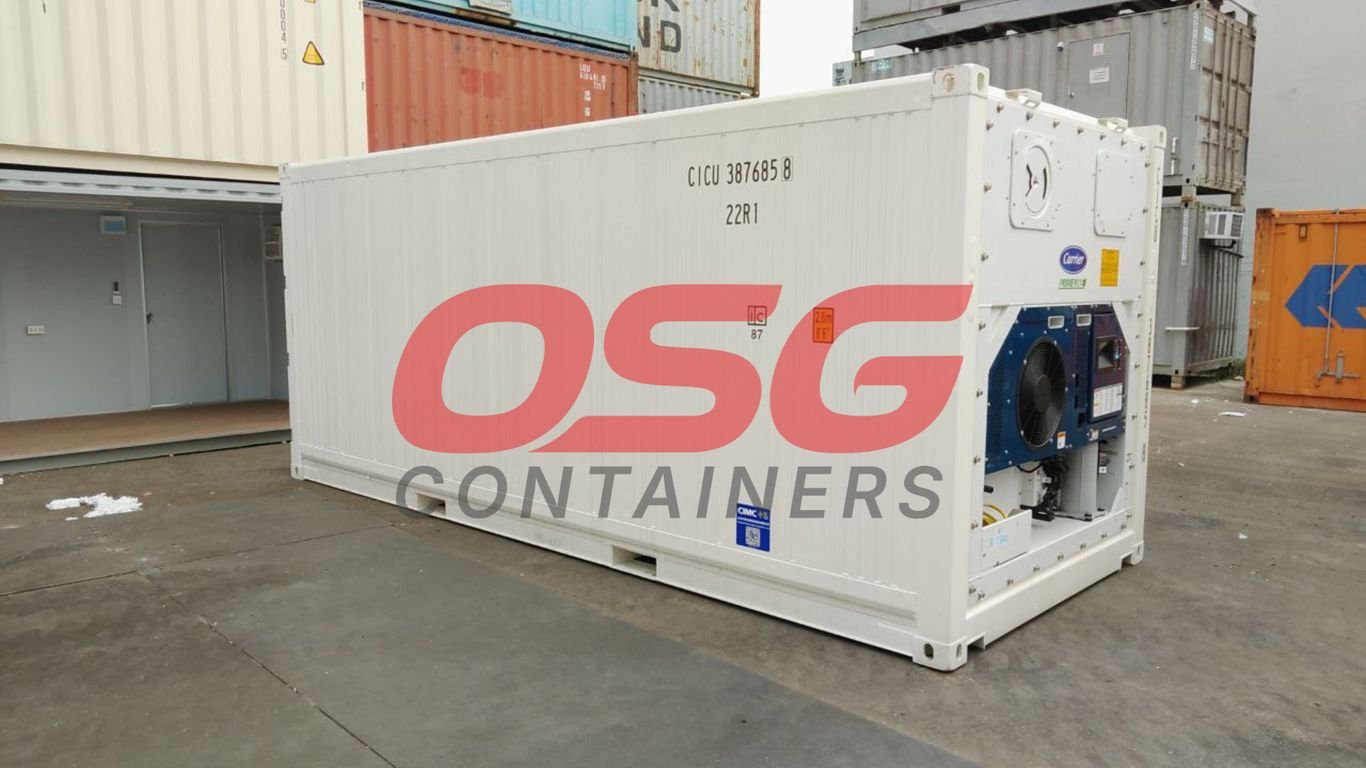
So, you’re thinking about getting a reefer container, huh? Maybe for your business, maybe for a big project. These things are pretty neat for keeping stuff cold during shipping or storage. But before you jump in, there’s a bit to know. Are you buying one, or just renting? What size do you need? This guide is here to break it all down, so you don’t end up scratching your head later.
Key Takeaways
- Reefer containers are specialized units that control temperature, keeping goods like food and medicine fresh during transport or storage.
- Deciding between buying and renting depends on how often you’ll use the container; buying is good for regular use, while renting suits short-term needs or seasonal demand.
- When choosing a reefer container, check its size, the temperature range it can handle, and if it’s easy to move or access.
- If you’re buying, figure out your business needs and budget first, and then look at the specific features and specs that matter most.
- When renting, always check the container’s dimensions, any required certifications, the rental company’s track record, and the terms of the rental agreement.
Understanding Reefer Containers
What Are Reefer Containers?
A reefer container, short for refrigerated container, is a specialized shipping unit designed to keep cargo at a specific temperature. Think of it as a mobile, temperature-controlled box. These aren’t your average storage containers; they come equipped with their own built-in refrigeration systems. This cooling unit is what makes a container reefer so special, allowing it to maintain consistent temperatures, whether that’s freezing cold or just cool, for extended periods. This temperature control is vital for preserving the quality of goods during transit.
Why Are Reefer Containers Essential?
Many products we rely on daily, from fresh produce and pharmaceuticals to certain chemicals, are sensitive to temperature changes. Without proper climate control, these items can spoil, lose their effectiveness, or become unusable. Reefer containers solve this problem by creating a stable environment. They protect cargo from the damaging effects of heat, humidity, or extreme cold that can occur during shipping. This protection means less waste and a more reliable supply chain for businesses that handle temperature-sensitive items.
Common Uses for Reefer Containers
Reefer containers are used across a wide range of industries because so many products need careful temperature management. Here are some common applications:
- Food and Beverage: Transporting everything from fruits, vegetables, and dairy products to frozen meats and seafood. Maintaining the cold chain is non-negotiable here.
- Pharmaceuticals: Shipping medicines, vaccines, and other medical supplies that require precise temperature ranges to remain potent and safe.
- Chemicals: Certain chemicals need to be stored and transported within specific temperature limits to prevent degradation or dangerous reactions.
- Floriculture: Transporting delicate flowers and plants that can wilt or die if exposed to the wrong temperatures.
The ability to precisely control the internal environment of a reefer container means that businesses can ship goods that were previously difficult or impossible to transport over long distances. This opens up new markets and possibilities for producers and consumers alike.
Choosing Between Buying and Renting
So, you’ve figured out you need a reefer container. Great! Now comes the big question: do you buy one outright, or do you rent? It’s not a simple ‘yes’ or ‘no’ answer, and honestly, it depends a lot on your specific situation. Think of it like deciding whether to buy a car or lease one. Both have their upsides and downsides, and what works for one person might be a total miss for another.
Benefits of Buying Reefer Containers
Buying a reefer container means you own an asset. It’s yours, plain and simple. This can be a smart move if you anticipate needing the container for a long time, say, several years. You’re building equity, and down the road, if your needs change, you can even sell it. Plus, when you own it, you can modify it however you see fit. Need to add a special shelving unit or a different type of door? Go for it. You also have the freedom to store whatever you want inside, without worrying about rental agreements that might restrict certain items, like hazardous materials.
- Long-term Investment: You own an asset that can potentially be resold.
- Modification Freedom: Customize the container to your exact needs.
- Unlimited Storage: No restrictions on what you can store.
- Potential Tax Benefits: Consult a tax professional about depreciation deductions.
Owning a reefer container gives you complete control. It’s a capital expenditure that becomes part of your business’s assets, offering flexibility for future use or disposal. This can be particularly advantageous if you have stable, long-term storage requirements.
Advantages of Renting Reefer Containers
Renting offers a lot more flexibility, especially if your needs are temporary or you’re not sure how long you’ll need the container. It’s a great way to "test drive" a specific type of reefer container before committing to a purchase. The upfront cost is significantly lower than buying, which can be a huge plus for businesses with tighter budgets or those just starting out. Many rental companies also handle transportation and pickup, which can save you a lot of hassle and expense. If you need the latest model with updated features, renting allows you to switch to newer units more easily than if you owned an older one.
- Lower Upfront Costs: Easier on the budget, especially for short-term needs.
- Flexibility: Easily switch container types or return them when done.
- Reduced Maintenance Hassle: The rental company often handles repairs.
- Transportation Included: Many rentals include delivery and pickup.
When to Consider Leasing Reefer Containers
Leasing makes a lot of sense if your needs are short-term, perhaps for a specific project or a seasonal demand. If you’re unsure about the future requirements of your business, renting avoids the risk of being stuck with a container you no longer need. It’s also a good option if you want to avoid the responsibilities of ownership, like maintenance and eventual disposal. For businesses that need to scale their storage capacity up or down quickly, leasing provides that agility without a large capital outlay. Remember, though, that over the long haul, rental payments can add up and might exceed the cost of buying.
| Usage Scenario | Buy Recommendation | Rent Recommendation |
|---|---|---|
| Less than 1 year | No | Yes |
| 1-3 years | Maybe | Maybe |
| More than 3 years | Yes | No |
| Need for modification | Yes | No |
| Budget constraints | No | Yes |
Key Specifications for Reefer Containers
Selecting the Right Size and Capacity
When you’re looking at reefer containers, the first thing to figure out is what size you actually need. It’s not just about fitting your stuff in; it’s about making sure there’s enough airflow so the cooling system can do its job properly. Stuffing a container too full can actually make it harder for the cold air to circulate, leading to uneven temperatures. Think about what you’ll be shipping. Are we talking about a few pallets of delicate produce, or a whole shipment of frozen meat? The volume and weight of your cargo are going to dictate the container size.
Standard sizes are usually 20-foot and 40-foot. The 40-foot ones are pretty common for larger loads. But sometimes, you might need something a bit different, and customization is an option if you have really specific needs. It’s always better to have a little extra space than not enough.
Understanding Temperature Range Requirements
This is where reefers really earn their keep. Different products need different temperatures, and some are way more sensitive than others. You’ve got your standard refrigerated containers that can keep things cool, but then you have units that can also heat. And if you’re shipping something super delicate, like certain pharmaceuticals or high-value chemicals, you might need a dual-unit system. These have backup cooling, which is a lifesaver if one unit fails.
It’s not just about keeping things cold, either. Some specialized reefers can control the atmosphere inside, adjusting gases like CO2 and oxygen. This is great for extending the life of fresh produce.
Here’s a quick look at some common temperature needs:
- Frozen Goods: Typically need temperatures between -18°C (0°F) and -25°C (-13°F).
- Chilled Produce: Often require temperatures between 0°C (32°F) and 5°C (41°F).
- Pharmaceuticals: Can vary widely, but often need precise control, sometimes as low as -80°C (-112°F) for specific items, though standard reefers usually cover a range from -20°C to +20°C.
Always double-check the specific temperature requirements for your cargo. Getting this wrong can lead to spoilage, loss of product integrity, or even safety hazards.
Assessing Portability and Accessibility Needs
So, where is this reefer going to live, and how will you get to it? If it’s going to be on a ship, then a standard ISO container is what you’ll need. But what if you need it on-site at a warehouse, a farm, or a processing plant? You might need a unit that’s easier to move around, or maybe one that’s designed for longer-term stationary use.
Think about how often you’ll be loading and unloading. Some units have doors on both ends, which can speed things up. Others might have special ramps or access points. If it’s going to be in a remote location, you’ll also want to consider power sources and how easy it is to get maintenance or spare parts. It’s all about making sure the container fits into your workflow without causing a bottleneck.
The Reefer Container Purchase Process
So, you’ve decided buying a reefer container makes more sense for your business than renting. That’s a big step, and it means you’ll own a piece of equipment that can really help keep your operations running smoothly. But before you hand over any cash, there are a few things you really need to think about. It’s not just about picking the first shiny box you see; it’s about making sure it’s the right box for what you do.
Evaluating Your Business Needs
First off, what exactly are you planning to do with this reefer? Are you shipping fresh produce that needs to stay crisp, or maybe pharmaceuticals that have super strict temperature rules? Knowing the specific products you’ll be moving is key. This will tell you a lot about the size you’ll need and, more importantly, the temperature range the container has to maintain. Don’t guess on this – get specific. Think about how much product you move regularly. Will a standard 20-foot unit do, or do you need a bigger 40-foot one? Maybe even a high-cube model for extra vertical space? It’s also worth considering if you need any special features, like data loggers to track temperatures or even remote monitoring capabilities.
Considering Your Budget and Investment
Reefer containers aren’t exactly cheap, so you’ve got to have a solid budget in mind. Prices can jump around based on the size, the brand, the condition (new versus used), and where you’re buying it from. Get a few quotes from different suppliers to get a feel for the market. Sometimes, spending a bit more upfront on a unit with better features, like a more reliable refrigeration system or dual power options, can actually save you money down the line. Think about avoiding spoiled product or costly temperature deviations – that’s where the real savings can happen.
Here’s a rough idea of what influences the price:
| Feature | Impact on Price |
|---|---|
| Size (20ft/40ft) | Higher for larger |
| Condition (New) | Significantly higher |
| Brand Reputation | Higher for known brands |
| Refrigeration Unit | More advanced units cost more |
| Extra Features | Trackers, alarms add cost |
Assessing Essential Specifications and Features
This is where you get down to the nitty-gritty. You need to know the exact temperature range your cargo requires. Some reefers can go down to -25°C (-13°F), while others might only handle chilling temperatures. Make sure the unit you pick can consistently hit and hold those temperatures, even when it’s hot outside. Also, think about the power source. Most reefers run on electricity, either from a generator set attached to the container or from a shore power connection. You need to be sure you have the right power setup available wherever you plan to use it. And don’t forget about the container’s condition if you’re looking at used units. Check for dents, rust, and make sure the refrigeration unit itself has been well-maintained. A little bit of wear and tear is one thing, but major issues could mean big repair bills later.
When you’re buying, it’s always a good idea to have a qualified technician inspect the refrigeration unit. They can spot potential problems that you might miss, saving you a lot of headaches and money in the long run. It’s like getting a second opinion before a major purchase.
Renting Reefer Containers: What to Check
Renting a reefer container can be a smart move, especially if your needs are temporary or you’re not ready for a big purchase. But just like picking out a rental car, there are a few things you really need to look at before you sign on the dotted line. You don’t want to end up with a unit that’s not quite right for the job, or worse, one that causes you headaches down the road.
Container Dimensions and Certifications
First off, size matters. Make sure the container’s internal and external dimensions will actually work for your cargo and where you plan to put it. You don’t want to get a unit delivered only to find out your pallets won’t fit or it’s too big for your loading dock. Also, check for necessary certifications. Depending on where you’re shipping, you might need specific stamps of approval. Always ask about CSC (Container-Safety Convention) plates, as these are vital for international shipping and prove the container meets safety standards.
Rental Company Reputation and Unit Condition
Who are you renting from? Do a little digging. Look for reviews or ask around in your industry. A reputable company will be upfront about their units and offer decent support. When you inspect the unit (or at least see detailed photos and specs), check for:
- Structural Integrity: Look for dents, rust, or damage to the walls, floor, and doors.
- Refrigeration Unit: Is it a well-known brand? Does it look well-maintained? Ask about its service history.
- Seals: Check the door seals for wear and tear. Good seals are key to maintaining temperature.
- Cleanliness: Is the interior clean and free of odors?
It’s easy to get caught up in the price, but a cheap rental that breaks down or doesn’t hold temperature can cost you way more in spoiled goods and lost business. A little extra due diligence upfront can save a lot of trouble.
Minimum Rental Periods and Shipping Logistics
Most rental companies have a minimum rental period, so be aware of that. If you only need it for a week, but they have a one-month minimum, that could be a problem. Also, figure out the logistics of getting the container to your site and picking it up. Who handles the transportation? Are there extra fees for delivery or pickup? Understanding these details beforehand helps avoid surprises and ensures your operation runs smoothly.
Finding a Trusted Reefer Container Supplier
Researching Reliable Manufacturers and Resellers
So, you’ve figured out what kind of reefer container you need – great! Now comes the part where you actually find someone to get it from. This isn’t like picking up a carton of milk; you want to make sure you’re dealing with a supplier who knows their stuff and won’t leave you high and dry. Start by looking online, but don’t just go for the first name you see. Check out their websites, see what kind of reviews they have, and maybe even ask around in your industry. People who have been doing this for a while often have good recommendations, or at least know who to avoid.
Inquiring About Global Spare Parts and Service
When you’re looking at different suppliers, it’s a good idea to ask about what happens after you buy or rent. Refrigerated containers have complex machinery, and things can break. You need to know if they can get you spare parts and service no matter where you are in the world. Some companies only have support in certain regions, which could be a big problem if your business operates internationally. Find out if they have a network for repairs and parts, or if you’ll be stuck waiting weeks for a technician to fly in.
Ensuring Long-Term Equipment Support
Think about the future. If you’re buying a container, you want it to last. Ask the supplier about their warranty policies and what kind of support they offer down the line. Are they going to be around in five or ten years if you need help? If you’re buying from a reseller, make sure they’re authorized by the manufacturer and can provide ongoing support. It’s also smart to ask about the typical lifespan of the units they sell and what kind of maintenance is recommended to get the most out of your investment.
Here are a few things to consider when vetting a supplier:
- Reputation: What do other customers say? Look for consistent positive feedback.
- Service Network: Do they have technicians and parts available in the areas you operate?
- Warranty and Support: What’s covered, and for how long?
- Product Knowledge: Do they understand your needs and offer suitable solutions?
Choosing the right supplier is just as important as choosing the right container. A good supplier will make the whole process smoother and help you avoid headaches later on. Don’t rush this step; take your time to find a partner you can rely on.
Logistics and Delivery of Reefer Containers
Getting your reefer container from point A to point B is a big part of the whole process, whether you’re buying or renting. It’s not like just picking up a regular box; these are specialized pieces of equipment that need careful handling. Think about it – you’ve got sensitive cargo that needs to stay at a specific temperature, so the delivery has to be smooth.
Arranging Transportation and Installation
So, you’ve got your reefer container sorted. Now, how does it get to your site? You have a couple of options here. You can often arrange delivery directly through the supplier you bought or rented from. They usually have a network or partners who specialize in moving these units. Alternatively, you can hire a third-party logistics company. If you go this route, make sure they have experience with refrigerated containers, as they’re heavier and have specific requirements compared to standard dry containers. Don’t forget installation – it needs to be placed correctly, leveled, and hooked up to power, especially if it’s a standalone unit or part of a larger setup. Some suppliers might include basic installation, but it’s worth confirming.
Understanding Risk of Loss and Title Transfer
This is a pretty important detail, especially when you’re buying. Your purchase agreement or rental contract should clearly state when the responsibility for the container shifts to you. This is known as the ‘risk of loss’ and ‘title transfer.’ Basically, it tells you who’s on the hook if something happens to the container during transit or before it’s officially in your possession. Knowing this point helps avoid confusion if the container gets damaged or lost before it reaches you. It’s good practice to have this spelled out so everyone knows where they stand.
Ensuring CSC Certification for Shipping
If your reefer container is going to be used for international shipping, or even if it might be in the future, it absolutely needs to have a valid CSC (Container Safety Convention) plate. This certification is like a stamp of approval from international standards bodies, confirming the container is safe and structurally sound for transport across oceans. Without it, you’ll run into major problems at ports and with shipping lines. It’s not just about compliance; it’s about safety for everyone involved and the cargo itself. This applies whether you bought it new, used, or are renting it for a long voyage. It’s a non-negotiable for international transit, just like making sure any iso tanks you might be using are also properly certified for their specific cargo and transport method.
Wrapping It Up
So, you’ve looked into reefer containers, and maybe it feels like a lot. But really, it just comes down to figuring out what your business actually needs. Do you need these temperature-controlled units for a quick project, or are you planning to use them for the long haul? Think about your budget, how much space you’ve got, and what kind of stuff you’ll be shipping. Whether you decide to buy them outright, lease them for a while, or just rent them as needed, the main thing is to pick the option that makes the most sense for your day-to-day operations. Getting it right means your goods stay fresh and safe, which is what it’s all about.
Frequently Asked Questions
What exactly is a reefer container?
A reefer container is like a big, portable refrigerator for shipping. It’s a special kind of container that keeps things cold, or at a specific temperature, while they travel on ships, trucks, or trains. This is super important for keeping food, medicines, and other sensitive items fresh and safe.
Why are reefer containers so important?
Reefers are essential because they protect goods that can spoil or lose their quality if the temperature changes. Think about fruits, vegetables, dairy, or even certain medicines – they need to stay at just the right temperature. Reefers make sure this happens, preventing waste and ensuring products reach their destination in good condition.
Should I buy or rent a reefer container?
It really depends on how much you’ll use it. If you need a reefer all the time for your regular business, buying might be a good long-term investment. But, if you only need one for a short time, like for a special project or during busy seasons, renting is usually the better and more affordable choice.
What should I check when renting a reefer container?
When renting, make sure to look at the container’s size to fit your stuff, check that it can keep the temperature you need, and ask about its condition. It’s also smart to find out about the rental company’s reputation and any rules, like how long you have to rent it for.
What are the main things to consider when buying a reefer container?
Before buying, think about what your business needs. How much space do you need? What temperature range is crucial for your products? Also, consider your budget carefully. Sometimes, spending a bit more upfront on a better-featured container can save you money later by preventing spoiled goods.
How does delivery and setup work after I buy a reefer container?
Once you buy a reefer, you’ll need to arrange for it to be delivered to your location. The seller can often help with this, or you might hire a separate delivery service. They’ll bring it to you and help get it set up, making sure it’s ready to use for your needs.