Singapore
 Australia
 Indonesia
 Japan
Japan Malaysia
 New Zealand
 Philippines
 South Korea
 Taiwan
 Thailand
 VIETNAM
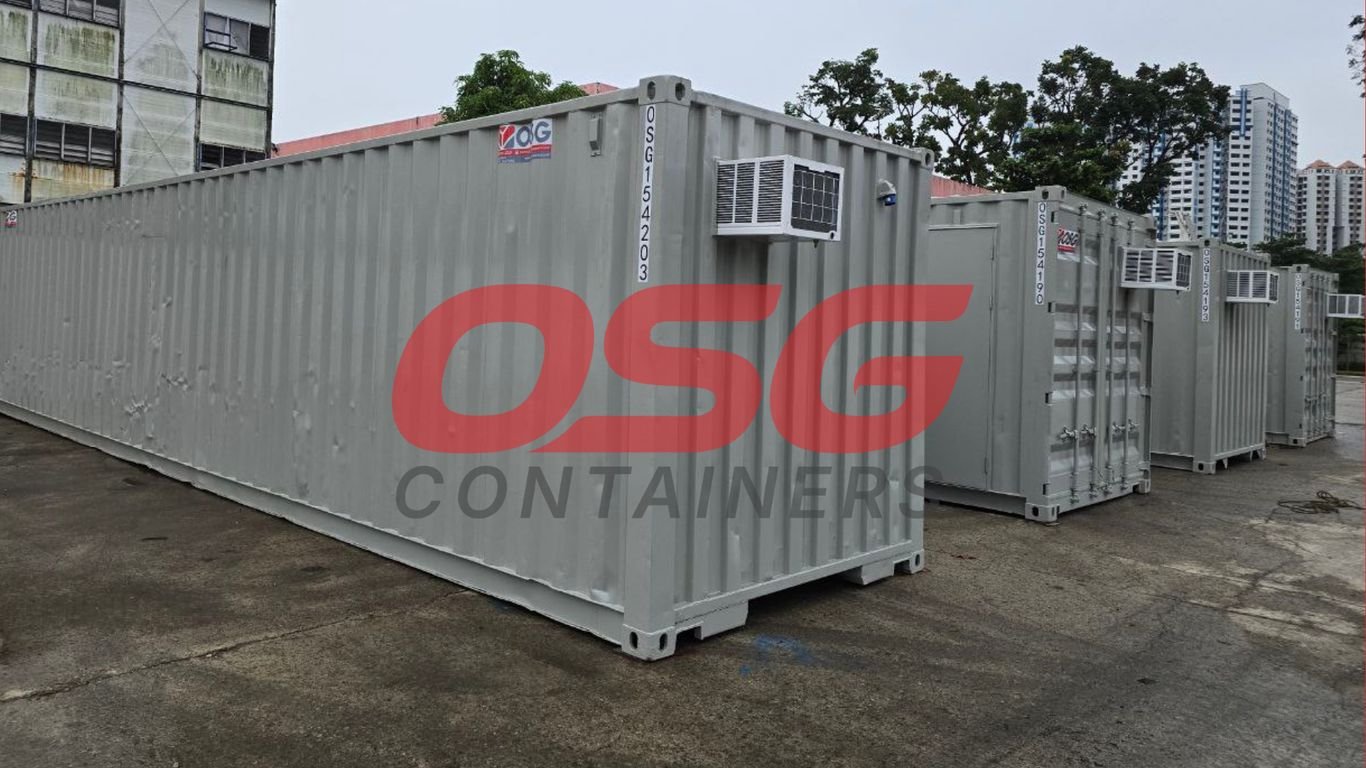
You know, shipping stuff around the world is a big deal. And when you’re dealing with things that can go bad, like food or medicine, it gets even trickier. That’s where reefer containers come in. These aren’t your average boxes; they’re like little refrigerated trucks for the ocean, or the road, or the train. They keep things at just the right temperature, no matter how far they’re going. It’s pretty wild how they make sure your strawberries from California don’t turn into mush by the time they reach Japan, or that your vaccines stay potent. Basically, reefer containers are the unsung heroes keeping our global supply of fresh and sensitive goods moving.
Key Takeaways
- Reefer containers are specialized shipping containers with built-in cooling systems that maintain precise temperatures, from freezing to chilled, for perishable goods.
- They are vital for global trade, enabling the transport of items like fresh produce, pharmaceuticals, and seafood across long distances without spoilage.
- These containers offer flexibility, working across ships, trucks, and trains, and are designed to reduce product waste and ensure safety.
- Modern reefer container technology is focusing on energy efficiency, sustainability, and real-time monitoring through IoT, making them smarter and greener.
- Challenges in using reefer containers include operational costs, availability, and the need for skilled personnel for monitoring and compliance, but smart planning can mitigate these issues.
Understanding Reefer Containers
What Are Reefer Containers?
Reefer containers, short for refrigerated containers, are specialized shipping units designed to keep cargo at a specific, consistent temperature during transit. Unlike standard dry containers, these are essentially mobile cold rooms. They’re built with insulated walls and a self-contained refrigeration unit, allowing them to maintain temperatures from freezing to just above ambient. Think of them as the workhorses that keep everything from fresh produce to vital medicines from spoiling. They are a far cry from simple insulated boxes; these units actively control the internal climate. The term ‘reefer container’ is often used interchangeably with ‘refrigerated container,’ and they are a key part of the global cold chain.
The Cooling Mechanism Inside
So, how do these units keep things so cold? Each reefer container has a built-in refrigeration system. This system typically includes a compressor, a condenser, and an evaporator. When powered, the compressor circulates refrigerant, which absorbs heat from inside the container at the evaporator and releases it outside at the condenser. This continuous cycle chills the air. The airflow is designed to move from the bottom of the container upwards, circulating cold air evenly and preventing warm spots. Many advanced models also offer humidity and ventilation controls, which are super important for certain goods like flowers or to manage ripening in fruits.
Why Temperature Controlled Shipping Is Critical
Temperature-controlled shipping isn’t just a nice-to-have; for many products, it’s absolutely necessary. Without it, perishable goods like fruits, vegetables, seafood, and dairy would spoil rapidly, leading to massive waste and financial loss. Pharmaceuticals and certain chemicals also degrade quickly if not kept within a precise temperature range. Maintaining the correct temperature throughout the journey is vital for product safety, quality, and regulatory compliance. This is where reefer containers shine, offering a reliable way to protect valuable cargo across vast distances and varying climates. They are also used for things like specialized chemicals that can become unstable or even hazardous if exposed to heat.
The Indispensable Role of Reefer Containers in Global Trade
Why Are Reefer Containers Essential for Global Trade?
Think about it: most of the food we eat, the medicines we rely on, and even the flowers we send to loved ones travel thousands of miles. Without reefer containers, a huge chunk of this global trade just wouldn’t be possible. These specialized units are the workhorses that keep temperature-sensitive goods from spoiling or losing their quality during long journeys across oceans, land, and rails. They’ve basically made it feasible to ship things like fresh produce from sunny farms to dinner tables in colder climates, or vital vaccines from manufacturing plants to remote areas, all while keeping them perfectly preserved. It’s not just about keeping things cold; it’s about maintaining a precise environment that protects the integrity and safety of products that would otherwise be lost.
Flexibility Across Transport Modes
One of the biggest wins for reefer containers is how adaptable they are. Unlike fixed cold storage warehouses, these containers can move with your goods. Whether your shipment is going by ship, train, or truck, the reefer unit keeps working. This means you don’t have to worry about transferring your temperature-sensitive cargo between different types of transport, which is a common point where things can go wrong. They just plug in and keep going, making the whole process smoother and reducing the risk of temperature fluctuations. This flexibility is a game-changer for supply chains that span multiple countries and transport methods.
Ensuring Product Integrity and Safety
At the end of the day, it all comes down to keeping products safe and sound. For food items, this means preventing spoilage, bacterial growth, and loss of freshness. For pharmaceuticals, it’s even more critical – incorrect temperatures can render life-saving drugs ineffective or even dangerous. Reefer containers are built with robust systems to maintain very specific temperature ranges, from frozen to chilled. This precision is key.
The ability to maintain exact temperatures, often within a degree or two, is what separates a successful shipment from a costly loss. It’s the difference between a customer receiving fresh produce and a batch of spoiled goods.
This constant vigilance over temperature is what builds trust in the global supply chain and allows businesses to reliably move perishable goods worldwide.
How Reefer Containers Function
The Core Refrigeration Technology
Reefer containers aren’t just insulated boxes; they’re sophisticated mobile refrigerators. At their heart is a self-contained refrigeration unit, typically mounted at one end. This unit is made up of a few key parts: a compressor, a condenser, and an evaporator. The compressor is like the engine, pumping refrigerant gas. This gas then goes to the condenser, where it releases heat to the outside air. After that, it moves to the evaporator inside the container, where it absorbs heat from the container’s interior, making it cold. This cycle repeats constantly to keep the temperature steady.
Maintaining Consistent Temperatures
Keeping things at a precise temperature is the whole point, right? Reefers do this through a continuous cooling cycle. The refrigeration unit works to remove heat from the inside. Air circulates from the bottom of the container upwards, passing over cooling coils. This ensures that the cold air is distributed evenly throughout the cargo space, preventing warm spots. Many modern units also allow for humidity control and ventilation adjustments. This is super important for certain goods, like flowers, where too much moisture can be bad, or for produce that releases gases as it ripens. You can set them to be chilling or freezing, depending on what you’re shipping.
Powering the Reefer Unit
So, how does this cooling magic get its juice? Reefer units need a power source to run. When they’re on a ship, at a port terminal, or plugged into a truck, they usually draw electricity directly from that external source. This is often a standard electrical connection. If they’re on the move without access to shore power, like on a long truck journey or a train, they typically have their own onboard generator, often powered by a diesel engine. This generator kicks in to keep the refrigeration unit running, no matter where the container is.
The ability to maintain a specific temperature range, from freezing to just above freezing, is what makes these containers so vital for transporting everything from ice cream to sensitive medicines across vast distances.
Key Advantages of Reefer Containers
Portability and Self-Contained Operation
Reefer containers are pretty neat because they’re basically self-sufficient. They come with their own refrigeration units built right in. This means you don’t need to hook them up to some big, stationary power source or a special dock. You can just load them up, set the temperature, and they’re good to go. This makes them super easy to move around, whether you’re shifting them from a truck to a ship, or from a ship to a train. This portability is a huge deal for global trade, letting goods travel long distances without needing constant attention. They’re not just insulated boxes; they actively control their internal environment.
Reducing Spoilage and Waste
This is probably the biggest win for using reefers. Think about all the food, medicine, and other sensitive stuff that goes bad if it gets too warm or too cold. Reefers keep things at just the right temperature, whether that’s super frozen or just chilled. This means less food gets thrown away, and medicines stay effective. It’s a big deal for businesses trying to make money and for consumers getting good products.
Here’s a quick look at what kind of stuff benefits most:
- Fresh produce like fruits and vegetables
- Meats, poultry, and seafood
- Dairy products and frozen foods
- Pharmaceuticals and vaccines
- Certain chemicals that can degrade
Keeping things at the exact right temperature stops them from spoiling. It’s like putting a pause button on decay, making sure products arrive in the same condition they left.
Facilitating International Commerce
Because reefers can handle so many different temperature needs and can be moved between ships, trains, and trucks, they really open up global markets. Companies can now send perishable goods to places they never could before. It helps connect farmers to consumers across the world and makes sure that specialized medicines can reach people who need them, no matter where they are. It’s all about making sure that the cold chain isn’t broken, no matter how far the journey.
Evolution and Modernization of Reefer Technology
Energy Efficiency and Sustainability
Reefer containers have gotten a lot smarter and greener over the years. Think about it, keeping things cold uses a good chunk of power, right? Well, newer models are way better at this. They use advanced cooling systems that don’t guzzle electricity like the old ones. Plus, they’re switching to refrigerants that are easier on the planet. This is a big deal because everyone’s trying to cut down on their carbon footprint these days, and shipping companies are no exception. It means lower operating costs for businesses and a bit of good news for the environment.
Real-Time Monitoring and IoT Integration
This is where things get really cool, literally. Modern reefers are packed with sensors and connected to the internet. This means you can track your shipment’s temperature, humidity, and even its location, all from your computer or phone. If the temperature starts to drift, you get an alert right away. This constant visibility helps prevent spoilage and ensures that sensitive goods, like medicines or fresh produce, stay in perfect condition throughout their journey. It’s like having a live feed of your cargo’s well-being, giving you peace of mind and allowing for quick fixes if something goes wrong.
Customization and Versatility in Design
Reefers aren’t just one-size-fits-all anymore. They come in different sizes, from smaller 20-foot units perfect for local runs to larger 40-foot ones for those massive international hauls. Beyond size, manufacturers are also offering more options for specific needs. Need extra ventilation for certain fruits? Or maybe a super-low temperature for specific pharmaceuticals? These days, you can often get a reefer container tailored to your exact cargo requirements. This flexibility means fewer compromises and better protection for a wider range of products.
Navigating Challenges in Cold Chain Logistics
Even with all the amazing tech packed into reefer containers, keeping things cold and safe across the globe isn’t always a walk in the park. There are definitely some hurdles to jump over.
Operational Costs and Equipment Expenses
Let’s be real, keeping a fleet of reefer containers running isn’t cheap. The price tags on these specialized units are way higher than your standard dry containers. Think about it: you’ve got complex refrigeration systems, insulation, and all that tech to keep things frosty. Plus, these units need regular maintenance, and sometimes, repairs can get pretty pricey. It’s not just the initial purchase; the ongoing costs for power, maintenance, and specialized repairs add up fast. This makes the upfront investment and continuous upkeep a significant financial consideration for any business relying on cold chain transport.
Availability and Planning
Sometimes, you just can’t get your hands on the reefer container you need, when you need it. Demand can spike, especially during peak seasons for certain produce or holidays. This means you might have to plan way ahead or even pay a premium to secure the right equipment. Unexpected shifts in shipping volumes can also throw a wrench in the works, making it tough to predict exactly how many containers you’ll need and where. It’s a bit like trying to book a popular hotel room last minute – you might be out of luck or end up paying way more than you wanted.
Monitoring, Compliance, and Skilled Personnel
Keeping track of the temperature inside a reefer container for the entire journey is a big deal. You’ve got regulations to follow, especially for things like pharmaceuticals and certain foods. If the temperature goes out of bounds, even for a short time, you could be looking at spoiled goods and serious compliance issues. This means you need reliable monitoring systems, and more importantly, people who know how to use them and what to do if something goes wrong. Finding folks with the right skills to operate and maintain these complex units can be a real challenge, and it’s something many companies grapple with.
The complexity of maintaining a consistent cold chain means that every step, from loading to final delivery, requires meticulous attention. A lapse in temperature control, a missed maintenance check, or a failure to adhere to specific regulations can have significant financial and reputational consequences. It’s a high-stakes game where precision is paramount.
Maximizing Reefer Container Utilization
Reefer containers are pretty amazing pieces of tech, keeping everything from your fancy cheeses to life-saving medicines at just the right temperature. But honestly, just having one doesn’t automatically mean your stuff will arrive in perfect condition. You’ve got to use them right. It’s like having a top-tier oven but burning your toast because you set the dial wrong. So, how do you actually get the most out of these cold boxes?
Choosing the Right Temperature Settings
This sounds obvious, right? But you’d be surprised how often this step gets messed up. Every single product has its own sweet spot for temperature. Too warm, and your bananas turn to mush. Too cold, and your pharmaceuticals might freeze and become useless. It’s not just about picking ‘cold’; it’s about picking the exact cold your cargo needs. Always check the product’s specific requirements. If you’re not sure, talk to your logistics partner. They usually have the inside scoop on what works best for different types of goods.
Optimizing Load Planning for Air Circulation
Think of the inside of a reefer like a room with an air conditioner. If you block the vents, the whole room doesn’t get cool, right? Same idea here. Cold air needs to move freely around your cargo. This means how you stack your pallets and how much space you leave between them is super important. Overstuffing a container is a recipe for disaster, creating warm spots where your product can start to go bad. Proper spacing allows that cold air to do its job evenly, keeping everything at the set temperature.
Monitoring the Journey for Early Problem Detection
Once your reefer is loaded and on its way, the job isn’t done. Stuff happens. Power flickers, seals can get damaged, or the unit might just decide to act up. Modern reefers come with built-in monitoring systems that can tell you what’s going on in real-time. Many can even send alerts to your phone or email if something goes wrong, like a sudden temperature spike. Using these tools, or working with a logistics company that does, means you can catch problems early and maybe even fix them before your cargo is ruined. It’s way better than finding out about a problem when the container finally reaches its destination.
Getting the most out of your reefer container isn’t just about the technology itself, but about the careful planning and constant attention you give it throughout its journey. It’s a partnership between the machine and the people managing it.
Future Trends Shaping Reefer Container Use
Looking ahead, the way we move temperature-sensitive goods is definitely changing, and reefer containers are right in the middle of it all. It’s not just about keeping things cold anymore; it’s about smarter, greener, and faster ways to get products from point A to point B.
Growth of E-commerce and Direct-to-Consumer Deliveries
The online shopping boom isn’t slowing down, and that means more food, medicine, and other perishables are being shipped straight to our doors. This shift puts a lot of pressure on the cold chain. We need reliable ways to get these items to people quickly without them spoiling. Reefer containers are becoming super important for businesses that need to move these kinds of products fast and keep them in good shape.
Increased Demand for Sustainable Solutions
People are more aware of the environment these days, and businesses are feeling the heat to cut down on their carbon footprint. Reefer container technology is catching up. We’re seeing more energy-efficient cooling systems and friendlier refrigerants. Think solar-powered reefers and designs that use less power overall. This makes it easier for companies to ship goods responsibly.
Expansion of Cold Chain Infrastructure
As more temperature-controlled products are needed globally, the whole system supporting them has to grow. This means more refrigerated warehouses, better distribution hubs, and stronger transport networks. Reefer containers are a big part of this expansion, offering a flexible way to scale up cold storage and transport as demand keeps climbing.
The Future is Chilled
So, there you have it. Reefer containers are pretty much the unsung heroes of getting your food, your medicines, and all sorts of other stuff from point A to point B without it going bad. They’ve been around for a while, but they’re not standing still. With new tech making them greener and smarter, and with us buying more stuff online that needs to stay cool, these boxes are going to be around for a long, long time. They’re basically the backbone, keeping the whole global trade thing from spoiling. Pretty neat, right?
Frequently Asked Questions
What exactly is a reefer container?
Think of a reefer container as a special kind of shipping box that has its own built-in refrigerator. It’s designed to keep things like food, medicine, or flowers at a very specific, steady temperature, whether it’s cold or even a little warm, as it travels across the world on ships, trains, or trucks. This keeps sensitive items from spoiling.
Why are these containers so important for shipping stuff globally?
Reefer containers are super important because they let us ship things that go bad quickly, like fruits, veggies, and medicines, over very long distances. Without them, these items would spoil long before they reached their destination. They make it possible to trade these kinds of goods all over the planet safely and without wasting them.
How does a reefer container keep things cold?
Inside a reefer container, there’s a powerful cooling system, kind of like the one in your fridge but much bigger and stronger. This system is connected to electricity, either from the ship, a truck, or a power source at a port. It works constantly to maintain the exact temperature that’s set, making sure the air inside stays just right for the cargo.
Can reefer containers be used on different types of transport?
Yes, absolutely! That’s one of their best features. Reefer containers are built to be used on ships, trains, and trucks. They are self-contained units, meaning they don’t need to be plugged into the vehicle itself. This flexibility allows them to move seamlessly between different modes of transport, keeping the temperature controlled the entire time.
Are modern reefer containers better for the environment?
Many newer reefer containers are designed to be more energy-efficient, using less electricity to do their job. They also often use newer types of cooling gases that are better for the environment. Companies are working hard to make them even greener because everyone wants to reduce their impact on the planet.
What are the biggest problems when using reefer containers?
One big challenge is that they cost more to run than regular containers because they need electricity and special care. Sometimes, it can be hard to find enough reefer containers when everyone needs them, like during busy shipping times. Also, keeping a close eye on the temperature and making sure all the rules are followed requires trained people and good technology.