Singapore
 Australia
 Indonesia
 Japan
Japan Malaysia
 New Zealand
 Philippines
 South Korea
 Taiwan
 Thailand
 VIETNAM
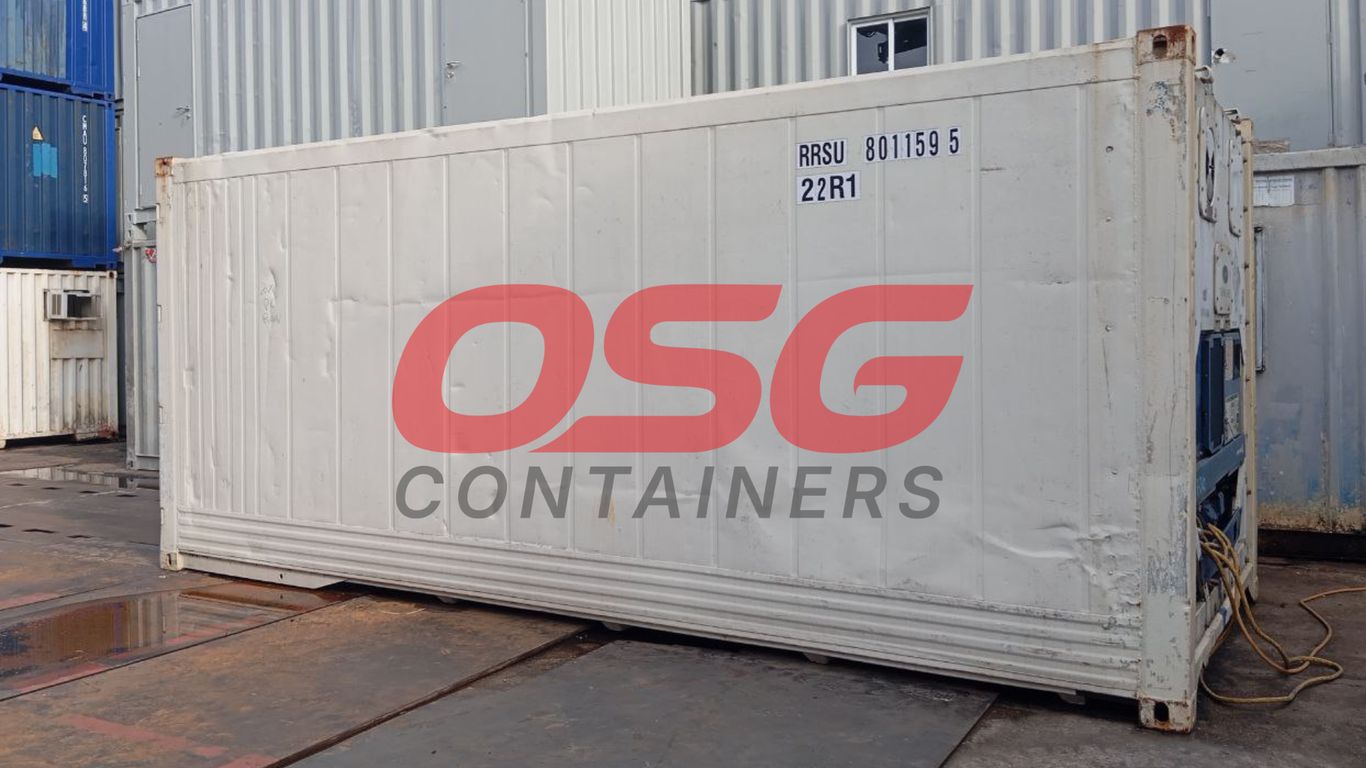
Getting a reefer container ready for an international trip isn’t just about sticking a label on it and sending it off. These specialized units need a good once-over to make sure they handle the journey and keep the cargo cool. Think of it like prepping a car for a long road trip – you check the tires, the oil, and all the important bits. A reefer container is no different, and a little attention before it sails can save a lot of headaches later on.
Key Takeaways
- Before sending a reefer container overseas, give it a thorough check. Look closely at the seals and gaskets to make sure they’re in good shape. Also, test out any extra gear like temperature loggers and alarms to confirm they’re working right. Don’t forget to inspect the main refrigeration parts too.
- Keep the reefer container running smoothly by cleaning its condenser coils often, especially if it’s been in salty air. Keep an eye on the refrigerant levels and check for any leaks. Make sure the compressor and evaporator are in good condition.
- To make your reefer container last longer, take steps to prevent rust and corrosion. Treat any rust spots you find and use protective coatings. Keep all the moving parts oiled and check that all connections are secure.
- Ensure the reefer container is set up correctly for its job. Double-check that the temperature settings are right for the cargo. Make sure all the paperwork and labels are accurate. Try to keep the doors shut as much as possible during use to maintain the cold.
- Understand how the reefer container is used. Check for signs of wear from loading and unloading, and consider how often it’s moved around. Reviewing its history, maybe through telematics data, can offer clues about its condition and how it’s been treated.
Pre-Deployment Reefer Container Inspection
Before you send a container reefer out the door for international travel, a thorough check is a must. You don’t want any surprises when it’s halfway across the ocean, right? This initial inspection is all about making sure the unit is sound and ready for the journey. It’s not just about ticking boxes; it’s about protecting your cargo and avoiding costly issues down the line.
Inspect Seals and Gaskets for Integrity
First up, let’s talk about the doors. The seals and gaskets around the doors are super important for keeping the cold air in and the warm air out. If these are cracked, torn, or just not sitting right, you’re going to have temperature problems. Take a good look at them. Are they pliable, or are they brittle and falling apart? Make sure they create a tight seal all the way around. A quick visual check can save a lot of headaches later.
Verify Functionality of Auxiliary Equipment
Beyond the main refrigeration unit, there’s other gear that needs to be working. This includes things like temperature recorders, humidity controllers, and any alarm systems. You need to know that these are accurately logging data and will alert you if something goes wrong. Test them out to make sure they’re responsive and calibrated correctly. It’s like checking the dashboard lights on your car before a long trip.
Check Refrigeration System Components
This is the heart of the cntr reefer. You’ll want to give the main parts of the refrigeration system a once-over. This means looking at the compressor, condenser, and evaporator. Are they clean? Do they look like they’re in good shape, with no obvious damage or leaks? While a full diagnostic might be for later, a basic visual inspection here can catch some obvious problems before they become bigger issues.
A little bit of time spent on these pre-deployment checks can prevent major disruptions. It’s about being proactive rather than reactive when your cargo is on the move.
Here’s a quick rundown of what to look for:
- Door Seals: Check for cracks, tears, and proper fit. Ensure they are clean and free of debris.
- Temperature Recorder: Verify it’s powered on and logging data. Check the last recorded temperature.
- Alarm System: Test any audible or visual alarms to confirm they activate.
- Refrigeration Unit Exterior: Look for any signs of damage, leaks, or loose connections on the main unit.
Refrigeration System Maintenance for Reefers
Keeping the heart of your reefer beating strong is all about regular check-ups and a bit of preventative care. Think of it like taking your car in for oil changes – you don’t wait for the engine to seize up, right? The same goes for these specialized containers. Consistent maintenance on the refrigeration system is key to preventing costly cargo loss and ensuring your goods arrive in perfect condition.
Clean Condenser Coils Regularly
Condenser coils are like the lungs of the refrigeration unit. They dissipate heat, and if they get clogged up with dirt, salt spray, or other debris, the whole system struggles. This is especially true if your containers are spending a lot of time near the ocean. Clogged coils make the unit work harder, use more energy, and can lead to overheating. It’s a good idea to have these cleaned out as part of your routine checks, maybe every few months or after a particularly dusty or salty journey.
Monitor Refrigerant Levels and System Seals
Refrigerant is the lifeblood of the cooling process. If the levels are low, it means there’s likely a leak somewhere. Finding and fixing these leaks promptly is important. Not only does it keep the system running efficiently, but some refrigerants can also be harmful to the environment. You’ll want to check the seals on the refrigeration unit itself, too. Any cracks or damage can let in moisture or allow the refrigerant to escape. A simple visual inspection can often spot issues before they become big problems.
Assess Compressor and Evaporator Condition
These are two of the most critical components. The compressor is the powerhouse, circulating the refrigerant, while the evaporator is what actually cools the air inside the container. Listen for any unusual noises – grinding, rattling, or squealing – which could indicate wear or damage. Check for any signs of oil leaks around the compressor, as this often points to a seal issue. The evaporator fins should also be clean and free of ice buildup, which can restrict airflow. If you notice any of these warning signs, it’s time to call in a specialist.
Regular maintenance isn’t just about fixing things when they break. It’s about understanding how the system works and catching small issues before they snowball into major, expensive repairs that could jeopardize your cargo. A proactive approach saves time, money, and a whole lot of headaches down the line.
Ensuring Reefer Container Durability
Implement Corrosion Prevention Measures
Reefer containers, especially those working in salty air and humid conditions, can really take a beating. Think about it: constant exposure to sea spray and moisture is a recipe for rust. To keep your reefer going strong for as long as possible, you’ve got to be proactive about stopping corrosion before it starts. This means regularly applying protective coatings and treatments. It’s not just about making them look good; it’s about protecting the metal from breaking down.
Address Rust and Surface Treatments
When you do spot rust, don’t just ignore it. Small spots can quickly turn into big problems if left unchecked. You’ll want to get those areas cleaned up and treated right away. This usually involves sanding down the affected area, applying a rust converter, and then a good quality primer and paint. Keeping the container’s exterior in good shape helps protect the whole structure, including the vital refrigeration unit.
Lubricate Moving Parts and Check Connections
Like any machine, reefers have parts that move and connect. Think about the door hinges, latches, and even some parts of the refrigeration unit itself. These need regular lubrication to work smoothly and prevent wear. Also, take a good look at all the electrical connections. Loose or corroded connections can cause all sorts of electrical gremlins and performance issues. A quick check and a bit of grease can save you a lot of headaches down the line.
The lifespan of a reefer container isn’t just about how old it is; it’s heavily influenced by how it’s handled and where it travels. Every time it’s moved, lifted, or transferred, both the container and its cooling system experience wear. Reefers that go through a lot of movement early in their life tend to show more wear and tear later on. Even small things, like how high a container sits on a ship, can make a difference over time.
Here’s a quick rundown of what to look out for:
- Door Seals: Check for cracks, tears, or signs of hardening. A good seal is key to maintaining temperature.
- Hinges and Latches: Make sure they operate smoothly. Stiff hinges can indicate a need for lubrication or potential damage.
- Electrical Connectors: Look for any signs of corrosion or loose fittings. These are critical for the refrigeration unit’s power supply.
- Exterior Paint: Keep an eye out for chips or scratches that could expose the metal underneath to the elements.
Operational Readiness Checks for Reefer Units
Before your reefer container heads out on its international journey, a few key checks make sure it’s ready to go. It’s not just about plugging it in; it’s about confirming everything is set up right for the long haul.
Confirm Proper Temperature Settings
This is pretty straightforward but super important. You need to double-check that the temperature is dialed in exactly as the cargo requires. A few degrees off can ruin a whole shipment, especially with sensitive goods like pharmaceuticals or certain produce. It’s worth taking a moment to verify the set point on the unit’s controller and compare it against the shipping documents. Don’t just assume it’s correct; confirm it.
Ensure Accurate Manifest and Labeling
This ties into the temperature settings. The manifest needs to clearly state the cargo type and its specific temperature needs. Likewise, the container itself should be labeled clearly. This helps everyone handling the container, from the dockworkers to the ship’s crew, know what’s inside and how to treat it. Mistakes here can lead to improper handling or storage, which is the last thing you want.
Minimize Door Openings During Operations
Every time those doors swing open, cold air escapes, and warmer, humid air rushes in. This temperature fluctuation is bad news for your cargo. It makes the refrigeration unit work harder, uses more energy, and can compromise the product’s integrity. When loading or unloading, try to get it done as quickly and efficiently as possible. Batching tasks together can help reduce the number of times the doors need to be opened. Think of it like opening your home fridge – you don’t want to stand there with the door open forever, right?
Keeping the doors shut as much as possible is a simple but effective way to maintain stable internal temperatures and reduce strain on the refrigeration system. It’s a small habit that makes a big difference in cargo preservation and energy efficiency.
Reefer Container Handling and Wear Assessment
Evaluate Wear from Loading and Unloading
Think about every time a reefer container gets moved. Loading it onto a truck, then onto a ship, then off the ship, and onto another truck – each one of those moves puts stress on the container and its refrigeration unit. It’s like how often you use a tool; the more you use it, the more wear and tear it gets. Reefers are built tough, sure, but they aren’t invincible. The way they’re handled during these transfers really adds up over time.
Understand Impact of Container Turns
The number of times a container is moved, or "turned," can vary a lot. Big shipping companies might move a container maybe 2 to 4 times a year. Smaller companies could be looking at 5 to 7 turns annually. Then you have regional shippers who might turn a container up to 18 times a year. This frequency directly impacts how long a reefer will last and how much life it has left for its next owner. A container that’s been moved constantly in its early years is more likely to have issues down the road compared to one that had a gentler first life. Even small things, like how high a container sits on a ship, can play a part in its condition later on.
Review Telematics Data for Usage History
Lots of modern reefers come with telematics devices. These gadgets are pretty neat because they can track a whole bunch of stuff – like where the container has been, how it was handled, and even if there were any repairs. It’s like a digital diary for the container. The problem is, this data usually stays with the original owner or leasing company. So, if you’re buying a used reefer, you often can’t see its full history. This means you have to really trust the seller and their process for picking out good equipment. Choosing a supplier that works closely with major shipping lines is a smart move to get a container that’s likely been well-cared for.
Proper handling isn’t just about avoiding damage; it’s about preserving the container’s long-term value and reliability. Every lift, every shift, and every journey contributes to its overall wear. Being mindful of these factors can save a lot of headaches and money in the long run.
Emergency Preparedness and Support for Reefers
Secure Adequate Insurance Coverage
When you’re sending valuable cargo across oceans, things can go sideways. It’s not common, but it happens. That’s why having the right insurance is a big deal. It’s not just about covering the cost of the container itself, but also the perishable goods inside. Think of it as a safety net for those "what if" moments. Make sure your policy covers things like equipment breakdown during transit, damage from severe weather, or even theft. It’s better to have it and not need it, right?
Establish Emergency Response Plans
Stuff happens, and when it does, you need a plan. This means knowing who to call and what to do the second a problem pops up. Your emergency plan should include:
- Contact lists for your shipping line, repair depots, and the reefer manufacturer.
- Clear steps for troubleshooting common issues, like temperature alarms or power failures.
- Protocols for moving or transferring cargo if a unit goes down completely.
- Information on how to access backup power sources if needed.
Having a well-documented emergency response plan means your team isn’t scrambling in a crisis. It helps keep calm and focused, which is exactly what you need when dealing with temperature-sensitive cargo.
Utilize Manufacturer Hotlines for Troubleshooting
Most reefer manufacturers offer 24-hour hotlines, and they can be a lifesaver. These lines are staffed by people who know their equipment inside and out. They can often guide you or your on-site personnel through diagnosing problems remotely. Sometimes, just reading an alarm code to them over the phone can help them figure out the issue and suggest a fix. This can save you a lot of time and money by avoiding unnecessary service calls or by getting the unit back online quickly until a technician can arrive. It’s like having an expert in your pocket, ready to help when you need it most.
Reefer Container Power and Placement Considerations
Verify Power Source and Quality
Reefer containers need a steady power supply to keep your cargo at the right temperature. Most reefers run on 460V, three-phase power, which is pretty standard on ships and in big warehouses. They can handle both 50Hz and 60Hz grids, so they work pretty much anywhere. If you’re a smaller operation and don’t have three-phase power readily available, don’t sweat it too much. Some reefers can work with 230V using special transformers, and there are also phase converters out there. Just be aware that some newer models designed for single-phase power might not be as reliable for long-term, critical use.
Dirty power is a major culprit behind equipment failures and reduced lifespan for reefer components.
Here’s a quick rundown of what to check:
- Voltage Stability: Make sure the power source consistently meets the minimum voltage requirements. Fluctuations can damage electrical parts.
- Phase Balance: For three-phase power, ensure the load is balanced across all three phases. Uneven loads can cause overheating and stress on the motor.
- Generator Quality: If you’re using a generator (like a clip-on "gen-set"), verify its output quality. A faulty generator can send "dirty" power to the reefer.
Ensure Adequate Airflow and Stable Placement
Where you put your reefer container matters a lot for how well it works and how long it lasts. You can’t just plop it down anywhere. Think about it like giving your fridge at home enough space to breathe.
- Clearance: Always leave space around the condenser coils. These parts need free air circulation to dissipate heat effectively. Stacking them too close to walls or other obstructions will make the unit work harder and less efficiently.
- Level Ground: Placing the reefer on a level surface is key. If it’s tilted, the doors might not seal properly, leading to cold air loss and making the refrigeration system run overtime. It can also put stress on the frame.
- Surface Stability: For long-term placement, a solid, stable surface like concrete or asphalt is best. This prevents the container from settling unevenly over time, which can cause structural issues.
Proper placement isn’t just about convenience; it directly impacts the reefer’s performance and the longevity of its components. Think about airflow, stability, and accessibility from the start.
Assess Environmental Factors Affecting Performance
Beyond just power and placement, the environment around your reefer containers plays a role. The climate where the reefer is operating can significantly affect its power consumption and how hard the refrigeration unit has to work. Hot, humid conditions will naturally require more energy to maintain the set temperature compared to cooler, drier environments. Also, consider if the reefer will be placed indoors or outdoors, as this will influence ambient temperature and potential exposure to elements. The type of cargo inside also dictates the cooling demands, with some products needing much tighter temperature control than others. Even how well the container is packed can affect airflow and cooling efficiency. All these factors combine to influence the overall operational readiness and energy use of your reefer containers. For budgeting, expect monthly power costs to range from $300 to $500 for a reefer in the US, depending on these variables.
Wrapping It Up
So, keeping those reefer containers in tip-top shape before they head out on a big international trip really boils down to a few key things. It’s not just about giving them a quick once-over; it’s about being thorough. Checking seals, making sure the cooling unit is humming along, and keeping an eye on things like temperature recorders are all part of the deal. Remember, a little bit of attention now can save a whole lot of headaches, not to mention spoiled cargo, down the road. Think of it as giving your reefer the best possible start for its journey, so it can do its job right.
Frequently Asked Questions
What’s the first thing I should check on a reefer container before it goes on a ship?
Before sending a reefer container overseas, you need to give it a thorough once-over. Check that all the rubber seals around the doors are in good shape and sealing tightly. Also, make sure any extra equipment, like temperature alarms or recorders, is working correctly. It’s also super important to check the main cooling parts like the compressor and coils to make sure they’re clean and running smoothly.
Why is cleaning the outside parts of the reefer important?
Reefers often travel through salty air and humid places, which can cause rust. Cleaning the coils on the outside regularly helps the container cool better and last longer. It’s like giving your car an oil change – it keeps the important parts working well and prevents problems down the road.
How does handling affect a reefer container?
Every time a reefer container is moved – loaded onto a truck, a ship, or unloaded – it gets a bit worn down. Containers that are moved around a lot, especially in their first few years, might not last as long in their second life. Think of it like a pair of shoes; the more you wear them, the faster they wear out.
What happens if my reefer container breaks down at sea?
If something goes wrong, most big reefer companies have a 24-hour help line. They can often guide someone on the ground through fixing simple problems over the phone or tell you where to take it for repairs. Having good insurance is also key, just in case of major issues.
Can I plug my reefer container into any power outlet?
Not just any outlet will do! Reefers need a specific type of power, usually a strong, clean electrical supply. Using the wrong kind of power, sometimes called ‘dirty power,’ can seriously damage the cooling system and lead to expensive repairs. It’s best to get an expert to check the power source before plugging it in.
How can I tell if a used reefer container has been taken care of?
It can be tricky because the history of a container isn’t always shared with new owners. Your best bet is to buy from a trusted supplier who knows how to pick good quality containers. They often have connections with major shipping companies and can find units that have been well-maintained. Asking about its past use and checking for signs of wear is also smart.