Singapore
 Australia
 Indonesia
 Japan
Japan Malaysia
 New Zealand
 Philippines
 South Korea
 Taiwan
 Thailand
 VIETNAM
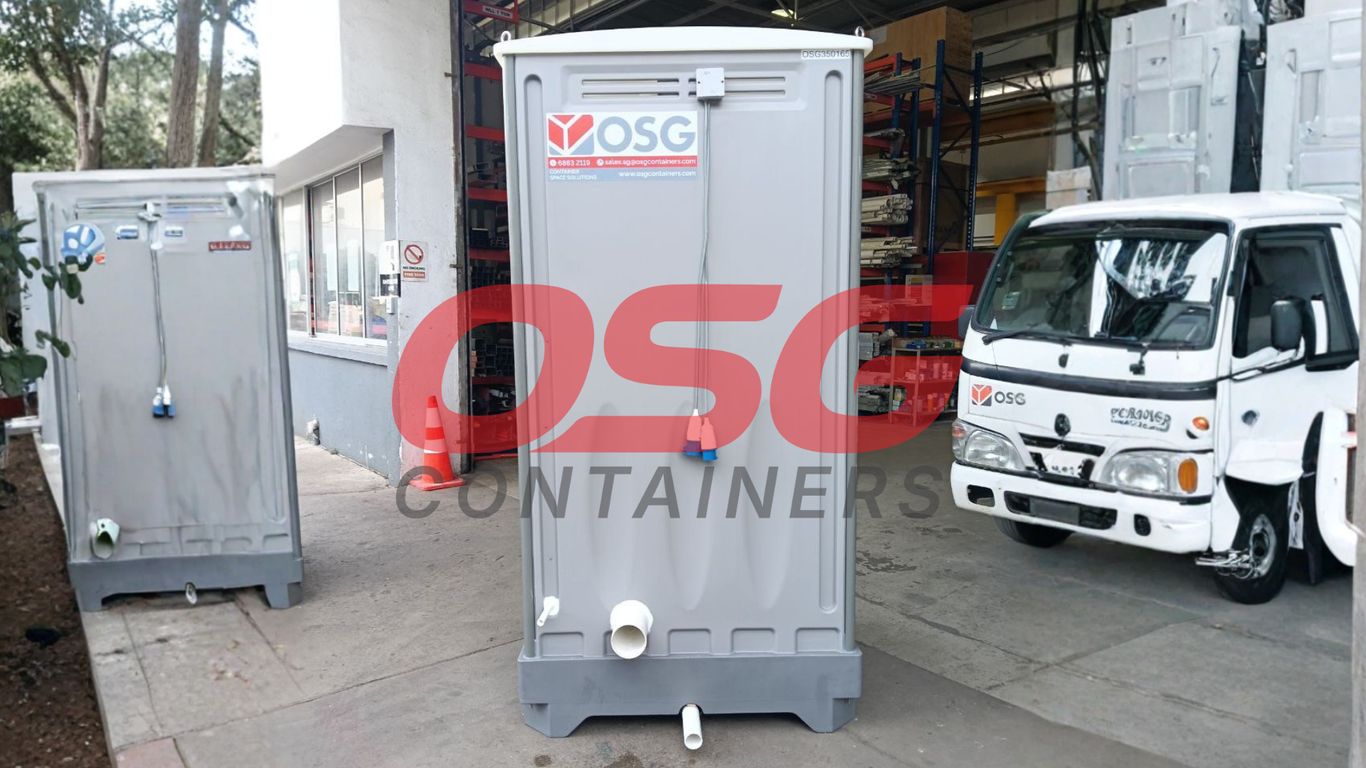
When you’re running a big project, especially in energy or mining, you think about a lot of things. Power, safety, getting materials there. But what about the basics? Like, where do people go to the bathroom? It sounds simple, but having the right setup is actually a big deal for keeping things running smoothly and workers happy. This is where portable toilet rental comes in, and it’s gotten way more advanced than you might think.
Key Takeaways
- Portable toilet rental is super important for energy and mining projects, not just for comfort but also for keeping workers on the job.
- For tough spots like remote work sites or disaster zones, stronger containerized units are a better bet than regular plastic ones.
- You can get fancy units with AC, heating, and even special features for different cultures or people with disabilities.
- Newer units can run off solar power, recycle water, and even let you check their status remotely with sensors.
- When picking units, think about how many people will use them, how often they need servicing, and if they need special hookups or waste tanks.
Strategic Applications for Portable Toilet Rental
Portable toilet rentals aren’t just for construction sites anymore, especially when you’re dealing with big projects in the energy and mining sectors. These units have become pretty vital for keeping things running smoothly and safely, no matter where the job takes you.
Industrial and Remote Job Sites
Think about oil fields or remote mining operations. Workers are often out there for extended periods, sometimes weeks on end. Providing decent sanitation isn’t just about following rules; it’s a smart move for keeping good people on your team. If one company offers clean, climate-controlled facilities and another just offers basic plastic boxes, guess which one attracts and keeps the best workers? It’s a no-brainer.
- Durability: These units can handle tough conditions.
- Comfort: Climate control makes a huge difference.
- Retention: Happy workers tend to stick around.
Disaster Relief and Emergency Response
When natural disasters hit and regular infrastructure goes down, portable toilets are lifesavers. They can be quickly moved into place, often by crane or forklift, to provide immediate relief. Their sturdy construction means they can stand up to challenging environments where debris or strong winds might still be a problem.
In emergency situations, rapid deployment of reliable sanitation facilities is paramount for public health and safety. These units offer a practical solution when traditional infrastructure is compromised.
Music Festivals and Large Events
Even at big events, not all facilities are created equal. For those VIP areas or premium zones, standard porta-potties just don’t cut it. Containerized units can offer a more upscale experience, sometimes with features like porcelain fixtures and running water, which helps justify higher ticket prices and keeps attendees comfortable.
| Event Type | Typical Unit Needs |
|---|---|
| Large Music Fest | Standard and Deluxe units, some trailer options |
| VIP Festival Area | Containerized units with enhanced amenities |
| Sporting Event | High-volume standard units, accessible options |
Selecting Portable Toilet Rental Options for High-Traffic Sites
When you’ve got a lot of people using the facilities, picking the right portable toilets is a big deal. It’s not just about having a toilet, but having enough of them and making sure they can handle the load without becoming a mess. Getting the number of units right from the start can save a ton of headaches later on.
Calculating Unit Needs
Figuring out how many units you need isn’t rocket science, but it does take some thought. A common rule of thumb for construction sites is one unit for every 10-15 workers. For events where people are drinking a lot, you might need more. It’s always better to have a couple extra than to run short. Think about the peak times too – if everyone takes a break at the same time, that’s when you’ll see the most use.
Here’s a basic guideline:
- Small Crew (under 50 workers): 3-5 units
- Medium Crew (50-100 workers): 6-10 units
- Large Crew (100+ workers): 1 unit per 10-15 workers
Effluent Tank Integration
For sites that don’t have direct sewer hookups, or where you want to reduce the frequency of pump-outs, an effluent tank is a smart move. These are large tanks that sit near the portable toilets, collecting the waste. This setup means the portable toilets themselves don’t need to be directly connected to a sewer line, and the waste can be pumped out less often, maybe once a week instead of multiple times. It’s a good way to keep things running smoothly, especially on remote sites.
Service Schedule Recommendations
How often you need your portable toilets serviced really depends on how much they’re being used and the type of unit. For high-traffic sites, weekly servicing is usually the minimum. This includes pumping out the waste, cleaning the unit, and restocking toilet paper and sanitizer. If it’s a really busy site or the weather is hot, you might need service twice a week. Keeping up with a regular schedule prevents odors and keeps the units in good working order, which is important for worker morale and site hygiene.
Proper waste management and regular servicing are not just about cleanliness; they directly impact worker productivity and overall site safety. Ignoring these can lead to compliance issues and a decline in employee satisfaction.
When you’re planning for a busy site, think about these factors:
- Number of users: More people means more frequent servicing.
- Climate: Hot weather can make odors worse, requiring more attention.
- Type of event/work: Construction sites might have different needs than a festival.
- Available facilities: Are there handwashing stations nearby?
Choosing the right setup and service plan from the get-go makes a big difference in keeping your project running without sanitation hiccups.
Specialized Portable Toilet Rental Features
When you’re looking at portable toilet rental options, especially for longer projects or specific site needs, the standard porta potty just doesn’t cut it anymore. We’re talking about units that go way beyond basic sanitation. Think about features that make a real difference for workers and project managers alike. For instance, if you’re looking for portable toilet rental in Singapore, you’ll find options that cater to diverse needs.
Accessibility and ADA Compliance
Making sure everyone can use the facilities is a must. ADA-compliant units are designed with wider doorways, ample interior space for wheelchairs to turn around, and sturdy grab bars. These aren’t just nice-to-haves; they’re often legal requirements. It’s about dignity and equal access for all personnel on site.
Luxury and Comfort Amenities
For projects where worker comfort is a priority, or for events aiming for a higher standard, luxury units are available. These can include features like:
- Flushing porcelain toilets
- Running water for handwashing (not just sanitizer)
- Climate control (heating and air conditioning)
- Better lighting and ventilation
- Mirrors and even small vanity areas
These amenities can significantly boost morale and productivity on long-term industrial sites. It’s a step up from basic needs to actual comfort.
Culturally Specific Configurations
In today’s globalized work environment, catering to diverse cultural and religious needs is becoming more common. Some portable toilet rental Singapore providers offer units that can be configured for specific practices. This might include:
- Dedicated spaces for prayer
- Facilities for ritual washing (ablution areas)
- Specific layouts to accommodate different hygiene practices
Providing these specialized facilities shows respect for your workforce and can help create a more harmonious and productive work environment. It acknowledges that people have different needs beyond just basic sanitation.
These specialized units, whether for accessibility, comfort, or cultural needs, demonstrate how portable toilet rental has evolved. They’re no longer just a box on wheels; they’re engineered solutions for specific human requirements on any project, including those found with portable toilet rental in Singapore.
Operational Requirements for Portable Toilet Rental
When you’re looking at port o potty rental for big projects, especially in energy and mining, it’s not just about dropping off a unit and calling it a day. There’s a whole set of things you need to think about to make sure everything runs smoothly and safely. It’s about the whole process, from getting the units to your site to keeping them clean and compliant.
Delivery and Site Preparation Logistics
Getting these units where they need to go is the first hurdle. Because they’re often heavier and more complex than standard portable toilets, you’ll likely need specialized equipment for delivery. Think flatbed trucks, cranes, or heavy-duty forklifts. Once the unit arrives, the ground needs to be level. If it’s not, you can run into problems like doors not closing right or drainage issues. It’s a good idea to have a clear spot picked out beforehand, making sure there’s enough space for the delivery vehicle and for workers to access the units easily.
Waste and Water Management Options
This is a big one for energy and mining sites. You’ve got a few ways to handle the waste and water:
- Mains Connection: If your site has existing sewer and water lines, you can connect the units directly. This is often the most convenient option if available.
- Effluent Tanks: For sites without direct hookups, you can place the portable toilet unit on top of a large steel waste tank. This tank then needs regular pumping.
- Self-Contained Units: Some units have their own internal tanks. These are great for remote locations but require frequent servicing to empty the tanks.
Choosing the right waste management system depends heavily on your site’s location and infrastructure.
Maintenance and Compliance Standards
Keeping these units in good shape and meeting all the rules is non-negotiable. Regular servicing is key. This usually means pumping out waste, restocking supplies like toilet paper and soap, and making sure everything is clean. For most busy sites, a weekly service schedule is a good starting point. It helps prevent overflow and keeps things from getting unpleasant. Plus, you always need to make sure your units meet local regulations and any industry-specific standards. This includes things like electrical safety and cleanliness. Staying on top of this avoids headaches down the line.
Proper planning for delivery, waste management, and ongoing maintenance is just as important as the unit itself. It ensures a functional and hygienic setup for workers, which is vital for morale and productivity on long-term projects.
Comparing Containerized Units to Traditional Portable Toilets
When you’re looking at sanitation options for a big project, especially in energy or mining, you’ve got a couple of main choices: the classic porta-potty or the more robust containerized restroom. They both do the job, sure, but they’re really built for different things. Think of it like comparing a tent to a small cabin – both provide shelter, but one is way more suited for a long stay in rough weather.
Durability and Wind Resistance
Traditional portable toilets are usually made of plastic. They’re light, which makes them easy to move around, but that also means they can be a real problem when the wind picks up. We’ve all seen those pictures of porta-potties blown over. It’s not just messy; it’s a safety hazard. Containerized units, on the other hand, are built from heavy-duty steel, often Corten steel, which is tough stuff. These things weigh thousands of pounds, so they’re not going anywhere unless you want them to. They can handle rougher conditions, like high winds or even salt spray near coastal sites, without a fuss.
User Comfort and Morale
For projects that stretch on for weeks or months, the basic porta-potty can really start to wear on people. It’s not exactly a pleasant experience, and that can affect how people feel about their job. Containerized units offer a much better experience. They often come with insulation, so they’re not freezing in the winter or boiling in the summer. Plus, they usually have better lighting and can even have climate control. When workers have access to a cleaner, more comfortable restroom, it can make a surprising difference in their overall morale and even productivity. It shows you care about their well-being.
Hygiene and Maintenance Advantages
Hygiene is a big deal, especially on industrial sites. Containerized units often have surfaces that are easier to clean, like PVC or tile floors, and they can be hooked up to a water source for real handwashing, not just sanitizer. This is a significant step up from standard units. Maintenance-wise, while both need regular pumping, the sturdier construction of containerized units means they tend to last much longer – we’re talking decades versus maybe ten years for a plastic unit. This can make them more cost-effective over the long haul, even if the initial rental cost is higher.
Here’s a quick look at some key differences:
| Feature | Traditional Portable Toilet | Containerized Unit |
|---|---|---|
| Construction | Polyethylene (Plastic) | Corten Steel |
| Weight | ~170 lbs | 10,000+ lbs |
| Climate Control | None | HVAC (Heating & Cooling) |
| Lifespan | 5-10 years | 20-30 years |
| Wind Resistance | Low | High |
| Handwashing | Typically Hand Sanitizer | Often Running Water |
When you’re planning sanitation for a long-term or demanding project, it’s worth looking beyond the cheapest option. The added durability, comfort, and hygiene of containerized units can pay off in worker satisfaction and fewer site issues.
Portable Toilet Rental Solutions for Extreme Environments
Cold Climate Functionality
Working in freezing temperatures presents unique challenges for sanitation. Standard portable toilets can become brittle and difficult to use when it’s really cold. We’re talking about units that might freeze up, making them unusable, or worse, causing damage. Specialized cold-climate units are built with extra insulation, often R-28 or higher, to keep the interior at a more manageable temperature. They also come with integrated heating systems, running on electricity or propane, to prevent freezing and ensure comfort. Some models even have tapered roofs to help shed snow and ice. These aren’t your typical porta-potties; they’re designed to keep operations running smoothly, no matter how low the mercury drops.
Underground Mining Applications
When you’re deep underground, space is tight, and ventilation is a major concern. Traditional portable toilets just won’t cut it. For these environments, specialized units like the EnviroLAV are designed to be compact and efficient. They often run on compressed air or electricity and are built for easy maintenance. The key here is a system that can handle waste without needing frequent external servicing, which is a huge logistical hurdle underground. Some systems are designed to hold waste for up to a year between pump-outs, which is pretty wild when you think about it.
Intrinsically Safe Coal Mining Units
Coal mines have a specific hazard: the risk of explosion from flammable gases. This means any equipment used down there needs to be "intrinsically safe." For portable toilets, this translates to units that don’t produce sparks or excessive heat. Pneumatically operated units, powered by compressed air, are the go-to solution for coal mining applications. They eliminate the electrical risks associated with standard units. These units are built with safety as the absolute top priority, ensuring that workers have access to necessary facilities without introducing a dangerous ignition source into a potentially hazardous atmosphere.
Wrapping It Up
So, when you’re planning out a big energy or mining project, don’t forget about the restrooms. It might seem like a small detail, but having the right portable toilets, especially those tougher containerized units, makes a real difference. They keep workers comfortable, help meet rules, and honestly, just make the whole operation run smoother. It’s not just about having a place to go; it’s about keeping your team happy and productive, especially when you’re out in the middle of nowhere for weeks on end. Picking the right setup really pays off in the long run.
Frequently Asked Questions
What kind of projects commonly use portable toilets?
Portable toilets are super useful for all sorts of projects, especially ones happening far from regular bathrooms. Think about big construction sites, oil and gas fields, or even places where a disaster has made normal facilities unusable. They’re also a big hit at outdoor events like music festivals and large gatherings where lots of people need a restroom.
How do I know how many portable toilets I need?
It’s smart to figure this out based on how many people will be using them. A good rule of thumb is to plan for one toilet for about every 40 workers on a job site. If it’s an event where people are eating and drinking, you might need even more. It’s always better to have a few extra than not enough!
Are there special portable toilets for people with disabilities?
Yes, absolutely! Many portable toilet rentals offer units that are designed to be accessible for everyone. These usually have more space inside, grab bars for support, and ramps so wheelchairs can get in and out easily. They follow rules like the ADA to make sure everyone can use them comfortably.
Can portable toilets work in really cold or hot weather?
Some advanced portable toilets are built tough for extreme weather. For cold places, they can have extra insulation and heaters to keep things working. For hot weather, many units have air conditioning. Some even have special features for places like underground mines that need to be extra safe.
What happens with the waste from portable toilets?
The waste is collected in a tank inside the portable toilet. For most rentals, a service truck comes regularly to pump out the waste and clean the unit. Some special units can even treat and recycle water, which is great for saving water and being more eco-friendly. You can also connect some units to existing sewer lines or use separate holding tanks.
Are the bigger container-style toilets better than regular porta potties?
Container-style toilets are like upgraded versions. They’re much stronger, often made of steel, so they don’t blow over easily and can handle rough conditions better. They also offer more comfort, like air conditioning, heating, and flushing toilets, which can really boost morale on long projects. While they cost more upfront, they can be a better deal for long-term use because they last longer and need less frequent service per person.