Singapore
 Australia
 Indonesia
 Japan
Japan Malaysia
 New Zealand
 Philippines
 South Korea
 Taiwan
 Thailand
 VIETNAM
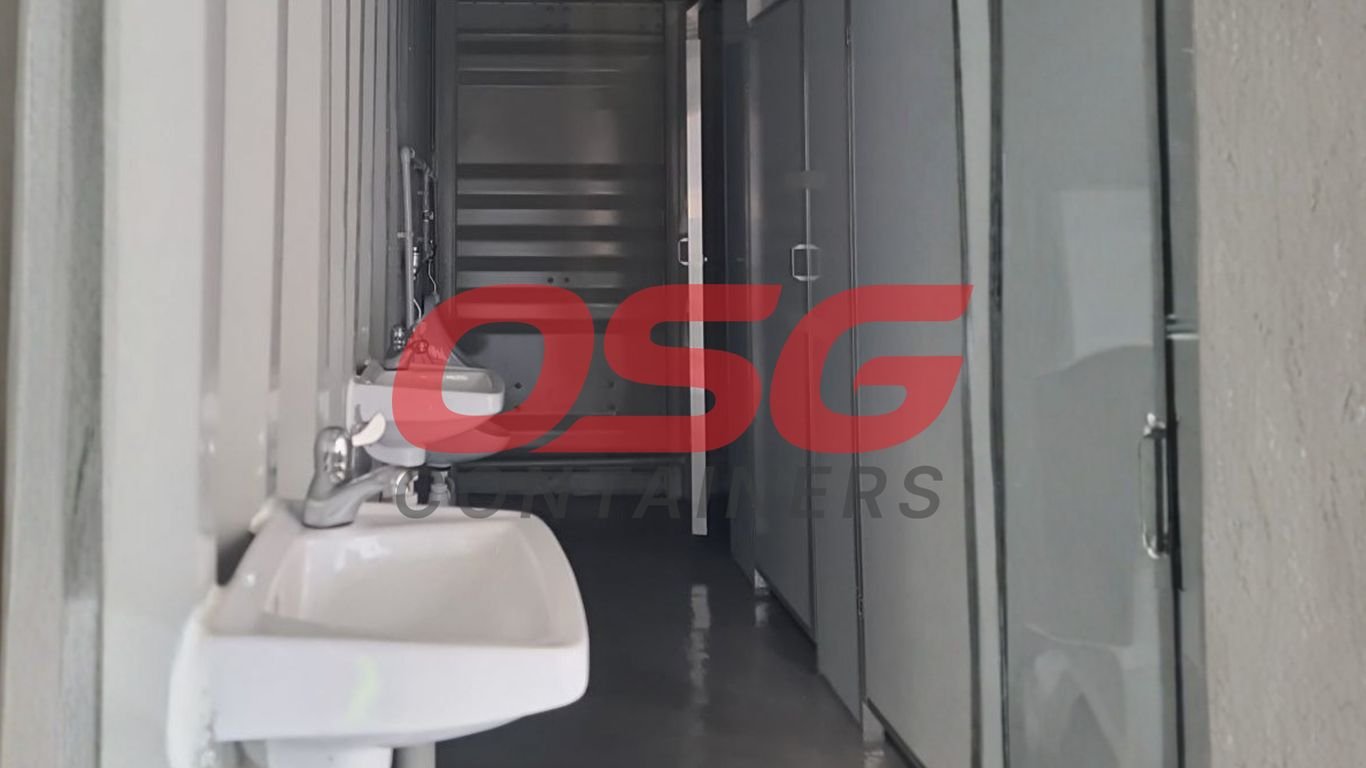
Renting a portable restroom might not sound like the most exciting part of planning an event or managing a job site, but let me tell you, getting it right makes a huge difference. It’s easy to just think about the basics, but there’s a lot more to portable restroom rental than just having a place to go. Whether you’re setting up for a wedding, a festival, or a busy construction zone, the right facilities keep everyone happy and comfortable. So, before you just grab the first option you see, let’s talk about some things that really matter beyond just cleanliness.
Key Takeaways
- When you’re looking into portable restroom rental, remember there are different types of units available, from basic models to fancy trailers with sinks and air conditioning. Pick the one that fits your event or site best.
- Where you put the portable restrooms is important. Think about how easy they are to get to, if they offer enough privacy, and how the placement will affect how often they need to be serviced.
- Regular servicing is a big deal. It means pumping out waste, cleaning the units, and making sure supplies like toilet paper and sanitizer are always stocked. Don’t skip this part.
- Consider extras that can make the experience better for users, like climate control for hot or cold weather, or even better interior design for VIP events. These touches can really improve comfort.
- Figure out how many units you actually need based on the number of people and how long they’ll be used. Also, check local rules and get any necessary permits to avoid problems.
Understanding Your Portable Restroom Rental Options
When you start looking into a portable restroom rental, you might be surprised by how many choices there actually are. It’s not just about the basic blue boxes you see at construction sites anymore. The world of portable toilets on rent has really expanded.
Exploring Different Types of Portable Restrooms
Think of the standard unit as the reliable workhorse. These are the porta john rental units that get the job done without a lot of fuss. They usually have a toilet and a urinal, plus toilet paper. They’re built to be tough and handle a lot of use, making them a common sight at building sites and large outdoor events where durability and cost are big factors. They’re functional, plain and simple.
- Standard Units: Great for construction sites and large, casual gatherings. They are budget-friendly and durable.
- Event Units: Often a bit cleaner looking than standard units, sometimes available in different colors for parties or festivals.
- Portable Toilet Shower Units: For longer events or situations where more facilities are needed, some companies offer units that include a shower, though these are less common than standard toilets.
The key is matching the type of unit to the event or job. A wedding has different needs than a week-long construction project, and picking the right kind of portable toilet makes a big difference in comfort and satisfaction for everyone using them.
Luxury and VIP Portable Toilet Trailers
Now, if you want to offer something a bit more upscale, there are luxury restroom trailers. These are a whole different ballgame. They’re more like actual bathrooms on wheels. You’ll find flushing toilets, sinks with running water (sometimes even hot water!), mirrors, good lighting, and often air conditioning or heating. These are perfect for weddings, corporate events, or any situation where you want guests to feel pampered and comfortable, no matter the weather.
ADA-Compliant Accessible Units
Accessibility is super important, and thankfully, there are specific units for that. ADA-compliant portable toilets are designed to be much larger than standard units. They have extra space inside so a wheelchair can easily fit and turn around. You’ll also find grab bars for support and a ramp for easy access. It’s not just about following rules; it’s about making sure everyone can use the facilities comfortably and safely. For public events, having these is often a legal requirement, but it’s also just the right thing to do. Even parents with strollers find the extra space helpful.
Here’s a quick look at what makes them different:
- Spacious Interior: Enough room for a wheelchair and a 360-degree turn.
- Safety Features: Includes sturdy grab bars for stability.
- Easy Access: Typically comes with a ramp for ground-level entry.
Strategic Placement for Optimal Use
Putting your portable restrooms in the right spot is a big deal. It’s not just about getting them there; it’s about making sure people can actually use them without any hassle. Think about where people will be walking and gathering. You don’t want to create a traffic jam right in front of the entrance to your event or block off a main pathway on a construction site. Good placement means convenience for users and smooth operations for everyone else.
Considering Site Layout and Accessibility
When you’re figuring out where to put these units, take a good look at the whole area. Is the ground level and firm? You don’t want units sinking into mud after a bit of rain or tipping over. Also, think about how people will get to them. If your event is spread out, or if workers are spread across a large job site, the restrooms need to be within a reasonable walking distance. Nobody wants to trek across a field or a busy construction zone just to find relief. It’s also important to consider the service vehicles. The company that services the units needs to be able to get their truck close enough, usually within 25-40 feet, to do their job without causing a disturbance.
Ensuring Privacy and Convenience
People expect a certain level of privacy when using the restroom, even if it’s a portable unit. Try to position them away from high-traffic viewing areas or main event stages. While you want them easy to find, you probably don’t want them to be the main attraction. Shaded areas are a bonus, especially during warmer months, as they can help keep the units cooler and reduce odors. Consider the flow of people – you want them to be accessible but not so close to food or gathering areas that they become a nuisance.
Impact of Placement on Servicing
Don’t forget about the people who will be servicing the units. Easy access for the service trucks is key. If the units are tucked away in a corner with no clear path for a truck, it can make their job much harder and potentially lead to delays in servicing. This can mean units fill up faster than expected or don’t get cleaned as often as they should. Think about:
- Clear pathways for service vehicles.
- Adequate space around the unit for servicing equipment.
- Avoiding placement that could lead to damage to the surrounding area during servicing.
- Proximity to water sources if handwashing stations are part of the rental.
Placing portable restrooms requires a bit of foresight. It’s about balancing the needs of the users with the practicalities of servicing and the overall flow of your site. A little planning upfront can prevent a lot of headaches down the road.
The Importance of Regular Servicing and Maintenance
So, you’ve got your portable restrooms delivered. Great! But just having them there isn’t the end of the story. Think of it like renting a car – you wouldn’t just drive it for a week straight without checking the oil, right? Portable restrooms need attention too, and that’s where regular servicing and maintenance come in. This is what keeps them usable and prevents a whole lot of potential headaches.
What Regular Servicing Entails
Servicing isn’t just a quick spray of air freshener. A proper service involves a few key things:
- Waste Pumping: The most obvious part is emptying the holding tank. This prevents overflows and keeps the unit from becoming unusable.
- Cleaning and Sanitizing: This means more than just wiping down the seat. Surfaces, walls, and floors get a good clean and sanitizing treatment to keep things hygienic.
- Restocking Supplies: Running out of toilet paper or soap is a common complaint. Servicing ensures these essentials are refilled.
- Exterior Wipe-Down: Especially for units in dusty or muddy areas, the outside can get pretty grimy. A quick rinse or wipe-down makes a difference.
Ignoring maintenance can lead to overflows, and let’s be honest—no one wants to deal with that. If a unit isn’t pumped out regularly, waste levels can rise high enough that the flushing mechanism stops working, or worse, users start seeing things they really don’t want to see. A full portable toilet isn’t just a nuisance; in some places, it can technically become a health code violation if waste starts leaking.
Frequency of Servicing for Different Needs
The "how often" really depends on the situation. There’s no one-size-fits-all answer.
- Large Events (Festivals, Concerts): With hundreds or thousands of people using a few units, daily servicing is often necessary. Sometimes, even multiple times a day might be needed during peak hours.
- Construction Sites: Usage is frequent but often more predictable. Weekly servicing is a common standard, but if you have multiple shifts running 24/7, you might need more frequent attention to keep up.
- Smaller Gatherings or Long-Term Rentals: For events lasting a few days or units placed for longer periods with moderate use, weekly or bi-weekly servicing might be sufficient. Always discuss this with your provider.
Here’s a general idea, but always confirm with your rental company:
| Scenario | Typical Servicing Frequency |
|---|---|
| High-Traffic Event | Daily or multiple times/day |
| Construction Site (Single Shift) | Weekly |
| Construction Site (Multiple Shifts) | Weekly or Bi-Weekly |
| Moderate Use (Long-Term) | Weekly or Bi-Weekly |
Restocking Supplies and Maintaining Hygiene
Beyond just emptying the tank, keeping the units stocked is key to a good experience. This means:
- Toilet Paper: Always have extra rolls available. Nothing frustrates people more than finding an empty dispenser.
- Hand Sanitizer/Soap: Depending on the unit, this is a must-have for basic hygiene.
- Paper Towels: If hand-washing stations are included, make sure they’re stocked.
- Trash Receptacles: Small trash bins inside and sometimes outside help keep the area tidy.
When a portable restroom goes too long without attention, even if the tank isn’t completely full, the combination of heat, humidity, and waste can create unpleasant odors and a generally unappealing environment. Regular servicing is the only way to combat this and ensure your guests or workers have a comfortable and sanitary experience.
Beyond Basic Units: Enhancing the Experience
Sure, a portable toilet does its job, but let’s be honest, sometimes they’re not exactly a highlight of an event or worksite. The good news is, you don’t have to settle for just the bare minimum. There’s a whole world of options out there that can make using a portable restroom a much more pleasant, even comfortable, experience. Think about it – a little extra thought can go a long way in making people feel cared for.
Amenities That Improve Comfort
When you’re looking beyond the standard porta-potty, you’ll find units that offer features you might not expect. These aren’t just about basic function; they’re about making the user’s time inside as comfortable as possible.
- Handwashing stations: Forget just hand sanitizer. Many upgraded units come with actual sinks, sometimes even with running water, which feels a lot more hygienic.
- Mirrors and shelves: Small touches like a mirror or a little shelf to put your phone or bag on can make a big difference.
- Better lighting: Adequate lighting isn’t just for safety; it makes the space feel less cramped and more welcoming.
- Music: Believe it or not, some high-end trailers even have built-in sound systems.
The goal here is to shift the perception of portable restrooms from a necessary inconvenience to a thoughtfully provided facility. It shows you’ve considered the comfort of your guests or workers.
Climate Control for All Weather Conditions
Nobody enjoys being too hot or too cold, especially when nature calls. This is where climate control really shines. For events in the sweltering heat of summer or the chilly winds of fall, having a unit with air conditioning and heating can be a game-changer. These climate-controlled trailers often feel more like a permanent building than a temporary setup. They can keep the temperature regulated, making the experience much more bearable, no matter what the weather is doing outside. It’s a feature that guests or employees will definitely appreciate, especially if they’re spending a lot of time at your event or site.
Interior Design and Ambiance
This is where things get really interesting. Forget the plain plastic walls of basic units. Some portable restroom trailers are designed with aesthetics in mind. You might find units with:
- Wood-grain flooring: Adds a touch of warmth and sophistication.
- Stylish countertops: Similar to what you’d find in a home bathroom.
- Pleasant color schemes: Moving away from stark white or industrial gray.
- Decorative elements: Sometimes even small touches like artwork or floral arrangements.
These upgraded units can significantly impact the overall feel of an event, especially for weddings, corporate functions, or any occasion where presentation matters. They demonstrate a commitment to providing a high-quality experience from start to finish.
Logistics and Compliance for Portable Restroom Rental
Determining the Right Number of Units
Figuring out how many portable restrooms you actually need can feel like a guessing game, but it’s really about a few key numbers. For events, a common rule of thumb is one unit for every 50 guests if the event lasts a full day. This number can go up if you’re serving a lot of drinks, especially alcohol, because people tend to use the facilities more often then. For construction sites, it’s a bit different. OSHA suggests having at least one unit for every 10 workers on a standard 40-hour work week. If your crew works longer hours or in hotter conditions, you might want to add more to keep everyone happy and productive.
Here’s a quick look at some general guidelines:
- Events: 1 unit per 50 guests (adjust for alcohol service and duration).
- Construction: 1 unit per 10 workers (adjust for hours and conditions).
- ADA-Compliant Units: At least 5% of your total units, with a minimum of one, should be accessible.
It’s always better to have a little extra capacity than not enough. Running out of restrooms is a surefire way to make your event or project memorable for all the wrong reasons.
Understanding Waste Capacity and Servicing Schedules
Portable restrooms have a certain capacity, and knowing this helps you plan for how often they’ll need to be serviced. Standard units can hold a good amount of waste, but for longer events or busy construction sites, you’ll need to think about regular pump-outs. Most rental companies offer weekly servicing as a standard for longer rentals, which includes emptying the tank, cleaning the unit, and restocking supplies. For shorter events, the servicing might just be part of the pickup process. Discussing your expected usage with your rental provider is key to setting up a servicing schedule that fits your needs.
Don’t forget that the blue liquid in the tank isn’t just for looks; it’s a special chemical mix that helps break down waste and control odors. Keeping these chemicals topped up is part of the servicing process, especially in warm weather.
Navigating Local Regulations and Permits
Depending on where you are and what kind of event or project you’re running, there might be local rules or permits you need to sort out for portable restroom rentals. Some cities or counties have specific requirements about the number of units, their placement, or even how waste is handled. It’s a good idea to check with your local city hall or health department early in your planning process. Getting this sorted out beforehand can save you a lot of headaches and potential fines down the line. Your rental provider might also be able to offer some guidance on common local requirements, but it’s always best to confirm yourself.
Choosing the Right Partner for Your Rental Needs
So, you’ve figured out the types of units you need and where they’ll go. That’s a big step! But who you rent from really matters. It’s not just about getting a blue box dropped off; it’s about the whole experience. A good rental company makes things easy, while a bad one can cause a whole lot of headaches.
What to Look for in a Portable Restroom Provider
When you’re shopping around, don’t just pick the first name you see. Think about what makes a company reliable. Here are a few things to keep in mind:
- Service Area and Availability: Make sure they actually serve your location and can deliver when you need them. Some companies only work in certain towns or have limited delivery days.
- Reputation and Reviews: See what other people are saying. Online reviews or asking for references can tell you a lot about their track record.
- Unit Condition: Ask about their cleaning process. Do they just hose them out, or do they use proper sanitizers? You want units that are genuinely clean, not just superficially wiped down.
- Communication: Are they easy to get a hold of? Do they answer your questions clearly? Good communication is key, especially if something unexpected comes up.
Picking the right company means you can stop worrying about the restrooms and focus on your event or project. It’s about peace of mind.
The Role of Delivery and Setup Services
Delivery and setup aren’t just an afterthought; they’re part of the service. A professional company will:
- Deliver on Time: This is huge. Late delivery can mess up your schedule, especially for events.
- Place Units Thoughtfully: They should help you figure out the best spots, considering accessibility for users and their service trucks, as well as aesthetics.
- Ensure Stability: Units should be set up securely, especially if they’re going on uneven ground.
- Provide Clear Instructions: They should explain how to use the unit and what to do if there’s an issue.
Evaluating Service Packages and Add-Ons
Most companies offer more than just the basic unit. Think about what extras might be worth it for your situation:
- Servicing Frequency: How often will they pump out the waste and restock supplies? For longer rentals or high-traffic events, more frequent servicing is a must.
- Supply Restocking: Do they include toilet paper, hand sanitizer, or even paper towels? Make sure this is clear in your agreement.
- Emergency Services: What happens if a unit breaks or gets damaged? Do they offer quick response times for urgent issues?
| Service Type | Standard Package | Premium Package | Notes |
|---|---|---|---|
| Pumping Frequency | Weekly | Bi-weekly | More frequent for high-usage situations |
| Hand Sanitizer | Included | Included | Always a good idea |
| Paper Towel Dispenser | Add-on | Included | For luxury units or high-end events |
| Emergency Call-out | Within 24 hours | Within 4 hours | For urgent repairs or issues |
Environmental Considerations in Portable Sanitation
Water Conservation Benefits
When you think about portable restrooms, you might not immediately consider their environmental impact, but they actually have some pretty good points going for them. Unlike traditional flush toilets that can use gallons of water per flush, portable units are designed to work differently. They use special fluids and chemicals to break down waste, which means a lot less water is needed. This is a big deal, especially in areas where water is scarce or during times of drought. Choosing well-maintained portable toilets can genuinely be a greener option than relying solely on standard plumbing, particularly for large-scale events or construction sites where the water savings really add up.
Eco-Friendly Products and Disposal Methods
Beyond just saving water, the portable restroom industry is also moving towards more eco-friendly products and disposal practices. Many rental companies now use biodegradable cleaning agents and deodorizers that are less harsh on the environment. When it comes to waste disposal, responsible companies follow strict protocols to ensure that waste is treated and disposed of properly, preventing contamination of local soil and water sources. It’s not just about keeping things clean for users; it’s about doing it in a way that’s kind to the planet.
Reducing Environmental Footprint
So, how does all this help reduce your overall environmental footprint? For starters, the reduced water usage is a significant factor. Think about a large festival with thousands of attendees; if everyone were using traditional restrooms, the water consumption would be enormous. Portable units drastically cut that down. Furthermore, by using efficient cleaning methods and less-intensive chemicals, the impact on wastewater treatment systems is lessened. Responsible disposal practices also play a key role in preventing pollution. When you rent from a provider that prioritizes these aspects, you’re making a more sustainable choice for your event or project.
The efficiency of portable restrooms in high-traffic situations is often overlooked. They provide a necessary service without the immense water demands that traditional facilities would incur, making them a surprisingly sustainable solution for events and temporary sites. This water-saving aspect is particularly important in regions facing water scarcity.
Wrapping It Up
So, renting a portable restroom isn’t just about finding the cheapest option or the one that looks okay from the outside. It’s about making sure everyone who uses it has a decent experience. Whether it’s for a big party, a wedding, or a job site, thinking about things like how many units you really need, where they’ll go, and if they’ll get serviced regularly makes a big difference. Get it right, and nobody notices – which is the goal. Get it wrong, and trust me, people will remember. So, plan ahead, talk to your rental company, and aim for comfort and convenience for all.
Frequently Asked Questions
Are there different kinds of portable toilets, and do they vary a lot?
Yes, there are definitely different types! Beyond the basic portable potty you might see on a construction site, there are fancier options like luxury restroom trailers. These can have flushing toilets, sinks with running water, mirrors, lighting, and even heating or air conditioning. They offer a much more comfortable and upscale experience for events where you want guests to feel special.
Why is the placement of portable restrooms so important?
Where you put the restrooms matters a lot for how easy they are to use and how often they get used. You want them to be easy for people to find and get to, but also in a spot that offers some privacy. Good placement also makes it easier for the service trucks to get to them for cleaning. If they’re hard to reach or not private, people might avoid using them, which isn’t good for anyone.
How often do portable restrooms need to be cleaned and restocked?
Regular cleaning and restocking are super important to keep them usable and hygienic. For shorter events, this might just happen after the event. But for longer projects or events, they usually need servicing weekly. This means pumping out the waste, cleaning the inside, and making sure there’s enough toilet paper and sanitizer.
What extra features can make portable restrooms more comfortable?
You can add things to make them more comfortable! Some luxury trailers have features like music, better lighting, and even decorative touches. For weather, climate control like air conditioning or heating can make a huge difference, keeping guests cool in the summer or warm in the winter. Having actual sinks with soap and paper towels instead of just hand sanitizer also adds a lot of comfort.
How do I know how many portable restrooms I need, and what about rules?
Figuring out the right number usually depends on how many people will be there and for how long. A general rule for events is about one unit for every 50 guests, and for construction sites, one for every 10 workers. Your rental company can help with this. They also know about local rules and permits, which are important to follow to avoid fines or problems.
Are portable restrooms bad for the environment?
Actually, portable restrooms can be more eco-friendly than you might think! Traditional toilets use a lot of water with every flush, but portable units use special chemicals to break down waste, saving water. Many companies also use biodegradable cleaning products and eco-friendly deodorizers. For big events or sites, using portable toilets can significantly cut down on water usage compared to relying solely on traditional plumbing.