Singapore
 Australia
 Indonesia
 Japan
Japan Malaysia
 New Zealand
 Philippines
 South Korea
 Taiwan
 Thailand
 VIETNAM
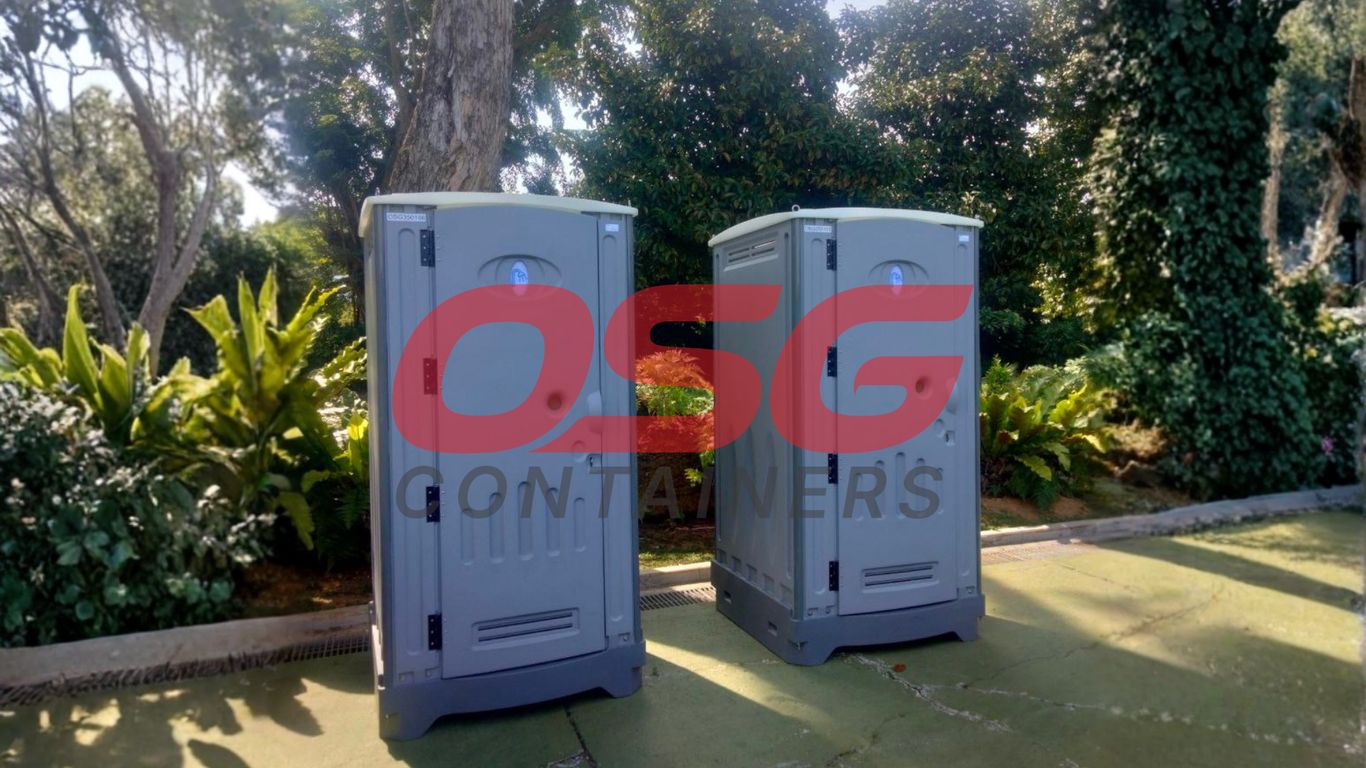
Thinking about renting a porta potty? It’s a common solution for events and job sites, but have you ever stopped to consider the environmental side of things? It’s not just about having a place to go; it’s about how that waste is handled and what impact it has. We’re going to break down the environmental considerations for porta potty rental and look at some responsible ways to manage the waste. Let’s get into it.
Key Takeaways
- Porta potty waste contains human excreta, toilet paper, and chemicals. Improper disposal can contaminate soil, groundwater, and surface water, posing health risks and harming ecosystems. Regular maintenance and responsible handling are vital.
- Choosing service providers who use biodegradable cleaning products and minimize transportation emissions helps reduce the environmental footprint of porta potty rentals. Look for companies with eco-conscious practices.
- Adhering to federal and local regulations for waste disposal is non-negotiable. Implementing regular maintenance schedules and understanding waste treatment processes are crucial for responsible management.
- Portable toilets can prevent disease transmission by containing waste safely. Proper hygiene standards, along with mitigating insect and pest attraction through regular servicing, are important for public health.
- Innovative solutions like waterless urinals and composting options, along with advanced waste digestion systems and eco-conscious unit designs, are emerging to make portable sanitation even more sustainable.
Understanding Porta Potty Rental Environmental Impacts
When you rent portable toilets, it’s not just about convenience; there are some environmental things to think about. While they can be a good choice for certain situations, especially when compared to building permanent structures, how they’re managed really matters. If things aren’t done right, there can be some downsides.
Potential For Soil And Water Contamination
This is probably the biggest worry. If the waste tanks aren’t properly sealed or if there are leaks, the contents can seep into the ground. This can contaminate the soil, making it unsuitable for growing plants or even affecting agricultural land. Even worse, this contamination can make its way into groundwater, which is often a source of drinking water. Imagine that – drinking water getting messed up because of a leaky porta potty. It’s not just groundwater, either. Stormwater runoff can carry waste from poorly managed units into rivers, lakes, and streams, harming aquatic life and making the water unsafe for recreation.
Air Quality And Ecosystem Concerns
Beyond just leaks, there are other ways porta potties can affect the environment. Strong odors can be a real nuisance, especially if units are placed too close to homes or public areas. These smells aren’t just unpleasant; they can indicate that waste is breaking down improperly, potentially releasing gases. Also, if waste is disposed of incorrectly, it can disrupt local ecosystems. Think about how sensitive natural areas can be. Introducing waste where it doesn’t belong can upset the balance of plants and animals.
Risks Of Improper Waste Disposal
Improper disposal is the root of many of these problems. It’s not enough to just have the units; the waste has to be treated and disposed of according to regulations. If waste haulers aren’t careful, or if disposal sites aren’t equipped to handle the load, the environmental damage can be significant. This includes:
- Soil Contamination: Pathogens and chemicals can leach into the ground.
- Water Pollution: Runoff can contaminate surface and groundwater sources.
- Odor Issues: Poor management leads to unpleasant and potentially harmful smells.
The way portable toilet waste is handled is key. It needs to be transported to approved facilities where it can be treated properly, often through processes like anaerobic digestion or other methods that neutralize waste and prevent environmental harm. Skipping these steps is where the real trouble starts.
Choosing a rental company that is transparent about their waste disposal practices is a big step in the right direction. You want to know that they’re not just dumping the waste somewhere it shouldn’t be. Asking about their treatment processes and disposal manifests can give you peace of mind.
Eco-Friendly Porta Potty Rental Practices
When you’re planning an event or managing a construction site, thinking about the environmental side of things is a good move. Renting portable toilets, or porta potties as many call them, can actually be a pretty green choice if you do it right. It’s all about making smart decisions from the start.
Choosing Sustainable Service Providers
Picking the right company for your portable john rental makes a big difference. Look for providers who are upfront about their eco-friendly practices. This could mean they use newer, more fuel-efficient trucks for delivery and servicing, which cuts down on emissions. A local portable toilet rent company can also mean shorter travel distances, further reducing that carbon footprint. Ask them about their waste disposal methods – are they compliant with all regulations and do they use advanced treatment processes? Some companies even offer specialized eco-friendly units.
Utilizing Biodegradable Cleaning Products
What goes into cleaning those temporary toilet rental units matters. Traditional cleaning chemicals can sometimes be harsh and end up in the environment. The best providers use biodegradable soaps and sanitizers. These break down naturally, meaning they’re less likely to cause harm to soil or water if any spills happen. It’s a small detail, but it adds up. You want to make sure the portable bathroom rental you choose is thinking about this.
Minimizing Transportation Emissions
Think about how often those units need to be serviced. Companies that use smart routing software or have a strong local presence can cut down on the miles their trucks drive. Fewer miles mean less fuel burned and fewer greenhouse gases released into the air. It’s a practical way to make sure your portable toilet rent doesn’t have an unnecessary environmental cost. Some services even use alternative fuels or electric vehicles for their routes, which is even better.
Making conscious choices about your portable restroom rental provider and the products they use can significantly reduce the environmental impact. It’s about partnering with businesses that share a commitment to sustainability and responsible waste management.
Here are some things to look for when choosing a provider:
- Service Frequency: Discuss how often the units will be serviced. More frequent, efficient servicing can prevent overflow and reduce the need for emergency trips.
- Unit Type: Inquire about units with features like low-water usage handwashing stations or even composting options if available.
- Waste Treatment: Understand their process for treating the waste. Responsible treatment prevents pollution and ensures compliance.
- Local Operations: Prioritize companies with local depots to minimize delivery and service travel.
| Feature | Standard Unit | Eco-Friendly Unit | Benefit |
|---|---|---|---|
| Cleaning Chemicals | Standard | Biodegradable | Reduced water and soil contamination |
| Transportation Emissions | Average | Minimized | Lower carbon footprint |
| Water Usage (Handwashing) | Varies | Low/Waterless | Conserves water resources |
| Waste Disposal | Standard | Advanced Treatment | Better environmental protection |
Responsible Waste Management For Porta Potties
Adhering To Federal And Local Regulations
When you rent porta potties, it’s not just about dropping them off and picking them up. There are rules, and they’re pretty important for keeping things safe and clean. The Environmental Protection Agency (EPA) lays down some general guidelines for how this waste should be handled, focusing on making sure it doesn’t end up polluting our soil or water. Think of it as a baseline for responsible practices.
But it doesn’t stop there. States and local towns often have their own specific rules. These can get pretty detailed, sometimes dictating exactly what kind of containers to use or where and when waste can be dropped off for treatment. It’s up to the rental company, and frankly, it’s good for us as renters to be aware, to know these rules and follow them. Ignoring them can lead to fines and, more importantly, environmental damage.
Keeping track of all these regulations, from federal mandates to city ordinances, is a big part of what makes a porta potty rental company reliable. It shows they’re serious about doing things the right way, not just the easy way.
Implementing Regular Maintenance Schedules
Regular maintenance isn’t just about making sure the porta potty doesn’t smell too bad; it’s a key part of responsible waste management. A good service schedule means the tanks are emptied before they get too full, which drastically cuts down on the risk of spills or leaks. Leaks are a major environmental no-no, potentially contaminating the ground and nearby water sources.
Here’s a general idea of what a good maintenance schedule looks like:
- Light Use Units: Typically need servicing about once a week.
- Medium to High Use Units: These often require attention every few days, sometimes even daily, especially at busy events.
- Event Clusters: Large groups of units at an event usually need daily checks and servicing to keep up with demand.
It’s not a one-size-fits-all thing, though. The best companies adjust their schedules based on actual usage and any complaints they receive, rather than just sticking to a rigid calendar. This proactive approach prevents problems before they start.
Understanding Waste Treatment Processes
So, what actually happens to the waste once it’s pumped out of the porta potty? It doesn’t just disappear. The waste is transported to specialized treatment facilities. These places are designed to handle this specific type of waste, which is different from the stuff that goes down your home’s sewer line.
At these facilities, the waste goes through various processes to break it down and neutralize it. This can involve biological treatment, where microbes help decompose the waste, or other methods to make it safe for disposal. The goal is to treat the waste so it doesn’t harm the environment when it’s finally disposed of. Understanding that there’s a proper, regulated process involved is important for appreciating the full scope of responsible porta potty management.
Health And Safety Considerations With Porta Potties
Preventing Disease Transmission
Keeping porta potties clean and well-maintained is super important for stopping the spread of germs. When these units aren’t looked after properly, they can become breeding grounds for bacteria and viruses. This is especially true if waste tanks overflow or if handwashing facilities aren’t available or stocked. Regular cleaning and prompt servicing are the best ways to keep everyone safe. Think about it – if a unit is overflowing or smells really bad, people are less likely to use the hand sanitizer provided, if there even is any.
Here’s a quick rundown of what helps:
- Frequent Servicing: High-traffic areas need daily attention. Less busy spots might be okay with weekly cleanings, but it’s best to check usage.
- Hand Hygiene Stations: Always make sure there are handwashing stations or at least hand sanitizer readily available and refilled.
- Proper Waste Handling: Service crews need to use protective gear and follow safe procedures when pumping out the tanks.
Mitigating Insect And Pest Attraction
Nobody likes dealing with bugs or pests, and porta potties can unfortunately attract them if not managed right. Odors are a big draw, and standing water or waste can create a perfect environment for insects to breed. This isn’t just annoying; it can also be a health hazard.
To keep pests away:
- Keep Units Sealed: Ensure the waste tanks are properly sealed when not being serviced.
- Use Deodorizers: Employing effective, and ideally eco-friendly, deodorizing agents can significantly reduce odors that attract pests.
- Regular Pumping: Don’t let waste build up. Pumping units before they get too full is key.
The self-contained nature of porta potties helps keep waste separate from users, but only when the units are properly maintained. Licensed professionals handle the waste, using sealed trucks to prevent spills and protect the environment during transport and disposal.
Ensuring User Hygiene Standards
Beyond just preventing disease, good hygiene in portable restrooms makes them more pleasant to use. This means having enough toilet paper, keeping the units clean, and making sure they are accessible. It’s about respecting the people who need to use them.
Key hygiene points include:
- Stocking Supplies: Always check that toilet paper, soap, and paper towels (if applicable) are refilled.
- Cleanliness: Surfaces should be wiped down regularly, and the overall unit should be free of debris.
- Ventilation: Good airflow helps reduce odors and makes the experience better for users.
Innovative Solutions In Portable Sanitation
Waterless Urinal And Composting Options
So, portable toilets are great and all, but they can use a lot of water, right? Well, good news! There are some pretty neat alternatives popping up. Waterless urinals are a big one. These things don’t need any flushing. They use a special liquid or a clever design to keep smells away. Think about it – each one can save a ton of water every year. That’s not just good for the planet, but it also means less energy used for treating all that water. Then you’ve got composting toilets. These use natural processes to break down waste into something safe that can even be used as fertilizer. They don’t need water at all, which is a huge win for conservation. They’re becoming more common at big outdoor events and festivals.
Advanced Waste Digestion Systems
Beyond just saving water, there are also ways to deal with the waste itself more effectively. Some systems use processes that break down the waste, making it smaller and less smelly. It’s kind of like a mini-treatment plant right there. The really cool part? Some of these systems can even capture a byproduct called biogas, which can then be used as a renewable energy source. Imagine that – turning waste into power! This approach really cuts down on the volume of waste that needs to be transported and treated elsewhere, which is a big environmental plus.
Eco-Conscious Unit Design
It’s not just about the technology inside, but also how the units themselves are made and used. Companies are starting to think about the materials used to build these portable restrooms, aiming for more sustainable options. Plus, the way they’re serviced is getting smarter. Think about regular maintenance that prevents leaks and keeps things clean, reducing the chance of any waste getting into the environment. It’s all about making the whole system, from the unit itself to how it’s cleaned and emptied, as gentle on the planet as possible. The goal is to make portable sanitation as green as the outdoor spaces they serve.
The push for better portable sanitation isn’t just about convenience; it’s about actively reducing our impact. By embracing new technologies and smarter designs, we can make sure that temporary facilities don’t leave a lasting negative mark on the environment. It’s a win-win for events, construction sites, and the planet.
Benefits Of Porta Potty Rentals For Sustainability
Renting porta potties might not be the first thing you think of when planning an eco-friendly event or project, but they actually offer some pretty solid advantages for the environment. It’s all about making smart choices that help conserve resources and keep things cleaner.
Reduced Water Consumption Compared To Traditional Toilets
This is a big one. Traditional flush toilets use a surprising amount of water. We’re talking gallons per flush, which adds up fast, especially at large events or busy construction sites. Porta potties, on the other hand, are designed to use very little water, sometimes just a pint or two per use. This means a huge saving of a precious resource.
- A standard flush toilet can use up to 1.6 gallons per flush.
- Porta potties typically use a fraction of that, often less than a pint.
- This can lead to savings of thousands of gallons of water over the course of an event or project.
By opting for portable sanitation, you’re directly contributing to water conservation efforts, which is vital in many regions.
Efficient Waste Containment And Management
When you have a lot of people in one place without proper facilities, waste can end up where it shouldn’t – think overflowing trash cans, or worse, contaminating soil and waterways. Porta potties provide a contained solution. They are designed to hold waste securely, preventing leaks and spills. This containment is key to stopping pollution before it starts. The waste is then collected and transported to specialized facilities for proper treatment, rather than just being dumped.
Supporting Green Event Planning
More and more, people want their events to be sustainable. Renting porta potties fits right into this. It shows you’ve thought about the environmental impact of your gathering. It’s a practical step that helps manage waste responsibly, reduces the strain on local infrastructure, and contributes to a cleaner environment for everyone. It’s a simple choice that makes a difference in how green your event truly is.
Wrapping It Up: Porta Potties and Our Planet
So, when you’re planning an event or a construction project, remember that porta potties aren’t just a convenience. They can actually be a pretty good choice for the environment if handled right. By picking responsible companies that follow the rules and use cleaner products, you’re helping keep our soil and water safe. It’s about making smart choices that benefit everyone, now and down the road. Think of it as a small step that adds up to a cleaner world for all of us.
Frequently Asked Questions
Are porta potties bad for the environment?
Porta potties can be good for the environment when used and managed correctly. They use way less water than regular toilets. The waste is collected and taken to special places to be cleaned up safely. If not handled right, though, the waste could mess up the soil and water.
How is porta potty waste cleaned up?
Waste from porta potties is taken to treatment centers. There, it goes through steps like filtering and cleaning to get rid of germs and bad stuff. Sometimes, the treated water can be safely returned to nature, or the leftover solids can be made into fertilizer.
What happens if porta potty waste isn’t disposed of properly?
If the waste isn’t handled right, it can leak into the ground and pollute the soil. It can also get into rivers and lakes, hurting plants and animals. This can even make drinking water unsafe and cause health problems for people.
Are there special rules for porta potty waste?
Yes, there are rules from the government and local health departments. These rules make sure that porta potty waste is collected, moved, and treated in a way that keeps people and the environment safe. Companies that rent porta potties have to follow these rules.
What are some eco-friendly options for porta potties?
Some newer porta potties use less water or even no water, like special urinals. There are also ones that can turn waste into compost. Using cleaning supplies that break down naturally, instead of harsh chemicals, also helps make them more eco-friendly.
How can I make sure my porta potty rental is environmentally friendly?
You can ask the rental company if they use green cleaning products and if they have a good plan for waste disposal. Choosing a local company can also cut down on travel emissions. Making sure the porta potties are cleaned regularly helps prevent problems too.