Singapore
 Australia
 Indonesia
 Japan
Japan Malaysia
 New Zealand
 Philippines
 South Korea
 Taiwan
 Thailand
 VIETNAM
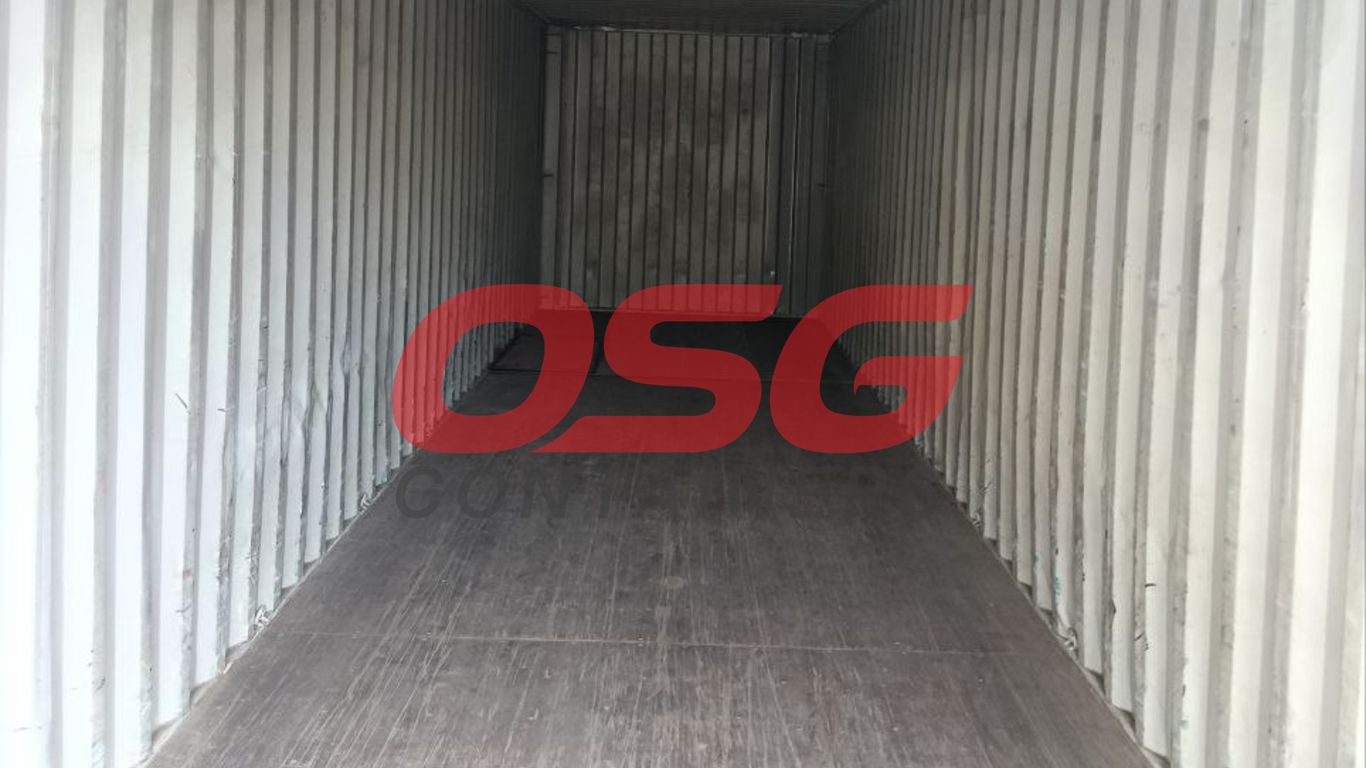
When you’re dealing with shipping, sometimes the standard box just doesn’t cut it. That’s where open top containers come in. They’re not your everyday shipping boxes, but they solve some pretty specific problems. Think big, bulky stuff that just won’t fit through a regular door. This article breaks down what open top containers are all about, what they’re good for, and how they stack up against other options. We’ll look at loading, protecting your goods, and even where to find them. It’s all about making sure your cargo gets where it needs to go, no matter its shape or size.
Key Takeaways
- Open top containers are designed for cargo that’s too tall or oddly shaped for standard containers, allowing for top-loading with cranes.
- They offer easier loading for bulky items like machinery, construction materials, and logs, using lashing rings to keep things secure.
- While they provide access for oversized items, they need extra protection like tarps or hard covers, as they aren’t fully weather-tight.
- Compared to standard containers, open top versions can be more expensive and harder to find, especially high-cube models.
- They are a specialized option, often compared to flat racks and open-side containers, each suited for different types of awkward or large cargo.
Understanding Open Top Containers
Defining Open Top Shipping Containers
So, what exactly is an open-top shipping container? Think of it like a standard shipping container, but with one major difference: no fixed roof. Instead, it has a removable cover, usually a heavy-duty tarp or sometimes a hard shell. This design change makes a big difference for certain types of cargo. Unlike a regular container where you have to load everything through those end doors, an open top lets you load from the top. This is a game-changer for stuff that’s too tall, too wide, or just awkward to get through standard doors. It’s not really meant for things like liquids that might go in an isotank, but more for solid, bulky items.
Key Features and Design Elements
The main thing is that removable roof. It can be a sturdy tarp that ties down, or a more solid steel top. This makes it super easy to use cranes or other lifting gear to put things in from above. You’ll still find the standard cargo doors at one end, which are useful for some things, but the real advantage is that open sky above. They also have these things called lashing rings all around the inside walls. These are super strong points where you can tie down your cargo securely, making sure it doesn’t shift around during transit. This is pretty important when you’re hauling big, heavy stuff.
Distinguishing from Standard Containers
The biggest difference, obviously, is that roof. A standard container is built to be completely sealed and weather-tight. An open top, because of its removable cover, isn’t usually considered wind and water-tight. So, while the tarp offers protection, it’s not the same as a solid, sealed roof. This means you have to be a bit more careful about what you’re shipping and where it’s going. You can’t just throw anything in there and expect it to stay perfectly dry if a storm hits. Also, because of that open top, it’s not rodent-proof either, which is something to keep in mind.
While open-top containers offer unique loading advantages, their construction means they aren’t fully sealed against the elements. This makes them less suitable for cargo that requires absolute protection from rain, snow, or pests, unlike a standard dry van or a specialized container like an isotank designed for liquid transport.
Here’s a quick look at how they stack up:
- Standard Container: Fixed roof, side doors for loading, fully enclosed and weather-tight.
- Open Top Container: Removable roof (tarp or hard shell), top-loading capability, not fully weather-tight, has lashing points.
- Isotank: Designed specifically for liquids and gases, not comparable for dry bulk cargo.
Loading and Securing Cargo
Advantages of Top Loading
One of the biggest perks of using an open-top container is how easy it is to load things from the top. Forget trying to shove big items through a standard door. With an open top, you can just use a crane or a hoist to lift your cargo right in. This is a game-changer for really tall or awkwardly shaped stuff that just wouldn’t fit otherwise. It makes loading bulky items much simpler and faster. Think huge machinery parts, large pre-fabricated building sections, or even big rolls of material. You can position these items precisely where they need to go inside the container without all the usual hassle.
Utilizing Lashing Rings for Stability
Once your cargo is inside, keeping it from shifting around during transit is super important. Open-top containers come with these things called lashing rings. They’re basically strong metal loops welded onto the inside walls and floor of the container. You can attach straps, ropes, or chains to these rings to tie down your cargo securely. This stops it from sliding or tipping over, especially when the ship is moving on the water or the truck is going over bumps. It’s a pretty straightforward system, but it works really well for keeping everything stable.
Here’s a quick rundown of how they help:
- Prevents Shifting: Stops cargo from moving forward, backward, or sideways.
- Reduces Damage: Less movement means less chance of items bumping into each other or the container walls.
- Improves Safety: Secure cargo is safer for everyone handling it.
Crane and Hoist Accessibility
As mentioned, the open top design really shines when you’re using heavy lifting equipment. Cranes and hoists can easily access the entire interior of the container from above. This is not only faster but also safer for loading and unloading large, heavy, or irregularly shaped items that would be a nightmare to maneuver through standard container doors. It really opens up possibilities for what you can ship and how you can get it loaded.
Loading and securing cargo in an open-top container requires a bit more thought than a standard unit. While the top access is a huge benefit for bulky items, you’ve got to make sure everything is tied down properly using the lashing points. Without a solid roof, the cargo is more exposed, so good securing is your primary defense against movement and damage during the journey.
Ideal Cargo for Open Top Solutions
Handling Bulky and Irregularly Shaped Items
So, you’ve got stuff that just won’t fit through a regular door, right? That’s where open top containers really shine. Think about things that are just too tall or too wide. Loading them from the side of a standard container can be a real headache, and sometimes, it’s just not possible without risking damage to the cargo or the container itself. With an open top, you can just lift it straight in from above. This makes loading and unloading significantly easier and safer for those awkward, oversized pieces. It’s like having a giant lid you can take off to get things in and out.
Construction and Industrial Materials
Construction sites and heavy industry often deal with materials that are anything but standard. We’re talking about things like steel beams, large pipes, rebar bundles, or even pre-fabricated building sections. These items are usually too long, too wide, or just too heavy to maneuver easily through conventional container doors. Cranes are often already on-site for other tasks, so using them to lift these materials directly into an open top container makes a lot of sense. It speeds up the loading process and reduces the need for complex rigging or multiple handling steps. Plus, once loaded, a tarp can be thrown over the top to keep the elements off.
Oversized Machinery and Equipment
When you’re shipping big machinery, like industrial generators, large engines, or specialized manufacturing equipment, standard containers often just don’t cut it. The door openings, even on high-cube models, can be restrictive. Open top containers remove that restriction. You can easily load these heavy, bulky items from above using cranes or other heavy lifting gear. This is especially helpful for delicate or valuable machinery where minimizing movement and handling is key. It’s not just about fitting it in; it’s about getting it in without causing any damage during the loading process.
Remember, while open tops offer great loading flexibility, they aren’t completely sealed like standard containers. The removable tarp or hard top provides protection, but it’s not a substitute for a fully watertight and rodent-proof enclosure. Always consider the nature of your cargo and the transit environment.
Weather Protection and Covers
When you’re dealing with an open top container, the biggest question mark is usually how to keep your stuff dry and safe from the weather. Since there’s no solid roof, you’ve got a couple of main options for covering things up.
Removable Tarp Systems
This is the most common setup. Think of a heavy-duty tarp, usually made of vinyl or a similar tough material, that gets stretched over the top of your cargo and secured to the container’s frame. It’s pretty flexible and can handle oddly shaped loads better than a rigid roof might. The tarp is often held in place with straps or a locking mechanism that attaches to the container’s side rails. It’s not exactly a fortress against a hurricane, but for most rain and wind, it does a decent job.
- Flexibility: Can be adjusted to fit various cargo shapes.
- Ease of Use: Relatively simple to put on and take off.
- Cost-Effective: Generally cheaper than hard shell options.
- Storage: Can be rolled up or folded when not in use.
While tarps offer a good level of protection for many situations, it’s important to remember they aren’t completely waterproof or airtight. Heavy, prolonged rain or strong winds can sometimes find their way in, especially if the tarp isn’t perfectly tensioned or if the cargo itself has gaps.
Hard Shell Cover Options
Some open top containers come with a removable hard shell roof, often made of steel. This gives you a more robust cover than a tarp. It’s great for situations where you need a bit more security or a more solid barrier against the elements. Loading might be a little trickier with a hard shell, as you have to maneuver it into place, but once it’s on, it feels pretty secure. These are less common than tarps but are available for specific needs.
Limitations in Weatherproofing
It’s really important to be realistic about what an open top container can protect against. Even with a cover, these containers are generally not considered wind and water-tight. Unlike a standard dry van with its sealed metal walls and roof, the open top design inherently has potential weak points. If you’re shipping something that absolutely cannot get wet or is sensitive to dust and debris, you need to be extra careful. Think about how the cover attaches, if there are any gaps, and the typical weather conditions you expect during transit. For highly sensitive items, you might need to consider additional internal packaging or a different container type altogether.
| Feature | Tarp System | Hard Shell Cover |
|---|---|---|
| Protection Level | Good against rain, moderate wind | Very good against rain, strong wind |
| Flexibility | High, adapts to cargo shape | Moderate, requires precise fit |
| Security | Moderate | High |
| Loading Ease | Generally easier | Can be more complex to position |
| Durability | Can wear over time, prone to tears | Very durable |
| Cost | Lower initial cost | Higher initial cost |
Types and Availability of Open Top Containers
When you start looking into open top containers, you’ll find they aren’t quite as common as your standard shipping container. Think of them as a bit more specialized. They’re not usually built from scratch as ‘open tops’ in the same way a regular 20 ft container is. More often, they’re actually modified from standard units. This means a regular container might have its roof cut off and then reinforced to handle the load without that top support.
Factory-Built vs. Modified Units
Most open top containers you’ll come across are actually standard containers that have been converted. This process involves cutting off the original roof and adding extra structural support, especially around the frame and floor, to make up for the missing top. This modification is what allows them to be loaded from above. While this makes them more accessible in terms of modification, it also means they might have slightly different load capacities or handling requirements compared to a container that was designed as an open top from the factory, which is rare.
Considerations for High-Cube Models
Just like with standard containers, open tops come in different heights. You’ll often find them in the standard 8’6" height, but high-cube versions (which are about 9’6" tall) are also available. A high-cube open top shipping container gives you that extra foot of vertical space, which can be a big deal if you’re trying to fit something just a little too tall for a regular unit. This extra height is a key reason people opt for these specialized containers.
Market Availability and Sourcing Challenges
Finding an open top container, especially a specific size like a 20 foot sea container or a 20 ft container in good condition, can be a bit of a hunt. Because they’re not as widely produced as standard containers, their inventory is usually smaller. This means you might have to do a bit more searching, and sometimes, prices can be a little higher due to the limited supply. It’s not uncommon to need a bit of help from a supplier to find the right unit that fits your needs and budget.
- Limited Inventory: Fewer open tops are manufactured compared to standard containers.
- Modification Process: Most are converted, adding complexity.
- Sourcing Difficulty: Finding specific sizes or conditions can take time.
- Specialty Pricing: Due to demand and limited supply, costs can vary.
When looking for an open top shipping container, remember that their availability can be more restricted than standard models. This often means a bit more legwork is involved in sourcing the right unit, and you might encounter different pricing structures compared to a typical 20 ft container.
Comparing Open Top Containers to Alternatives
So, you’ve been looking at open top containers, and maybe you’re wondering how they stack up against the more common types of shipping containers out there. It’s a good question, because while an open top is great for certain jobs, it’s definitely not a one-size-fits-all solution. Let’s break down how they compare to some other options you might run into.
Open Top vs. Standard Dry Vans
This is probably the most common comparison. Standard dry vans are your everyday, all-purpose shipping containers. They’ve got solid roofs and doors at one end, and they’re built to keep everything inside protected from the elements. They’re great for palletized goods, boxes, and anything that fits through those doors without a fuss.
The biggest difference? Access and height. Standard containers are enclosed, meaning you load and unload through those end doors, usually with forklifts. Open tops, on the other hand, let you load from the top. This is a game-changer if you’ve got really tall items, machinery, or just stuff that’s awkward to get through a regular door. Think of loading a big piece of equipment with a crane – an open top makes that way easier.
Here’s a quick look:
| Feature | Standard Dry Van | Open Top Container |
|---|---|---|
| Roof | Solid metal | Removable tarp or hard top |
| Primary Loading | End doors | Top, plus end doors |
| Weather Protection | Fully enclosed, watertight | Tarp offers protection, but not fully sealed |
| Best For | Pallets, boxes, standard cargo | Bulky, tall, irregular items |
Of course, that open top means it’s not going to be as secure against wind, rain, or critters as a fully sealed standard container. You’ll need to make sure that tarp is on tight!
Open Top vs. Open Side Containers
Now, this is where things get interesting. Both have "open" in their name, but they open in different ways. An open side container is pretty much a standard container, but one of its long sides opens up completely, usually with bi-fold doors. This gives you access along the entire length of the container.
- Open Side: Think of it like a walk-in closet for your cargo. Great for loading and unloading with forklifts from the side, or for organizing items that you need to access frequently. It’s fully enclosed when the side doors are shut, offering good weather protection.
- Open Top: As we know, this one is all about top access. It’s ideal for things that need to be lifted straight in or out from above, like heavy machinery or construction materials.
So, if you’re loading a bunch of stuff that needs to be easily reached from the side, an open side might be your pick. If you’re lifting something tall with a crane, the open top is the way to go.
Open Top vs. Flat Rack Containers
Flat racks are a whole different ballgame. They’re basically a flat base with walls at the ends and no roof or sides. They’re designed for seriously oversized or heavy cargo that wouldn’t fit in any standard container, not even an open top. Think massive industrial pipes, large boats, or construction equipment that’s wider than a container.
Loading onto a flat rack is usually done from the top or sides with cranes. The cargo often overhangs the edges. While an open top can handle tall items, a flat rack is for things that are too wide or too long for even the open top’s footprint.
Flat racks offer the most flexibility for extremely large or oddly shaped items, but they provide zero protection from the elements. You’re essentially shipping on a platform, and whatever you’re shipping needs to be able to withstand the weather or be covered separately.
Choosing between these types really comes down to the shape, size, and how you need to load your cargo. An open top is a specialized tool, but it’s a really useful one when the situation calls for it.
Cost and Maintenance Factors
Initial Investment Compared to Standard
So, you’re looking at open-top containers and wondering about the price tag. Generally, they tend to be a bit pricier than your standard dry van containers. Think of it this way: the extra features, like the open top design and often reinforced structures to handle heavy lifting, add to the manufacturing cost. It’s not a huge difference, but it’s there. For example, a new 20-foot open-top might run you a few hundred dollars more than a comparable standard container. Used ones can close that gap, though.
Here’s a rough idea:
| Container Type | New Price (Approx.) | Used Price (Approx.) |
|---|---|---|
| Standard Dry Van | $2,500 – $4,000 | $1,500 – $2,500 |
| Open Top Container | $2,800 – $4,500 | $1,800 – $2,800 |
Note: Prices can vary a lot based on condition, age, and market demand.
Costs Associated with Weatherproofing
When you’re using an open-top container, keeping your stuff dry and safe from the elements is a big deal. This usually means you’ll need some kind of cover. The most common solution is a tarp. Tarps aren’t exactly cheap, especially good quality ones that can withstand wind and rain. You’ve got to factor in the cost of the tarp itself, plus any straps or tie-downs needed to secure it properly. Then there’s the labor involved in putting it on and taking it off every time you load or unload. If you’re moving cargo frequently, this adds up.
- Tarp Costs: A heavy-duty, UV-resistant tarp can cost anywhere from $100 to $500 or more, depending on the size.
- Securing Gear: Straps, bungee cords, and specialized tie-down systems can add another $50 to $200.
- Labor: Time spent covering and uncovering the container is a hidden cost, especially for frequent moves.
Some people opt for hard-shell covers, which are more durable but also significantly more expensive upfront. It’s a trade-off between initial cost and long-term maintenance and replacement.
The decision between a simple tarp and a more robust cover really depends on how often you’ll use the container and how sensitive your cargo is to weather. For short-term storage or less delicate items, a basic tarp might suffice. But for longer hauls or valuable goods, investing in better protection makes a lot of sense to avoid costly damage down the line.
Impact on Resale Value
When it comes time to sell your open-top container, its condition and how well it’s been maintained will definitely affect its resale value. A container that’s been regularly inspected, with no major dents or rust, and a good quality tarp system that’s still in decent shape, will fetch a better price. On the flip side, a container that’s been neglected, with a worn-out tarp or structural damage from improper loading, will be worth less. The key is regular upkeep and careful handling. If you’ve used it for heavy, awkward loads, make sure the internal structure and floor are still sound. Buyers will be looking for a container that’s ready for its next job with minimal immediate repairs needed.
Wrapping It Up
So, when it comes down to it, choosing between an open-top and a standard container really depends on what you’re hauling. Standard containers are your go-to for most everyday stuff, keeping things protected and out of the weather. But if you’ve got something tall, bulky, or just plain awkward that won’t fit through a regular door, the open-top is your best bet. Just remember you’ll need to plan for that tarp and maybe some extra securing, and they can be a bit harder to find. Think about your cargo, how you’ll load it, and what kind of protection you need, and you’ll pick the right one for the job.
Frequently Asked Questions
What exactly is an open-top container?
An open-top container is like a regular shipping container, but it doesn’t have a solid roof. Instead, it has a removable cover, usually made of a strong tarp or sometimes a hard shell. This design makes it super easy to load things from the top, which is great for items that are too tall or oddly shaped to fit through normal doors.
What kind of stuff is best to ship in an open-top container?
These containers are perfect for big, bulky, or oddly shaped items. Think of things like construction equipment, large machinery parts, logs, steel beams, or even scrap metal. If you need to lift something straight into the container with a crane, an open-top is usually the way to go.
How do you keep stuff safe and dry in an open-top container?
Once your cargo is loaded, the removable tarp or hard cover is put back on and secured. This offers protection from rain and wind. However, because there’s no solid roof, they aren’t completely waterproof like a standard container, so it’s important to consider the weather conditions during transit.
Are open-top containers easy to find?
Open-top containers are a bit more specialized than regular ones, so they can be harder to find and sometimes cost a little more. They aren’t used as often by all shipping companies, which means the number available might be limited, especially for newer or specific types like high-cube models.
How is loading different with an open-top container compared to a standard one?
With a standard container, you usually load through the doors at the end, often using a forklift. With an open-top, you can still use the end doors, but the big advantage is loading from the top using a crane or hoist. This is much easier for very tall or heavy items that wouldn’t fit through the doors.
What’s the difference between an open-top container and a flat rack container?
Both are used for oversized items. A flat rack container has no side walls or roof at all, just a base and posts, making it like a platform. An open-top container has sides and end doors like a standard container but lacks a fixed roof, using a tarp instead. Open-tops offer more protection from the sides than flat racks.