Singapore
 Australia
 Indonesia
 Japan
Japan Malaysia
 New Zealand
 Philippines
 South Korea
 Taiwan
 Thailand
 VIETNAM
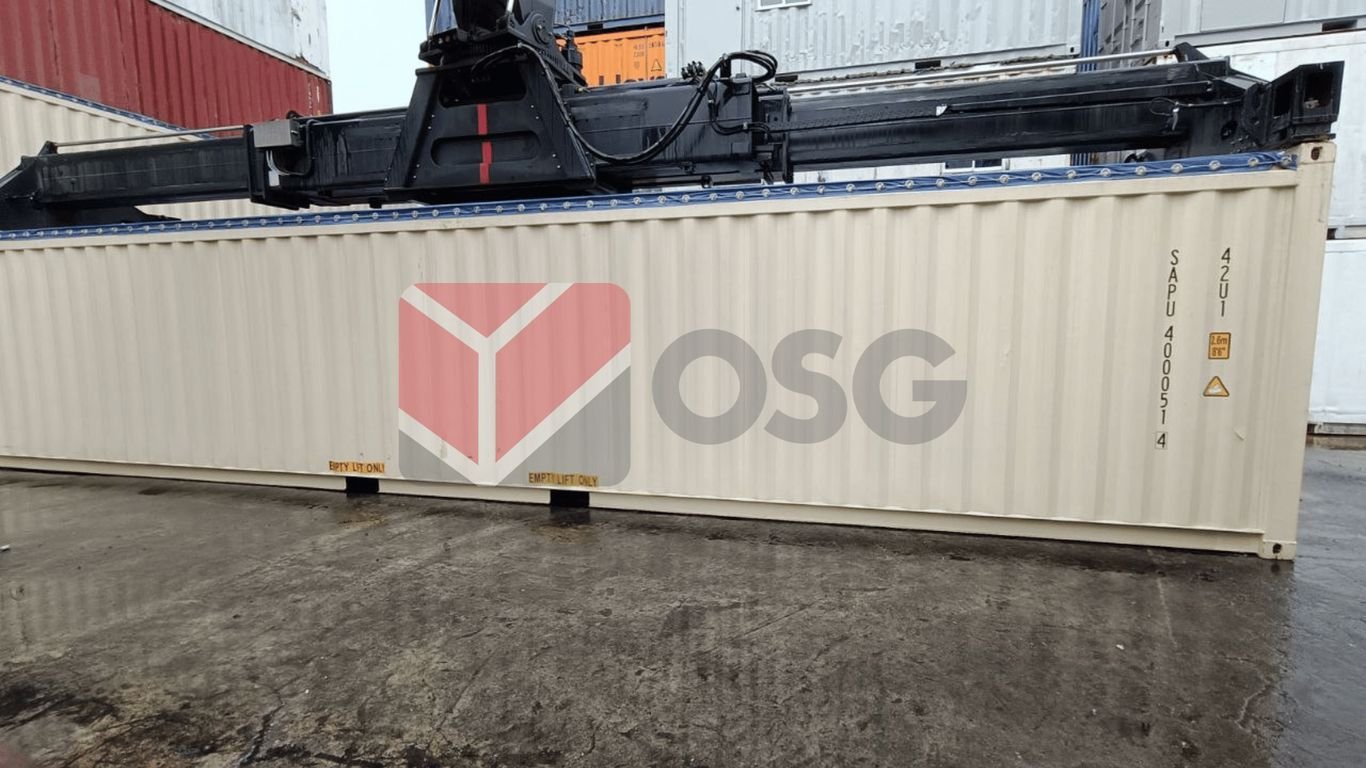
Shipping big, bulky, or weirdly-shaped stuff can be a real headache. Regular containers just don’t cut it when your cargo is too tall, too wide, or just doesn’t fit the usual mold. That’s where open top containers come in handy. These containers are designed with a removable roof, so you can load cargo from the top, making them perfect for oversized or awkward items. Whether you’re moving construction equipment, big machinery, or even loose materials like minerals, open top containers make the job easier and safer. Let’s look at why open top containers might be the best choice for your oversized cargo needs.
Key Takeaways
- Open top containers are great for cargo that’s too tall or oddly shaped for regular containers.
- They make loading and unloading easier, especially with cranes or heavy equipment.
- The removable roof can be a hard or soft cover, offering some protection but not complete weatherproofing.
- There are extra costs and sometimes limited availability, so planning ahead is important.
- Best used for things like construction gear, machinery, and bulk materials that need top loading.
What Makes Open Top Containers Ideal for Oversized Cargo
Open top containers are such a game changer when you have to move things that just won’t fit in a standard box. I mean, if you’ve ever stared at some industrial machine and thought, “There’s just no way that’s going through a regular door,” this is exactly what these containers were made for.
Accommodating Extra Height and Width
The lack of a fixed roof is what makes open top containers perfect for extra-tall or awkwardly wide items. Instead of being boxed in by standard container dimensions, you can load goods through the top using cranes or heavy equipment. Here’s how that really helps:
- Equipment that’s taller than container sides isn’t a problem—it can just stick out the top within safe limits
- Machinery, engines, or construction materials that are wider than normal can be slid in from above
- You avoid damaging cargo or containers by forcing a bad fit through side doors
For anyone shipping goods that refuse to play by the usual size rules, this flexibility is huge.
Flexibility for Irregularly Shaped Items
Oversized cargo rarely comes in neat rectangles. Oddly shaped parts, machinery with jutting features, or bundled materials—open top containers handle these irregular loads with ease. Here’s why they work so well:
- No rigid roof to get in the way during top loading
- Simple to fit large, strange-shaped items that won’t go through end doors
- Secure tie-down points inside for things that need to be lashed tight
Loading big, clunky, or uneven items from above cuts down on loading headaches and keeps everything safer along the way.
Secure Solutions for Heavy Machinery and Equipment
When you’re shipping something massive, like construction equipment or industrial machines, you can’t just rely on tying it down in the back of a truck. Open top containers let you secure cargo better, holding everything firmly in place, while still offering
weather protection with the right cover. These containers:
- Feature robust lashing points to keep heavy loads from shifting
- Allow for hard or soft roof options to protect against the elements
- Make it possible to use cranes for precise, gentler placement, which is safer for expensive machinery
If you compare regular containers to open top units, it’s pretty clear: when the cargo is too big or just plain weirdly shaped, going open top avoids a lot of stress for shippers and receivers alike.
Understanding the Unique Design and Construction of Open Top Containers
Open top containers are not your typical shipping solution, especially when compared to standard enclosed boxes or even specialized isotank units. They truly stand out when it comes to moving unusually shaped or oversized items, and their design is built for maximum adaptability.
Removable Roof Options: Hard vs. Soft Cover
One unique feature of open top containers is the removable roof, which can be a soft tarpaulin or a hard metal cover. Both styles have their specific uses:
- Soft (tarpaulin) cover: Flexible, lighter, and easier to remove for quick loading and unloading. Offers basic protection from weather but is less secure than a hard roof.
- Hard metal cover: More secure and offers better weather resistance. Heavier to handle and usually requires machinery to lift/remove.
- Choice depends on the type of cargo, level of protection, and loading needs.
| Roof Type | Protection | Removal Effort | Typical Use Case |
|---|---|---|---|
| Tarpaulin | Medium | Easy | Rapid loading, bulk materials |
| Hard Metal | High | Hard | Costly gear, sensitive items |
When choosing a roof type, consider both how often you’ll remove it and how much weather protection your shipment needs, especially for international routes.
Access Points and Loading Mechanisms
Loading methods are what make open top containers sometimes preferable to even customized container storage setups. Here’s why:
- The open top lets cranes drop cargo in from above, which works well for machinery, tall parts, or bulk loads.
- Standard cargo doors at one end can still be used for smaller items or additional access.
- Makes positioning and strapping down irregular items much simpler.
Common loading equipment:
- Overhead crane
- Forklifts (for shorter, stackable items)
- Manual handling (small, loose shipments)
Comparing Open Top Containers with Flat Rack Containers
Both open top and flat rack containers solve the problem of oversized cargo, but they go about it differently. Here’s a simple breakdown:
| Feature | Open Top Container | Flat Rack Container |
|---|---|---|
| Roof | Removable soft/hard | None |
| Side Walls | Yes | Partial or none |
| Load Direction | Top & end | Top, ends, & sides |
| Protection from Weather | Moderate to High | Minimal |
| Typical Cargo | Tall, awkward shapes | Extremely wide/heavy items |
- Open top units are better when you need weather protection and have cargo that is tall but not extremely wide.
- Flat rack containers are the go-to for items that simply will not fit regular widths, like massive pipes or construction vehicles.
- Isotanks, while specialized, are reserved for liquid cargo and aren’t interchangeable with open tops or flat racks.
Choosing between the two comes down to your cargo’s specific needs, and sometimes just what’s actually available in the market, since open tops can be limited in supply due to their specialty status.
If you plan to maximize every inch of space—think using stacking bins, shelving, or hanging options—open top containers can adapt in ways similar to versatile 40-foot storage setups but with that extra adaptability for awkward or oversized goods.
Advantages of Using Open Top Containers in Shipping
Open top containers have changed how many businesses handle oversized and awkwardly-shaped cargo. Their special design makes them stand out for shippers dealing with goods that just won’t fit in a regular box. Below, I’ll break down what really sets these containers apart.
Streamlined Loading and Unloading Process
Top loading changes the game for getting big, heavy, or odd-shaped items in and out of the container. With the removable roof, cranes or even large forklifts can just drop cargo in from above, which beats trying to squeeze things through standard doors.
- Direct overhead access—saves time compared to side loading
- Perfect for cargo that needs careful placement
- Reduces risk of damaging goods during maneuvering
For folks needing storage flexibility, even short-term, open top containers can help with fast deployment and easy access. Renting such equipment for quick operational needs is often an effective way to manage space.
When you’ve got a deadline and oversized machinery waiting on a dock, open top containers make what would be a logistical headache into a fairly simple job.
Cost Efficiency for Bulk and Large Cargo
Shipping oversized goods usually means extra costs, but open top containers can actually make certain shipments less expensive in practice. By making the most of available space, you might ship more with fewer trips.
Here’s how cost savings often shake out:
- Move bulkier items together instead of splitting them into multiple standard containers
- Fewer shipments mean lower fuel, handling, and labor costs overall
- Eliminates the need for special crating or dismantling large equipment
Here’s a simple look at container utilization:
| Container Type | Fits Oversized Cargo? | Loading Time | Typical Usage Cost |
|---|---|---|---|
| Standard Dry Van | No | Longer | Lower |
| Open Top Container | Yes | Faster | Moderate |
| Flat Rack | Yes | Medium | Higher |
Safe and Stable Transportation Practices
Safety matters just as much as speed when moving heavy industrial machinery or materials. The open top container design lets you secure items using heavy-duty straps and custom supports, helping keep everything in place across long distances.
- Tie-down points along the interior frame for robust strapping
- Options for additional padding or supports for delicate or valuable cargo
- Protection from the elements after loading through removable tarps or hard covers
Even though open tops aren’t totally airtight, secure covering keeps most cargo dry and clean until it reaches its destination.
Versatility Across Multiple Industries
One of the bigger surprises? These containers aren’t just for construction sites. Their adaptability makes them a go-to choice for various sectors, including:
- Heavy equipment and vehicle parts manufacturers
- Mining and bulk material suppliers
- Energy sector—especially moving turbines or transformers
- Agriculture for grains or machinery
- Large-scale event setups
For businesses needing portable warehousing or rapid-scale storage, repurposed open top containers offer creative, cost-effective solutions beyond just shipping.
The flexibility, safety, and potential for cost savings make open top containers the smart pick for shipping oversized cargo across a wide range of industries.
Common Cargo Types Suited for Open Top Containers
Open top containers stand out as the go-to for large, awkward, or oddly shaped cargo that just won’t fit inside a regular box. Certain items simply demand more height or top-loading access than what a standard shipping container can handle. From construction to agriculture, here’s a look at the types of cargo that truly benefit from a 20 ft container with an open roof, especially when you need options beyond the typical 20 foot sea container.
Construction Equipment and Building Materials
A lot of building supplies just aren’t made to fit a box. Imagine trying to jam steel beams or bulky wooden trusses through a standard door. It’s not happening. Open top containers are especially favored for:
- Steel rods, beams, and pipes of awkward lengths
- Pre-fabricated walls, roofs, or frames
- Stone slabs, tiles, and bulk bricks that need crane loading
- Logs and timber for big development projects
Lifting these hefty materials from above, especially on busy sites, keeps things moving and helps avoid accidental damage that can occur if you force-fit them into a closed container.
For a deeper overview on why the right container matters in construction logistics, check out this article on secure, weatherproof storage and shipping containers.
Large Industrial Machinery and Vehicle Parts
Open top containers are regularly used for oversized machinery and parts that are simply too tall, wide, or heavy to load the usual way. Common examples include:
- Generators, turbines, and transformers
- Large engines, gearboxes, or axles for vehicles and ships
- Construction vehicles that don’t break down to a manageable size
- Heavy molds, manufacturing dies, or machine frames
The removable roof means these bulky loads can be dropped in using cranes, then secured down safely with straps or bracing inside the box.
| Cargo Type | Standard 20 ft Container | 20 ft Open Top Container |
|---|---|---|
| Max. Height (inches) | 94.5 | 94.5+ (can protrude) |
| Top-Loading Allowed | No | Yes |
| Suitable for Cranes | No | Yes |
Bulk Cargo Like Minerals and Grains
Sometimes it’s not about the size, but about how fast and efficiently you can load bulk material. Open top containers make sense when dealing with:
- Gravel, sand, or aggregate needing top-down loading
- Scrap metal or recycled materials in odd shapes
- Grains, seeds, or pulses needing pour-in loading
- Coal, salt, or other bulk minerals
- Fast top-loading using chutes or buckets
- Coverage options keep rain off during shipping
- Easier inspections at customs or ports
Open top containers usually aren’t airtight or fully watertight, so extra care is needed if you’re moving something sensitive to the elements.
For companies working with open top and other specialty equipment, it’s wise to carefully compare container types and customization options before deciding what’s best for bulk or industrial shipments.
Key Considerations Before Choosing Open Top Containers
When you’re figuring out if an open top container is right for your oversized shipment, there are a few things you absolutely have to look at. It’s not just about tossing cargo inside—every step from loading to unloading can be a deal-breaker if you miss something important.
Cargo Weight Distribution and Securing Techniques
Even weight distribution is vital to prevent wobbling or unexpected container damage during transport.
- Double-check the weight spread across the floor and sides. Uneven loads may lead to shifting or tipping.
- Use blocking, bracing, and heavy-duty straps to keep odd-shaped machinery or bulky goods anchored, especially if they’re top-loaded.
- For particularly heavy items, get input from a logistics expert who knows the quirks of open top containers—for some jobs, standard methods just aren’t enough.
Compliance with International Shipping Regulations
- Know the size and weight limits imposed by both departure and arrival ports. Oversized cargo can trigger special rules.
- Double-check paperwork: Open top containers sometimes need additional documentation or permits, particularly for out-of-gauge loads.
- Certain goods might be restricted or require extra inspections—don’t get snagged by surprise legal issues at customs.
Equipment Required for Loading and Unloading
- Open top containers usually demand specialized gear. Think cranes, bulk loaders, or tall forklifts.
- Make sure your team is trained for safe overhead loading—these containers are not like standard boxes.
- If you’ll be pouring in cargo from above (like minerals or grain), you’ll want the right hopper or conveyor setup. More on container types here.
Destination Port Accessibility and Restrictions
- Some ports don’t handle oversized or open top containers at all—or they charge a premium for the extra hassle.
- Research the unloading facilities ahead of time. Ask if the destination has crane access, and what local policies might slow you down.
- Always check for height, width, or out-of-gauge surcharges to avoid surprise costs.
| Consideration | Impact if Overlooked |
|---|---|
| Weight Distribution | Shifting cargo, risk of tipping |
| Compliance with Regulations | Fines, shipment delays, denied entry |
| Equipment for Loading/Unloading | Damaged cargo, extra labor costs |
| Port Accessibility & Restrictions | Refused unloading, unexpected fees |
Skipping any of these checks can quickly turn your shipment from a simple move into a whole list of problems—and headaches you really don’t want.
Potential Costs and Challenges Associated with Open Top Containers
Shipping oversized cargo in open top containers comes with fees you might not expect if you’ve only dealt with standard boxes. Ports and shipping companies usually charge extra for open tops because they need more careful handling and special gear like cranes.
If your cargo goes over the top edge of the container—what’s called "out of gauge"—there’s another surcharge because the container can’t be stacked like normal.
| Surcharge Type | Average Cost Range (USD) |
|---|---|
| Extra Handling at Port | $200 – $800 per container |
| Out of Gauge/Overheight Cargo | $250 – $1,200 per trip |
Typical extra fees can add up quickly, especially if your load is extra tall or has an odd shape.
Most shipping lines and terminals make no exceptions for these surcharges—so be sure to budget more if your load sticks out or needs special loading.
Limited Availability and Market Scarcity
Open top containers aren’t as common as the regular ones. That means finding one, especially last-minute, can be tough and pricey. The lower supply often drives up rental or purchase prices, especially during busy seasons or in ports that don’t keep many on hand.
A few reasons contribute to their scarcity:
- Fewer companies offer open top containers for hire.
- They’re often tied up in longer jobs (heavy equipment, construction materials, etc.).
- In some regions, used open tops are rare and new ones are even more expensive.
This specialized equipment isn’t always available exactly where or when you need it.
Risk Management Through Proper Planning
There’s more risk and logistics to think about with open tops—like weather, environmental impacts on logistics, and physical security. Cargo exposed at the top, even when covered, might be more vulnerable to the elements.
Smart planning is key. Here are some things to remember:
- Assess whether you really need an open top, or if a modified standard container would do.
- Double-check that you have the right equipment and workforce ready at both ends to handle oversized cargo.
- Review all route and port restrictions so you’re not surprised by last-minute access issues or extra charges.
Planning ahead helps reduce mishaps, damage, and unexpected costs during transit.
Best Practices for Preparing Shipments in Open Top Containers
When it comes to getting your freight ready for open top containers, thinking ahead really pays off.
Choosing the Right Size and Roof Type
- Measure your cargo carefully. Height, width, and those bits sticking out matter.
- Pick between hard and soft covers depending on your route and what you’re hauling. Hard covers offer more protection, but they can make access trickier.
- Keep in mind that proper container maintenance and intact tarpaulins extend your container’s life and protect your goods.
Proper Strapping and Protection Methods
- Securing your cargo is non-negotiable. Use heavy-duty straps, chains, or wire rope to keep items steady, especially on rough journeys.
- If your shipment sticks out above the container sides, double-check stability and add extra padding where there’s potential for friction or pressure.
- Lay down tarps or weatherproof covers for loads sensitive to moisture, since open tops don’t guarantee water-tightness.
| Protection Option | Suited For | Limitations |
|---|---|---|
| Heavy Tarps | Bulk minerals, grain | Not watertight in storms |
| Steel Hard Cover | Machinery, equipment | Adds weight and cost |
| Shrink Wrapping | Small parts, loose loads | Not for sharp/heavy items |
Documentation and Customs Clearances
- Gather all necessary papers before shipping. This includes commercial invoices, packing lists, and any special forms for oversized cargo.
- Some ports have unique rules for open-top cargo, so ask your freight forwarder if you’ll face extra checks or need extra documents.
- Keep insurance info and shipment records handy in case there’s an issue along the way.
Preparing an open top container load only seems complicated at first; after a shipment or two, it’ll be just another step in your logistics playbook. Double-check your measurements, secure everything tightly, and keep your papers organized—smooth shipping almost always follows.
Wrapping Up: Why Open Top Containers Make Sense for Oversized Cargo
So, after looking at all the details, it’s pretty clear that open top containers are a solid choice when you’re dealing with cargo that just won’t fit in a regular box. Whether it’s big machines, construction gear, or anything that’s just too tall or awkward for standard containers, these open tops really come in handy. Sure, they might be a bit harder to find and sometimes cost more, but the time and hassle they save during loading and unloading can make up for it. Plus, you get more flexibility and less risk of damaging your stuff. Just remember to check if your destination can handle oversized shipments and make sure you’ve got the right equipment for the job. All in all, if you’ve got something big to move, open top containers are definitely worth considering.
Frequently Asked Questions
What is an open top container and how is it different from a regular container?
An open top container is a special shipping container that does not have a fixed roof. Instead, it has a removable cover, like a tarp or a hard lid. This design makes it easy to load and unload tall or oddly shaped items from the top, which is not possible with a regular container that has a solid roof.
What types of cargo are best suited for open top containers?
Open top containers are perfect for items that are too big or tall for standard containers. Common cargo includes construction equipment, large machines, vehicle parts, and bulk materials like minerals or grains. They are also useful for items that need to be lifted in with a crane.
Are open top containers safe for transporting heavy or oversized cargo?
Yes, open top containers are designed to safely carry heavy and oversized cargo. They have strong walls and floors, and cargo can be tightly strapped down to prevent movement. However, it is important to use the right securing methods and check weight limits to keep everything safe during the trip.
How do I load and unload cargo in an open top container?
Cargo is usually loaded and unloaded from the top using cranes or other lifting machines. This makes it easier to handle large or awkwardly shaped items that can’t fit through regular container doors. For bulk materials, items can even be poured in from above.
What are some extra costs or challenges with using open top containers?
Open top containers can cost more than regular ones because they are less common and sometimes need special handling. There may also be extra fees if your cargo sticks out above the container’s top (called ‘out of gauge’). Planning ahead and talking to your shipping company can help manage these costs.
Do open top containers protect cargo from weather and theft?
Open top containers can be covered with a tarp or hard lid to help protect cargo from rain and sun, but they are not as tightly sealed as regular containers. This means they are not fully waterproof or windproof. For valuable or sensitive items, extra protection or insurance may be needed.