Singapore
 Australia
 Indonesia
 Japan
Japan Malaysia
 New Zealand
 Philippines
 South Korea
 Taiwan
 Thailand
 VIETNAM
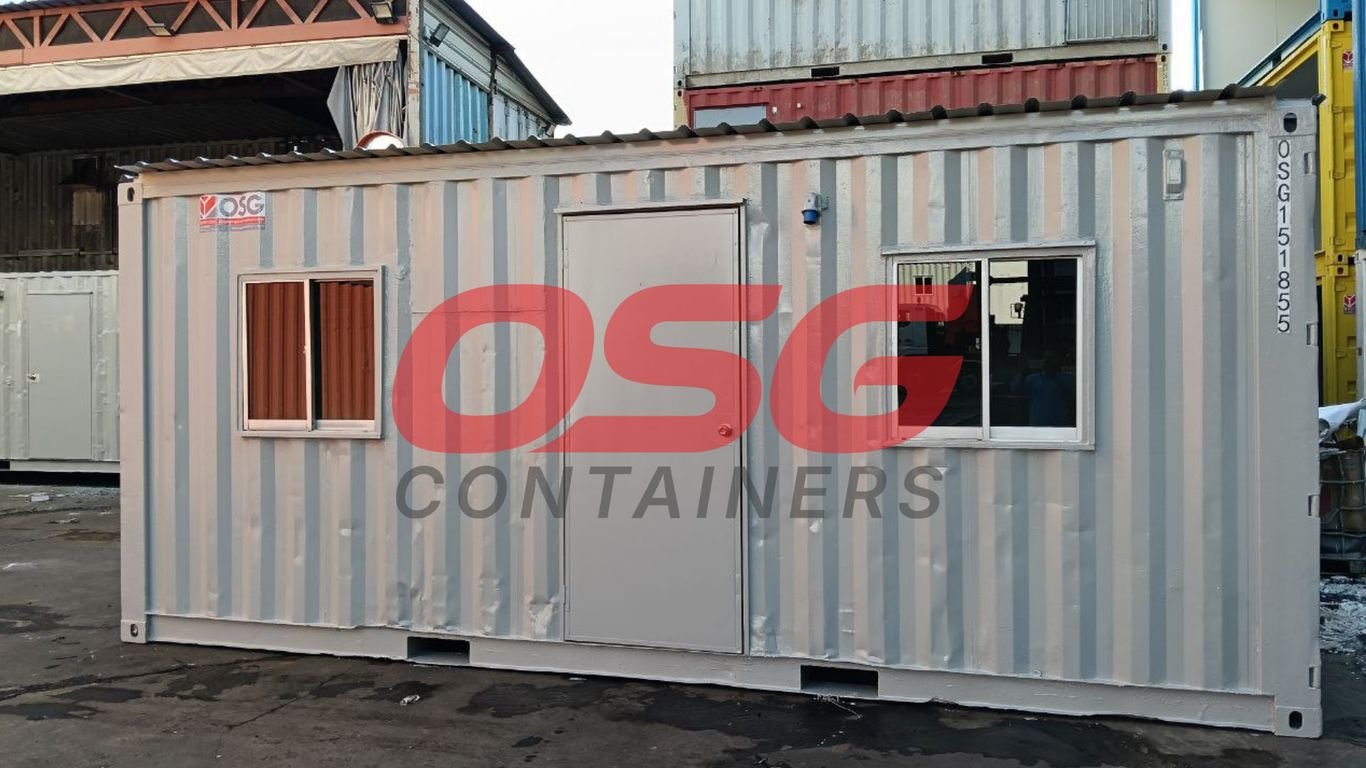
When you need extra space on a job site, you’ve got a couple of main choices: rent a mobile office or build something permanent. Renting office containers for rent is a popular option for many businesses. They’re quick to get and don’t tie you down like a permanent structure. But is it the best move for your project? Let’s break down what you get with renting versus building on-site.
Key Takeaways
- Renting office containers offers a fast and flexible way to get temporary workspace, often at a lower initial cost than building.
- Mobile office trailers are great for quick setup and short-term needs, easily moved between sites.
- Modular container offices provide more durability and security, making them suitable for longer-term or higher-risk locations.
- Building on-site offers maximum customization and can be a better long-term investment if the need is permanent.
- Consider your project timeline, site limitations, and budget to decide if office containers for rent or a permanent build is the right fit.
Understanding Your On-Site Office Options
When you need extra workspace right at your project site, you’ve got a couple of main paths to go down: mobile office trailers and modular container offices. Both get you out of a jam, but they’re not quite the same. It’s good to know what you’re getting into before you sign on the dotted line.
Mobile Office Trailers: Quick Deployment Solutions
Think of these as ready-to-go offices on wheels. They’re built in a factory and then trucked to your location, usually needing just a level spot and utility hookups to be functional. They’re a popular choice for construction sites, event management, or any situation where you need a temporary office space fast. You can find them in various sizes, like a standard 40-foot unit, and they often come equipped with basic furnishings, lighting, and climate control. The biggest win here is speed; you can often be up and running in a day or two.
Modular Container Offices: Durable and Secure Spaces
These start life as shipping containers, typically a sturdy cont 40 feet or similar, which are then modified to become offices. They’re known for being incredibly tough and secure, thanks to their steel construction. If you need something that can withstand rougher conditions or requires a higher level of security, a container office might be your pick. They can also be stacked or combined to create larger, more complex layouts, offering a different kind of flexibility.
Key Differences Between Trailers and Containers
Here’s a quick rundown of how they stack up:
- Mobility: Trailers are generally easier to move from site to site. Containers can be moved, but it’s often a more involved process.
- Durability: Containers, being made of steel, tend to be more robust and secure against the elements and potential damage.
- Setup Time: Trailers usually win on speed of deployment. Containers might require a bit more site preparation.
- Customization: Both can be customized, but the nature of the modification differs. Trailers might offer more interior layout options out of the box, while containers are modified from their original structure.
- Lifespan: Containers are often seen as a more long-term, semi-permanent solution due to their inherent strength.
Choosing between these options really comes down to your specific needs for duration, security, and how quickly you need the space operational. Don’t just pick the first one you see; take a moment to consider what truly matters for your project.
Advantages of Renting Office Containers
When you’re looking at temporary office solutions, renting often makes a lot of sense, especially when you consider the benefits. It’s not just about getting a space quickly; it’s about smart planning and resource management. Renting bypasses a lot of the headaches that come with buying or building.
Cost-Effectiveness of Office Containers for Rent
Let’s face it, budget is usually a big deal. Renting office containers, especially converted shipping containers, can be significantly cheaper upfront than purchasing a new modular unit or building something from scratch. You avoid the large capital expenditure, which can be a lifesaver for projects with tight finances. Plus, rental agreements often include maintenance, so you’re not hit with unexpected repair bills. It’s a predictable cost that fits neatly into project budgets.
- Lower initial investment compared to buying.
- Predictable monthly or yearly costs.
- Often includes maintenance and repair services.
- Avoids depreciation costs associated with ownership.
Renting means you pay for the use of the space, not the ownership. This frees up capital for other project needs and reduces the long-term financial commitment. It’s a flexible approach that adapts to your project’s lifecycle.
Speed and Ease of Setup
Need an office on-site yesterday? Renting is the way to go. Most rental companies have units ready to deploy. Once delivered, they often require minimal setup – sometimes just leveling and connecting utilities. This speed is invaluable on construction sites or for businesses needing immediate operational space. You can go from needing an office to having one in a matter of days, not weeks or months. This rapid deployment minimizes downtime and keeps your project moving forward without delay. Even specialized units, like those adapted from reefer cargo containers for climate control, can be prepped and delivered quickly.
Flexibility and Scalability
Projects change, and your office needs might change with them. Renting offers a level of flexibility that’s hard to match. If your team grows and you need more space, you can often rent an additional unit or upgrade to a larger one. If the project wraps up, you simply return the container. There’s no need to worry about selling an asset or finding a new use for a permanent structure. This adaptability is perfect for short-term projects or businesses experiencing rapid growth. You can scale up or down as needed, paying only for the space you currently require.
Building On-Site Offices: A Comparative Look
When you need a dedicated workspace right at your project location, building an on-site office is a solid option. Unlike temporary rentals, this approach often involves creating a more permanent or semi-permanent structure tailored to your specific needs. It’s about investing in a space that can potentially serve your business for the long haul, offering a different set of advantages and considerations compared to mobile trailers or container units.
Permanent Structures vs. Temporary Solutions
Building an on-site office typically means constructing something more substantial than a mobile trailer. Think of it as a mini-building designed for your site. This could range from a simple, prefabricated modular building to a custom-designed structure. The key difference lies in the intent: these are generally meant to stay put for an extended period, offering greater stability and a more finished feel. While mobile trailers are designed for easy relocation, a built on-site office is intended to be a fixture for the duration of your project or even longer.
- Stability and Durability: Built structures often offer superior resilience against weather and wear.
- Customization Potential: You have more freedom to design the layout, size, and features.
- Perceived Permanence: Can contribute to a more established presence on-site.
Building an on-site office is a decision that leans towards a more settled, long-term presence. It’s about creating a functional workspace that feels like a part of your established operations, rather than a temporary stopgap. This often translates to a more robust and adaptable environment for your team.
Long-Term Investment Considerations
Opting to build an on-site office is often viewed as a capital investment. While the initial outlay might be higher than renting, the long-term cost-effectiveness can be significant, especially if the structure will be used for multiple projects or a very long duration. You’re not just paying for temporary space; you’re building an asset. This can include considerations like:
- Depreciation and Resale Value: Unlike a rented unit, a built office can potentially hold value.
- Maintenance Costs: While ongoing maintenance is required, it’s different from recurring rental fees.
- Potential for Modification: The structure can be adapted or expanded as needs change over time.
Potential for Customization and Expansion
One of the biggest draws of building your own on-site office is the sheer potential for customization. You’re not limited by the standard configurations of rental units. Need a specific number of private offices? Want a large common area for meetings and breaks? Require specialized storage or a particular type of climate control? Building allows you to design it all. For instance, you might start with a single unit, perhaps akin to a large 40 hq container, and later decide to add another section or even stack units to create a multi-level workspace. This flexibility in design and the ability to expand as your project grows or your team size increases is a major advantage over the fixed options often found with rentals.
Factors Influencing Your Decision
Choosing between a rented office container and building an on-site office isn’t a one-size-fits-all situation. A few key things really matter when you’re trying to figure out what’s best for your specific project or business needs. It’s about looking at the big picture and then drilling down into the details.
Project Duration and Future Needs
How long do you actually need the space for? This is probably the biggest question. If it’s a short-term gig, like a construction project that’s only going to last a year or two, a mobile office trailer or a rented container makes a lot of sense. They’re quick to get and don’t tie you down long-term. But if you’re thinking about needing office space for five, ten, or even more years, or if your business is growing fast and you anticipate needing more space down the line, then building something more permanent might be the way to go. You can always expand a permanent structure later, which can be trickier with temporary solutions.
- Short-Term Projects (Under 3 years): Mobile office trailers or rented containers are usually the most practical. They offer quick setup and can be removed easily when done.
- Medium-Term Projects (3-7 years): Consider modular container offices. They offer more durability than trailers and can be a good balance of cost and longevity.
- Long-Term Needs (7+ years) or Growth Potential: Building an on-site office or investing in a modular building you own might be more cost-effective over time, allowing for easier expansion.
The initial cost might seem higher for a permanent structure, but when you factor in long-term rental fees and the potential hassle of moving or replacing temporary units, the economics can shift significantly over many years.
Site Constraints and Accessibility
What’s your site like? Is it a wide-open field, or is it a tight urban space with limited access? Mobile office trailers are generally easier to get onto a site because they’re designed to be towed. They often just need a relatively flat, clear spot. Container offices, while durable, can sometimes be trickier to maneuver into place, especially if you’re stacking them or need them in a very confined area. Building on-site, of course, has its own set of challenges depending on the location, but it offers the most flexibility in terms of final placement and integration with existing structures.
- Tight Access Areas: Mobile office trailers often have an advantage due to their towing mechanism.
- Open Sites: Both containers and trailers can work well, but consider how you’ll position them for optimal workflow.
- Uneven Terrain: Some sites might require significant preparation for any type of temporary or permanent structure.
Budgetary Allocations and Financial Planning
Let’s talk money. Renting an office container usually has a lower upfront cost. You pay a monthly fee, which can be easier on the immediate cash flow. Building on-site, or even buying a modular unit, typically involves a larger initial investment. However, you need to think about the total cost over the entire period you need the space. Sometimes, paying rent for many years can end up costing more than building something outright. It really depends on your financial situation, how much capital you have available, and your company’s overall financial strategy. Are you looking for a quick, low-cost solution now, or are you planning for a long-term asset?
| Option | Typical Upfront Cost | Ongoing Costs | Long-Term Value | Notes |
|---|---|---|---|---|
| Renting Office Container | Low | Monthly Rental Fee | None | Predictable monthly expense |
| Building On-Site | High | Maintenance, Utilities | Asset | Higher initial investment, potential equity |
| Buying Modular Unit | Medium to High | Maintenance, Utilities | Asset | Can be resold or repurposed |
Suitability for Different Project Scenarios
Ideal Use Cases for Mobile Office Trailers
Mobile office trailers really shine when you need a quick, temporary setup. Think of short-term construction projects where the crew needs a place to coordinate and take breaks. They’re also a good choice if you’re expanding your business but aren’t quite ready to commit to a permanent building. It’s like having a functional office space appear almost overnight, without a huge upfront cost. They’re easy to move from one job site to the next, which is a big plus for companies that are always on the go.
When Modular Container Offices Excel
Modular container offices, like those made from shipping containers, are fantastic for longer-term needs or when security is a top concern. Because they’re built from sturdy steel, they offer a higher level of protection against the elements and potential theft. If your project is going to last a while, or if you’re storing valuable equipment nearby, a container office provides that extra peace of mind. They can also be configured in various ways, even stacked, to create more complex workspaces. For example, a company needing a secure site office in a remote location might find a container office the perfect fit. We’ve seen container sg solutions used effectively in many industries.
Matching Solutions to Specific Requirements
Choosing the right option really comes down to what you need right now and what you anticipate needing down the road. Here’s a quick rundown:
- Short-Term Projects (Under 1 year): Mobile office trailers are often the go-to. They’re fast to deploy and cost-effective for temporary needs.
- Long-Term Projects (Over 1 year) or Semi-Permanent Needs: Modular container offices tend to be more durable and can be a better investment for extended use.
- High Security Requirements: Steel container offices generally offer superior security features compared to standard trailers.
- Budget Constraints: While both have rental and purchase options, trailers often have lower initial costs for short-term rentals.
- Site Accessibility: Consider how easy it is to get the unit onto your site. Trailers can sometimes be easier to maneuver in tight spots.
Ultimately, the best choice depends on a careful look at your project’s timeline, security needs, and budget. Don’t just pick the first option you see; take a moment to match the solution to your specific situation.
Durability and Security Considerations
When you’re setting up a temporary office on a job site, thinking about how tough it is and how safe it’ll keep your stuff and your team is a big deal. You don’t want something flimsy that a strong wind could knock over, or worse, something that’s easy for someone to break into.
Steel Container Strength and Security Features
Container offices, often made from repurposed shipping containers, are built like tanks. Seriously, these things are designed to handle rough seas and being stacked high, so they’re naturally very strong. They’re made of thick steel, which makes them really hard to damage or break into. Most come with solid steel doors and locking mechanisms that offer a good level of security right off the bat. Plus, you can add extra security features like alarm systems or reinforced windows if you need even more peace of mind.
- Robust Steel Construction: Inherently strong and resistant to impact.
- Secure Locking Systems: Standard heavy-duty doors and locks.
- Customizable Security: Options for alarms, cameras, and reinforced entry points.
- Weather Resistance: Excellent protection against wind, rain, and snow.
Office Trailer Resilience in Various Environments
Mobile office trailers, while perhaps not as inherently robust as steel containers, are still built to be durable for job site conditions. They’re typically constructed with sturdy frames and weather-resistant siding. Many are insulated to handle temperature changes, keeping your team comfortable and protecting sensitive equipment from extreme heat or cold. While they might be more susceptible to vandalism than a steel container, they are designed to withstand typical site conditions and offer a secure workspace.
Protecting Your Team and Assets
No matter which option you choose, the goal is to create a safe and secure environment. Containers offer a high baseline of security due to their material. Trailers, while different, are also designed for site conditions and can be secured effectively. It’s about making sure your team has a reliable place to work and that your valuable tools and materials are kept safe from the elements and unauthorized access.
Choosing the right structure means balancing the need for a secure, weather-proof space with the practicalities of your site and project timeline. Both containers and trailers can provide this, but they do it in slightly different ways, offering distinct advantages in terms of brute strength versus ease of deployment and climate control.
Here’s a quick look at how they stack up:
| Feature | Mobile Office Trailer | Modular Container Office |
|---|---|---|
| Primary Material | Steel frame, aluminum/steel siding, insulation | Thick steel |
| Break-in Resistance | Good, but can be more susceptible than containers | Excellent, very difficult to breach |
| Weatherproofing | Good, often insulated for climate control | Excellent, inherently sealed and strong |
| Vandalism | Moderate resistance | High resistance |
| Security Add-ons | Alarms, reinforced doors, lighting | Alarms, cameras, reinforced doors, bars |
So, Which One Wins?
Alright, so we’ve looked at the mobile office trailers and the container offices. Honestly, there’s no single ‘best’ answer here. It really comes down to what you need right now. If you need something quick, easy to move, and maybe just for a little while, those trailers are pretty handy. They show up, you’re in business. But if you’re thinking long-term, need something super tough, or want to stack up for more space, the container option might be your jam. Think about how long you’ll need it, how much space you really need, and, of course, what your budget looks like. Weigh it all out, and you’ll figure out the right fit for your project.
Frequently Asked Questions
What’s the main difference between a mobile office trailer and a container office?
Think of a mobile office trailer like a pre-built room on wheels. It’s made to be moved easily and set up quickly, often used for shorter projects. A container office is usually a sturdy metal shipping box that’s been changed into an office. They are super strong and good for longer times, but can be a bit trickier to move and set up.
Which option is cheaper to rent?
Renting a mobile office trailer often costs less upfront. While container offices can be cheaper in the very long run if you buy them, renting a trailer is usually the more budget-friendly choice for temporary needs because setup is faster and simpler.
How fast can I get an office set up on my site?
Mobile office trailers are the speed champions here! They can often be delivered and ready to go in a day or two. Container offices might take a bit longer because they sometimes need more work to get them perfectly set up and secure on your land.
Can I change the inside of these offices?
Yes, both types can be changed! Mobile office trailers can often be customized with different layouts, desks, and even things like air conditioning. Container offices can also be modified, but sometimes big changes can cost more money than tweaking a trailer.
Which one is tougher and safer?
Container offices are generally built like tanks because they’re made of thick steel. This makes them very strong and secure, especially if you’re worried about theft or bad weather. Office trailers are sturdy too, but the steel container offers an extra level of toughness.
When should I choose a trailer over a container, or vice versa?
If your project is short-term, you need an office super fast, or you’re on a tight budget, a mobile office trailer is likely your best bet. If you need a super strong, secure space for a long time, or if you want to stack units for more space, a container office might be a better fit.