Singapore
 Australia
 Indonesia
 Japan
Japan Malaysia
 New Zealand
 Philippines
 South Korea
 Taiwan
 Thailand
 VIETNAM
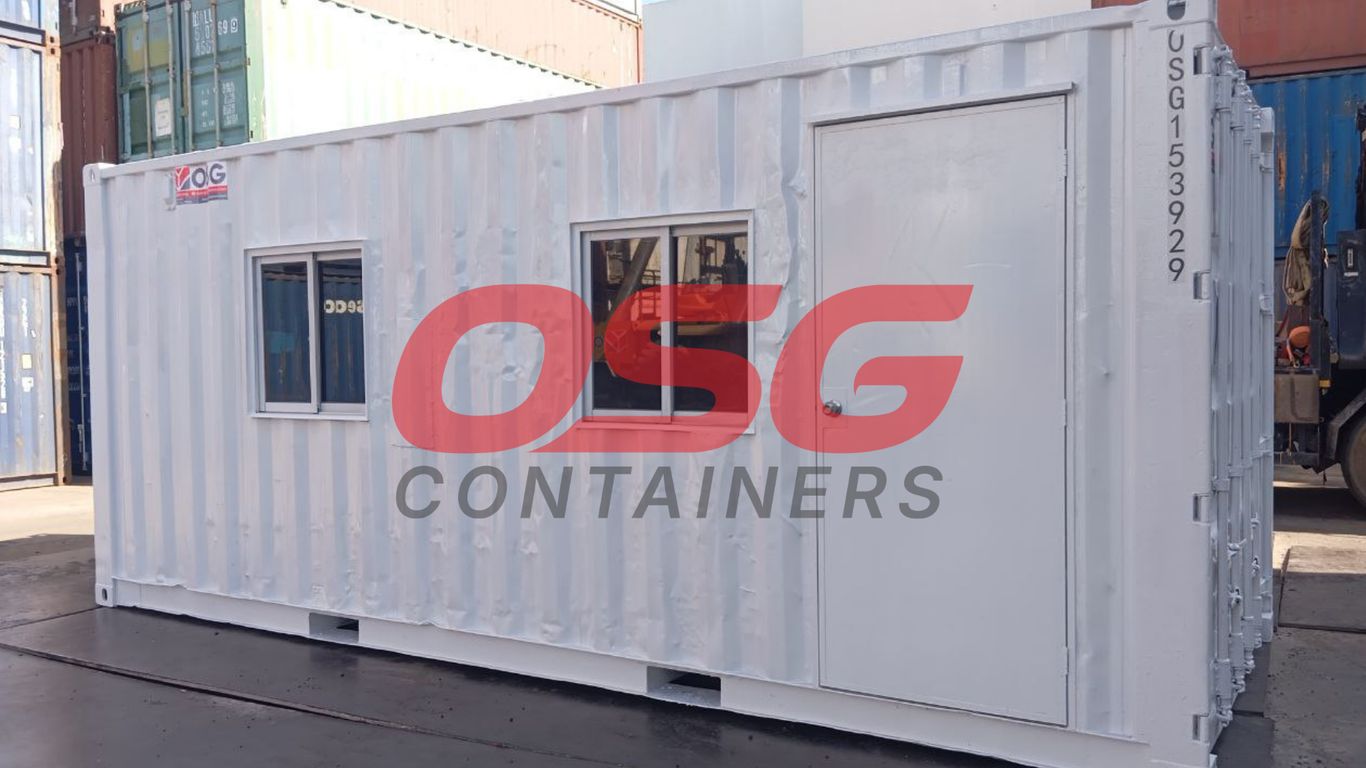
Setting up a functional workspace on a project site used to be a real headache. You’d deal with slow construction, complicated logistics, or just plain uncomfortable spaces. But now, there’s a much simpler way to get your team working efficiently, no matter where the project takes you. We’re talking about office containers, and they’re changing how project environments are set up for the better. These aren’t just old boxes; they’re smart, tough, and ready to go.
Key Takeaways
- Office containers offer quick setup, letting projects start faster by avoiding lengthy construction times.
- Their steel build means they’re tough and can handle rough job site conditions, keeping your stuff safe.
- You can change the inside of these containers to fit exactly what your project needs, from simple desks to meeting areas.
- When a project is done, you can easily move these offices to a new site, saving money and hassle.
- Compared to traditional temporary offices, these containers are often cheaper in the long run and can be used again and again.
Understanding The Advantages Of Office Containers
When you’re managing a project, especially one that’s on a tight schedule or in a less-than-ideal location, having a solid base of operations is key. That’s where these containers as offices really shine. They’re not just metal boxes; they’re designed to be practical, tough, and ready to go when you are.
Enhancing Project Efficiency With Mobile Workspaces
One of the biggest wins with container offices is how they help keep things moving. Because they’re built to be moved, you can set up your project headquarters right where you need it. This cuts down on travel time for your team and makes it easier to oversee everything happening on site. Think about it: instead of driving back and forth to a distant office, your project managers and supervisors can be right there, making quick decisions and keeping communication flowing. This kind of on-the-spot presence really makes a difference in how smoothly a project runs. Plus, if you need a bit more space as the project grows, you can often just add another unit. It’s a flexible setup that grows with your needs, unlike a permanent building that’s fixed in place. For a flexible, turnkey workspace solution, a 20ft x 8ft office container is a great starting point.
Superior Durability And Security Features
These aren’t your average flimsy structures. Shipping containers are made from heavy-duty steel, which means they can handle pretty rough conditions. Whether it’s wind, rain, or just the general wear and tear of a busy construction site, they hold up well. This durability is a big deal because it means less worry about damage and repairs. On top of that, the solid steel construction offers a good level of security. Keeping important documents, tools, and equipment safe from theft or vandalism is a constant concern on many job sites, and a container office provides a much more secure environment than a temporary tent or a poorly secured shed. It’s a robust solution built to last.
Cost-Effectiveness For Long-Term Investments
When you look at the total picture, using containers as offices often makes more financial sense than other options. Building a temporary structure from scratch takes time and money. Renting traditional site trailers can add up quickly over the life of a project, and you don’t end up owning anything. With a container office, especially if you purchase it, you’re making an investment that can be used again and again on future projects. The upfront cost might seem like a lot, but when you factor in the longevity, low maintenance, and reusability, it can be a much more budget-friendly choice over time. It’s a smart way to manage project expenses without sacrificing quality or functionality. For larger projects needing a more substantial workspace, a 40ft x 8ft office container can be a cost-effective choice.
The ability to deploy these units quickly, combined with their inherent toughness and security, makes them a practical choice for many project environments. They offer a professional workspace without the long-term commitment or logistical headaches of traditional construction.
Here’s a quick look at how they stack up:
- Deployment Speed: Significantly faster than traditional construction.
- Durability: Built to withstand harsh conditions.
- Mobility: Easily relocated to new project sites.
- Security: Robust steel construction deters theft and vandalism.
- Cost: Often more economical for long-term or repeated use.
Tailoring Office Containers To Project Needs
So, you’ve decided that container offices are the way to go for your project. That’s great! But here’s the thing: these aren’t just generic boxes you plop down. They’re meant to be adapted, to fit your specific project like a glove. Think of it less like buying a standard car and more like customizing a vehicle for a specific race.
Customization Options For Interior Fit-Outs
When we talk about tailoring, we’re really getting into the nitty-gritty of what goes inside. You can outfit these containers with everything you’d expect in a regular office: desks, filing cabinets, meeting tables, even kitchenettes. Need a private space for sensitive calls or a small conference area? No problem. We can add partitions to create separate rooms. Some setups even include restrooms or locker areas, making one container do a lot of heavy lifting. The goal is to make the space work for your team, not the other way around. It’s about creating a functional hub right where the action is.
Multi-Unit Configurations For Larger Operations
Got a big project? Don’t sweat it. You’re not limited to just one container. For larger sites, you can link multiple units together. Imagine placing them side-by-side to create a wider workspace or even stacking them to build a multi-story project headquarters. This modular approach means you can scale your on-site office space up or down as the project demands change. It’s a flexible way to manage your footprint without getting locked into a permanent structure. This is where options like container rentals really shine for short to medium-term needs.
Hybrid Spaces For Break Rooms And Storage
Sometimes, a container office needs to be more than just an office. You might want to combine a workspace with a break room, or perhaps you need secure storage for tools and materials right next to your administrative hub. Hybrid designs allow for this. One unit could have a main office area and a small kitchenette, while another nearby could serve as secure storage. This integration saves time and keeps everything you need close at hand. It’s about maximizing the utility of each unit, making them incredibly versatile for any project environment, from small jobs to massive developments. You can even get a 40ft x 8ft shipping container that’s perfect for a mix of uses.
The beauty of these container solutions lies in their adaptability. They aren’t one-size-fits-all. Instead, they offer a scalable and customizable platform that can be configured to meet the unique demands of virtually any project, big or small, simple or complex.
Evaluating Office Containers Against Traditional Solutions
When you’re looking at setting up an office on a project site, especially for industrial or remote work, you’ve got a few options. But let’s be real, not all of them are created equal. We’ve seen companies default to what they know, like office trailers or rented modular buildings, without really thinking if it’s the best fit. And honestly, those familiar choices often come with their own set of headaches.
Deployment Speed Comparison
One of the biggest wins for container offices is how fast you can get them up and running. Traditional construction, even for a small site office, can take weeks or even months. Office trailers are quicker, but still require setup and utility connections. Container offices, on the other hand, can often be delivered and ready for use in a matter of days. This speed is a game-changer for projects with tight deadlines.
Here’s a quick look at how they stack up:
| Evaluation Factor | Container Office | Office Trailer | Rented Modular | Permanent Office |
|---|---|---|---|---|
| Deployment Speed | Fast | Moderate | Slow | Very Slow |
| Durability | Very High | Moderate | High | Very High |
| Mobility | High | Moderate | Low | None |
| Remote Suitability | Excellent | Good | Moderate | Poor |
Mobility and Flexibility Advantages
Projects move, and your office needs to keep up. Container offices are built for this. Because they’re essentially modified shipping containers, they’re designed to be moved. You can pick one up and put it on a new site with relative ease. This is a huge advantage over permanent structures that are, well, permanent. Even office trailers can be a hassle to relocate, often requiring specialized towing. This flexibility means your office asset can follow your work, rather than you having to build anew each time.
The ability to relocate a container office means it’s not just a temporary structure, but a reusable asset that can serve multiple projects over its lifespan. This reusability is a key factor in long-term cost savings and operational efficiency.
Remote Suitability and Environmental Performance
For projects out in the middle of nowhere, traditional building methods are often impractical and incredibly expensive. You’re looking at significant groundwork, utility hookups, and a long construction timeline. Container offices bypass most of these issues. They’re self-contained and can be placed on relatively unprepared ground. Plus, they’re built tough. They can handle extreme temperatures, moisture, and general wear and tear that would quickly degrade a standard office trailer. Think about harsh winters or wet climates; these containers are designed to withstand them. This makes them a reliable choice for places where you can’t just pop down to the hardware store for supplies. If you need a restroom facility on site, something like the InstaLoo can be easily integrated, providing a complete solution without complex plumbing.
The Design And Fabrication Process
Defining Requirements For Optimal Design
Getting an office container set up for your project starts with figuring out exactly what you need. It’s not just about picking a box; it’s about making sure it works for your team and your specific job site. You’ll want to think about how many people will be using it regularly, what kind of equipment needs to be inside, and if you’ll need power, internet, or even plumbing. Site conditions matter too – is the ground level? Will it need to withstand strong winds? Clearly defining these needs upfront saves a lot of headaches later on. It’s like planning a trip; knowing your destination and what you’ll do there makes packing and getting around much easier.
Workshop Fabrication For Quality Control
Once the design is locked in, the real work begins in a controlled workshop. This is where the container gets transformed. Workers cut openings for doors and windows, add insulation to keep things comfortable, and put in the interior finishes. Electrical systems, heating, and cooling are all integrated here. Because it’s done in a workshop, the quality is usually much better and more consistent than trying to build something on a busy job site. It’s all about getting it right before it even gets to you. This controlled environment means things like wiring and insulation are done to a high standard, making the final unit more reliable. You can find a 20ft general purpose container that’s built to ISO standards, meaning it’s tough and ready for different weather.
Minimizing On-Site Work With Pre-Assembly
The best part about these container offices is how much work is already done before they arrive. Most of the time, the unit is fully put together in the workshop, meaning it’s pretty much ready to go as soon as it’s delivered. This cuts down a ton on the time and labor needed at your project site. For bigger setups involving multiple containers, there might be a little bit of assembly needed on location, but it’s still way faster than building something from scratch. This pre-assembly approach is a big reason why container offices are so quick to deploy. It means your team can start working in a proper office space much sooner. Some smaller units, like a 10ft x 8ft Type A office container, are designed for quick setup with minimal fuss.
The goal is to have a functional workspace arrive ready for immediate use, reducing disruption and speeding up project timelines. This focus on pre-fabrication is key to the rapid deployment advantage.
Practical Applications In Diverse Project Environments
Small To Medium Project Workspaces
For smaller construction jobs or infrastructure upgrades, a single office container can serve as the perfect on-site command center. It’s a step up from a basic site hut, offering a secure, weather-proof space for project managers and supervisors. Think of it as a mobile office that can be set up quickly at the start of a project and just as easily moved to the next one when the job is done. This makes them great for companies that handle a lot of varied projects, like those doing civil work or smaller renovations. They provide a professional base without the hassle of traditional building.
Large-Scale Development Headquarters
When you’ve got a big project, like a new housing development or a major industrial build, you need a proper hub for everyone. That’s where multiple office containers come in. You can link them together to create a whole complex – think individual offices for different teams, a conference room for meetings, and a central coordination area. This setup allows contractors, engineers, and clients to all work from the same location, making communication and decision-making much smoother. It’s a flexible way to build a temporary headquarters that can grow or shrink as the project demands.
Remote And Challenging Location Solutions
Sometimes, projects take you way out there, to places where putting up a permanent building just isn’t practical or even possible. This is where office containers really shine. Whether it’s a mine site in the middle of nowhere, an oil rig support station, or a remote research outpost, these containers are built tough. They can handle extreme weather, from freezing cold to scorching heat, and are designed to be placed directly on site with minimal preparation. They offer a safe and comfortable workspace, complete with climate control and ventilation, so your team can focus on the job, no matter how far from civilization they are. It’s about bringing the office to the work, wherever that may be. For these kinds of tough spots, having a reliable setup is key, and containers deliver that. You can even find specialized units like portable shower containers to complement your site office, making remote work more manageable. Learn more about site amenities.
Container offices are more than just temporary shelters; they are strategic assets that boost productivity and organization on any job site. Their ability to adapt, move, and retain value makes them a smart choice for modern projects.
Ensuring Safety And Comfort In Office Containers
When you’re setting up shop on a project site, especially in demanding industries, safety and comfort aren’t just nice-to-haves; they’re absolute necessities. Office containers, when properly outfitted, do a surprisingly good job of meeting these needs.
Built-In Protection For High-Risk Industries
For projects in sectors like oil and gas or chemical processing, safety is paramount. These containers can be fitted with specialized systems to handle hazardous environments. Think explosion-proof electrical setups and gas detection alarms. Some units can even maintain positive air pressure to keep dangerous fumes out. This level of protection is often built to meet strict international standards, giving teams peace of mind.
Climate Control And Ventilation Systems
Nobody works well when they’re freezing or sweating buckets. That’s why good climate control is a must. Office containers can be equipped with independent HVAC systems, allowing you to set the perfect temperature, no matter what the weather’s doing outside. Good ventilation is just as important, circulating fresh air to keep everyone alert and healthy. This isn’t just about comfort; it directly impacts productivity.
Soundproofing For Productive Work Environments
Construction sites and industrial areas can be noisy places. To make sure your team can concentrate, soundproofing is a smart addition. Proper insulation and acoustic treatments can significantly cut down on external noise, creating a quieter space for important calls, detailed planning, or just focused work. It makes a big difference in how effective people can be throughout the day.
A well-designed container office isn’t just a box; it’s a functional workspace that prioritizes the well-being and security of its occupants. Features like robust steel construction, secure locking mechanisms, and the ability to integrate advanced safety systems make them suitable for even the most challenging project locations.
Here’s a quick look at how container offices stack up:
- Durability: Built from heavy-duty steel, they withstand tough conditions.
- Security: Solid construction deters unauthorized access.
- Customization: Can be adapted with safety features and climate control.
Even specialized units, like those used for sensitive materials, can be adapted. While not exactly an office, the principles behind a refrigerated container – maintaining a specific internal environment – show the potential for controlled conditions within these steel shells. This adaptability is key for diverse project needs.
Wrapping It Up
So, when you really boil it down, using these container offices for projects just makes sense. They get set up fast, they’re tough, and you can move them around without a huge hassle. Plus, they’re not just some flimsy box; you can actually make them into a decent workspace. For companies juggling different jobs, especially in places like Ontario or BC where things can get tricky, these things are a solid choice. They’re a practical way to keep your team working efficiently right where the action is, and honestly, they seem like a pretty smart investment for the long haul.
Frequently Asked Questions
What exactly is an office container?
Think of an office container as a sturdy metal box, like those used for shipping goods, that’s been turned into a fully equipped office space. It’s a strong, portable building that can be set up quickly on any project site, giving your team a comfortable place to work right where the action is.
Why are these containers good for projects?
They’re super fast to get ready and move around. Instead of building something from scratch, you can have an office set up in days. Plus, they’re tough, can handle bad weather, and keep your stuff safe. They’re also a smart choice for your wallet in the long run because you can use them over and over.
Can I make the container office fit my specific needs?
Absolutely! You can customize the inside to have different rooms, add desks, storage, and even things like a small kitchen or bathroom. For bigger projects, you can even connect several containers together to make a larger office complex.
How do container offices compare to regular site trailers?
Container offices are generally much tougher and more secure because they’re made of steel. They can be set up faster and are easier to move. While trailers might seem familiar, containers often offer better protection from the elements and can be a more reliable choice for long-term projects.
Are these containers safe and comfortable to work in?
Yes, they are designed with safety and comfort in mind. They can be fitted with heating, cooling, and good ventilation to keep the temperature just right. Some can even be built with special features to protect against things like explosions in risky industrial areas, and they can be insulated to keep noise out.
What happens to the container office after the project is finished?
That’s one of the best parts! Since they’re portable, you can easily move the container office to your next project. You could also use it for storage, sell it, or keep it for future jobs. It’s not a one-time use item; it’s an investment that can be used again and again.