Singapore
 Australia
 Indonesia
 Japan
Japan Malaysia
 New Zealand
 Philippines
 South Korea
 Taiwan
 Thailand
 VIETNAM

When your business needs more room, thinking outside the traditional office box is a smart move. Instead of dealing with long leases or costly construction, many companies are finding that office container rental offers a fast, flexible, and budget-friendly way to get the space they need. These modified shipping containers can be set up quickly, customized to your exact requirements, and even moved if your business location changes. Let’s explore how this innovative approach can work for you.
Key Takeaways
- Office container rental provides a quicker, more adaptable alternative to traditional office expansion, bypassing common construction delays and high upfront costs.
- These units can be customized with specific fit-outs to meet unique business needs, from extra office space to pop-up retail or staff break areas.
- Maximizing space within a container office involves smart strategies like utilizing vertical storage, implementing ergonomic setups, and creating distinct functional zones.
- Proper setup includes managing cables and technology, ensuring adequate lighting and comfortable seating, and establishing routines for a productive environment.
- Choosing the right office container rental means considering scalability for growth, customization options, and the portability of modular units to fit evolving business demands.
Understanding Office Container Rental For Your Business
The Shipping Container Advantage Over Traditional Expansion
When your business starts to grow, you hit a wall. Suddenly, the space you have just isn’t cutting it anymore. Most people think about building an extension or finding a bigger building, but that usually means a lot of hassle, time, and money. That’s where renting an office container comes in. It’s a different way to get more room without all the usual headaches. Think of it as a pre-fab solution that shows up ready to work.
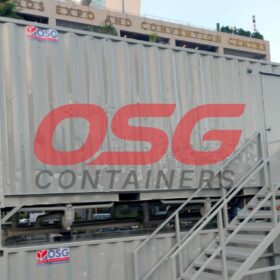
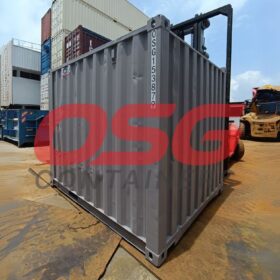
Traditional building projects can get bogged down with permits, construction delays, and unexpected costs. Plus, you’re often stuck with a layout that doesn’t quite fit your needs. With a site office container, you skip a lot of that. They’re built off-site and then delivered, meaning less disruption to your daily operations. You can rent a container office for short-term needs or longer periods, offering flexibility that traditional leases or builds just can’t match. It’s a practical way to add space quickly and affordably, whether you’re looking for temporary offices or more permanent solutions. Even if you’re considering buying used office containers for sale, the core advantage of speed and adaptability remains.
Here’s how containers stack up:
- Speed: Get a functional workspace delivered in days or weeks, not months.
- Cost: Often more budget-friendly than traditional construction or long-term leases.
- Flexibility: Easily move, reconfigure, or add more units as your needs change.
- Durability: Built tough to withstand various weather conditions.
Containers offer a straightforward path to expansion. They bypass many of the common roadblocks associated with conventional building projects, making them a sensible choice for businesses needing space fast.
Real-World Applications of Container Solutions
So, what can you actually do with an office container? It’s more than just a box. Businesses are using them for all sorts of things. Need a place for your site manager to work on a construction project? A site office container is perfect. How about a quiet spot for your sales team to take calls? Yep, a container can do that too. They’re also great for pop-up shops, event control rooms, or even extra storage when inventory piles up. Some companies even use them as lunchrooms or break areas for staff, giving employees a comfortable space away from their workstations. The adaptability means you can find a container solution for almost any business need.
Key Benefits of Office Container Rental
Renting an office container brings a bunch of good points to the table. For starters, it’s a really cost-effective way to get extra space. You avoid the huge upfront costs of building something new. Plus, the rental terms are usually pretty flexible, so you’re not locked into a long-term commitment if your business needs change. They’re also quick to set up – often arriving ready to go with power and air conditioning. This means your team can start working in the new space almost immediately, keeping productivity high. It’s a smart move for businesses that need to scale up or down without a lot of fuss or financial strain.
Maximizing Space Within Your Container Office
So, you’ve got your office container, which is already a smart move. Now, how do you make sure it feels like a productive workspace and not just a box? It’s all about being clever with what you’ve got. Think of it like packing for a trip – you want to fit everything you need without it feeling stuffed. The key is to stop thinking about the floor and start looking up. Your walls are prime real estate, just waiting to be used.
Utilizing Vertical Space Effectively
When you’re working in a container, floor space is obviously limited. That’s where your walls come in. Installing shelves, whether they’re simple floating ones or more complex modular systems, can add a ton of storage without taking up any room you need to walk or sit in. Pegboards are also fantastic for this. You can hang tools, supplies, or even small decorative items, keeping your desk clear. Cube storage units are another good option; they’re versatile and can be reconfigured as your needs change. Don’t forget about over-desk hutches or wall-mounted cabinets – they can double your storage capacity in a snap.
Smart Storage Solutions for Compact Areas
Beyond just shelves, think about how you store things. Rolling carts are surprisingly useful. You can use them as mobile filing cabinets, printer stands, or even a spot to keep your coffee supplies. When you’re done, just roll it away. Drawer dividers are a must-have; they stop your drawers from becoming a jumbled mess. For items you don’t use every day, consider stackable bins or containers that can be neatly tucked away. Sometimes, the best storage is something that disappears. Think about using wall hooks for bags or coats, or even for keeping frequently used items in a tote bag that can be easily grabbed and put away.
Ergonomic Setup for Productivity
Just because your office is small doesn’t mean you have to be uncomfortable. Ergonomics are super important for staying focused and avoiding aches and pains. If your desk is too low, consider a sturdy box or a small riser to bring it up to the right height. A simple lumbar cushion can make any chair more supportive. If you’re using a laptop, an adjustable stand is a game-changer, bringing the screen up to eye level. Even a small footrest can make a big difference in your posture. The goal is to set things up so your body is supported, allowing you to concentrate on your work, not on being uncomfortable.
Making the most of a small space often comes down to smart choices. It’s about finding furniture that does double duty, using every inch of wall space, and keeping things organized so you can find what you need quickly. A little planning goes a long way in turning a compact area into a highly functional workspace.
Creating Functional Zones in Shared Spaces
When your office container isn’t a dedicated standalone unit, but rather part of a larger, shared space – maybe a corner of a warehouse or a section of a larger building – figuring out how to make it work for different needs is key. It’s not just about putting a desk in a box; it’s about making that box feel like its own distinct area, even when it’s right next to other activities. This is where smart zoning comes into play, helping everyone focus on their tasks without feeling like they’re on top of each other.
Visual and Physical Separation Techniques
Making a container office feel separate doesn’t always mean building walls. Sometimes, a few simple tricks can do the job. Think about using rugs to define the floor space of your container office. It’s a simple way to tell your brain, ‘Okay, this is the work zone.’ For a bit more separation, lightweight dividers or even strategically placed bookshelves can create a physical barrier without making the space feel closed off. These can be moved around if your needs change, which is pretty handy.
- Rugs: Use different textures or colors to mark the work area.
- Dividers: Freestanding screens or tall plants can block sightlines.
- Furniture Placement: Arrange desks and chairs to face away from common areas.
- Color Coding: Use distinct paint colors or accessories in the container zone.
The goal is to create a psychological boundary. Even if you can technically see or hear what’s happening outside your designated zone, the visual cues and slight physical separation help your mind switch into work mode more easily.
Adapting Spaces for Work-Life Balance
In a container office that’s part of a larger, multi-use area, maintaining a good work-life balance can be tricky. You want to be productive, but you also don’t want work to bleed into every aspect of your day. This means setting clear boundaries. When the workday is done, can you physically pack away your work materials? Are there designated times when the container office is ‘off-limits’ for non-work activities? Thinking about how the space can transform from a work hub to a relaxation spot, even within the same container, is important. Maybe a desk folds away, or a comfortable chair can be brought in for breaks.
Personalizing Your Workspace Without Compromise
Just because it’s a container office doesn’t mean it has to look sterile or impersonal. You can add your own touch without taking up valuable space. Think about wall-mounted shelves for personal items or plants. Using a pegboard can be great for organizing small supplies and adding a bit of visual interest. Even the lighting can make a difference – adding a small desk lamp with a warm glow can make the space feel cozier and more inviting. The trick is to choose items that are functional and add personality without cluttering up the limited area. Small decorative items or a favorite mug can make a big difference in how you feel about your workspace.
| Feature | Benefit |
|---|---|
| Wall-mounted art | Adds personality, uses vertical space |
| Small plants | Improves air quality, adds life |
| Task lighting | Reduces eye strain, creates ambiance |
| Personal photos | Creates a sense of comfort and belonging |
Essential Considerations for Container Office Setup
Setting up your container office is more than just dropping it in place. You’ve got to think about the practical stuff to make it a real working space. It’s easy to overlook the details, but they make a big difference in how usable and comfortable your new office will be.
Addressing Cable and Tech Management
Wires. They’re everywhere, aren’t they? In a container office, managing your cables and tech setup is super important. You don’t want a mess of cords tripping you up or looking unprofessional. Most container rentals can come pre-wired, which is a lifesaver. Think about where your computers, printers, and other gear will go. You’ll want enough outlets in the right spots. Some companies offer cable management solutions built right into the walls or floor. It’s worth asking about.
- Plan your tech layout before you plug anything in.
- Consider using cable raceways or ties to keep things tidy.
- Think about internet connectivity – will you use Wi-Fi or need a hardwired connection?
Don’t underestimate the power of a clean tech setup. It not only looks better but also reduces the risk of accidental unplugging or equipment damage.
Ensuring Adequate Lighting and Seating
Lighting can totally change the feel of a space. A dark, dingy container is no fun to work in. Most container offices come with basic LED lighting, but you might want to add more. Think about natural light too – can you add a window or a glass door? Good lighting helps with focus and reduces eye strain. And seating? You need comfortable chairs. Spending all day in a stiff seat is a recipe for back pain. Look for ergonomic options if you can. Even a simple desk setup needs a chair that supports you properly.
Here’s a quick rundown:
- Lighting:
- Ambient lighting (overhead)
- Task lighting (desk lamps)
- Natural light (windows, glass doors)
- Seating:
- Ergonomic chairs
- Adjustable height options
- Sufficient lumbar support
The Importance of a Daily Reset Routine
This might sound a bit soft, but having a routine to ‘reset’ your workspace at the end of the day is a game-changer, especially in a smaller space like a container office. It’s about creating a clear boundary between work time and personal time. When you pack up your laptop, tidy your desk, and put away any work-related items, it signals to your brain that the workday is over. This helps prevent work from bleeding into your personal life and can make it easier to switch off. It also means you start the next day with a clean, organized space, which is always a better way to begin.
- Put away your computer and work materials.
- Wipe down your desk surface.
- Organize any papers or supplies.
Making these small habits part of your daily schedule can really boost your productivity and well-being.
Choosing the Right Office Container Rental
So, you’ve decided a container office is the way to go. That’s great! But now comes the part where you actually pick the right one. It’s not just about grabbing the first container you see; there’s a bit more to it if you want it to work well for your team and your project.
Scalable Solutions for Growing Teams
Businesses change, and your workspace needs to keep up. If you’re expecting your team to grow, or maybe you have seasonal staff, you’ll want a rental solution that can grow with you. Think about containers that can be easily added or removed as needed. This flexibility means you’re not stuck with too much space when things quiet down, or scrambling for more room when you suddenly need it.
- Consider modular options: These can be linked together to create larger spaces as your team expands.
- Look into short-term add-ons: Some rental companies let you add extra units for busy periods.
- Plan for future needs: Even if you don’t need it now, think about where an extra container could go later.
Customizable Fit-Outs for Specific Needs
Not all container offices are created equal, and what works for one business might not work for another. You might need a simple desk setup, or perhaps a more complex space with specific equipment. Many rental companies offer customization, which is a big deal.
Here’s a look at what you can often tailor:
- Power and Lighting: Need extra outlets for equipment? Want specific lighting for detailed work? This can usually be arranged.
- Climate Control: Insulation and air conditioning or heating are common requests, especially if the container will be used year-round.
- Interior Layout: From simple open spaces to partitioned offices, you can often get the internal layout adjusted.
- Access Points: Need a specific door or window placement? Some providers can modify this.
Don’t underestimate the power of a well-designed interior. A little bit of customization can make a huge difference in how functional and comfortable your container office feels on a daily basis. It’s worth asking about the options available.
Portable and Modular Office Options
Sometimes, your workspace needs to move with the job. That’s where portable and modular container offices really shine. Portable units are designed to be relocated easily, making them perfect for temporary sites or projects that span multiple locations. Modular setups take this a step further, allowing you to connect multiple containers to create a larger, more complex workspace that can still be disassembled and moved if necessary.
- Portability: Ideal for construction sites, event management, or any business that changes locations frequently.
- Modularity: Lets you build bigger spaces by combining units, offering more layout possibilities.
- Ease of Relocation: Reduces the hassle and cost associated with moving a traditional office space.
Wrapping It Up
So, there you have it. Creating a functional workspace, whether it’s a dedicated office or just a corner of your living room, doesn’t have to be a huge headache or cost a fortune. We’ve talked about using your walls, finding furniture that does double duty, and just generally being smart about the space you’ve got. It’s really about making things work for you. And if your business needs a bit more room to grow, remember that container offices are out there, offering a solid, adaptable solution without all the usual construction drama. Think smart, use your space well, and get to work!
Frequently Asked Questions
What exactly is an office container rental?
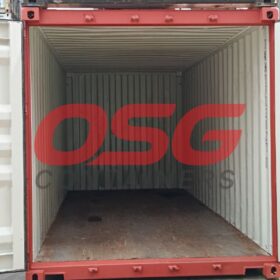
An office container rental is basically a big metal box, like those used for shipping, that’s been fixed up to be a workspace. Think of it as a ready-made office that can be put almost anywhere. It’s a super quick and flexible way to get more office space without the hassle of building something permanent.
Why would I choose a container office over a traditional building?
Container offices are way faster to set up and often cost less than building a new room. Plus, they’re tough and can be moved if your business needs to relocate. They’re a smart choice if you need space quickly or want something more adaptable than a fixed building.
Can I really make a container office comfortable and productive?
Absolutely! These containers can be set up with things like insulation, air conditioning, lights, and power outlets. You can customize them to be just right for your team, making them as comfy and functional as any regular office. It’s all about smart design.
What are the main benefits of renting an office container?
The biggest pluses are speed and flexibility. You get extra workspace fast, and you can often rent them for just as long as you need them. They’re also really good for businesses that might move or change their space needs often. It’s a practical way to grow.
How do I manage cables and technology in a small container office?
Good cable management is key! You can use things like cord clips, sleeves, or under-desk trays to keep wires tidy and out of sight. Using USB hubs and wireless chargers also cuts down on the number of cables you need, making the space feel cleaner and more organized.
Can I customize a container office to fit my specific business needs?
Yes, you can! Many rental companies let you customize the inside of the container. This means you can add specific shelving, work areas, or other features to make it perfect for what your business does, whether it’s for extra staff, storage, or a special project.