Singapore
 Australia
 Indonesia
 Japan
Japan Malaysia
 New Zealand
 Philippines
 South Korea
 Taiwan
 Thailand
 VIETNAM
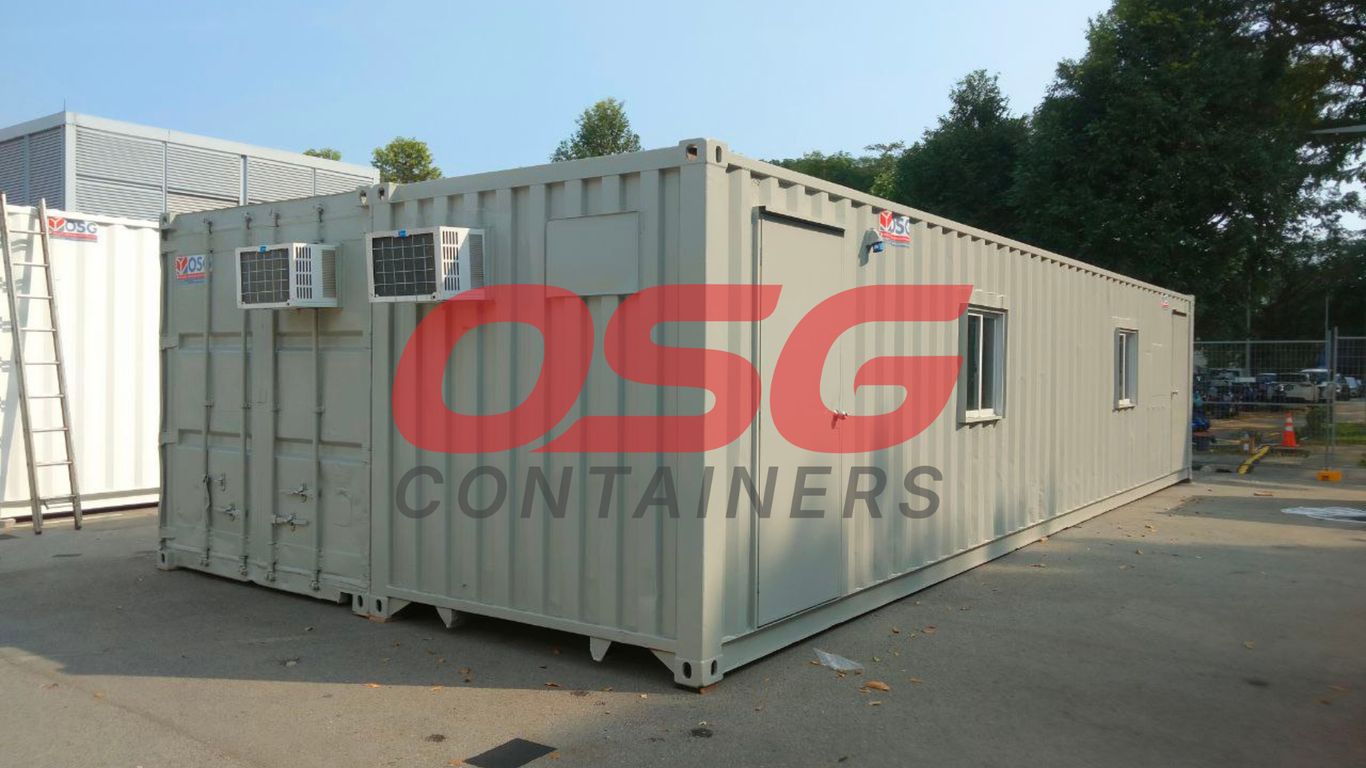
When you’re managing a construction project, having a solid base of operations is pretty important. That’s where the site office comes in. But not all site offices are created equal. We’re talking about different ways to set them up, especially when you need more than just a basic box. Think about combining units, stacking them, or even creating special areas for different tasks. It’s all about making sure your team has the space they need to get the job done efficiently, no matter the project size or location. This guide breaks down how these multi-unit site office configurations work and why they matter.
Key Takeaways
- Modular site offices offer quick setup and are built tough, making them a smart choice for long-term projects.
- You can arrange multiple site office units in various ways, like side-by-side or stacked, and even mix them with other spaces for better function.
- These site offices can be customized inside and out, from the layout to adding specific features and company branding.
- Careful planning is needed to choose the right site office setup based on project needs, workflow, and safety.
- Container-based site offices are a flexible and durable option for various project sizes and locations, from small jobs to large management hubs.
Advantages of Modular Site Office Solutions
When it comes to getting a project up and running, choosing modular site office solutions—like 20ft container offices—can make a world of difference. These spaces are all about quick delivery, staying secure, and keeping expenses in check for the long haul.
Rapid Deployment and Setup
Modular offices, especially container offices, can be installed and put to use in a matter of days rather than weeks. That’s a game-changer when deadlines are tight. Since most of the setup takes place off-site, actual installation time at your location is cut way down. Here are a few reasons why deployment is so fast:
- Minimal foundations or prep work are needed
- Delivery and craning the unit into place is straightforward
- Electrical and HVAC systems are often pre-fitted
You can get operations kicked off quickly, keeping your projects on track without waiting for a traditional building to go up.
Durability and Security
Container offices have an edge because they’re made from strong steel, originally built to handle tough environments. Whether it’s constant foot traffic, busy machinery moving by, or harsh weather, these structures can take a beating. Key points about their durability and security:
- Heavy-duty steel frames resist impact and offer anti-theft protection
- Doors and windows can be reinforced for extra peace of mind
- Weather-resistant builds keep staff and equipment safe from the elements
Cost Efficiency for Long-Term Use
If you have ongoing or future projects, a 20ft container office offers impressive cost savings over time. The upfront investment usually beats building or renting traditional offices. Let’s break it down:
| Cost Factor | Traditional Site Office | Container Office |
|---|---|---|
| Initial Setup Time | Weeks | Days |
| Upfront Investment | High | Moderate |
| Reusability | Low | High |
| Maintenance Over Time | Moderate/High | Low |
A few ways these modular solutions keep expenses down:
- Units can be moved and reused on future projects
- Maintenance is simple and not costly
- Less downtime waiting for office space means better productivity all around
So, in the end, container offices offer practical answers where speed, safety, and budget are the top concerns on any job site.
Types of Multi-Unit Site Office Configurations
When you’re dealing with a construction project, especially a larger one, a single office unit might not cut it. That’s where multi-unit configurations come into play, offering more space and better organization. Think of it like building with LEGOs, but for your job site.
Single and Double-Unit Layouts
For smaller to medium-sized projects, a single converted shipping container, like a standard 20 foot container, often does the trick. It’s compact but can be outfitted with everything needed for basic site management – think desks, a small meeting area, and storage. If you need a bit more room, a double-unit setup is the next step. This could be two containers placed side-by-side, giving you more floor space, or one container with an internal partition creating distinct zones, like a main office and a separate reception or quiet workspace.
Stacked and Side-by-Side Arrangements
As projects grow, so does the need for space. You can arrange multiple container units in a couple of ways. Placing them side-by-side creates a wider, more spread-out office complex. This is great for having distinct areas like individual offices, a conference room, and a break area all on one level. Alternatively, you can stack them. This is a smart move when ground space is limited. Imagine a ground-floor reception and storage area with a supervisor’s office or a quiet planning room on the second floor. This vertical approach can significantly increase usable office space without taking up more of the construction site.
Hybrid Spaces for Enhanced Functionality
Sometimes, you need more than just office space. Hybrid configurations blend different functions into one or more units. You might have a container that’s part office, part secure storage for sensitive documents or equipment. Another popular option is combining office space with a break room or even a small kitchenette. This keeps your team comfortable and on-site, reducing downtime. Some advanced setups might even include a dedicated first-aid station or a small training area within the modular complex, making one container serve multiple purposes effectively.
Combining multiple container units allows for a highly adaptable and scalable site office solution. The modular nature means you can start with a basic setup and add more units as the project demands, or reconfigure them for future projects. This flexibility is a major advantage over traditional temporary structures.
Key Features and Customization Options for Site Offices
When you’re setting up a site office, especially for a multi-unit setup, you’re not just getting a basic box. These modular units are surprisingly adaptable. The real magic happens when you start thinking about how to make them work best for your specific project and team.
Flexible Interior Layouts
Forget one-size-fits-all. Inside, these units can be configured in a bunch of ways. You can have open-plan areas for general administration or break them down into private offices for project managers and engineers. Need a dedicated meeting room? Easy. How about a secure space for sensitive documents? Also doable.
- Partitioning: Walls can be added or removed to create distinct zones.
- Furniture: Desks, chairs, filing cabinets, and shelving can be installed to suit your workflow.
- Flooring: Options range from durable vinyl to more comfortable carpet tiles, depending on the need.
Integrated Amenities and Facilities
It’s not just about desks and chairs. Modern site offices can come with all the creature comforts you’d expect, making them more than just a temporary shelter. Think about:
- Climate Control: Heating, ventilation, and air conditioning (HVAC) systems are standard for year-round comfort.
- Sanitary Facilities: Some units can be fitted with basic restrooms or even small kitchenettes for coffee and snacks.
- Electrical and Data: Full electrical hookups for computers, printers, lighting, and internet connectivity are a must.
Having proper amenities makes a huge difference in team morale and productivity. It means people can stay focused on the job without constantly worrying about basic needs.
Branding and Exterior Design Choices
Your site office is often the first impression clients or stakeholders get of your operation on-site. You can make it look professional, too. The exterior can be painted to match your company colors, and you can add your logo. Windows and doors can be placed strategically to let in natural light and improve ventilation. It’s about making the space functional while also presenting a polished image.
Planning and Designing Effective Site Office Spaces
Getting the site office right from the start makes a huge difference in how smoothly a project runs. It’s not just about having a place to sit; it’s about creating a functional hub that supports your team and project goals. Thinking through the layout, what you actually need, and how people will move around is key.
Space Planning and Workflow
When you’re figuring out the layout, think about the daily grind. Who needs to be where, and what do they do most often? A good plan means less wasted time walking back and forth. For instance, if the site manager needs constant access to plans and the foreman needs to check in frequently, putting their spaces close together makes sense. It’s about making the office work for the project, not against it.
Here are some things to consider:
- Traffic Flow: How will people move in and out? Avoid bottlenecks, especially during busy times.
- Proximity of Key Roles: Grouping teams or individuals who collaborate often can speed things up.
- Noise Levels: Separate quiet areas for focused work from more active zones.
- Storage Needs: Where will plans, tools, and personal items go?
Choosing the Right Configuration for Project Needs
Not all projects are the same, so the office setup shouldn’t be either. A small renovation might only need a single unit, while a massive infrastructure project could require a multi-unit complex. Consider the project’s duration, size, and complexity. A temporary setup for a few months is different from a long-term base for a multi-year build.
The most effective site office configurations are those that directly address the specific demands of the project at hand.
Here’s a quick look at common scenarios:
- Single Unit: Ideal for small teams, basic supervision, and limited administrative tasks. Often includes a desk, storage, and basic amenities.
- Double Unit (Side-by-Side): Offers more space, allowing for separate areas like a private office and a small meeting space, or a larger open-plan workspace.
- Stacked Units: Maximizes ground footprint, useful when space is tight. Can create distinct levels for different functions, like management upstairs and operations below.
- Hybrid Configurations: Combining office space with break rooms, restrooms, or even small storage areas within a single or connected set of units. This cuts down on the number of separate modules needed.
Accessibility and Safety Considerations
Safety is non-negotiable on any construction site, and the site office is no exception. Think about how everyone, including visitors or those with mobility challenges, can access the office safely. This means considering ramps, clear pathways, and proper lighting. Also, make sure emergency exits are obvious and unobstructed. The office itself should be a safe haven, not another hazard.
Designing a site office involves more than just placing a container on the ground. It requires thoughtful planning about how the space will be used, who will use it, and how it contributes to the overall efficiency and safety of the construction project. A well-planned office can significantly boost productivity and team morale.
Applications of Site Office Configurations on Construction Sites
When you’re managing a construction project, having a solid base of operations right there on the job site is a big deal. It’s not just about having a place to sit down; it’s about having a functional hub that keeps everything running smoothly. Modular site offices, especially those based on sturdy shipping containers like a 20 foot unit, are becoming the go-to solution for a lot of different needs.
Management Hubs for Large-Scale Projects
For massive developments, a single office just won’t cut it. You need a central command center where project managers, engineers, and site supervisors can coordinate. Think about combining several units side-by-side or even stacking them. This creates a complex that can house separate areas for administration, meetings, and technical planning. It means everyone is on the same page, and decisions can be made quickly without having to leave the site. This setup helps keep complex projects on track and within budget.
Remote and Challenging Location Solutions
Sometimes, the job site isn’t exactly convenient. If you’re working in a remote area, out in the middle of nowhere, or a place with difficult terrain, setting up a traditional office is a huge headache. Modular units, however, are built for this. They’re tough, can withstand rough weather, and are designed to be moved. You can get a fully equipped office, complete with power and climate control, set up in days, even where building from scratch would be nearly impossible. This makes projects in tough spots much more manageable.
Temporary Versus Permanent Office Functions
It’s easy to think of these as just temporary spots, but they’re really versatile. For short projects, they’re perfect – get in, get the job done, and move on. But they’re also durable enough for long-term use. If a project stretches over years, these units hold up. Plus, they’re cost-effective over time. Instead of building something that’s hard to get rid of later, you can reuse these modular offices on multiple projects. They offer a professional workspace that doesn’t tie you down permanently.
The key is flexibility. Construction projects change, and your site office needs to keep up. Whether it’s expanding space as the project grows or relocating an entire office to a new site, modular solutions provide that adaptability.
Here’s a quick look at how different configurations serve specific roles:
- Single Unit Office: Ideal for smaller sites or specific functions like a site supervisor’s personal workspace.
- Double Unit Configuration: Offers more space, suitable for small teams needing separate areas for meetings and individual work.
- Multi-Unit Complex: Essential for large projects, providing dedicated zones for project management, engineering, and administrative staff.
- Hybrid Units: Combine office space with amenities like break rooms or storage, maximizing utility within a single footprint.
Technology Integration in Modern Site Offices
These days, a site office isn’t just a place to stash your hard hat and grab a coffee. It’s becoming a connected hub, and technology plays a big part in making that happen. Think about it: projects are getting more complex, and keeping everyone on the same page, especially when you’re out in the field, is a challenge. That’s where smart tech comes in.
Connectivity and IT Infrastructure
Getting reliable internet on a construction site used to be a pipe dream. Now, it’s pretty much a necessity. Most modern site offices are set up with robust Wi-Fi, often using dedicated satellite or cellular boosters to make sure the connection stays strong, even in remote areas. This allows for:
- Real-time data uploads from the field
- Video conferencing with clients or head office
- Access to cloud-based project management software
- Downloading updated blueprints and plans instantly
Having a stable network means your team can access critical information without delay, which really speeds things up. It also means you can use all sorts of other cool tech without a hitch.
Security and Monitoring Systems
Construction sites can be targets for theft or vandalism, and keeping expensive equipment and materials safe is a big deal. Site offices are increasingly equipped with integrated security systems. This can include:
- CCTV cameras: Placed strategically around the site and inside the office, often with remote viewing capabilities.
- Access control: Key card or biometric systems for restricted areas within the office or site.
- Alarm systems: Motion detectors and door/window sensors that alert security personnel or site managers to unauthorized entry.
- GPS tracking: For valuable equipment stored or managed from the site office.
These systems aren’t just about preventing loss; they also help with accountability and can provide valuable footage if an incident does occur.
Automation for Efficiency and Comfort
Beyond just connectivity and security, automation is starting to creep into site offices, making life easier and work more efficient. Think about:
- Smart climate control: Thermostats that can be programmed or even controlled remotely to ensure the office is at a comfortable temperature when staff arrive, saving energy when it’s empty.
- Automated lighting: Motion-activated lights that turn off when a room is unoccupied, cutting down on electricity use.
- Digital check-in/check-out systems: For staff and visitors, streamlining site access and record-keeping.
While it might seem like overkill to have fancy tech in a temporary site office, these systems actually contribute to a more professional, secure, and productive work environment. They help manage resources better and can even improve worker morale by providing a more comfortable and technologically advanced space to operate from.
These technological upgrades mean your site office is no longer just a basic shelter but a fully functional, connected, and secure operational base.
Sustainable and Green Practices in Site Office Design
Energy-Efficient Building Materials
When setting up your site office, think about the materials used. Opting for well-insulated panels can make a big difference in keeping the space comfortable without needing to crank the heating or AC all the time. This not only saves energy but also cuts down on costs. Many modular units come with good insulation as standard, but it’s worth checking the R-value to see how well it performs. Recycled or sustainably sourced materials are also a great choice, reducing the overall environmental footprint of your temporary setup. Choosing materials that last and can be reused on future projects is a smart move for both your budget and the planet.
Sustainable Power and Climate Control
Powering your site office sustainably is becoming more common. Solar panels, even small portable ones, can help reduce reliance on generators, especially for basic lighting and charging devices. For climate control, look into energy-efficient HVAC systems. Some modern modular offices can be fitted with systems that use less power to maintain a comfortable temperature. Programmable thermostats also help by automatically adjusting the temperature when the office isn’t in use. It’s about finding a balance between keeping your team comfortable and minimizing energy waste.
Modular Offices and Environmental Impact
Modular offices, like those made from shipping containers, have a lower environmental impact compared to traditional temporary structures. They are built off-site in a controlled environment, which means less waste and disruption at the job site. Plus, their durable construction means they can be relocated and reused for many projects, significantly extending their lifespan. This reusability is a key aspect of sustainability, as it avoids the need to build new structures repeatedly. When a project is done, the modular office can be moved, repurposed, or even sold, rather than becoming landfill waste.
Thinking green with your site office isn’t just a trend; it’s becoming a practical necessity. It involves making smart choices about materials, energy use, and the lifecycle of the structure itself. This approach benefits the environment and often leads to long-term cost savings for construction companies.
Wrapping It Up
So, we’ve looked at how container offices can be set up for different kinds of jobs, from small sites needing just one unit to big projects that need a whole complex. They’re tough, they can be moved around easily, and you can really make them fit what you need. Whether it’s just a basic spot to get work done or a more elaborate setup with meeting rooms and storage, these container offices are proving to be a solid choice for construction sites. They help keep things organized and professional, no matter where the project is or how long it lasts. It’s a smart way to handle on-site space needs these days.
Frequently Asked Questions
What exactly is a modular site office?
Think of a modular site office as a ready-made workspace built from parts, like building blocks. These are often made from sturdy shipping containers that are changed into comfortable offices. They’re great because they can be moved easily from one job site to another, saving time and hassle.
Why are modular offices better than regular temporary buildings?
Modular offices are super quick to set up – you can often start using them in just a few days! They’re also built tough, like steel containers, so they can handle rough weather and site conditions. Plus, you can change the inside to fit exactly what you need, like adding more rooms or specific equipment.
Can I put multiple modular offices together?
Absolutely! For bigger projects, you can connect several modular units. You can place them next to each other or even stack them up to create a larger office space. This is perfect for managing large teams and complex projects, giving everyone their own area.
Are these offices comfortable to work in?
Yes, they can be very comfortable! They are usually insulated to keep you warm in winter and cool in summer. You can also add things like proper lighting, heating, air conditioning, and even soundproofing so you can focus on your work without distractions from the busy construction site.
Can I make my modular office look good and show off my company?
Definitely! You can paint the outside, add your company’s logo and colors, and even put in extra windows for more light. A good-looking office makes your whole project site look more professional and reflects well on your company.
Are modular site offices a good deal for the money?
For the long run, yes! While there’s an initial cost, these offices are built to last for many years and can be used on different projects. They don’t need a lot of repairs and are often cheaper than building a temporary structure or renting traditional trailers over time.