Singapore
 Australia
 Indonesia
 Japan
Japan Malaysia
 New Zealand
 Philippines
 South Korea
 Taiwan
 Thailand
 VIETNAM
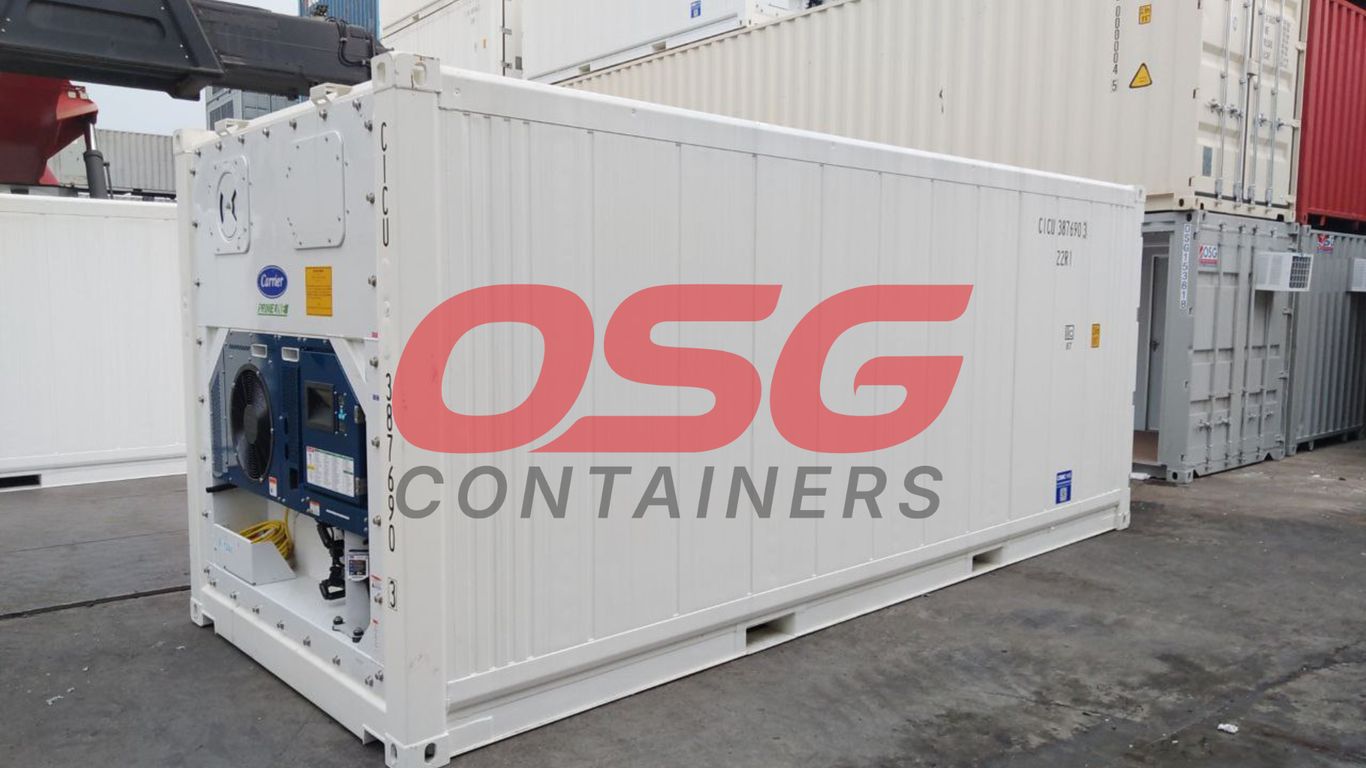
Keeping temperature-sensitive goods safe during transit is a big deal. Think about all those fresh foods, medicines, or even flowers that need to stay just right. Modern reefer containers are pretty amazing, but they rely heavily on technology to do their job. This tech isn’t just about keeping things cold; it’s about knowing exactly what’s happening inside, all the time. We’re talking about systems that track temperature, humidity, and even the air inside, sending all that info back so we can be sure everything’s okay. It’s a complex world of sensors, data, and communication, all working together to protect cargo.
Key Takeaways
- Real-time tracking of temperature and humidity inside reefer containers is vital for cargo integrity.
- Monitoring internal atmosphere (O₂/CO₂) and refrigeration unit status helps prevent spoilage and ensures unit health.
- Data transmission via cellular, satellite, and IoT networks, coupled with cloud platforms, provides constant visibility and record-keeping for reefer containers.
- Advanced systems offer telematics for efficiency, remote control, and predictive maintenance, reducing downtime and cargo loss.
- Compliance with standards like HACCP and GDP is met through automated logging and immediate alarms, safeguarding against breaches.
Core Monitoring Technologies for Reefer Containers
Keeping sensitive cargo like food, medicine, or flowers in perfect condition during transit is a big deal. It’s not just about keeping things cold; it’s about precise control. That’s where the main tech in reefer containers comes in.
Real-Time Temperature and Humidity Tracking
This is the bread and butter of reefer monitoring. Sensors inside the container constantly measure the temperature and humidity. This data is sent out in real-time, so you always know exactly what’s going on inside. No more guessing or waiting for manual checks. If things start to drift from the set point, you get an alert right away. This helps prevent spoilage and ensures that products like fresh produce or pharmaceuticals stay within their required ranges.
Internal Atmosphere Monitoring (O₂/CO₂)
For certain types of cargo, especially fresh produce, controlling the atmosphere is just as important as temperature. This involves monitoring the levels of oxygen (O₂) and carbon dioxide (CO₂) inside the container. By adjusting these levels, you can slow down the ripening process and extend the shelf life of fruits and vegetables. Think of it like putting the produce in a sort of suspended animation. This technology is key for high-value, perishable goods where even slight changes can impact quality.
Refrigeration Unit Status and Filtration
Beyond just temperature, you need to know the refrigeration unit itself is working correctly. This part of the system monitors the unit’s operational status – is it running, is it in defrost mode, are there any error codes? It also keeps an eye on things like the condition of the air filters. Clogged filters can reduce efficiency and impact air circulation, which is bad for the cargo. Knowing the health of the refrigeration unit helps prevent unexpected breakdowns.
Keeping a close watch on these core parameters – temperature, humidity, internal atmosphere, and the refrigeration unit’s health – is the first line of defense in protecting cargo. It’s the foundation upon which all other advanced monitoring and management systems are built. Without this basic, reliable data, managing a reefer fleet would be a shot in the dark.
Here’s a quick look at what’s typically monitored:
- Temperature: Measured at multiple points within the container.
- Humidity: Tracks moisture levels, important for preventing mold or drying out.
- Atmospheric Gases: O₂ and CO₂ levels for controlled atmosphere applications.
- Refrigeration Unit: Operational status, power draw, and error logs.
- Air Filters: Monitoring for clogging or replacement needs.
Data Transmission and Connectivity in Reefer Operations
Getting all that sensor data from a reefer container back to someone who can use it is a big deal. It’s not just about knowing the temperature; it’s about getting that information reliably, no matter where the container is.
Cellular and Satellite Communication
Most modern reefer containers use a mix of communication methods. Cellular networks are great when containers are near ports or in areas with good coverage. They’re generally cheaper and faster for sending data. But what happens when a container is out at sea or in a really remote location? That’s where satellite communication comes in. It’s more expensive, sure, but it provides that global reach, making sure you don’t lose contact with your valuable cargo.
- Cellular: Good for port areas, depots, and land transport with coverage.
- Satellite: Essential for ocean voyages and remote land locations.
- Hybrid Systems: Many devices can switch between cellular and satellite automatically, picking the best available option.
IoT Network Integration (LTE-M, NB-IoT)
Beyond the usual cellular stuff, there’s a growing trend towards using specialized Internet of Things (IoT) networks. Technologies like LTE-M (Long-Term Evolution for Machines) and NB-IoT (Narrowband IoT) are designed specifically for devices that send small amounts of data infrequently. They use less power, which is a huge plus for battery-powered sensors, and can often penetrate structures better than standard cellular signals. This makes them ideal for the harsh environments containers often find themselves in.
The shift towards IoT-specific networks means devices can stay connected longer and use less energy, which is a big win for keeping tabs on cargo without constant battery changes or signal dropouts.
Cloud Platforms and Data Archiving
Once the data leaves the container, it needs a place to go. This is where cloud platforms become really important. All the information – temperature logs, humidity readings, unit status – gets sent to a central server in the cloud. From there, it can be accessed by various stakeholders, like logistics managers, cargo owners, or even customs officials. These platforms also handle data archiving, keeping historical records for audits or analysis. It’s like a digital filing cabinet for all your reefer operations, but way more accessible and searchable.
Here’s a quick look at what these platforms typically offer:
- Data Ingestion: Receiving data from thousands of containers simultaneously.
- Data Processing: Cleaning up and organizing the incoming information.
- Data Visualization: Presenting the data in easy-to-understand charts and graphs.
- Alerting: Notifying users when something goes wrong.
- Reporting: Generating summaries and historical logs.
Advanced Reefer Container Management Systems
Modern logistics demands more than just keeping things cold. Advanced management systems for reefer containers are changing the game, moving beyond basic temperature checks to offer smarter ways to handle your valuable cargo. These systems are designed to give you a much clearer picture of what’s happening with your shipments, whether they’re on a truck, a train, or waiting at a port. Think of it as giving your reefer containers a voice, so they can tell you exactly what they need.
Telematics for Operational Efficiency
Telematics is the backbone of efficient reefer operations. It’s all about collecting data from the reefer container itself and its environment, then sending that information back to you. This includes not just temperature and humidity, but also location, door open/close events, and even the operational status of the refrigeration unit. By analyzing this data, you can spot inefficiencies, like containers sitting idle for too long or routes that could be optimized. It helps you understand how your fleet is being used and where improvements can be made. This is a big step up from just hoping everything is okay.
Remote Control and Intervention Capabilities
What if you could adjust the settings on a reefer container from miles away? That’s the power of remote control. These advanced systems allow operators to make adjustments to temperature setpoints, defrost cycles, or even switch modes on the refrigeration unit without needing to be physically present. This is incredibly useful if a problem is detected or if conditions change unexpectedly. For example, if a shipment of fresh produce is delayed, you can remotely adjust the temperature to keep it in optimal condition. This capability is a lifesaver for preventing spoilage and ensuring cargo integrity, especially for sensitive goods like pharmaceuticals or high-value seafood. It’s like having a remote control for your entire reefer fleet.
Predictive Maintenance and Diagnostics
Nobody likes surprises, especially when it comes to expensive equipment like reefer units. Predictive maintenance uses the data collected by the telematics system to anticipate potential problems before they happen. By monitoring things like compressor run times, fan speeds, and refrigerant pressure, the system can flag components that might be showing signs of wear. This allows you to schedule maintenance proactively, rather than waiting for a breakdown to occur. This not only prevents costly downtime and cargo loss but also extends the lifespan of your equipment. Imagine getting an alert that a specific part on a reefer container is likely to fail in the next few weeks, giving you time to replace it during scheduled maintenance. It’s a smarter, more cost-effective approach compared to reactive repairs. This technology is also being adapted for other specialized transport units, like iso tanks, to ensure their operational readiness.
The shift towards connected reefer containers means that data is no longer just a record of what happened, but a tool for predicting and preventing issues. This proactive approach is key to maintaining the cold chain and building trust with customers who rely on the safe delivery of their goods.
Ensuring Compliance and Cargo Integrity
Keeping sensitive cargo like pharmaceuticals or fresh produce in perfect condition during transit is a big deal. Even a small hiccup in temperature or humidity can ruin an entire shipment, leading to big losses and unhappy customers. That’s where robust monitoring comes in, acting as the watchful guardian of your goods.
Automated Logging for Audits
Forget about manual logbooks that are prone to errors and take ages to sort through. Modern reefer monitoring systems automatically record all the important data – temperature, humidity, door openings, and more. This creates a detailed, tamper-proof digital trail. This continuous data stream is invaluable for proving compliance during audits. It means you can easily pull up records to show that your cargo was kept within the required parameters from start to finish.
Immediate Alarms for Limit Breaches
When things go wrong, you need to know now, not later. Advanced systems are set up with specific thresholds for temperature, humidity, and other conditions. If any of these limits are about to be crossed or are breached, an alert is sent out immediately. This could be via SMS, email, or through the monitoring platform itself. This allows for quick action, like adjusting settings or rerouting the container, before the cargo is damaged.
Here’s a look at typical alert triggers:
- Temperature Deviation: Alert if temperature goes above or below a set range.
- Humidity Fluctuation: Notification if humidity levels change too drastically.
- Power Loss: Immediate warning if the reefer unit loses power.
- Door Open/Close: Tracking unauthorized or prolonged door openings.
Meeting HACCP and GDP Standards
Many industries, especially food and pharmaceuticals, have strict regulations they must follow. Standards like HACCP (Hazard Analysis and Critical Control Points) for food safety and GDP (Good Distribution Practice) for pharmaceuticals demand meticulous control and documentation of temperature-sensitive shipments. Automated monitoring systems are key to meeting these requirements. They provide the verifiable data needed to demonstrate that handling and transport conditions were consistently maintained according to these rigorous guidelines. This isn’t just about avoiding fines; it’s about building trust and assuring the quality and safety of the products you’re shipping.
The complexity of global supply chains means that relying on manual checks for temperature-sensitive goods is a risky business. Automated systems offer a layer of security and transparency that simply wasn’t possible before, making them a standard requirement for anyone serious about cargo integrity.
Fleet Management and Performance Metrics
Managing a fleet of refrigerated containers isn’t just about having the units; it’s about making sure they’re working efficiently and effectively. This is where fleet management and performance metrics come into play. We’re talking about keeping a close eye on how each container is used, how much energy it’s burning, and what’s happening with it overall. The goal is to get the most out of every single container while keeping costs down and cargo safe.
Container Utilization Tracking
Knowing where your containers are and how much they’re being used is pretty basic, but it’s super important. Are they sitting idle at a port for too long? Are they constantly on the move? Tracking this helps you figure out if you have too many containers or not enough, and if they’re being deployed in the smartest way possible. It’s about making sure that expensive piece of equipment is actually doing its job.
Here’s a quick look at what we track:
- Active Transport Time: How long a container is actually moving cargo.
- Downtime: Time spent at ports, depots, or waiting for loading/unloading.
- Turnaround Time: The total time from when a container is unloaded to when it’s ready for its next load.
- Empty Miles/Trips: How often containers are moved without cargo.
Energy Consumption Analysis
Reefer units can be real energy hogs, especially when they’re running non-stop to keep things frosty. Analyzing energy consumption helps identify which units are using more power than they should. Sometimes it’s just an older unit that needs replacing, or maybe there’s an issue like a leaky door seal causing the unit to work harder. Understanding this helps cut down on electricity bills and also reduces the carbon footprint, which is becoming a bigger deal these days.
We look at:
- Power Draw (Watts/kWh): The amount of electricity used over a period.
- Fuel Consumption (if applicable): For units running on diesel generators.
- Efficiency Metrics: Comparing energy use against cooling performance or operating hours.
- Idle vs. Active Consumption: How much energy is used when the unit is on but not actively cooling versus when it’s working hard.
Keeping a close watch on energy use isn’t just about saving money. It’s also about being more environmentally friendly. Less energy used means fewer emissions, which is a win-win for the planet and your bottom line.
Incident Reporting and Analysis
Things go wrong sometimes. A temperature alarm might go off, or a unit might stop working unexpectedly. Having a solid system for reporting and analyzing these incidents is key. It’s not just about fixing the immediate problem, but understanding why it happened. Was it a mechanical failure? A human error? Poor maintenance? Digging into these incidents helps prevent them from happening again, saving you from potential cargo loss and costly repairs down the line. It’s all about learning from mistakes and getting better.
Integration and Standardization in Reefer Monitoring
Interoperability with ISO 10368
Making sure all your reefer monitoring gear plays nice together is a big deal. That’s where standards like ISO 10368 come in. This international standard basically sets the rules for how reefer monitoring equipment should talk to each other and to other systems. Think of it like a universal language for reefer data. When equipment follows this standard, you can swap out one piece of tech for another without a whole lot of hassle, and you know the data you’re getting is going to be in a format that other systems can understand. It really helps avoid getting locked into one vendor’s ecosystem.
Integration with ERP and TMS Systems
Your reefer monitoring system doesn’t operate in a vacuum. It needs to connect with your other business software, like your Enterprise Resource Planning (ERP) system and your Transportation Management System (TMS). Integrating reefer data into these platforms gives you a much clearer picture of your whole operation. For example, your TMS can use real-time reefer status to optimize routes, and your ERP can track inventory more accurately based on cargo conditions. This kind of connection helps streamline workflows and makes managing your fleet a lot less of a headache.
Cybersecurity in Connected Reefer Systems
As reefers get more connected, security becomes super important. We’re talking about sensitive cargo, and you don’t want unauthorized access to control systems or data. Protecting these systems means putting up strong defenses against cyber threats. This includes things like:
- Secure data transmission protocols
- Regular software updates and patching
- Access controls and user authentication
- Network segmentation to limit potential damage
Keeping your connected reefer systems secure is just as vital as keeping the cargo at the right temperature.
The shift towards digital monitoring means that data integrity and system security are no longer afterthoughts. They are core components of a reliable cold chain. Without robust cybersecurity measures, the very systems designed to protect cargo could become a vulnerability, leading to potential breaches, data loss, or even operational disruptions that could jeopardize shipments and damage a company’s reputation.
Wrapping It Up
So, we’ve looked at all sorts of ways to keep an eye on refrigerated containers. From tracking the temperature inside to knowing exactly where the container is, these technologies are pretty important. They help make sure that stuff like food and medicine gets where it needs to go without spoiling. It’s not just about knowing what’s happening right now, but also about having records for later and getting alerts if something goes wrong. Basically, this tech makes shipping sensitive goods a lot less risky and a lot more efficient. It’s a big deal for keeping things fresh and safe.
Frequently Asked Questions
What exactly is reefer monitoring?
Reefer monitoring is like having a watchful eye on your refrigerated containers. It uses special gadgets called sensors to keep track of things like temperature, humidity, and even the gases inside. This information is sent out so people can see if everything is okay with the stuff being shipped, making sure it stays fresh and safe.
Why is it so important to monitor the temperature inside these containers?
Imagine shipping ice cream – if it melts, it’s ruined! For many items, like food or medicines, keeping a steady, correct temperature is super important. If the temperature goes up or down too much, the goods can spoil, get damaged, or become unsafe to use. Monitoring helps make sure this doesn’t happen.
How does the information get from the container to the people who need it?
These containers have little communication devices, kind of like cell phones. They use things like cellular networks or even satellites to send the data. This means that even if the container is on a ship in the middle of the ocean, the information can still be sent back to a computer or phone so people can check on it.
Can someone control the container’s temperature from far away?
Yes, in many cases! Modern systems let operators see the temperature and other details from anywhere. If something looks wrong, like the temperature getting too high, they can often make adjustments remotely, like telling the cooling unit to work harder. It’s like having a remote control for the container’s climate.
What happens if the temperature goes outside the safe range?
If the temperature or humidity goes beyond the limits that were set, the system sends out an alert right away. This could be a text message or an email. This quick warning allows people to jump into action, figure out what’s wrong, and fix it before the cargo is badly damaged.
Does this monitoring help with rules and regulations?
Absolutely! Many industries have strict rules about how temperature-sensitive goods must be transported and stored. The monitoring systems automatically keep records of the temperature throughout the journey. This creates a log that can be used to prove that all the rules were followed, which is really helpful for audits and making sure everything is safe.