Singapore
 Australia
 Indonesia
 Japan
Japan Malaysia
 New Zealand
 Philippines
 South Korea
 Taiwan
 Thailand
 VIETNAM

Keeping your goods at the right temperature during shipping is a big deal, right? Whether it’s that fresh salmon from Alaska or important medicines, you need things to arrive in good shape. That’s where the reefer refrigerated container comes in. These aren’t just regular boxes; they’re like mobile refrigerators that keep your temperature-sensitive items safe and sound, no matter how far they travel. Let’s talk about what makes these reefer refrigerated containers so important.
Key Takeaways
- Reefer refrigerated containers, or ‘reefers,’ are climate-controlled shipping units that keep goods at specific temperatures.
- The first reefer was made in 1925, even before standard shipping containers, to haul ice cream.
- These containers can handle a wide temperature range, from very cold (-85°F) to slightly warm (104°F), protecting various products.
- Using a reefer refrigerated container helps keep products fresh, meet shipping rules, cut down on waste, and reach more customers.
- Properly loading and pre-cooling are vital because reefers maintain temperature, they don’t cool the product itself.
Understanding The Reefer Refrigerated Container
What Are Refrigerated Containers?
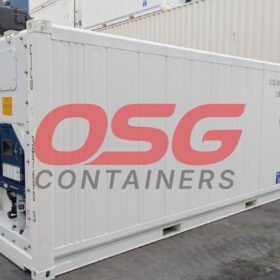
Refrigerated containers, often called “reefers,” are basically specialized shipping containers built to keep things at a steady temperature while they travel. Think of them as mobile refrigerators for big stuff. They’re designed to move temperature-sensitive goods all over the world, making sure they don’t go bad. The first version of these containers showed up way back in 1925, and they were used to haul ice. Pretty wild, right? Today, they’re way more advanced and can keep temperatures anywhere from a chilly -85°F (-65°C) all the way up to a warm 104°F (40°C). This kind of precise control is what lets businesses ship things like fresh fruit, meat, medicines, and even some chemicals without worrying about them spoiling.
A Cool History
The idea of keeping goods cold during transport isn’t exactly new, but the shipping container version really took off in the mid-20th century. Before standardized containers, shipping perishable items was a real headache. You had ice houses, insulated rail cars, and all sorts of methods, but nothing was as efficient or reliable as the reefer container. The development of these units went hand-in-hand with the growth of global trade and the demand for year-round availability of produce and other goods. It’s amazing how much they’ve changed the way we get our food and other products.
How Refrigerated Containers Work
So, how do these things actually keep their cool (or warmth)? A reefer container has a refrigeration unit attached to its front. This unit is connected to a power source, usually from the ship, train, or truck carrying it. The system works by circulating air over cooling coils. If the temperature inside starts to rise above the set point, the refrigeration unit kicks in to bring it back down. It’s a pretty straightforward process, but it requires constant power and careful monitoring.
Here’s a quick look at the main parts:
- Refrigeration Unit: This is the heart of the reefer, containing the compressor, condenser, and evaporator.
- Insulated Walls: The container walls are made with special insulation to prevent temperature exchange with the outside.
- Power Supply: Reefers need a constant power source to run the refrigeration unit.
- Temperature Controls: Users can set and monitor the exact temperature needed for the cargo.
It’s important to remember that a reefer container doesn’t actually cool your products down. It only maintains the temperature you set. So, you need to make sure your cargo is already at the correct temperature before you load it into the container. Loading warm products into a reefer won’t make them cold; it will just try to keep them at that warmer temperature.
The Crucial Role Of Reefer Containers
These specialized shipping containers, often called reefers, are the backbone of moving temperature-sensitive goods across the globe. Without them, a lot of the food we eat and medicines we rely on simply wouldn’t make it to us in good condition. Think about trying to ship fresh berries from California to New York without any temperature control – it wouldn’t be pretty. Reefer containers solve this by keeping cargo at the exact temperature needed, no matter how far the journey.
Preserving Product Integrity
Reefers are all about keeping things just right. They maintain a consistent temperature, which is super important for things like fruits, vegetables, dairy, and even certain chemicals. This consistent environment stops spoilage and keeps products safe for consumption or use. It’s like a mobile, perfectly controlled storage unit for your goods.
Enabling Global Trade
These ship containers really open up the world for businesses. They allow companies to send perishable items to markets far away, reaching more customers and offering a wider variety of products year-round. This global reach is a big deal for both producers and consumers, making more goods available to more people.
Maintaining Optimal Temperatures
The core job of a reefer is temperature control. They use refrigeration units to keep the inside cool, or sometimes warm, depending on what’s being shipped. This precise control is what makes them so valuable for transporting items that can’t handle temperature swings.
The ability to set and hold specific temperatures, from freezing to just above room temperature, is what makes these containers indispensable for many industries. It’s not just about being cold; it’s about being exactly the right temperature.
Here’s a quick look at why maintaining these temperatures matters:
- Quality: Keeps food fresh and medicines potent.
- Safety: Prevents the growth of harmful bacteria in food.
- Compliance: Meets strict rules for transporting certain goods.
- Reduced Waste: Less spoilage means less product thrown away.
Key Benefits Of Using Reefer Containers
Reefer containers are pretty amazing when you think about it. They’re basically mobile refrigerators that keep all sorts of temperature-sensitive stuff safe and sound, no matter where it’s going. This ability to control the environment is a huge deal for a lot of businesses.
Ensuring Product Quality
This is probably the biggest win. Think about shipping fresh produce, dairy, or even certain medicines. Without a reefer, these items would spoil way before they reached their destination. Reefers keep things at the exact temperature needed, so that salmon from Alaska actually arrives in Florida still good to eat. It means customers get products that are just as fresh as when they were packed.
Meeting Regulatory Compliance
Lots of products, especially food and pharmaceuticals, have really strict rules about how they need to be transported. These regulations often demand a specific, controlled temperature range. Using a reefer container makes it much easier to follow these rules, avoiding fines or having shipments rejected. It’s a way to make sure everything is above board.
Reducing Waste and Spoilage
When things spoil, it’s not just a loss of product; it’s a waste of money, resources, and effort. By keeping goods at the right temperature, reefers drastically cut down on spoilage. This means less product thrown away, which is good for the bottom line and also better for the environment. Less waste is always a good thing.
Expanding Market Reach
Because reefers can keep goods fresh over long distances and different climates, they open up new markets. A farmer in one country can now sell their produce to customers in another country, or a company can offer seasonal fruits year-round. It connects producers and consumers in ways that weren’t possible before, giving everyone more choices.
Keeping things cool isn’t just about preventing a bad smell; it’s about maintaining the very essence of the product, from its taste and texture to its safety and effectiveness. This controlled environment is what makes global trade of perishables possible.
Essential Applications For Reefer Containers
Reefer containers are pretty amazing pieces of equipment, and they’re used for all sorts of things that need a specific temperature to stay good. Without them, a lot of the food we eat and medicines we rely on wouldn’t make it to us in the condition they should.
Food and Beverage Industry
This is probably the biggest user of reefer containers. Think about all the fresh fruits, vegetables, dairy products, and meats that need to travel across the country, or even across the world. Keeping these items at the right temperature is key to preventing spoilage and keeping them safe for consumption. For example, shipping berries from California to New York requires a consistent, cool environment to prevent them from bruising and going bad before they even hit the store shelves. It’s not just about keeping things cold, either; some beverages or processed foods might need a slightly warmer, but still controlled, temperature.
Pharmaceutical Transport
When it comes to medicines and vaccines, temperature control isn’t just about quality; it’s about effectiveness and safety. Many pharmaceuticals, especially biologicals and vaccines, are incredibly sensitive to temperature fluctuations. A slight deviation can render them useless, or worse, harmful. So, these specialized reefers are built to maintain very precise temperature ranges, often with backup systems, to make sure life-saving treatments arrive in perfect condition. Imagine trying to transport a COVID-19 vaccine without a reefer – it just wouldn’t be possible.
Specialty Cargo Needs
Beyond food and medicine, there are other types of cargo that benefit from reefer containers. This can include things like certain chemicals that need to be kept within a specific temperature range to remain stable or safe. Flowers, for instance, are often transported in reefers to keep them fresh and vibrant during their journey from grower to florist. Even some high-tech components or sensitive artwork might require climate-controlled transport to prevent damage from extreme heat or cold. The ability to precisely control the internal environment makes reefers versatile for a wide array of sensitive goods.
The precision offered by reefer containers means that products can travel vast distances without losing their integrity. This opens up global markets for producers and provides consumers with access to a wider variety of goods throughout the year, regardless of season or location.
Best Practices For Reefer Container Management
Keeping your refrigerated containers running smoothly is pretty important if you want your goods to arrive in good shape. It’s not just about setting a temperature and forgetting about it. There’s a bit more to it, really. Think of it like taking care of a sensitive piece of equipment – a little attention goes a long way.
Proper Pre-Cooling Procedures
Before you even think about loading anything, you need to get the container itself to the right temperature. This isn’t something you can skip. If you load warm product into a container that’s still at ambient temperature, you’re already behind the curve. It takes time for the container’s cooling unit to bring down the temperature of the cargo, and during that time, your product is sitting in less-than-ideal conditions. So, always pre-cool the unit to the target temperature well in advance of loading.
Loading and Unloading Protocols
This is where things can go wrong quickly if you’re not careful. Reefers maintain a temperature, but they don’t actively cool the product itself. That means minimizing the time the doors are open is key. Every second the doors are open, you’re letting in warmer, more humid air, which fights against the cooling unit. It’s a good idea to have a plan for loading and unloading that keeps the doors shut as much as possible. Sometimes, people use things like air curtains or strip curtains to create a barrier, which helps a lot.
- Minimize door open time: The less time the doors are open, the better.
- Organize your loading: Have your cargo ready to go so it can be moved in quickly.
- Use a guard house: If possible, a small structure near the container can help manage the flow of people and equipment, reducing unnecessary door openings.
Maintaining Temperature Consistency
Once the cargo is inside and the doors are closed, the goal is to keep that temperature steady. Fluctuations are bad for most temperature-sensitive goods. This means making sure the container’s cooling unit is working correctly and that the cargo is loaded in a way that allows air to circulate properly.
Proper airflow is critical. If you block the vents or stack cargo too tightly, the cold air can’t get to all parts of the load, leading to hot spots and potential spoilage. Think about how air moves around the product.
Regular checks and a good understanding of how the unit operates are your best bet for keeping things cool and consistent.
The Future Of Reefer Refrigerated Container Technology
The world of shipping is always changing, and refrigerated containers are right there with it. Technology keeps pushing things forward, making these cold boxes smarter and more efficient. We’re seeing some pretty cool stuff happening that will change how we move temperature-sensitive goods.
Technological Innovations
Things are getting really interesting with new tech. Think about Internet of Things (IoT) devices – they’re like little brains for reefers. They let people see exactly what’s going on with a container, like the temperature and humidity, from anywhere. This means you can make changes on the fly if something isn’t quite right. Plus, you can track where the container is at all times, which is a big deal for keeping things secure. Blockchain is also stepping in, adding a layer of trust. It makes it easier to see the whole journey of your shipment, from start to finish, so you know your goods are safe. And then there’s Artificial Intelligence (AI). AI can look at all the data coming from those IoT sensors and predict problems before they even happen. It can also figure out the best routes and adjust temperatures automatically, almost like having a super-smart assistant watching over your cargo.
Sustainability in Refrigeration
People are also thinking a lot about the environment. This means looking for ways to make refrigeration less impactful. We’re seeing a move towards using refrigerants that are better for the planet, cutting down on greenhouse gas emissions. Companies are also trying to make the containers themselves more energy-efficient, maybe by improving insulation or using smarter power sources. Even things like optimizing shipping routes to use less fuel play a part in making the whole process greener.
Advancements in Logistics
Beyond the containers themselves, the way we manage them is changing too. We’re getting better at planning and tracking shipments. This includes things like using data to predict demand and manage inventory more effectively. For specialized cargo, like certain chemicals or sensitive electronics that might need more than just standard cooling, we’re seeing more flexible solutions. This could involve specialized containers or even things like iso tank containers adapted for temperature control. The goal is to make the entire supply chain smoother and more reliable, ensuring that whatever needs to stay cold, stays cold, no matter where it’s going.
The Takeaway: Keeping Things Cool
So, we’ve talked about how these reefer containers, which have been around since the 1920s for ice cream, are pretty amazing. They can keep stuff super cold or even a bit warm, which is a big deal for getting fresh food, medicines, and other things from one place to another without them going bad. Think about trying to ship fresh fish without them – it just wouldn’t work! These containers really help businesses avoid waste and reach more people. It’s clear that keeping things at the right temperature is a pretty big deal in getting products to us in good shape. They’re a simple idea, really, but they make a huge difference in our everyday lives.
Frequently Asked Questions
What exactly is a reefer container?
Reefer containers, or refrigerated containers, are like special moving boxes with their own cooling systems. They keep things like food, medicine, and flowers at just the right temperature, whether it’s super cold or a little warm, so they don’t spoil or get ruined during shipping.
When did reefer containers start being used?
These special containers first showed up way back in 1925, even before regular shipping containers were common! They were first used to haul ice cream, which needed to stay frozen. Now, they’ve gotten much fancier and can keep things chilly down to -85°F or even warm them up to 104°F.
How do reefer containers keep things cold (or warm)?
Reefers work by having a built-in refrigeration unit, kind of like a fridge on the outside. This unit can be set to a specific temperature, and it keeps the inside of the container at that exact temperature. This is super important for keeping sensitive items fresh and safe.
Why are reefer containers so important?
They are a big deal because they stop food from going bad too quickly, which saves a lot of wasted food and money. They also make sure that important medicines stay effective and allow businesses to sell fresh products to people all over the world, even if they live far away from where the food was grown.
What kinds of things are usually shipped in reefer containers?
You’ll find them used a lot in the food business to ship everything from fruits and veggies to meat and dairy. They’re also vital for moving medicines and vaccines that need to stay at certain temperatures to work properly. Sometimes, even things like flowers or special chemicals need them.
What are some good tips for using reefer containers?
Before you load anything, it’s smart to cool down the empty reefer container to the temperature your product needs. Also, when you’re loading and unloading, try to do it quickly and keep the doors closed as much as possible. This helps the container keep the temperature steady and protects your cargo.