Singapore
 Australia
 Indonesia
 Japan
Japan Malaysia
 New Zealand
 Philippines
 South Korea
 Taiwan
 Thailand
 VIETNAM
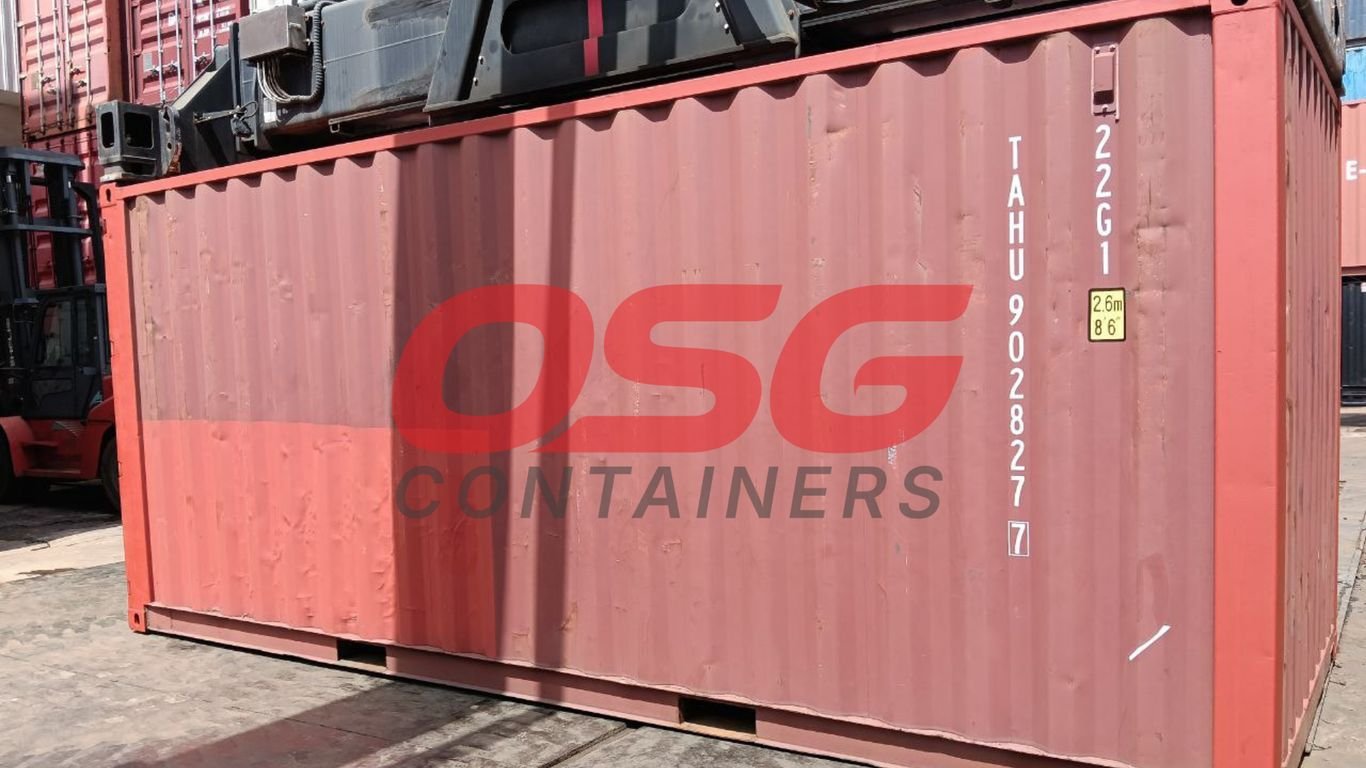
So, you’re curious about those big metal tanks you see on trucks and trains? They’re called ISO tank containers, and they’re pretty handy for moving liquids and gases around. Think of them as super-strong, reusable barrels that can handle all sorts of stuff, from cooking oil to chemicals. We’re going to break down what makes them tick, how much they can hold, why they’re safe, and if they’re actually a good deal. It’s not as complicated as it sounds, really.
Key Takeaways
- ISO tank containers are standardized, reusable tanks for bulk liquids and gases, fitting standard shipping frames.
- They come in various sizes, typically around 20,000 to 26,000 liters, but can be larger (Swap Bodies).
- Different types exist for specific cargo like food, chemicals, or gases, with features like special linings or insulation.
- Safety is a big deal; these tanks are built tough with stainless steel and safety valves, meeting international rules.
- Using ISO tanks can save money by consolidating shipments and reduce environmental impact compared to single-use options.
Understanding ISO Tank Container Capacity and Dimensions
When you’re looking at ISO tank containers, the first thing that usually comes up is how much they can actually hold and what their outside measurements are. This is pretty important for planning your shipments, especially when you’re dealing with large volumes of liquids or chemicals. Most standard ISO tanks are built to fit within the same footprint as a regular 20-foot shipping container, meaning they’re typically 8 feet wide and 8.5 feet tall. The length is where you see more variation, with the most common sizes being 20 feet, but you can also find longer options, including those that approach the size of a 40 ft container or even a 40 footer container.
Standard ISO Tank Sizes and Their Capacities
The capacity of an ISO tank is measured in liters, and it really depends on the tank’s length and design. While a standard 20-foot tank might hold anywhere from 17,500 to 26,000 liters, you can get larger ones. Some specialized tanks, sometimes called swap bodies, can go up to 35,000 liters. It’s not just about picking the biggest one, though; you need to match the capacity to your cargo’s volume and weight.
Here’s a general idea of what you might find:
- 20ft ISO Tanks: These are the workhorses, often holding between 21,000 and 26,000 liters. They’re great for a wide range of liquids, from food-grade products to chemicals.
- Longer ISO Tanks (approaching 40ft container size): These can push capacities higher, sometimes up to 30,000 liters or more, for when you need to move a bit more product.
- Swap Body Tanks: These are designed to be longer than the standard frame, offering capacities up to 35,000 liters, ideal for lightweight but bulky goods.
External Dimensions for Intermodal Transport
Because ISO tanks are designed for intermodal transport, their external dimensions are standardized to work with existing shipping infrastructure. This means they fit onto container ships, trains, and trucks without special handling. A typical 20-foot ISO tank has external dimensions of roughly 20 feet long by 8 feet wide by 8.5 feet high. Even when you get into longer tanks, they’re still designed to be compatible with standard container handling equipment, making logistics smoother. This standardization is a big reason why the 40 ft container size is so common in shipping, and tanks follow similar principles.
Maximizing Payload Within Tank Limits
Getting the most out of your ISO tank means understanding its payload capacity and respecting fill limits. You can’t just fill them to the brim. For most liquids, you’ll want to fill a tank between 80% and 95%. Filling it too little (below 80%) can cause the liquid to surge during transit, which is unsafe. Filling it too much (over 95%) leaves no room for expansion, especially if the temperature changes, which could lead to pressure buildup. Always check the specific guidelines for your cargo and the tank itself to stay safe and compliant.
The weight and volume limits for any ISO tank are clearly marked. Exceeding these limits isn’t just a safety risk; it can lead to fines and delays. Always consult the tank’s specifications and your cargo’s properties to determine the optimal fill level.
Diverse Types of ISO Tank Containers for Specific Cargo
So, you’ve got something to ship, and it’s not just a bunch of boxes. We’re talking liquids, gases, maybe even some powders. That’s where ISO tank containers really shine. They aren’t just one-size-fits-all; there’s a whole range designed for different jobs. Think of it like having specialized tools for specific tasks – you wouldn’t use a hammer to screw in a bolt, right?
Specialized Tanks for Food-Grade and Chemical Transport
When you’re moving things like olive oil, wine, or even sensitive chemicals, you need a tank that keeps things pure and safe. Food-grade tanks are built with super smooth stainless steel interiors, no rough spots where anything can hide. They’re cleaned to a high standard to avoid any cross-contamination. For chemicals, it gets a bit more complex. Some chemicals are pretty mild, while others are seriously corrosive or hazardous. You’ll find tanks specifically rated for certain chemical classes, like T11 for non-hazardous chemicals or T14 for the more dangerous stuff. Some might even have a special rubber lining to handle really aggressive acids.
ISO Tanks for Gas and Cryogenic Liquids
Shipping gases is a whole different ballgame. You’ve got tanks designed for things like liquefied petroleum gas (LPG) or industrial gases like nitrogen. These are built to handle pressure safely. Then there are the cryogenic tanks, which are basically super-insulated vacuum flasks on wheels. They’re for stuff like liquid oxygen or nitrogen that needs to stay incredibly cold, like, really, really cold. These tanks have extra layers and special valves to keep that temperature stable.
Identifying the Right Tank for Your Product
Choosing the correct tank is pretty important. You don’t want to put a corrosive chemical in a tank meant for juice, and you definitely don’t want to ship flammable gas in a standard liquid tank. Here’s a quick rundown:
- Food-Grade: For edible liquids and some dry food products. Think smooth interiors and strict hygiene.
- Chemical Tanks: Rated for specific types of chemicals, from mild to hazardous. Material and lining are key.
- Gas Tanks: Built to safely contain pressurized gases.
- Cryogenic Tanks: For super-cold liquefied gases, with heavy insulation.
- Silo Tanks: Often used for powders and grains, with top loading and unloading features.
It’s not just about the liquid or gas itself, but also about the journey. Temperature control, pressure requirements, and the potential for hazardous reactions all play a part in selecting the correct ISO tank. Getting this wrong can lead to product spoilage, safety incidents, or costly regulatory fines. Always check the tank’s specifications against your cargo’s needs.
Sometimes, you might see references to tank codes like T1, T4, T11, T14, T50, and T75. These codes give you a quick idea of what the tank is approved to carry. For example, T75 tanks are often used for liquefied gases. And don’t forget about size – while many are standard 20-foot equivalents, some might be higher, like a high cube container, offering more volume within a similar footprint.
Ensuring Safety and Compliance with ISO Tank Containers
Robust Construction for Hazardous Materials
When you’re moving anything from chemicals to food products, safety is the number one thing on your mind. ISO tank containers are built tough, usually from strong stainless steel. This isn’t just for show; it means they can handle some pretty rough stuff, including hazardous materials, without falling apart or leaking. They’re designed to keep whatever’s inside contained, no matter what the journey throws at them. Think of it like a really sturdy thermos, but for industrial quantities.
Essential Safety Features and Valves
Beyond just being made of strong stuff, these tanks have specific bits and pieces that make them safe. You’ll find things like pressure relief valves, which are super important. If the pressure builds up inside for any reason, these valves let a bit out to stop anything bad from happening. There are also different types of valves for loading and unloading, all designed to minimize the chance of spills. It’s all about having layers of protection.
- Pressure Relief Valves: Prevent over-pressurization.
- Emergency Shut-off Valves: Allow for quick closure in case of an incident.
- Dip Tubes: Control the filling level to avoid overfilling.
- Manhole Covers: Securely sealed to prevent leaks during transit.
The design of an ISO tank container incorporates multiple safety mechanisms. These aren’t just add-ons; they are integral to the tank’s structure, working together to protect both the cargo and the environment. Regular checks and maintenance of these components are key to their continued effectiveness.
International Approvals and Quality Assurance
Before an ISO tank container can hit the road, rail, or sea, it has to meet some pretty strict international standards. This means they get inspected and certified. You’ll often see marks like CSC (Container Safety Convention) plates. These certifications tell you that the tank has been built and tested according to global rules, like those from the International Maritime Dangerous Goods (IMDG) code if you’re shipping hazardous materials by sea. It’s basically a stamp of approval that says, ‘Yep, this tank is good to go and safe for its intended purpose.’
Cost-Effectiveness and Sustainability of ISO Tank Usage
Reducing Logistics Costs Through Consolidation
Think about it: instead of juggling a bunch of smaller containers, you’re using one big tank. This means fewer shipments to manage, less paperwork, and a lot less time spent loading and unloading. One ISO tank can hold as much as 80 drums, which really cuts down on the number of trips needed. This consolidation is a huge win for your bottom line. Fewer trips mean lower fuel costs, less labor, and quicker turnaround times. Plus, since these tanks are built tough and can be used over and over, you’re not constantly buying new packaging. It just makes good sense for moving liquids in bulk.
Environmental Benefits of Reusable Tanks
It’s not just about saving money; using ISO tanks is also a much greener choice. Unlike single-use drums or flexitanks that end up in landfills, ISO tanks are designed for the long haul – we’re talking up to 30 years of use. This reusability drastically cuts down on waste. Imagine the amount of plastic and metal that gets thrown away with disposable containers; ISO tanks help avoid all that. They also cut down on emissions. Because they can be moved directly from a ship to a train, and then to a truck, without needing to repackage the cargo, there are fewer handling steps. This intermodal capability means less fuel burned overall and a smaller carbon footprint for your shipments.
Comparing ISO Tanks to Alternative Transport Methods
When you stack ISO tanks up against other ways to move liquids, the advantages really stand out. Drums are a hassle – lots of them, lots of handling, and they take up more space for the same amount of product. Flexitanks are a bit better, but they’re still often a one-time use deal, which isn’t great for the planet or your wallet in the long run. ISO tanks, on the other hand, are built for durability and efficiency. They’re designed to handle everything from food-grade products to hazardous chemicals safely. Plus, their standardized size means they fit right into the global shipping system, making transitions between ships, trains, and trucks smooth. This flexibility and robustness make them a clear winner for bulk liquid transport.
The real beauty of ISO tanks lies in their ability to simplify complex logistics. By consolidating shipments and enabling seamless transitions between different modes of transport, they reduce operational friction and environmental impact. This makes them a smart choice for businesses looking to optimize their supply chains while also being mindful of their ecological footprint.
Choosing the Ideal ISO Tank Container for Your Needs
So, you’ve got liquids to move, and you’re looking at ISO tanks. That’s smart. But picking the right one isn’t just a grab-and-go situation. It’s about matching the tank to your specific cargo and how you’re going to get it from point A to point B. Let’s break down how to make that choice.
Assessing Cargo Properties and Volume
First things first, what exactly are you shipping? Is it something food-grade, a tricky chemical, or maybe a gas? This is the biggest factor. For instance, you wouldn’t use the same tank for wine as you would for hydrochloric acid. Some liquids need special linings, like food-grade tanks that are super clean, or maybe an epoxy coating for certain chemicals. You also need to know the exact volume and weight. A 20,000-liter tank is great, but if you’ve got 25,000 liters, you’ll need a bigger one. Don’t forget about temperature sensitivity – some products need to stay chilled or warm.
Here’s a quick look at some common tank types and what they’re usually for:
- T1: Good for wine and other light liquids.
- T4: Often used for non-hazardous edible and non-edible oils.
- T11: Suitable for general non-hazardous chemicals.
- T14: Designed for tougher stuff like hazardous chemicals and acids.
- T50: For gases like LPG and ammonia.
- T75: Handles cryogenic gases.
Considering Transportation Modes and Journey Requirements
How is this tank going to travel? Is it going on a truck, a train, a ship, or a mix of all three? If it’s intermodal, meaning it switches between transport types, the tank needs to fit standard handling equipment. Think about the route too. If your product is sensitive to temperature changes, you’ll need a tank that can be heated or cooled. This is super important for things like pharmaceuticals or certain food products. Also, consider how you’ll load and unload. Some tanks have top hatches, others have bottom valves – pick what works best with your facilities.
Always double-check the tank’s pressure rating. Some liquids, especially hazardous ones or gases, need tanks built to handle specific internal pressures. It’s a safety thing, plain and simple.
New vs. Used ISO Tanks: A Budgetary Decision
Now, the money part. New ISO tanks are shiny and come with all the latest safety tech. They’re built to last and perform at their best. But, yeah, they cost more upfront. Used tanks can be a real money-saver, especially if you’re not shipping constantly or if your cargo isn’t super high-risk. The catch with used tanks? You absolutely have to make sure they’ve been thoroughly inspected and certified. You don’t want to skimp on safety just to save a few bucks. Sometimes, leasing is also an option if you only need tanks now and then. It avoids that big initial purchase.
Key Features That Define ISO Tank Containers
Durable Stainless Steel Construction
At the heart of every ISO tank is its inner vessel, almost always made from high-grade stainless steel. This isn’t just for show; stainless steel is chosen because it’s really good at resisting corrosion and doesn’t react with most liquids. This means you can ship everything from aggressive chemicals to sensitive food products without worrying about the tank itself contaminating your cargo or breaking down over time. This robust material is a big reason why ISO tanks are so reliable for a wide range of products.
Insulation for Temperature Control
Many ISO tanks come with a layer of insulation, often polyurethane foam, wrapped around the stainless steel core. This is then covered by a protective outer shell, usually aluminum. Why bother with all that? Well, it helps keep the temperature of your cargo stable. If you’re shipping something that needs to stay cool, like certain food ingredients, or warm, like some oils, this insulation layer makes a huge difference. It reduces the need for active heating or cooling systems, saving energy and money.
Standardized Framework for Handling
ISO tanks aren’t just about the tank itself; they’re built within a standard metal frame. This frame is typically the same size as a regular 20-foot shipping container. This standardization is a game-changer for logistics. It means ISO tanks can be handled by the same equipment used for dry cargo containers – cranes, forklifts, ships, trains, and trucks are all designed to work with these dimensions. This makes moving them between different modes of transport incredibly straightforward and efficient.
- Intermodal Compatibility: Fits seamlessly onto standard container chassis, rail cars, and ships.
- Stackable Design: The frame allows tanks to be stacked securely, maximizing space in warehouses and on vessels.
- Global Recognition: The standardized dimensions mean they can be handled at ports and terminals worldwide without special arrangements.
The beauty of ISO tanks lies in their universal design. This means a tank filled in one country can travel across oceans and continents, being moved by different transport companies and equipment, all without needing to transfer the liquid to another container. It simplifies the entire shipping process.
| Feature | Material/Description |
|---|---|
| Inner Tank | Stainless Steel (e.g., 316L) |
| Insulation | Polyurethane Foam (common) |
| Outer Shell | Aluminum or Stainless Steel |
| Frame Dimensions | Standard ISO container footprint (e.g., 20ft x 8ft x 8.5ft) |
| Valve Protection | Recessed or guarded for safety |
Wrapping It Up
So, we’ve gone over a lot about ISO tank containers. They’re pretty handy for moving liquids and even some gases and powders around, whether they’re hazardous or not. Choosing the right one really depends on what you’re shipping, how much of it, and where it’s going. Remember, safety is key, and picking a tank that fits your cargo and journey is super important. While they might seem like a bigger upfront cost than, say, flexitanks, their reusability and durability often make them a smarter choice in the long run, especially for regular shipments. Plus, they’re a bit kinder to the planet by cutting down on waste. Keep all this in mind, and you’ll be well on your way to figuring out the best ISO tank solution for your needs.
Frequently Asked Questions
What exactly is an ISO tank container?
Think of an ISO tank container as a big, strong tank built inside a metal frame. This frame is the same size as a standard shipping container, so it can easily be moved around by ships, trains, and trucks. These tanks are used to safely carry liquids, gases, and even some powders from one place to another, all around the world.
How much stuff can an ISO tank hold?
ISO tanks come in different sizes, but a common one is about 20 feet long, like a regular shipping container. They can usually hold between 21,000 and 26,000 liters of liquid. Some bigger ones, called ‘Swap Bodies,’ can hold even more, up to 35,000 liters!
Are ISO tanks safe for carrying dangerous stuff?
Yes, they are! ISO tanks are made from tough materials like stainless steel, which doesn’t easily rust or get damaged. They also have special safety valves to prevent leaks. Because they’re so well-built, they’re a great choice for carrying chemicals or other materials that need extra care.
Can I use the same ISO tank for different kinds of liquids?
It depends. For things like food or drinks, you’d want a special ‘food-grade’ tank that’s super clean. If you’re carrying chemicals, you’d use a tank made for that. While they are reusable, it’s best to use the right tank for the right product to avoid mixing or contamination. They are cleaned between uses.
Are ISO tanks better than using lots of smaller barrels?
Definitely! One ISO tank can hold as much as about 80 barrels. This means fewer containers to handle, which saves time and money on shipping and storage. Plus, they’re much better for the environment because they can be used over and over again, unlike single-use barrels or bags.
What’s the difference between a new and a used ISO tank?
A new ISO tank is like a brand-new car – it has all the latest features and is in perfect condition, but it costs more upfront. A used ISO tank is cheaper, but you need to make sure it’s been checked carefully and is still safe and approved for use. It’s a bit like buying a used car; you want to know it’s reliable.