Singapore
 Australia
 Indonesia
 Japan
Japan Malaysia
 New Zealand
 Philippines
 South Korea
 Taiwan
 Thailand
 VIETNAM
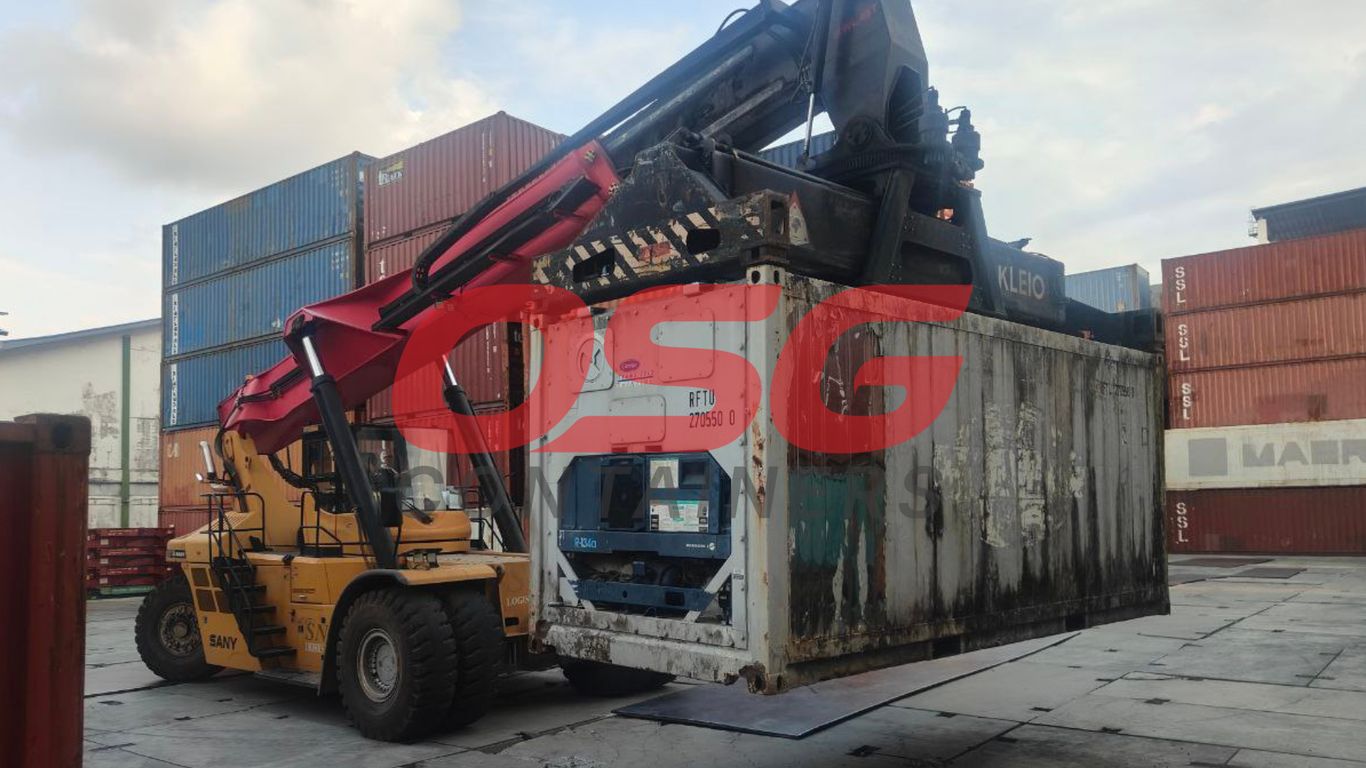
Moving liquids and gases around the world used to be a real headache. Think barrels, messy IBCs, or huge tankers. All that meant extra work, a higher chance of your product getting messed up, and lots of delays when switching from trucks to trains to ships. Then came the iso tank container. It’s basically a strong tank built into a standard shipping container frame. This simple idea makes it super easy to move liquids and gases between different types of transport without all the fuss. It’s a game-changer for getting your bulk liquids where they need to go, safely and efficiently.
Key Takeaways
- Iso tank containers are super adaptable, handling everything from food products to harsh chemicals and even gases under pressure, thanks to special linings and designs.
- They make global shipping a breeze by easily moving between trucks, trains, and ships, cutting down on delays and handling problems.
- Using iso tank containers means less waste from packaging because they’re reused over and over, and their efficient travel cuts down on emissions.
- Operations are smoother with iso tanks; loading and unloading are straightforward, they carry a lot of product, and specialized trucking services handle the logistics.
- Safety is a big deal with iso tank containers, as they’re built to strict international rules, tested regularly, and have security features to keep cargo safe.
The Versatility of Iso Tank Container Cargo Handling
Accommodating Diverse Liquid and Gas Cargo Types
When you’re dealing with bulk liquids or gases, the standard shipping container just won’t cut it. That’s where iso tanks, or isotanks as some call them, really shine. These aren’t your average boxes; they’re specifically built to handle a huge variety of stuff that needs to stay liquid or gaseous during transit. Think everything from food-grade oils and juices to industrial chemicals and even liquefied gases.
The real magic of iso container tanks lies in their adaptability. Different cargoes need different environments, and these tanks are designed with that in mind. For food products, you need tanks that are super clean and won’t impart any flavor. For chemicals, you need something that can handle corrosive materials without breaking down. And for gases, well, that’s a whole other ballgame requiring tanks built to withstand serious pressure.
Here’s a quick look at what they can handle:
- Food and Beverage: Think wine, edible oils, milk, and juices. These require tanks with specific food-grade linings and strict cleaning protocols to keep everything pure and safe.
- Chemicals and Industrial Liquids: This covers a broad spectrum, including acids, solvents, paints, and fertilizers. The tanks need to be robust and often have special coatings to prevent reactions with the cargo.
- Liquefied Gases: Gases like propane, ammonia, or even some industrial gases are transported under pressure. These isotanks are built to very high-pressure specifications.
The ability to customize the interior of an iso tank, whether through specialized linings or by selecting a pressure-rated model, means that a single type of shipping container can serve a vast array of industries. This flexibility is a major reason why they’ve become so popular for moving liquids and gases globally.
Specialized Linings for Food-Grade and Chemical Transport
Moving food products or chemicals isn’t something you can do in just any old tank. For food-grade items, the interior surfaces of the iso tank are critical. They need to be smooth, non-reactive, and easy to clean thoroughly to prevent any contamination or off-flavors from getting into your product. Materials like stainless steel are common, often with specific finishes. For chemicals, the lining choice depends entirely on what you’re shipping. Some chemicals can eat away at standard metal, so you might see tanks with rubber, epoxy, or specialized plastic coatings to keep the cargo contained and the tank intact.
Pressure-Rated Tanks for Liquefied Gas
Transporting gases that have been turned into liquids, like propane or ammonia, requires a different breed of iso tank altogether. These aren’t just containers; they’re pressure vessels. They’re built to much stricter standards to handle the internal pressure needed to keep the gas liquefied. You’ll often see thicker walls and specialized valves and safety systems on these tanks. They’re designed to keep the gas contained safely, even as temperatures and pressures fluctuate during transit. It’s a highly specialized area of tank container logistics, but one that’s vital for many industries.
Global Reach and Intermodal Advantages of Iso Tank Shipping
Seamless Transition Across Truck, Rail, and Sea Freight
When you’re moving liquids or gases internationally, the biggest headache can be switching between different types of transport. You know, like getting something off a ship and onto a train, or then onto a truck. With ISO tank containers, this whole process gets a lot simpler. Because they’re built to a standard size, they fit onto pretty much any truck, train, or ship without needing special equipment to move the cargo itself. This means your product stays put, reducing the risk of spills or contamination. It’s like having a universal adapter for your cargo.
Eliminating Mode-Switching Friction and Delays
Think about it: every time you have to unload liquid from one container and load it into another, you’re adding time, cost, and potential problems. ISO tanks bypass this entirely. The container itself is the transport unit, whether it’s crossing an ocean or just going across town. This cuts down on handling, which means fewer delays and less chance of something going wrong. This ability to move directly between different transport methods is a huge win for keeping supply chains moving smoothly.
Global Network for Flexible Deployment
Because ISO tanks are standardized and widely accepted, there’s a massive global network ready to handle them. You’re not tied to specific routes or limited carriers. Need to send something from Rotterdam to Singapore, then overland to a factory in China? An ISO tank can do that. They can be repositioned pretty much anywhere there’s a port or a rail line, making them super flexible for businesses operating worldwide. It’s not just about moving stuff; it’s about having options.
The standardization of ISO tank containers means they integrate easily into existing global logistics infrastructure. This compatibility across different transport modes and regions simplifies planning and execution for international shipments of bulk liquids and gases.
Sustainability and Lifecycle Benefits of Iso Tank Containers
Reducing Packaging Waste with Reusable Containers
Think about all the drums and plastic liners that get tossed after just one use for liquid transport. It adds up to a mountain of waste, right? ISO tank containers offer a different path. These aren’t single-use items; they’re built to last, often for 15 to 25 years or even longer. Over their lifespan, they get cleaned and reused hundreds of times. This dramatically cuts down on the need to constantly manufacture new packaging. It’s a big win for reducing landfill waste and the resources needed to make disposable containers.
Lowering Carbon Footprint Through Intermodal Efficiency
When you move more liquid in a single ISO tank container compared to multiple smaller packages, you’re cutting down on the number of trips needed. Fewer trips mean less fuel burned, especially when you consider how well ISO tanks fit into truck, rail, and ship networks. This intermodal advantage helps lower the overall carbon emissions per liter of product transported. While cleaning and moving the tanks do use energy, the long-term efficiency and reduced need for new packaging often result in a better carbon footprint, particularly on busy, regular shipping routes.
Long Service Life and Recyclability
ISO tank containers are designed for durability. Their robust construction means they can handle the rigors of international shipping for many years. This long service life is a key sustainability feature because it spreads the environmental impact of manufacturing over a much longer period. And what happens when a tank finally reaches the end of its working life? Most of the materials, especially the stainless steel, can be recycled. This means less material ends up in landfills and more can be reused in new products, closing the loop on the container’s lifecycle.
The shift towards reusable and durable transport assets like ISO tanks is a practical step for companies looking to align their logistics with broader environmental goals. It’s about making smarter choices that benefit both the bottom line and the planet over the long haul.
Here’s a quick look at the benefits:
- Reduced Waste: Eliminates the need for single-use drums and liners.
- Lower Emissions: More efficient transport per unit of liquid.
- Resource Conservation: Long lifespan and recyclability minimize material consumption.
- Minimized Spills: Robust design reduces the risk of leaks and environmental contamination.
Operational Efficiency in Iso Tank Container Logistics
When it comes to moving liquids and gases around the globe, iso tanks really shine in making things run smoothly. Think about it: these aren’t just big metal barrels; they’re standardized containers that fit right into the global freight system. This means they can hop between trucks, trains, and ships without you having to worry about transferring the actual liquid. That alone cuts down on a ton of hassle and potential delays.
Streamlined Loading and Unloading Processes
The design of iso tanks is pretty clever. They’re built to connect easily to standard loading and unloading equipment. This makes getting product in and out much faster compared to older methods. You’ll often see specialized equipment used, but the core idea is to make it a quick, almost plug-and-play operation. This speed is a big deal when you’re trying to keep a supply chain moving.
Optimizing Payload and Minimizing Residue
One of the best parts about using iso tanks is how much product you can fit into them. They’re designed to maximize the amount of liquid or gas you can carry in a standard shipping container footprint. Plus, the way they’re constructed means you can get almost all of your product out when you’re done. This is super important because it means less wasted product and less stuff left behind that needs cleaning. It’s a win-win for your bottom line and for reducing waste.
Role of Drayage Providers and Specialized Trucking
Getting those iso tanks from the port or rail yard to their final destination, or vice versa, is where specialized trucking comes in. Drayage companies are the pros here. They have the right trucks and drivers who know how to handle these heavy, specialized containers safely. They’re the ones who make sure the tank gets from point A to point B on land, connecting the dots in the whole journey. Without them, the whole intermodal system wouldn’t work as well.
The efficiency of iso tank operations isn’t just about the tank itself; it’s about how well it integrates with the entire logistics network. From the moment it’s filled to the moment it’s emptied at its final stop, every step is designed to be as quick and as trouble-free as possible. This focus on smooth transitions is what makes them so popular for bulk liquid transport.
Here’s a quick look at some key efficiency points:
- Reduced Handling: No need to transfer liquids between different types of containers.
- Faster Turnaround: Quicker loading and unloading means tanks are back in service sooner.
- Maximized Capacity: Carry more product per shipment, reducing the number of trips needed.
- Intermodal Flexibility: Easy movement between ships, trains, and trucks without extra steps.
Safety and Compliance in Iso Tank Container Operations
Engineered and Certified Under International Frameworks
When you’re moving liquids or gases across borders, safety isn’t just a good idea; it’s the law. ISO tank containers are built to meet some pretty strict international rules. Think of the International Organization for Standardization (ISO) – they set the standards that these tanks have to follow. This means they’re designed and built with specific materials and construction methods to handle different types of cargo safely. They also have to meet regulations from bodies like the United Nations (UN) for transporting dangerous goods, and specific rules for different transport modes like road (ADR), rail (RID), and sea (IMDG Code).
Periodic Testing for Road, Rail, and Sea Readiness
Just because a tank is built tough doesn’t mean it stays that way forever. To keep things safe, these tanks need regular check-ups. They undergo periodic inspections and tests, usually every two and a half or five years, depending on the cargo and the tank’s design. This includes things like pressure tests to make sure the tank can still hold its intended load without any leaks. They also get checked for any wear and tear, especially on valves and seals. This testing is super important because it confirms the tank is still good to go for its next journey, whether it’s by truck, train, or ship. Missing a test means the tank can’t legally travel.
Enhanced Security with Tamper-Proof Mechanisms
Keeping your cargo secure is a big deal, especially when it’s valuable or hazardous. ISO tanks come with built-in features to prevent unauthorized access. This often includes special locking systems for the valves and hatches. Many tanks also have seals that show if someone has tried to open them. This tamper-evident system gives you peace of mind, letting you know that your product hasn’t been messed with during transit. It’s a simple but effective way to protect against theft and contamination, making sure what left your facility arrives at its destination just as it should.
Market Dynamics and Future Trends in Tank Container Fleets
Growing Global Fleet and Operator Concentration
The world of ISO tank containers is definitely getting bigger. By early 2025, the global fleet hit over 882,000 units, which is a nice jump from the year before. But, it’s not growing quite as fast as it used to. We saw about 4.0% growth recently, down from nearly 6% a couple of years back. This suggests companies are getting smarter about how they use what they have, rather than just buying tons of new tanks. It’s like, instead of buying a whole new toolbox, you’re making sure you use every tool you already own to its fullest.
It’s also interesting to see how the big players are consolidating. The top 10 operators now manage almost half of all the tanks out there. And when you look at leasing companies, the biggest 10 hold about 84% of the leased fleet. This means fewer, but larger, companies are calling the shots. Sometimes, around 15% of these leased tanks sit idle, often because they need to be moved around to where they’re needed or are just waiting for the next job. Demand can be a bit lumpy across different parts of the world, you know?
Focus on Asset Optimization and Life Extension
Because the growth rate has slowed a bit, companies are really zeroing in on getting the most out of the tanks they already own. This means better maintenance, smarter cleaning schedules, and finding ways to keep these tanks in service for longer. A well-maintained tank can easily last 30 years or more, and that’s a big deal for sustainability. Instead of churning out new ones all the time, the focus is shifting to making sure the existing fleet is running efficiently and reliably.
This approach makes a lot of sense. It cuts down on the resources needed to build new tanks and reduces waste. Plus, when a tank is nearing the end of its useful life, about 90% of it can be recycled. That’s pretty good for the environment.
Dominance in Future Bulk Liquid Supply Chains
Looking ahead, ISO tank containers are set to become even more important for moving bulk liquids. They’re just so versatile. Think about it: they replace thousands of single-use drums or flexitanks, which means way less waste and lower disposal costs. This really helps companies meet their sustainability targets.
The real game-changer for tank containers is their ability to move smoothly between trucks, trains, and ships. This intermodal capability cuts down on a lot of hassle and delays that used to happen when you had to switch cargo between different types of transport. It makes the whole process simpler, safer, and cleaner.
With global supply chains facing more disruptions these days, from weather events to political issues, the ability of tank containers to act as mobile storage is also a big plus. They offer flexibility that traditional warehouses can’t always match. Plus, ongoing efforts to standardize regulations worldwide will only make them easier to use across different regions. It seems like tank containers are really shaping up to be the go-to solution for bulk liquid transport for years to come.
Wrapping It Up
So, when you look at it all, ISO tank containers really changed the game for moving liquids around the world. They’re tough, safe, and can hop between trucks, trains, and ships without a fuss. This makes shipping way simpler and cleaner, cutting down on waste and emissions, which is a big deal these days. Plus, they can carry pretty much anything, from your morning coffee ingredients to serious industrial chemicals, all while keeping things safe and sound. The fleet is growing, and even though growth slowed a bit last year, these tanks are still the go-to for a lot of companies. They’re built to last, good for the planet, and make supply chains more reliable when things get bumpy. Basically, if you’re shipping liquids internationally, ISO tanks are a smart, modern choice that’s here to stay.
Frequently Asked Questions
What exactly is an ISO tank container?
Think of an ISO tank container as a big, strong metal box that holds liquids or gases. It’s built to fit perfectly onto trucks, trains, and ships, making it super easy to move cargo all around the world without having to switch containers. It’s like a giant, super-safe thermos for your liquids!
Can ISO tanks carry any kind of liquid?
Pretty much! ISO tanks are really versatile. They can carry all sorts of things, from yummy food products like oils and juices to tough chemicals and even gases that need to be kept under pressure. They have special linings inside to keep different liquids from mixing or getting ruined.
Is shipping with ISO tanks good for the environment?
Yes, it is! Because these tanks can be used over and over again for many years, they cut down on a lot of waste that would come from using disposable barrels or bags. Plus, they make it easier to use trains and ships, which are greener ways to move stuff than just trucks, helping to lower pollution.
How do ISO tanks make shipping faster and cheaper?
ISO tanks are awesome because they can go from a truck to a train to a ship without anyone having to pour the liquid out and into a new container. This saves a ton of time and effort, and it also means fewer chances for spills or contamination, which keeps costs down and your product safe.
Are ISO tanks safe for carrying dangerous stuff?
Absolutely. Safety is a huge deal with ISO tanks. They are built very strong and have to pass strict international tests to make sure they can handle tough jobs, even with risky materials. They also have special locks to keep them secure and prevent anyone from messing with your cargo.
Will I see more ISO tanks being used in the future?
Definitely! More and more companies are realizing how great ISO tanks are for moving liquids. They are strong, safe, good for the planet, and make shipping easier. It’s expected that they will become even more important for moving liquids all over the world in the years to come.