Singapore
 Australia
 Indonesia
 Japan
Japan Malaysia
 New Zealand
 Philippines
 South Korea
 Taiwan
 Thailand
 VIETNAM
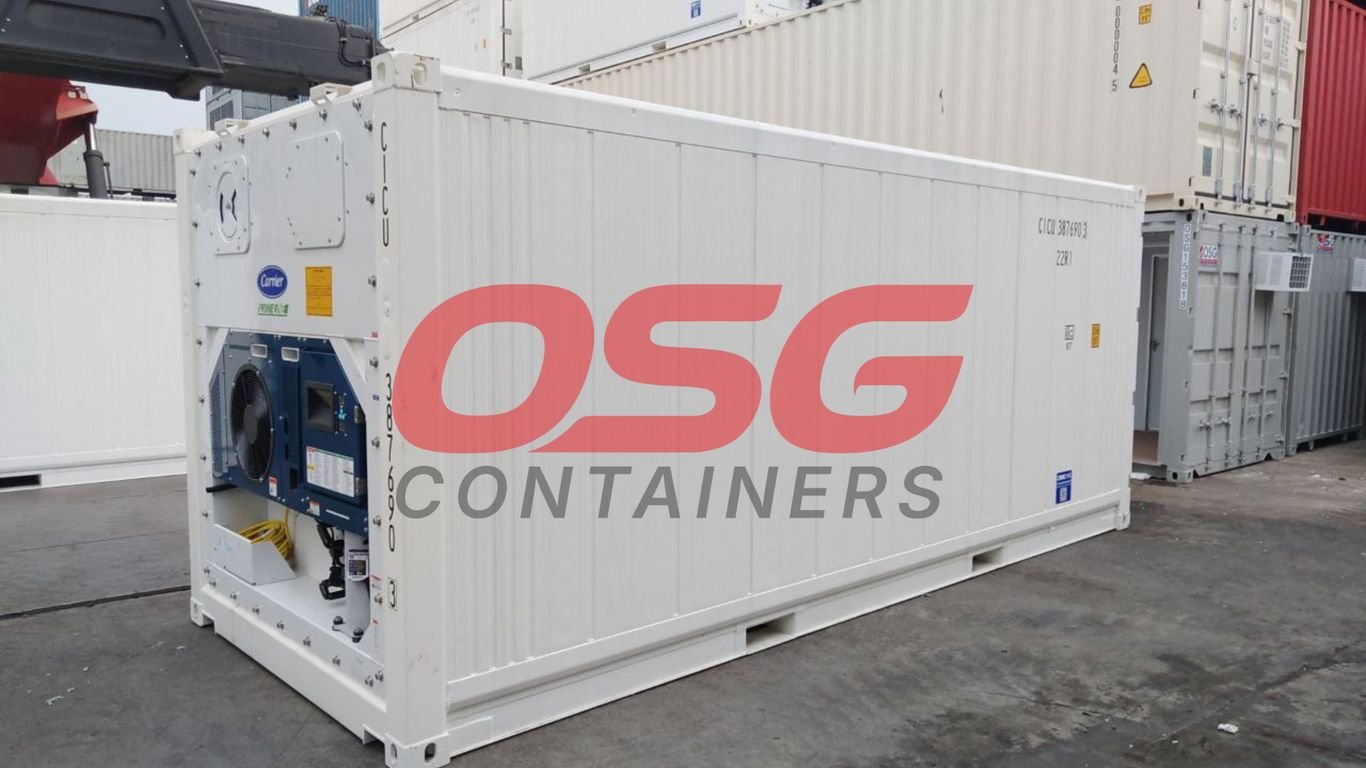
Ever wondered how your favorite fruits make it from a faraway farm to your local grocery store, still looking fresh? Or how that life-saving medicine stays potent during its long journey? A lot of that magic happens inside a reefer refrigerated container. These aren’t your average shipping boxes; they’re like mobile, super-controlled environments designed to keep things at just the right temperature. Let’s take a peek inside one of these amazing machines and see how they make temperature control seem so simple.
Key Takeaways
- A reefer refrigerated container is a specialized shipping unit with a built-in refrigeration system, designed to maintain specific temperature ranges for perishable goods.
- Key components include a precise temperature control system, robust insulation to maintain internal conditions, and ventilation to manage airflow and gas exchange.
- Advanced features like controlled atmosphere (CA) and humidity management allow for finer control over the cargo’s environment, extending shelf life.
- Proper operational practices, such as pre-cooling the container and cargo, and minimizing door openings during handling, are vital for efficiency and cargo integrity.
- Smart technologies and telematics offer real-time monitoring and data logging, aiding in tracking, quality control, and predictive maintenance for the reefer refrigerated container.
Understanding The Reefer Refrigerated Container
The Core Functionality Of A Reefer
Reefer containers, short for refrigerated containers, are basically super specialized shipping boxes. They’re built to keep things like fruits, veggies, and even medicines at just the right temperature. Unlike a regular container that’s just a metal box, these have a whole refrigeration system built right in. They’re designed to keep things stable, which is a big deal when you’re moving delicate items across the ocean or across the country. The main job is to maintain a consistent internal temperature, no matter what’s happening outside. This is achieved through a combination of insulation and a powerful refrigeration unit.
Key Features Of Reefer Containers
These aren’t your average shipping containers; they’re complex pieces of machinery. Here are some of the main things that make them special:
- Built-in Refrigeration Unit: This is the heart of the reefer, responsible for cooling or heating the interior. It needs a constant power source to do its job.
- Superior Insulation: The walls, ceiling, and floor are made with thick, high-quality insulation materials. This creates a thermal barrier, keeping the outside weather out and the desired temperature in.
- Airflow Management: Fans and vents are strategically placed to circulate air evenly throughout the container. This prevents hot or cold spots and ensures the entire cargo stays at the set temperature.
- Control Panel: A user-friendly interface allows operators to set and monitor the exact temperature, and sometimes humidity, required for the cargo.
Temperature Range Capabilities
Reefers are pretty versatile when it comes to temperature. Most standard reefers can handle a wide range, typically from around -30°C (-22°F) up to +30°C (86°F). This broad capability means they can be used for a huge variety of goods:
| Cargo Type | Typical Temperature Range | Notes |
|---|---|---|
| Frozen Goods | -18°C to -30°C | Ice cream, frozen meats, some medicines |
| Chilled Goods | 0°C to 10°C | Fresh produce, dairy, certain beverages |
| Temperature Sensitive | Varies | Pharmaceuticals, electronics, specific wines |
Some specialized units, often called ‘super freezers,’ can even go down to -70°C (-94°F) for extremely sensitive items like certain biological samples or advanced pharmaceuticals. This flexibility is what makes them so important for global trade.
Inside The Reefer Refrigerated Container: Key Components
The Heart Of The Reefer: Temperature Control System
So, what actually makes a reefer tick? It’s not just a fancy insulated box. The real magic happens with the temperature control system. This is the brain and the muscle of the operation, working hard to keep your cargo at that exact temperature it needs. It’s got a bunch of parts working together, kind of like a team.
- Control Unit: This is where you set the temperature. It’s like the thermostat in your house, but way more sophisticated. It reads the internal temperature and tells the rest of the system what to do – cool down, warm up a bit, or just keep things steady.
- Sensors: These little guys are spread out inside the container, constantly checking the temperature. They send that info back to the control unit so it knows what’s going on.
- Refrigeration Unit: This is the powerhouse. It’s the part that actually does the cooling (or heating, if needed). It uses a refrigerant cycle, similar to your home fridge, to move heat out of the container.
The whole point is to maintain a super stable environment, minimizing those temperature swings that can ruin sensitive goods.
Insulation: A Thermal Fortress
Think of the insulation like the walls of a super-efficient cooler. It’s what keeps the outside world’s temperature from messing with the inside. Reefer containers are built with thick layers of high-density polyurethane foam. This stuff is really good at stopping heat from getting in or out. It’s not just about keeping things cold; it also helps the refrigeration unit work less, saving energy and making sure the temperature stays consistent, especially on those long hauls where the outside can get pretty wild.
Ventilation And Airflow Systems
Keeping the air moving inside is just as important as keeping it at the right temperature. You’ve got fans inside the reefer that circulate the air. This helps to make sure the temperature is the same everywhere inside the container, not just near the cooling unit. It also helps get rid of any stale air or gases that might build up, especially if you’re shipping produce that releases gases as it ripens. Some reefers also have vents that can let in fresh air from the outside or let out built-up gases. It’s all about creating a healthy environment for whatever you’re shipping.
Humidity Control Functions
This is where things get really interesting. It’s not just about temperature; some cargo needs a specific level of humidity too. Too dry, and things might shrivel up. Too humid, and you might get mold or spoilage. The reefer unit has ways to manage this. It can remove moisture from the air if it’s too damp, or sometimes even add moisture if needed. This is especially important for things like fresh fruits and vegetables, where the moisture content can really affect how long they last and how fresh they stay.
Controlling humidity is a delicate balancing act. Too much or too little can have a significant negative impact on the cargo’s quality and shelf life. Modern reefers are designed to manage this precisely, often through dehumidification cycles or by managing the evaporator’s temperature.
Advanced Technologies In Reefer Refrigerated Containers
Reefer containers have come a long way from just being insulated boxes with a cooling unit. Today’s technology is pretty wild, making sure your sensitive cargo stays just right, no matter how far it travels. It’s not just about keeping things cold anymore; it’s about fine-tuning the environment inside.
Controlled Atmosphere and Humidity Management
Beyond just temperature, modern reefers can actually control the air inside. For things like fruits and veggies, managing the levels of oxygen and carbon dioxide can really slow down ripening and stop spoilage. This is called Controlled Atmosphere (CA) technology. It’s a big step up from basic insulated containers or just using an iso tank for dry goods. Plus, some cargo needs less moisture to avoid mold, while others need more to stop them from drying out. These units can add or remove moisture to keep humidity levels perfect. It’s all about creating a custom micro-climate for whatever you’re shipping.
Smart Technologies and Telematics
Think of telematics as the eyes and ears for your reefer. These systems use GPS and sensors to give you live updates on where the container is and, more importantly, what the temperature inside is. This constant stream of data lets you spot problems the second they happen. If the temperature starts to creep up or down too much, you get an alert immediately. This means you can often fix an issue before it ruins the cargo. It also helps with planning, like knowing exactly when a container will arrive or if a route needs adjusting due to unexpected delays. This real-time visibility is a game-changer for managing perishable goods.
Integrated Tracking and Tracing Systems
These systems tie everything together. They combine the real-time data from telematics with other logistics information, like shipping schedules and customs documents. This creates a complete picture of the cargo’s journey. You can see not just the container’s location and temperature, but also its status within the broader supply chain. This level of integration makes it easier to manage complex shipments and communicate with all the parties involved, from the farmer to the final retailer. It’s a far cry from just using basic ship containers.
The move towards ‘smart’ reefers, equipped with these advanced technologies, is happening fast. It’s not just about having the tech, but about using the data it provides to make smarter decisions, reduce waste, and keep goods in perfect condition throughout their long journeys.
Operational Best Practices For Reefer Refrigerated Containers
Keeping your temperature-sensitive cargo in good shape during transit is a big deal. It’s not just about having the right reefer containers; it’s about how you handle them from start to finish. Think of it like preparing a fancy meal – the ingredients matter, but so does the cooking and serving.
Pre-Cooling and Efficient Loading
Before you even think about loading, make sure the reefer container itself is pre-cooled to the target temperature. This might sound obvious, but it’s a step that sometimes gets rushed. Starting with a container that’s already at the right temp means the refrigeration unit doesn’t have to work overtime right from the get-go. When it’s time to load, speed is your friend. The less time the doors of these ship containers are open, the better. Every minute counts in preventing temperature swings. Efficient loading means having your cargo ready to go and a plan for how it will be stowed. This isn’t the time for a casual chat or a break. Think of the loading dock like a busy guard house – everything needs to move smoothly and quickly.
Minimizing Door Openings During Handling
Every time those doors swing open, warm air rushes in, and cold air escapes. This is especially critical when you’re dealing with pharmaceuticals or delicate produce. Think about how quickly a freezer door needs to be shut at home; it’s the same principle, just on a much larger scale. Quick transfers, clear communication between the dock workers and the reefer operators, and a well-organized staging area all help keep those doors shut as much as possible. Proper handling isn’t just about following rules; it’s about respecting the cargo and the technology that keeps it safe. A little extra attention during loading and unloading can make a world of difference in product quality and customer satisfaction.
Regular Maintenance and Inspections
These aren’t your average shipping containers; they’re complex pieces of machinery. Regular check-ups are non-negotiable. This means looking over the refrigeration unit, seals, and power cords before each trip. Catching a small issue early can save you from a major headache (and a spoiled shipment) down the line. It’s like getting your car serviced – you do it to avoid breaking down on the highway.
Here’s a quick rundown of what to look for:
- Refrigeration Unit: Check for any unusual noises or vibrations.
- Door Seals: Make sure they are intact and creating a tight seal.
- Power Cords and Connections: Inspect for wear and tear.
- Interior and Exterior: Look for any damage to the container walls or insulation.
A proactive maintenance schedule, including checks on the compressor, condenser, evaporator, and electrical systems, can catch problems before they become critical failures. Think of it like getting your car’s oil changed regularly – it prevents bigger issues down the line.
Stowing A Reefer Refrigerated Container Properly
Alright, so you’ve got your temperature-sensitive goods, and they’re ready to go into the reefer. But just shoving them in there isn’t going to cut it. How you pack this thing matters, a lot. It’s not like a regular box where you just fill every nook and cranny. Airflow is the name of the game here, and if you mess it up, your cargo is going to have a bad time.
Optimizing Airflow For Different Cargo Types
Different stuff needs different treatment inside the reefer. For things that need to stay chilled, like fresh produce, you want air to move through the product. This helps carry away heat and any gases that build up. Think of it like giving the cargo room to breathe.
- Frozen Goods: These guys need to be packed tight. Stack them right up against each other and the walls. The goal here is to create a solid block of cold. You don’t want air sneaking around the edges; you want it to stay put and keep everything frozen.
- Chilled Goods: For items that need to be kept cool but not frozen, airflow is key. Make sure there are gaps for air to circulate. Boxes should ideally have vents, and you want to line those up so air can travel from the bottom to the top of the container.
- General Rule: Don’t let your cargo hang over the edges of pallets. This blocks the air. Also, try to leave a little space between the top of your stacked cargo and the container roof. That air needs somewhere to go.
Ensuring Proper Air Movement Within The Container
So, how do you actually make sure the air is doing its job? It comes down to how you stack things. Imagine the air is a river; you don’t want dams or dead ends. You want it to flow smoothly from the cooling unit and back again.
- Vertical Airflow: Most reefers push cold air in from the bottom. So, if your boxes have vents, make sure they’re all facing the same way to allow this vertical movement. If air can’t go up and through, it’s not going to cool effectively.
- Horizontal Airflow: Sometimes, you need air to move side-to-side too. This depends on the cargo, but generally, you want to avoid creating solid walls of product that stop air in its tracks.
- Pallet Placement: Use pallets that allow air to get underneath. Don’t just stack boxes directly on the floor if you can help it.
Stowing isn’t just about fitting as much as possible. It’s a science. Get it wrong, and you’re basically asking for trouble with your shipment. Think about the air, always think about the air.
Pre-Cooling Goods For Efficient Loading
This is a big one, and it ties into stowing. You absolutely must pre-cool your goods before they go into the reefer. Trying to cool down warm product inside the container is a losing battle. It wastes a ton of energy and puts a huge strain on the refrigeration unit. It’s way more efficient to cool your product down in a dedicated facility first. Then, when it goes into the already-chilled reefer, the unit just needs to maintain the temperature, not fight against a massive heat load. This also helps prevent condensation issues and extra defrost cycles, which can mess with your cargo’s quality. Think of the loading dock like a busy guard house; everything needs to move quickly and efficiently, and starting with pre-cooled goods makes that possible.
Challenges And Solutions In Reefer Refrigerated Container Transport
Shipping temperature-sensitive goods in reefer containers isn’t always a walk in the park. There are definitely some hurdles that logistics folks have to jump over. Keeping things at the right temperature, all the way from the farm to your local grocery store, is a constant challenge.
Addressing Equipment Malfunctions
Reefers are complex machines, and like any machine, they can break down. A refrigeration unit going kaput mid-journey can be a disaster, leading to spoiled cargo and big financial losses. The key here is proactive maintenance. Regular check-ups are super important. This means looking over the refrigeration unit, seals, and power cords before each trip. Catching a small issue early can save you from a major headache (and a ruined shipment) down the line. It’s like getting your car serviced – you do it to avoid breaking down on the highway.
Maintaining Consistent Temperatures On Long Journeys
Keeping a steady temperature for weeks or even months is tough. Factors like changing external weather, the cargo itself giving off heat, and even how often the doors are opened during stops can cause temperature swings. Modern reefers have advanced insulation and precise temperature control systems to combat this. However, it’s also about smart operational practices. Pre-cooling the container and the goods before loading, and minimizing door openings during handling, are vital steps. Think of the loading dock like a busy guard house – everything needs to move smoothly and quickly.
The Role Of Data In Predictive Maintenance
This is where things get really interesting. All the data coming from the reefer – temperature logs, humidity readings, even how often the door was opened – can be used to predict problems before they happen. AI can look at this information and compare it to historical data. It can also factor in things like weather forecasts along the route. Based on all this, it can flag a container that’s showing early signs of a refrigeration unit issue, allowing for maintenance before a breakdown occurs. This data also creates a detailed record of the journey, which is super important for quality control and troubleshooting if something does go wrong. You have a clear history of what happened.
The ability to maintain such precise temperatures is what makes them indispensable for global trade in perishables. It’s not just about keeping things cold; it’s about creating a stable micro-environment that mimics the ideal conditions for the specific cargo being transported. This careful control prevents spoilage, preserves quality, and ultimately reduces waste throughout the supply chain.
The Bottom Line on Reefer Containers
So, we’ve looked at how these reefer containers are basically super-powered refrigerators that travel the world. They’re not just simple metal boxes; they’re complex machines designed to keep everything from fresh fruit to important medicines at just the right temperature, no matter the distance. With all the technology packed inside, from precise climate control to tracking systems, it’s pretty impressive how they manage to keep goods from spoiling. It’s a big job, for sure, but it’s what makes it possible for us to get all sorts of things we need, fresh and ready, wherever they need to go. Pretty cool when you stop and think about it.
Frequently Asked Questions
What exactly is a reefer container and why is it special?
A reefer container is like a giant, super-smart refrigerator designed for shipping. Unlike a regular metal box, it has its own cooling system built right in and special walls that keep the cold air from escaping. This lets it keep things like fruits, veggies, medicines, and frozen foods at the exact temperature they need, no matter how far they travel.
How do these reefer containers keep things cold?
Inside, there’s a powerful cooling unit, similar to your home fridge but much bigger. It uses a special liquid that moves around to take the heat out of the container. It’s like a continuous cycle of making things cold and blowing that cold air around, all controlled very carefully to keep the temperature steady.
Can reefer containers keep things both frozen and just chilled?
Absolutely! They are very flexible. Most standard reefers can keep things just above freezing for fresh items, or super cold for frozen goods, usually down to about -25°C (-13°F). Some special ones can even go much colder, like -70°C, for items that need extreme cold.
Besides temperature, what else do reefer containers control?
Reefers can also manage the moisture in the air, which is called humidity. Too much can cause mold, and too little can make things dry out. They can add or remove moisture to keep it just right. Some advanced reefers can even control the types of gases inside, like oxygen and carbon dioxide, to slow down ripening for certain fruits and vegetables.
Why is airflow so important inside a reefer container?
Airflow is crucial because produce, especially fruits and veggies, gives off heat and gases as it ripens. If the air doesn’t move, these gases can build up and spoil the cargo. Reefers circulate the air to keep temperatures even everywhere and to remove these gases. For frozen goods, good airflow ensures the cold reaches every package.
What are the best practices for using a reefer container?
It’s important to pre-cool the container before loading, so it’s already at the right temperature. When loading, do it as quickly as possible to keep the doors open for the least amount of time. Also, make sure the cargo is packed in a way that allows air to move freely around it. Regular maintenance and checking the equipment are also key to preventing problems.