Singapore
 Australia
 Indonesia
 Japan
Japan Malaysia
 New Zealand
 Philippines
 South Korea
 Taiwan
 Thailand
 VIETNAM
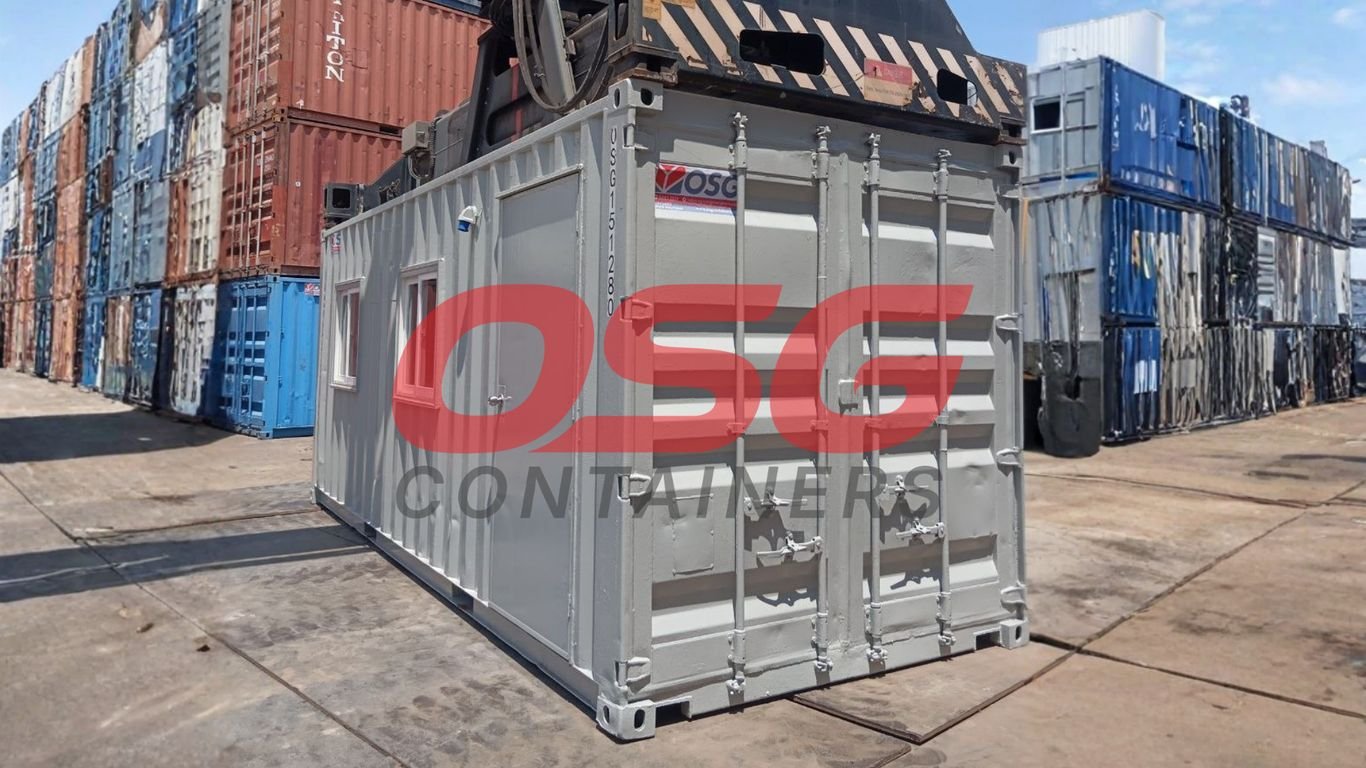
So, you’re thinking about a container office? They’re popping up everywhere, and for good reason. Forget those drab, cookie-cutter spaces; these modified shipping containers are getting a serious upgrade. Businesses are realizing they can get flexible, modern, and even cool-looking workspaces without breaking the bank or waiting forever for construction. Whether you’re in construction, running a creative agency, or need a professional setup, a container office can be tailored to fit exactly what you need. Let’s dive into how these versatile units are changing the game for workplaces.
Key Takeaways
- Container offices are adaptable workspaces made from modified shipping containers, offering a flexible alternative to traditional buildings.
- Customization allows container offices to suit various industries, from rugged on-site operations to sleek corporate settings.
- Modifications like tailored layouts, exterior finishes, and integrated technology boost functionality and appeal.
- Employee comfort is a priority, with designs incorporating good insulation, lighting, and collaborative zones for wellbeing.
- Container offices are a cost-effective and sustainable choice, providing quick deployment and long-term financial advantages.
Tailoring Container Offices For Specific Industries
Container offices are surprisingly adaptable, and you can really make them work for just about any field. It’s not just about having a basic shelter; it’s about creating a space that actually helps your business run better. Think about it – a construction site needs something tough and easy to move, while a design firm might want something that looks cool and sparks ideas. The key is understanding what each industry needs and building that into the container office from the start.
Industrial and On-Site Operations
For places like construction sites, factories, or remote work locations, durability and practicality are king. These container offices need to handle rough conditions and be moved around as projects progress. We’re talking about robust exteriors, good security, and interiors that can handle tools and equipment. Think about:
- Tough Flooring: Something that can take a beating from boots and dropped items.
- Ample Storage: Built-in shelving or cabinets for tools and supplies.
- Secure Entry: Strong doors and locks are a must.
- Climate Control: Keeping workers comfortable, whether it’s freezing or scorching outside.
These spaces often need to be functional hubs, providing a safe and efficient place for teams to manage operations, take breaks, and store essential gear, all while being resilient to the elements and the demands of the job.
Creative and Innovative Workspaces
Creative types often thrive in environments that are a bit unconventional. Container offices can be transformed into inspiring studios, design labs, or collaborative hubs. The focus here is on aesthetics, natural light, and flexible layouts that encourage brainstorming and new ideas. Consider:
- Large Windows: To let in natural light and connect the inside with the outside.
- Open-Plan Layouts: Allowing for easy movement and collaboration.
- Custom Finishes: Using unique materials or colors to reflect the brand’s personality.
- Acoustic Treatments: To manage sound in open spaces.
Corporate and Professional Settings
Even in more traditional business settings, container offices can be a smart choice. They can serve as executive suites, satellite offices, or temporary project spaces. The goal is to create a professional and comfortable environment that supports productivity and client meetings. Key features include:
- Professional Interior Finishes: Clean lines, good quality materials, and a polished look.
- Meeting Room Integration: Dedicated spaces for discussions and presentations.
- Comfortable Workstations: Ergonomic setups for employees.
- Technology Integration: Reliable internet and AV equipment for modern business needs.
Enhancing Functionality With Custom Modifications
So, you’ve got a shipping container, and you’re thinking about turning it into an office. That’s a great start! But just plopping a desk inside isn’t going to cut it for most businesses. We need to make it work, right? That’s where custom modifications come in. It’s all about making the space truly yours and getting the most out of it.
Tailored Interior Layouts For Productivity
Think about how you actually work. Do you need a big open space for brainstorming, or do you need quiet nooks for focused tasks? Shipping containers are surprisingly adaptable. You can add partitions to create separate offices, meeting rooms, or even a small kitchenette. This isn’t just about dividing space; it’s about creating zones that support different kinds of work.
- Open Plan: Good for collaboration and a sense of spaciousness.
- Cubicle Style: Offers more privacy for individual tasks.
- Hybrid: A mix of open areas and private offices, often the best of both worlds.
We can even install custom shelving and storage solutions. No more piles of paperwork on the floor! Everything has its place, which really helps keep things tidy and your mind clear.
The way your office is laid out can seriously impact how much work gets done. A well-planned space means less time wasted looking for things or getting distracted.
Exterior Design For Visual Appeal
Let’s be honest, a plain metal box isn’t exactly inspiring. But it doesn’t have to stay that way. The outside of your container office is a chance to make a statement. You can paint it to match your company colors, add cladding for a more modern look, or even install a small deck area for breaks.
- Paint & Branding: Use colors and logos to make your office instantly recognizable.
- Cladding: Materials like wood or composite panels can give it a more permanent, polished feel.
- Window Placement: Strategic windows don’t just let in light; they can improve the look from the outside too.
It’s about making it look professional and inviting, whether it’s for your employees or for clients visiting your site.
Integrating Technology For Modern Connectivity
No office today can function without good tech. We’re talking about reliable internet, power for all your devices, and maybe even some smart features. Getting the electrical setup right is non-negotiable for a functional workspace. This means enough outlets in the right places, good lighting (LEDs are usually the way to go – they’re energy-efficient and last ages), and making sure you can power everything from your computers to your coffee maker.
We can also help with:
- Network Cabling: Running Ethernet cables for stable internet connections.
- AV Equipment: Setting up screens or projectors for presentations.
- Smart Controls: Basic systems for lighting or climate control can make things easier.
It’s about making sure your container office is as connected and efficient as any traditional building.
Optimizing Container Offices For Employee Wellbeing
Creating a workspace that people actually want to be in is a big deal, right? It’s not just about having a roof over your head; it’s about making sure everyone feels good while they’re there. A happy team is usually a more productive team, and that’s what we’re aiming for.
Creating Comfortable and Ergonomic Environments
Think about it: nobody likes being too hot, too cold, or stuck in a chair that feels like it was designed by a medieval torturer. With container offices, we can really focus on making things comfortable. Good insulation is key – it keeps the temperature steady, so you’re not sweating in summer or freezing in winter. We also need to think about air quality. Proper ventilation means fresh air is always circulating, which helps people concentrate better and just feel generally healthier. And the chairs? We can make sure there are ergonomic options available, supporting good posture and preventing those annoying aches and pains that can creep up during a long day.
Fostering Engagement Through Thoughtful Design
It’s amazing what a bit of thought can do for morale. When a space feels considered, people tend to feel more valued. This means looking beyond just the basic setup. We can incorporate elements that make the office feel less like a sterile box and more like a place people connect with. Think about natural light – big windows can make a huge difference, making the space feel more open and less claustrophobic. Even the colors and finishes we choose can impact the mood. A well-designed space shows that the company cares about its people, and that can really boost engagement.
Incorporating Breakout and Collaborative Zones
Nobody can stare at a screen all day without needing a break. That’s why having dedicated areas for people to step away from their desks is so important. These aren’t just places to grab a coffee; they’re spots for informal chats, quick brainstorming sessions, or just a moment to recharge. We can set up comfortable seating areas, maybe a small kitchenette, or even a quiet zone for anyone who needs a bit of peace and quiet to focus. Having these different zones means people can choose the environment that best suits what they need to do at any given moment, making the whole workday flow a lot better.
The goal is to create a workspace that supports not just the tasks at hand, but also the people doing them. It’s about building an environment where comfort, health, and a sense of belonging are prioritized, leading to a more positive and effective work experience for everyone involved.
Scalability And Future-Proofing Your Workspace
As businesses grow and change, their physical space needs to keep up. Container offices really shine here because they’re built to be flexible. You’re not locked into a permanent structure that’s hard to change. This means your office can grow with you, or shrink if needed, without a massive headache.
Adapting To Business Growth With Modular Design
Think of container offices like building blocks. If your team expands or you need more room for equipment, you can simply add another container unit. It’s way easier than trying to knock down walls or add extensions to a traditional building. This modular approach means you can scale up or down pretty quickly.
- Add new units: Simply connect another container to your existing setup. This is great for expanding teams or adding specialized areas like meeting rooms or storage.
- Reconfigure layouts: Even without adding more units, you can often rearrange how your existing containers are connected to create different internal flows.
- Phased expansion: Start with one or two units and add more as your business demands, spreading the cost over time.
Responding To Evolving Work Models
Work isn’t what it used to be, right? More people are working remotely, or in hybrid setups, and teams might need to shift locations. Container offices are perfect for this. They’re not stuck in one place. If your company decides to open a new branch or needs to move operations, your container office can come along for the ride.
The ability to easily relocate or reconfigure your workspace means you’re always prepared for whatever the future of work throws at you. It’s about having a workspace that works for you, not the other way around.
Relocating Or Expanding Your Container Office
Moving a container office is surprisingly straightforward. They’re designed to be transported, so whether you’re moving across town or to a different site, it’s a manageable process. This mobility is a huge advantage over fixed buildings. You can even repurpose a container office if your needs change entirely – maybe it becomes a storage facility or a workshop at a new location. This adaptability is key to future-proofing your business operations.
Here’s a quick look at the benefits:
- Mobility: Easily transportable to new sites.
- Reusability: Can be repurposed for different functions.
- Cost-effective expansion: Adding units is cheaper than building new.
- Reduced disruption: Relocation or expansion causes less downtime.
Sustainability And Cost-Effectiveness Of Container Offices
When you’re looking at setting up a new office space, especially for things like construction sites or temporary project hubs, the cost and environmental impact are big things to think about. That’s where containers as offices really start to shine. They’re not just a quick fix; they’re a smart choice for your wallet and the planet.
Environmental Benefits Of Reusing Shipping Containers
Think about it: shipping containers are built tough to travel the world, but once their shipping days are done, they often just sit around. Turning them into offices gives them a whole new life. This reuse cuts down on the need to make brand new building materials, which saves a ton of energy and resources. It’s a pretty straightforward way to be more eco-friendly.
- Reduces demand for new construction materials.
- Diverts waste from landfills.
- Lowers the carbon footprint associated with manufacturing new buildings.
Repurposing these sturdy steel boxes is a practical step towards more responsible building. It’s about making the most of what’s already out there.
Energy-Efficient Design Solutions
Beyond just reusing the container itself, you can make these spaces super energy efficient. Good insulation is key, of course, keeping things cool in the summer and warm in the winter without running up huge energy bills. Plus, you can add things like LED lighting, which uses way less power than older bulbs. Some folks even look into solar panels or better ways to manage water.
| Feature | Benefit |
|---|---|
| High-Quality Insulation | Reduces heating and cooling costs |
| LED Lighting | Lowers electricity consumption |
| Solar Panels (Optional) | Generates clean, renewable energy |
| Smart Thermostats | Optimizes climate control for efficiency |
Long-Term Financial Advantages
Upfront, a container office is often cheaper than building something from scratch. But the savings don’t stop there. Because they’re durable and require less maintenance than some traditional structures, you’ll likely spend less on upkeep over the years. And if your business needs to move or expand, these offices are designed to be relocated or added onto, which is way less hassle and expense than dealing with a permanent building. This flexibility means you’re not locked into a space that no longer fits your needs, saving you money and headaches down the line.
Essential Modifications For A Functional Container Office
So, you’ve got your hands on some office containers, or maybe you’re thinking about it. Great! But just plopping a container down isn’t going to cut it for a real workspace. You need to make some changes to make it actually work. Think of it like getting a basic shell and then adding all the bits that make it livable and productive.
Windows, Doors, and Ventilation
First off, you need to get in and out, right? So, doors are a must. But it’s not just about having an entrance. Where you put them, and adding windows, makes a huge difference. Windows let in natural light, which is way better than just relying on artificial lights all day. Plus, they help with airflow. You don’t want your containers office feeling stuffy. Proper ventilation is key to keeping the air fresh and preventing that closed-in feeling. Think about how many people will be in there and how much air circulation you’ll need.
Insulation and Climate Control
These metal boxes are tough, sure, but they’re not exactly built for comfort. Without good insulation, your container office will be an oven in the summer and a freezer in the winter. You’ll need to add insulation to the walls, ceiling, and floor. This isn’t just about comfort, either; it helps keep your heating and cooling systems from working overtime, saving you money. Speaking of which, you’ll definitely want an HVAC system. Whether it’s a simple window unit or a more integrated system, you need to control the temperature. This is non-negotiable for a functional workspace.
Electrical Systems and Lighting
No office runs without power. You’ll need to get electricity into your container office for lights, computers, printers, maybe even a coffee maker. This means wiring, outlets, and a breaker box. It’s best to have a professional handle this to make sure it’s safe and up to code. When it comes to lighting, don’t just stick one bare bulb in the middle. Think about different types of lighting: general overhead lights for overall brightness, task lighting for specific work areas, and maybe even some accent lighting to make the space feel less like a box. LED lights are a good bet because they use less energy and last a long time.
Making these modifications isn’t just about ticking boxes; it’s about creating an environment where people can actually do their best work. A well-lit, temperature-controlled space with good air quality makes a world of difference.
Here’s a quick rundown of what to consider:
- Doors: Secure entry and exit points.
- Windows: Natural light and airflow.
- Ventilation: Keeping the air fresh.
- Insulation: For temperature regulation and energy saving.
- HVAC: Heating, ventilation, and air conditioning.
- Electrical: Power for all your equipment.
- Lighting: General, task, and accent options.
Wrapping It Up
So, we’ve seen how container offices can be a really smart move for all sorts of businesses. Whether you’re in construction needing a tough spot on-site, a creative agency wanting something unique, or a company that just needs more flexible space, these modified containers fit the bill. They’re quick to set up, can be made to look great, and are a more eco-friendly choice than building from scratch. Plus, you can add all the tech and comfort features you need to keep your team happy and productive. It’s clear that these adaptable workspaces are here to stay and are a solid option for businesses looking to the future.
Frequently Asked Questions
What makes a container office different from a regular office?
A container office is built using strong, used shipping containers. It’s like giving an old box a new job as a cool workspace! You can change its inside and outside to fit exactly what your business needs, making it super flexible and often quicker to set up than a traditional building.
Can a container office be used in any industry?
Yes, absolutely! Whether you’re on a busy construction site, running a creative design studio, or need a professional office space, container offices can be changed to work for almost any business. They can be tough for outdoor jobs or stylish for customer-facing roles.
How do you make a container office comfortable?
We make them super comfy! They get good insulation to keep them warm in winter and cool in summer. We also add windows for natural light and ventilation to keep the air fresh. Plus, we can add things like heating and air conditioning (HVAC) systems.
Is a container office a good choice for a growing business?
Definitely! Container offices are like building blocks. If your business gets bigger, you can easily add more containers or rearrange them. This makes it simple to get more space without a huge hassle or cost, so your office can grow with you.
Are container offices eco-friendly?
They sure are! Using old shipping containers means we’re reusing materials instead of making new ones, which is great for the planet. We can also add energy-saving features like good insulation and even solar panels to make them even greener.
What basic things do you need to add to a container to make it an office?
To make a container a proper office, you’ll need things like windows for light and air, a strong door for entry, good insulation to control the temperature, and electricity for lights and computers. We can also add heating and cooling systems to keep everyone comfortable.